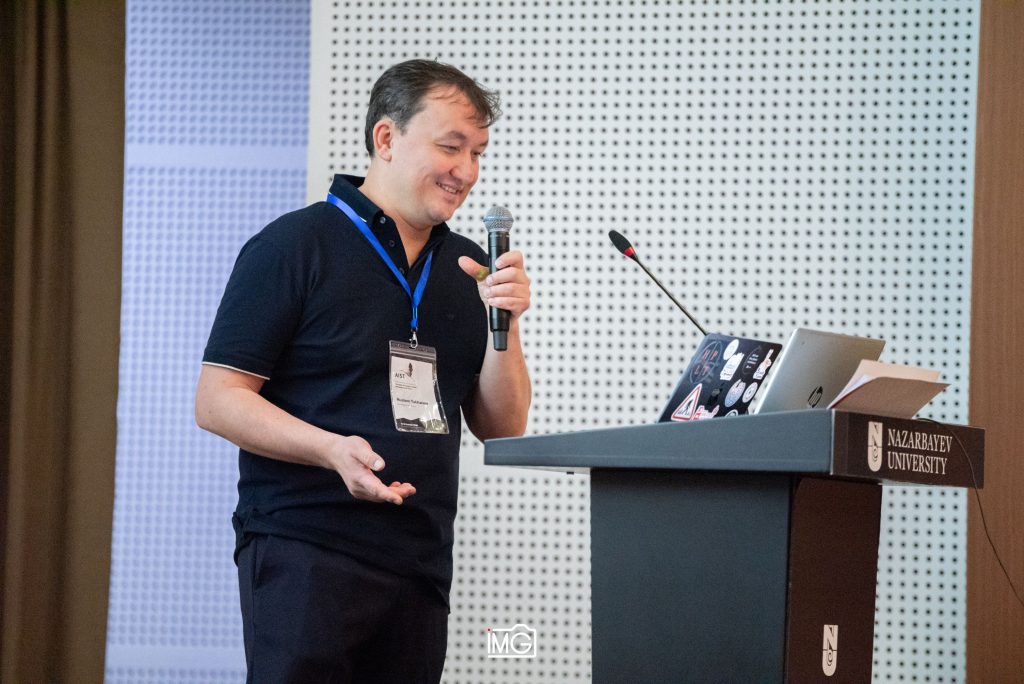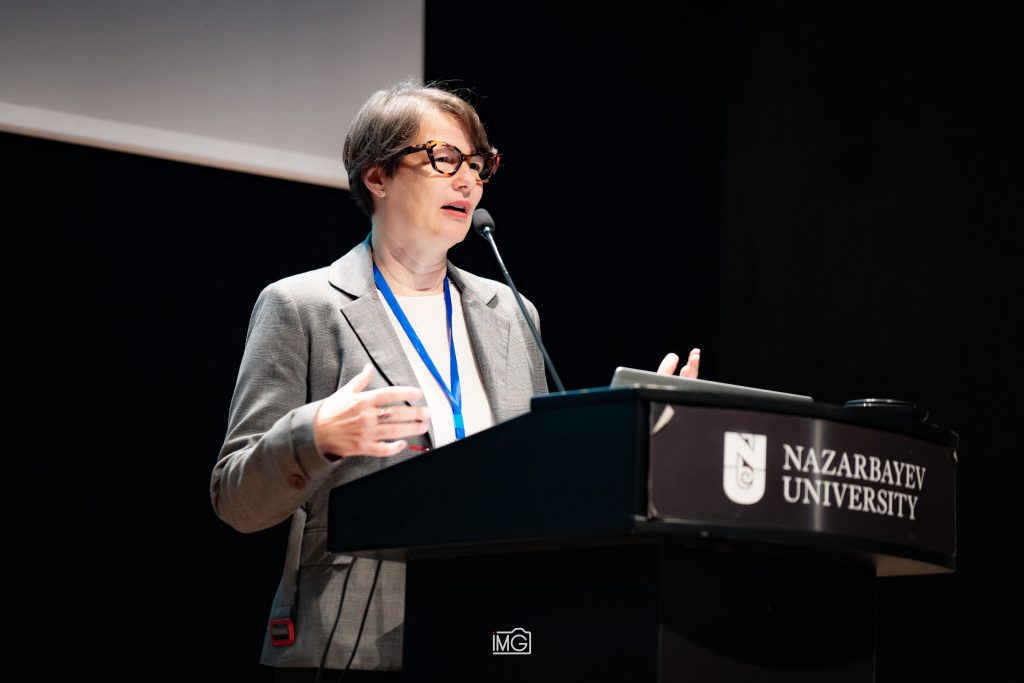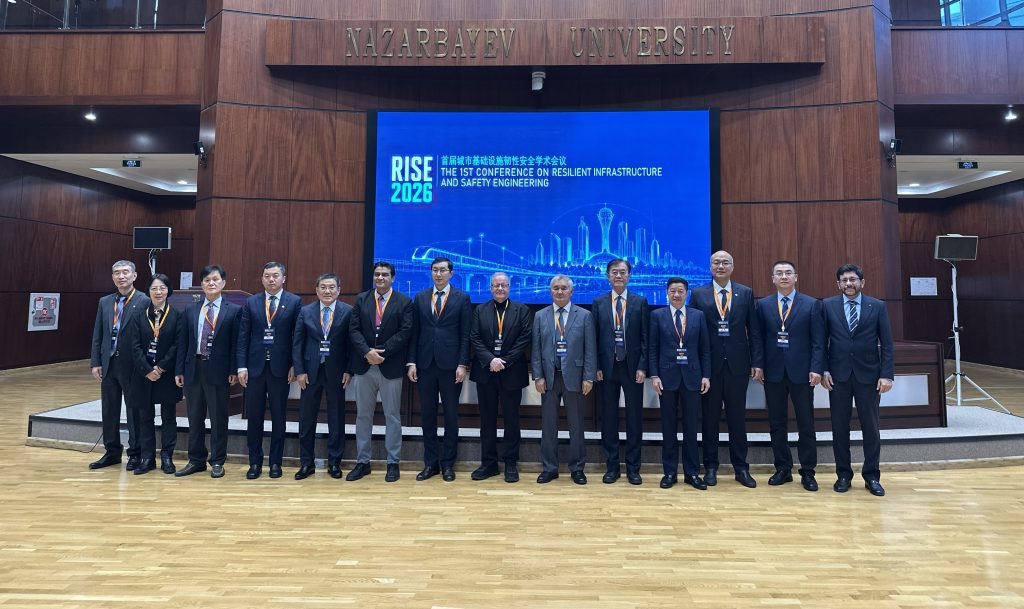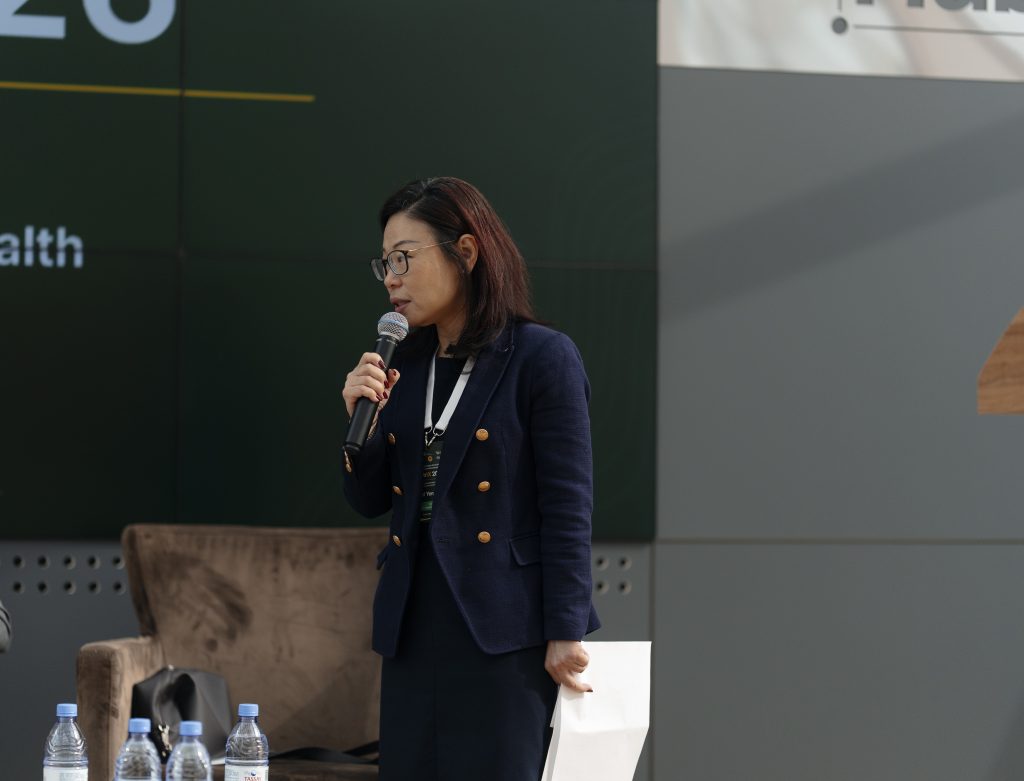
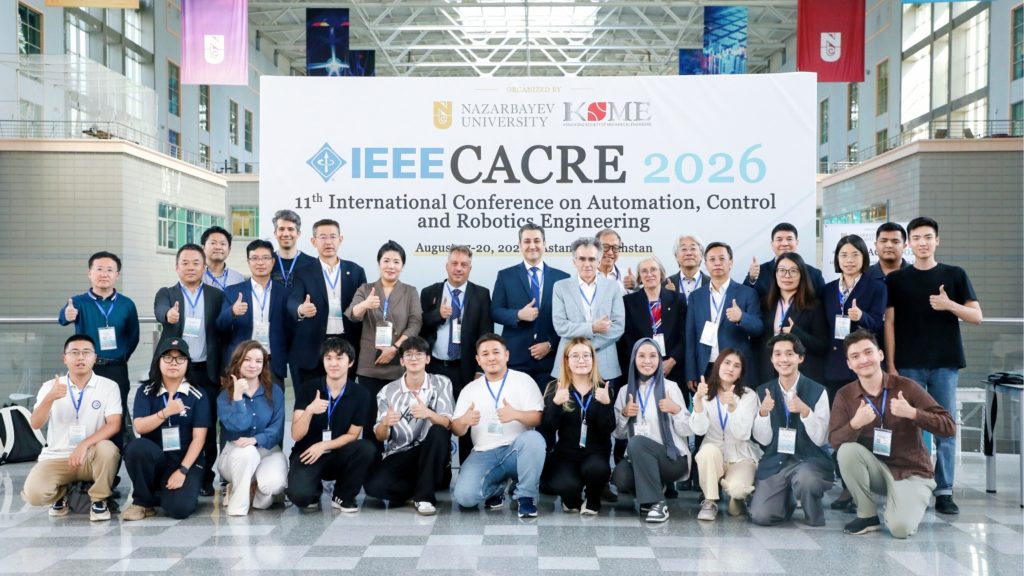
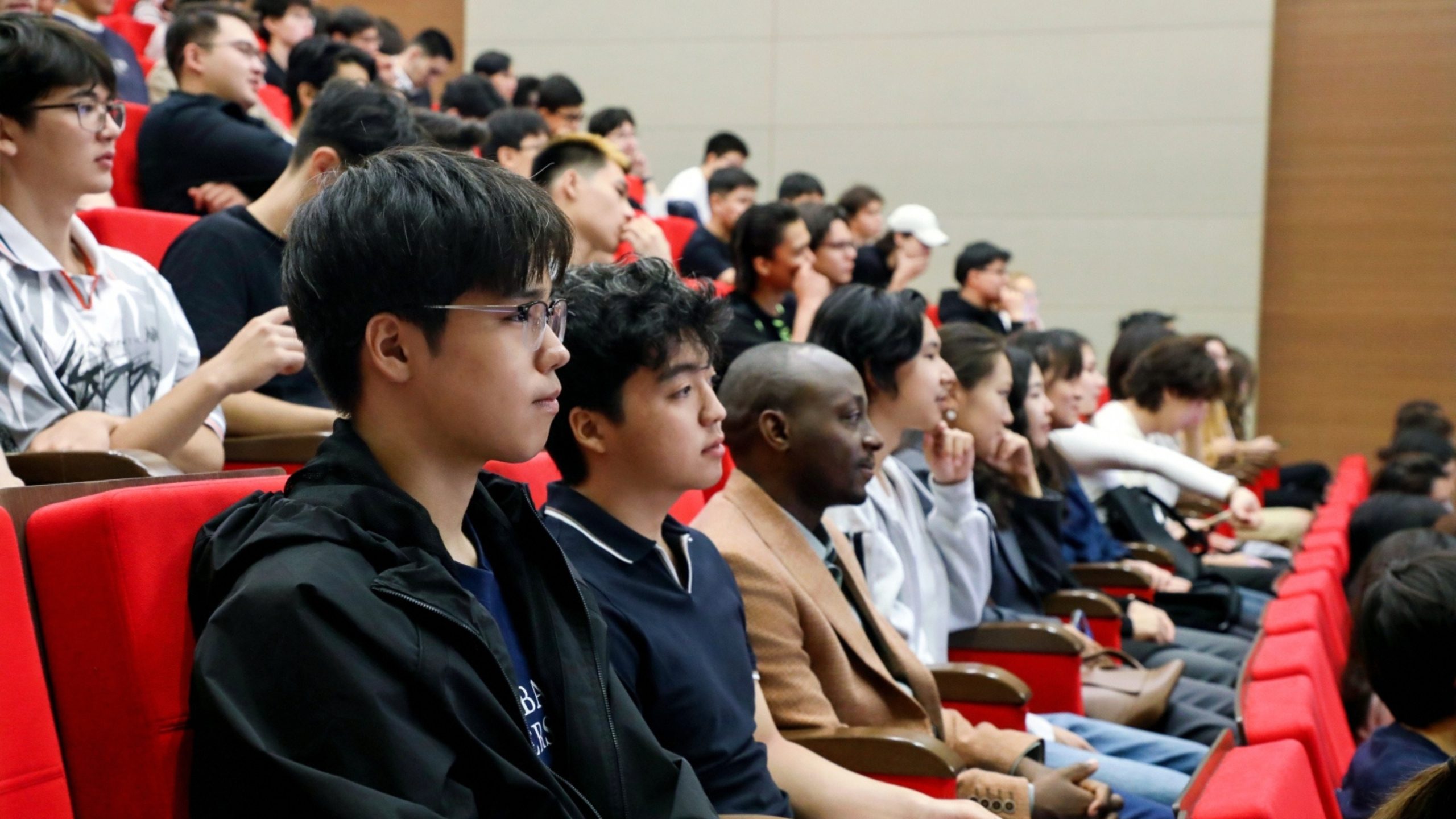


What takes a person just a few seconds can become a formidable mathematical challenge for an intelligent machine. Today’s AI can handle many complex cognitive tasks with ease, yet the physical world remains a major obstacle. This paradox was at the heart of discussions at the 11th International Conference on Automation, Control and Robotics, CACRE 2026, held at Nazarbayev University (NU) from August 17 to 20. Researchers, engineers, and students from the United Kingdom, Japan, Canada, China, South Korea, and other countries came to Astana to explore why today’s technologies still struggle to function effectively in the real world.
One of the conference’s central questions was how far AI has come in controlling complex physical systems. In his keynote, Professor Frank Park of Seoul National University explained why robots still struggle with tasks that people perform almost automatically — such as opening a jar. For a person, this is a simple action. For a robot, however, it involves accounting for a range of variables: the size and shape of the jar, grip strength, the resistance of the lid, and how the lid responds as it is being opened. The robot must continually adjust its movements based on what is happening in the moment.
According to Professor Park, developing general-purpose models for robots is complicated by the laws of the physical world. Machines have to account for gravity, friction, and physical interactions with objects — unlike text or images, these processes cannot simply be generated. “Robots are machines, and machines are governed by differential equations. You still have to study differential equations. AI is not going to do that for you,” Professor Park emphasized.
Professor Takayuki Kanda of Kyoto University presented the results of field studies examining how robots interact with people in public spaces. His team studied the communication robot Robovie in real-world settings, where people’s behavior and the surrounding environment do not always follow a predefined script. The studies found that robots can encounter interaction failures and crowding, as well as what researchers describe as “robot abuse” — situations in which people deliberately interfere with a robot or treat it aggressively. In some studies, people blocked robots’ paths, pushed them, and even hit them.
These situations led Kanda to explore a new research direction known as “moral interaction,” which looks at robots as participants in a social environment rather than simply as technological devices. Researchers are exploring ways to help robots interact appropriately with people and encourage more respectful and safe behavior in shared spaces.
The conference also featured NU Associate Professor Anara Sandygulova, Head of the Human-Robot Interaction Lab. She presented APRIL, a system that combines social robots and artificial intelligence to provide personalized support for children with autism. The robots help engage children in activities and maintain their attention, while AI tracks changes in social and cognitive skills and adapts the program to each child’s individual needs. The platform also allows specialists and parents to monitor a child’s progress over time and adjust therapeutic approaches accordingly.
The transition from laboratory research to real-world applications was one of the key themes of CACRE 2026. The discussions highlighted that the future of AI and robotics will depend on more than increasingly sophisticated algorithms. These technologies will also need to operate in complex physical and social environments, taking into account the laws of physics, human behavior, safety requirements, and constantly changing circumstances.