How to apply

Doctoral Programs

Introducing the Doctoral Institute

Working across the University, the Doctoral Institute supports the quality and continued development of masters, doctoral, and postdoctoral education, strengthens the graduate student experience, and creates opportunities for researchers to develop the knowledge, skills and networks needed to thrive within and beyond academia.

At the heart of our work is a commitment to developing the next generation of researchers and academic leaders. Through high-quality research training, effective supervision and mentoring, interdisciplinary collaboration, and professional development, the Doctoral Institute helps create an environment in which aspiring researchers can pursue ambitious research goals and contribute to NU’s growing research community.

Mission and Objectives

The Doctoral Institute works across NU to:

·  Advance the quality and continuous development of masters, doctoral, and postdoctoral education

·  Strengthen the support, supervision, mentoring and academic experience of masters, doctoral students, and postdoctoral researchers

·  Expand opportunities for advanced research training and professional and career development on campus and beyond

·  Foster interdisciplinary collaboration and build connections among researchers across schools, disciplines and research communities

·  Promote innovation in master’s doctoral education, including new approaches to research training, researcher development, and digital learning

·  Support a vibrant, internationally connected research culture that contributes to NU’s wider research ambitions

Vision for Doctoral Education

Building on its early success, NU is now entering an ambitious new phase in the development of its master’s and doctoral education programs and research. Leveraging the University’s world-class research infrastructure, well-qualified international faculty, and growing research community, the Doctoral Institute will play a central role in strengthening the environment in which the next generation of researchers continue to develop and succeed.

The Doctoral Institute is dedicated to building the people, research culture, and early-career community needed to achieve its continued success as the regional leader in research and innovation.

Information on Support Packages for Doctoral Students:

The following types of stipends are established at the University:

1) the Nazarbayev University Stipend;

2) the Stipend of the President of the Republic of Kazakhstan;

3) the Stipend of the President of the University;

4) the Kamkor Stipend;

5) named and other stipends;

6) PhD Support Stipend;

7) «Alash», «Abay Kunanbayev» and «Ybyray Altynsarin» Stipends

The amount of the Nazarbayev University Stipend is determined by the Government of the Republic of Kazakhstan in accordance with the legislation of the Republic of Kazakhstan. The purpose of stipend support provision to students is to stimulate research, teaching and learning activities of conscientious students of the University, to provide social (financial) support to students, as well as partial covering their expenses during their study.

Opportunities to work as a Teaching Assistant

Doctoral students at Nazarbayev University have opportunities to contribute to undergraduate education through Graduate Teaching Assistant (GTA) positions. As a GTA, doctoral students may serve as undergraduate study group coaches, supporting students in their learning and helping them successfully complete their courses.

GTA responsibilities may include monitoring student attendance and progress, facilitating discussions and learning activities, encouraging student participation, and creating an engaging and supportive learning environment. While the faculty member remains responsible for delivering course content, GTAs play an important role in supporting students and fostering peer learning.

Eligible doctoral students may also receive a support stipend for their GTA engagement, subject to the applicable eligibility criteria and University requirements.

Beyond contributing to undergraduate education, a GTA position provides doctoral students with valuable opportunities to develop teaching, communication, leadership, and mentoring skills. It also allows students to strengthen their understanding of course material and gain practical experience in an academic environment.

Participation as a GTA can therefore be both a meaningful contribution to the University community and an important part of a doctoral student’s professional development.

Accommodation arrangements

Doctoral students may apply for on-campus accommodation subject to the University’s housing policies and availability. NU dormitories provide furnished rooms with Wi-Fi and access to study spaces, laundry facilities, dining options and other campus amenities. Accommodation is guaranteed for international students. For further details contact the Department of Student Services: student_housing@nu.edu.kz.

Doctoral students benefit from a monthly stipend, opportunities to engage in research and teaching assistantships, and access to NU’s academic, research, sports, healthcare and campus facilities. Additional opportunities and benefits may be available depending on the student’s program and eligibility.
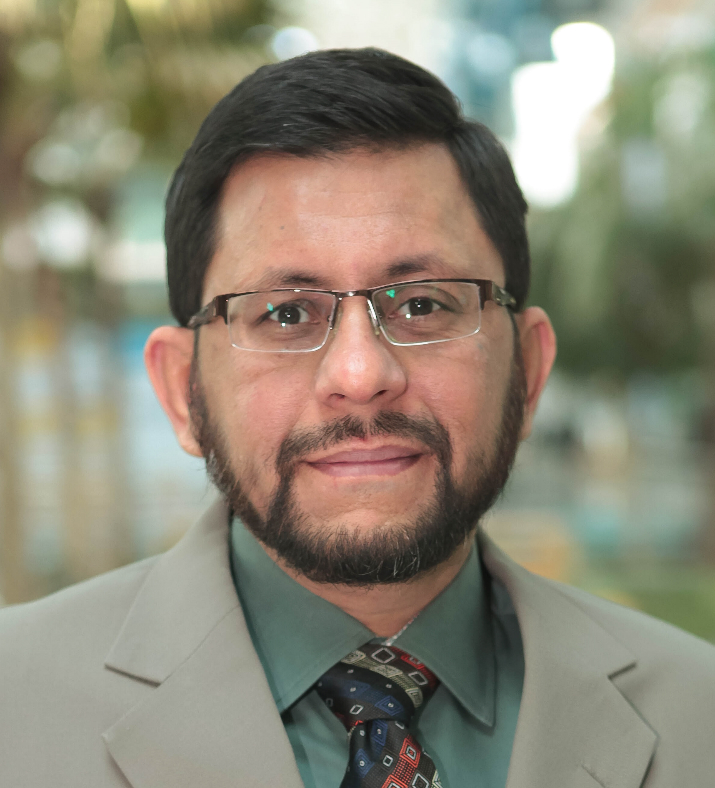

1 23456790 Working across the University, the Doctoral Institute supports the quality and continued development of masters, doctoral, and postdoctoral education, strengthens the graduate student experience, and creates opportunities for researchers to develop the knowledge, skills and networks needed to thrive within and beyond academia.

Professor Shazim Memon

Associate Provost of the Doctoral Institute

Professor Shazim Ali Memon brings an internationally recognized research profile and extensive experience in developing researchers and research environments. Dr Memon completed his PhD in Civil and Architectural Engineering at the City University of Hong Kong in 2014 and has a proven track record in doctoral governance, designing graduate programs aligned with international frameworks, and driving institutional initiatives related to research culture, rankings, and policy recommendations. Currently a Professor of Civil and Environmental Engineering, he has authored around 150 scholarly outputs, with more than 80% published in Q1 journals and 60% published in journals ranked in the top 10%. He has also secured substantial competitive research funding and achieved significant international citation impact.

Professor Memon has been recognized among the world’s top 2% of most impactful scientists and has received the Government of Kazakhstan’s Badge of Honor for Contribution to the Development of Science. His work at the Doctoral Institute focuses on strengthening doctoral education, researcher development, and an internationally competitive research environment at NU.

Professor Memon’s experience in promoting a research culture, interdisciplinary collaboration, research communication, mentorship, and academic excellence will contribute particularly to the Institute’s goals of enhancing doctoral supervision, professional development, research competencies, and the wider academic experience of emerging researchers.

image 28 Working across the University, the Doctoral Institute supports the quality and continued development of masters, doctoral, and postdoctoral education, strengthens the graduate student experience, and creates opportunities for researchers to develop the knowledge, skills and networks needed to thrive within and beyond academia.

Dr Matthew Courtney

Deputy Director of the Doctoral Institute

Dr Matthew Courtney is an educational researcher, psychometrician, and institutional research specialist with extensive international experience in research methodology, postgraduate supervision, and researcher development.

Dr Courtney completed his PhD in Education from The University of Auckland in New Zealand in 2015. Complementing Professor Shazim’s background in engineering and science, Dr Courtney’s research spans several fields of the social sciences with a focus on educational measurement, statistical programming, psychometrics, large-scale assessment, student learning, and AI in education, politics, and immigrant studies, with 45 Scopus-indexed journal articles and substantial experience leading and contributing to externally funded research and evaluation projects.

He has supervised eight PhD dissertations and 19 master’s theses to completion and has taught research methods and advanced quantitative analysis at master’s and doctoral levels.

Dr Courtney’s expertise and experience support the Doctoral Institute’s goals of strengthening graduate research training, supervision, mentorship, and professional development. His expertise in research design, advanced analytics, open-source statistical programming, psychometrics, and reproducible digital research tools will further support interdisciplinary researcher development and the Institute’s commitment to evidence-informed improvement of graduate education and Nazarbayev University’s wider research capacity.

image 29 Working across the University, the Doctoral Institute supports the quality and continued development of masters, doctoral, and postdoctoral education, strengthens the graduate student experience, and creates opportunities for researchers to develop the knowledge, skills and networks needed to thrive within and beyond academia.

Ayazhan Zhaksylyk

Coordinator for Doctoral Programming

Ayazhan has over three years of experience in project coordination, event management, media production, and administrative operations. Prior to joining Nazarbayev University, she worked at KPI Bilim as a Translator-Coordinator and at KazInTec Security as a Manager, where she coordinated translation teams, prepared and translated official documents in Kazakh, Russian, and English, and supported the organization of large-scale international events. Her experience includes managing documentation and accreditation processes for the Astana International Forum in 2022 and 2025, as well as the Asia-Pacific Ministerial Conference on Digital Inclusion and Transformation.

Ayazhan holds a Bachelor’s degree in Media Technologies from Astana IT University and is currently pursuing a Master’s degree in Project Management at Astana IT University. She currently serves as a Coordinator for Doctoral Programming in the Doctoral Institute at Nazarbayev University, where she supports the administration and coordination of doctoral education and provides operational support to PhD students throughout their academic journey. Her responsibilities include coordinating academic and administrative processes, managing student and program data, coordinating communication with students and other university units, process improvement and optimization, and supporting doctoral events and initiatives.

Her expertise includes program and project coordination, event management, stakeholder engagement, data management and reporting, process improvement, and cross-functional collaboration.

image 30 Working across the University, the Doctoral Institute supports the quality and continued development of masters, doctoral, and postdoctoral education, strengthens the graduate student experience, and creates opportunities for researchers to develop the knowledge, skills and networks needed to thrive within and beyond academia.

Aruzhan Mardissadyk

Coordinator for Master’s of Research Programming

Aruzhan Mardissadyk has over two years of experience in administration, executive support, program coordination, and project management. She holds a Bachelor’s degree in Political Science and International Relations from Nazarbayev University.

Prior to joining Nazarbayev University, she worked at Air Astana JSC, where she gained experience in customer service, operations, and coordination. She joined Nazarbayev University in November 2023 as an Assistant to the Associate Provost, supporting postgraduate education initiatives, academic administration, events, reporting, and cross-functional collaboration.

Aruzhan currently serves as a Coordinator for Master’s of Research Programming in the Doctoral Institute, where she supports the coordination and development of Master’s of Research programming and related postgraduate initiatives. Her expertise includes program and project coordination, event management, data analysis and reporting, process improvement, stakeholder engagement, and cross-functional collaboration.

Up

 © Nazarbayev University

Republic of Kazakhstan, Astana city, 53 Kabanbay Batyr Ave.