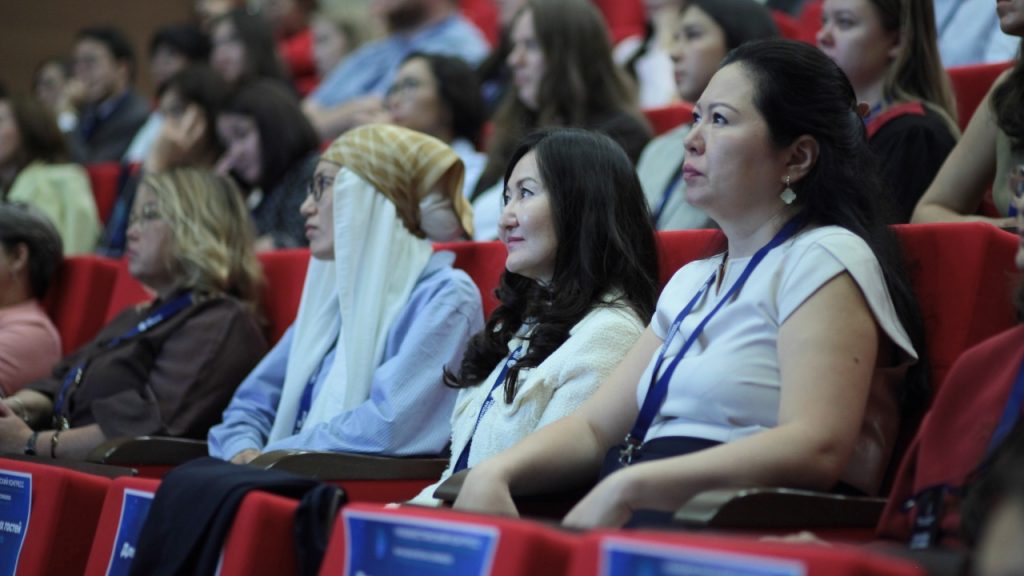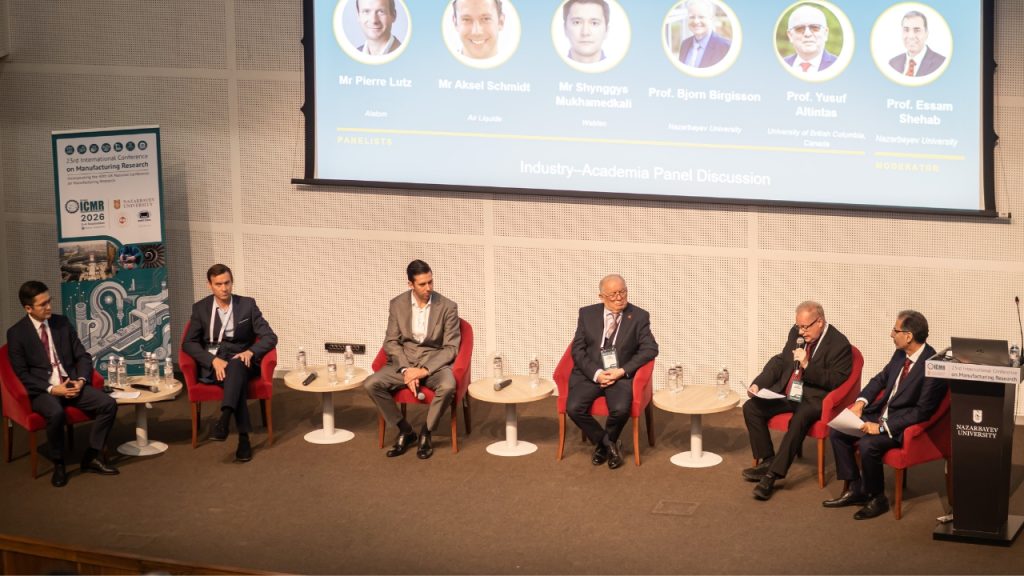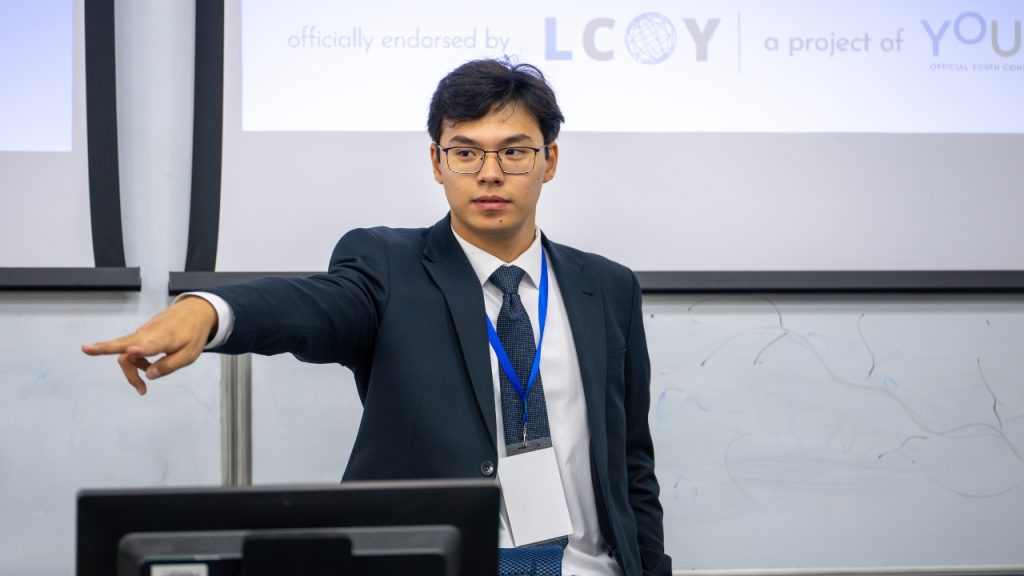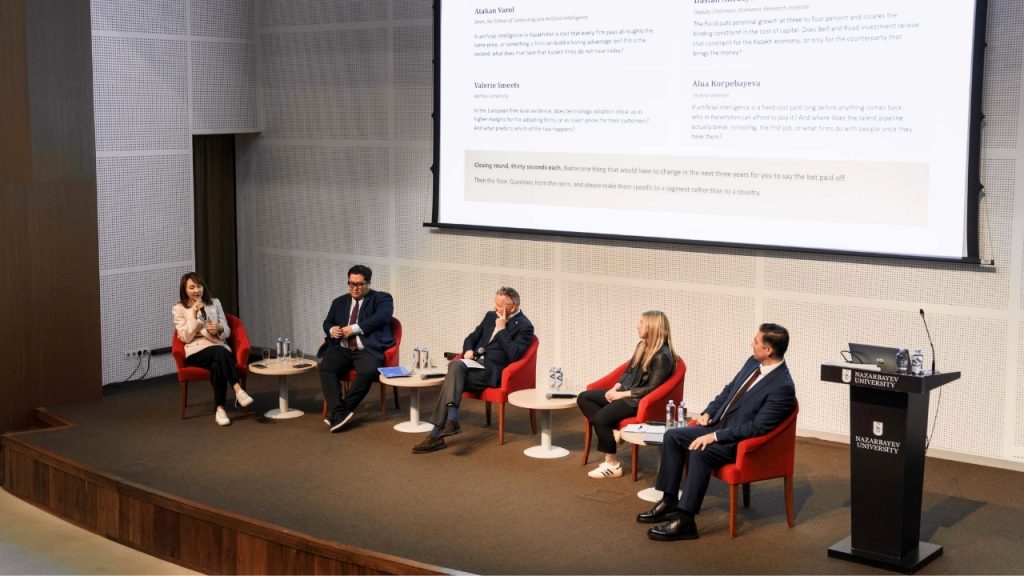
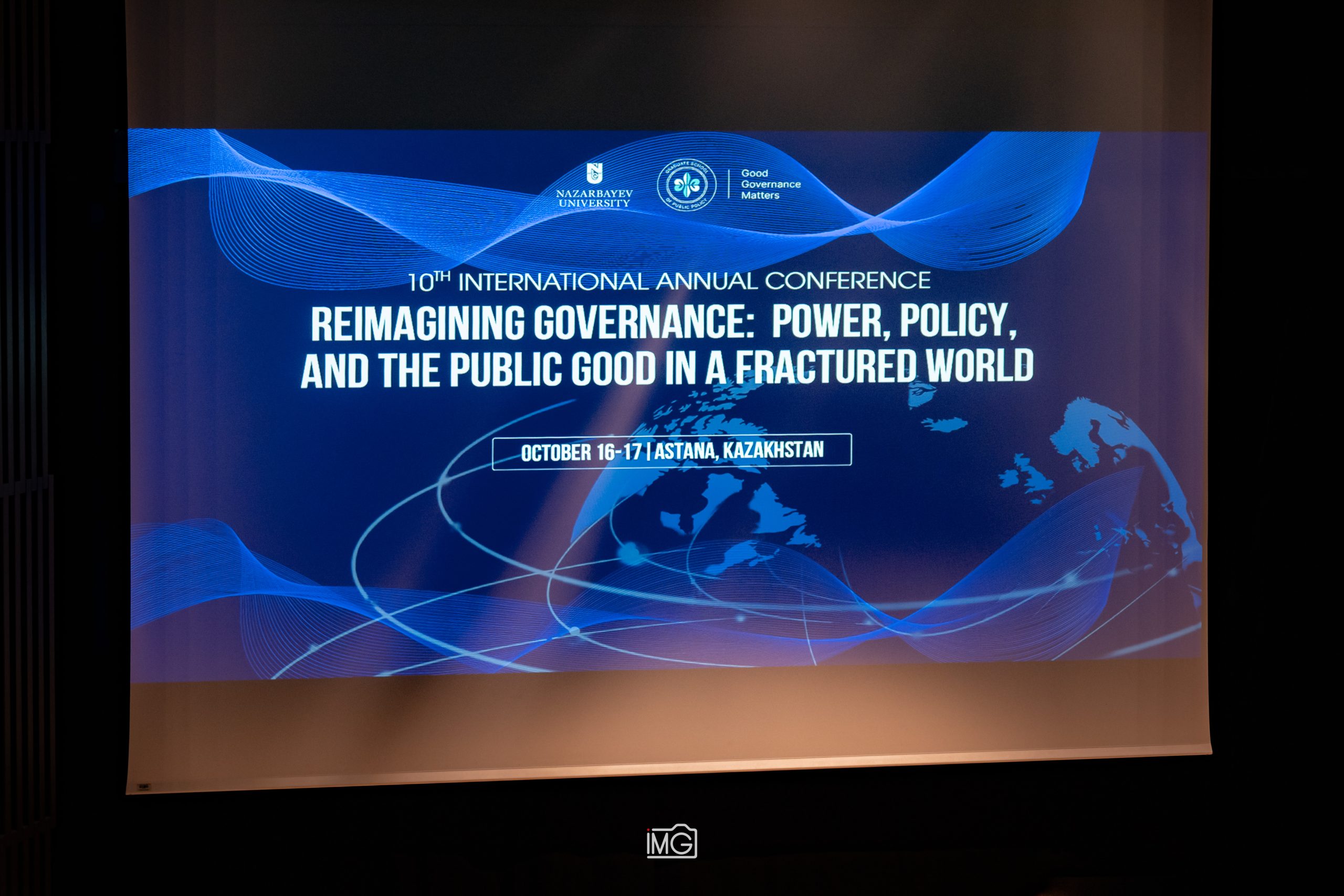
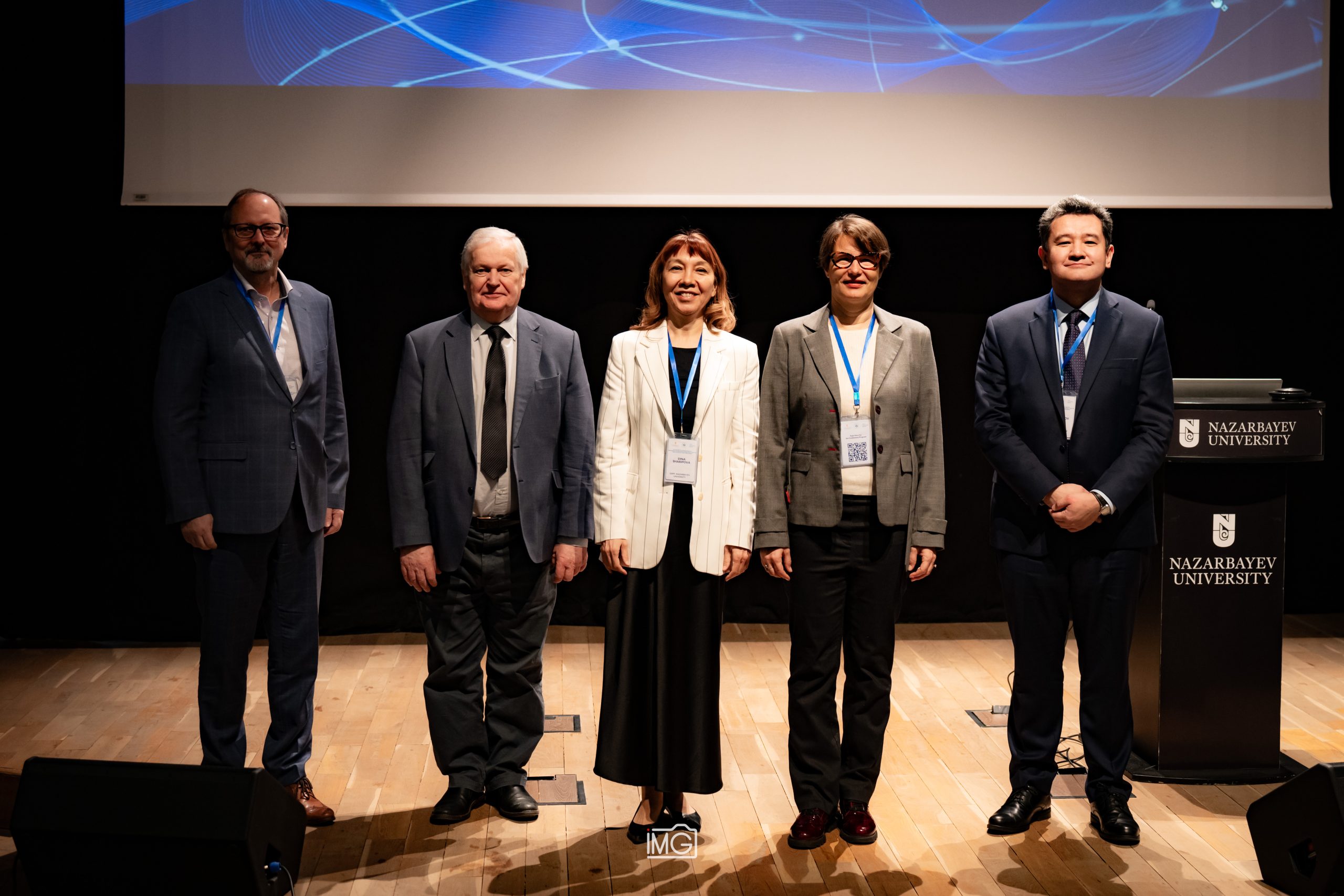
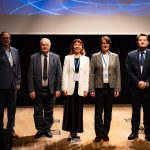
On October 16–17, Nazarbayev University’s Graduate School of Public Policy (GSPP) held its 10th international conference, Reimagining Governance: Power, Policy, and the Public Good in a Fractured World. Scholars, government representatives, researchers and students discussed how political power, professional expertise and public trust shape government decision-making amid geopolitical tensions and rapid technological change.
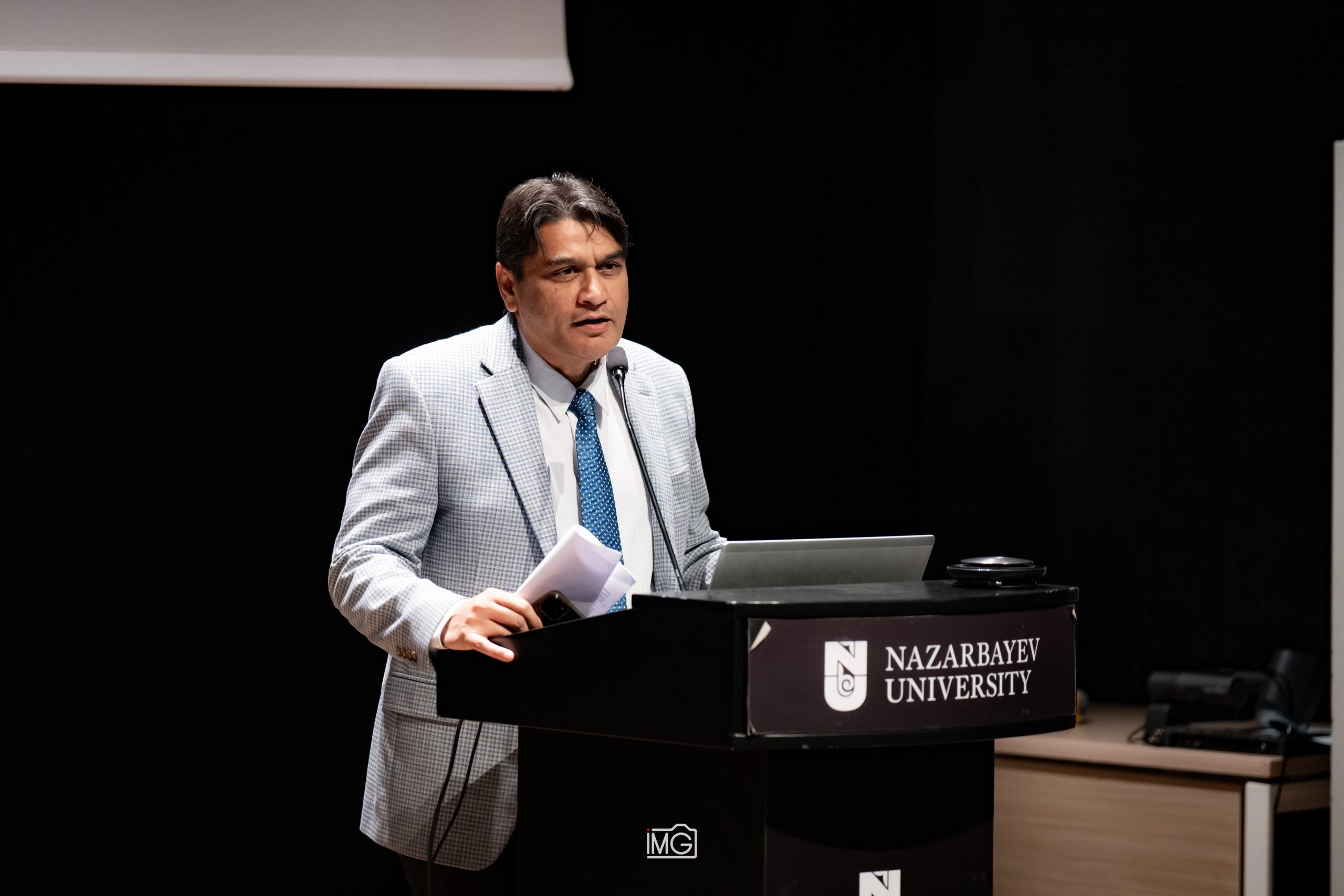
Opening the conference, NU Provost Rehan Sadiq highlighted the importance of international academic exchange and open dialogue at a time of growing competition for resources, trade tensions and rising populist movements. He noted that universities provide a space to examine complex public issues, exchange perspectives and seek common ground.
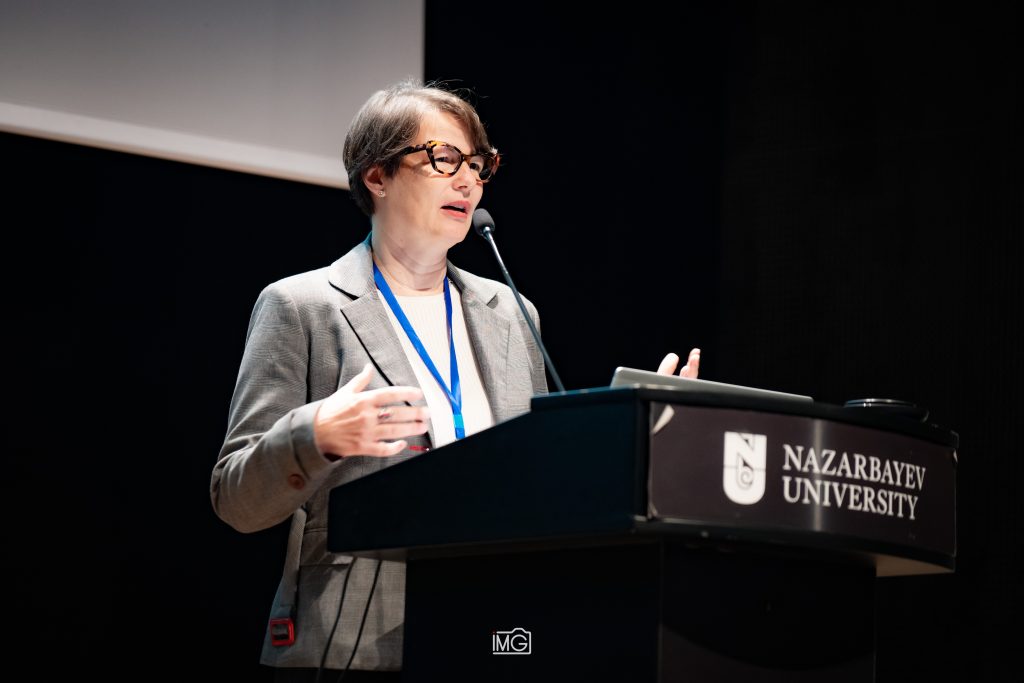
The keynote address was delivered by Katarína Staroňová, Associate Professor of Public Policy and Administration at Comenius University. She examined how political leaders, civil servants and advisers influence the development and implementation of public policy. Their interactions, she argued, play a significant role in determining which interests and priorities are reflected in government decisions.
Staroňová also highlighted the need to balance political leadership with the professional independence of civil servants. When political loyalty takes precedence over professional competence, or frequent staff changes disrupt public institutions, the quality of governance may suffer and institutional knowledge can be lost. Civil servants, she noted, have responsibilities not only to political leaders but also to the public and their professional communities.
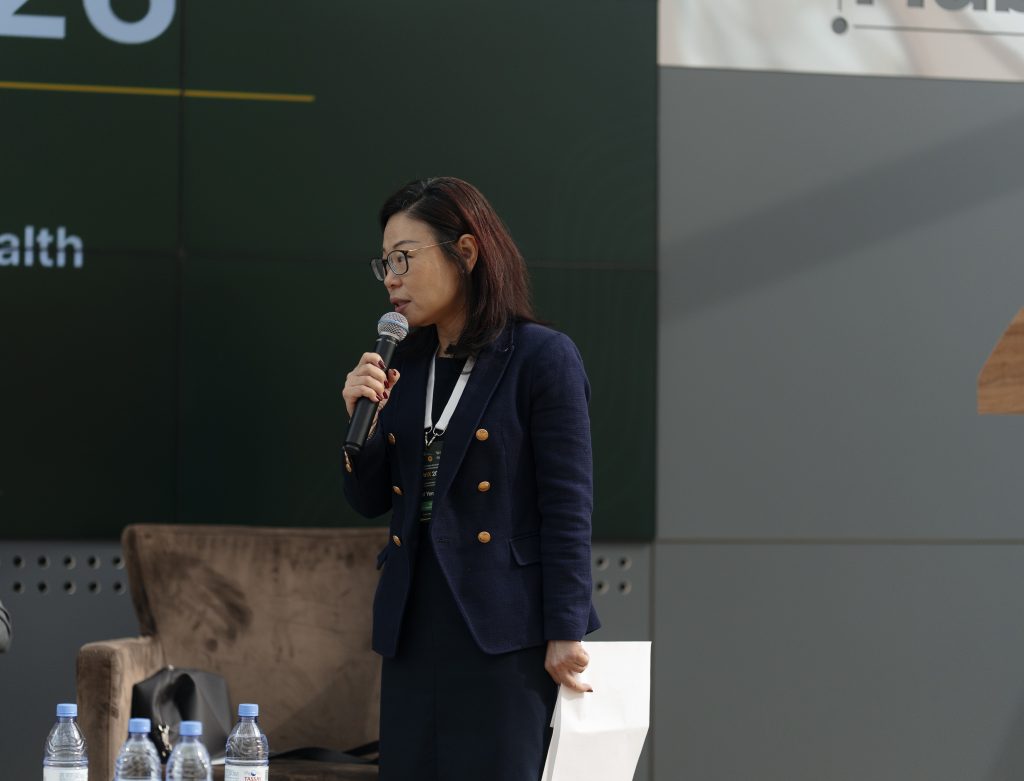
During the panel session “Trust, Legitimacy and Political Institutions,” researchers explored why citizens trust or distrust government institutions and how political polarisation shapes public perceptions of those in power. Aibek Omirzak, a student at Karaganda Buketov University, presented research on the relationship between political polarisation and trust in government institutions across different political systems.
The conference programme also covered international relations, human capital, environmental policy, digital public services, institutional reform and technological development. Participants presented their research and exchanged perspectives on addressing contemporary challenges in public governance.
The anniversary conference brought together academics and practitioners to discuss pressing issues in public policy. Over the past decade, GSPP’s international conference has become a forum for professional dialogue, enabling participants to share research, experience and approaches to public administration.