International conference at Nazarbayev University examines how artificial intelligence, digital tools and open-access data are transforming archaeological research – and raising new questions about cultural heritage protection.
How can artificial intelligence help document the past without compromising cultural identity? Who should have access to digital records of archaeological sites, and what happens when publicly available data makes vulnerable heritage locations easier to target?
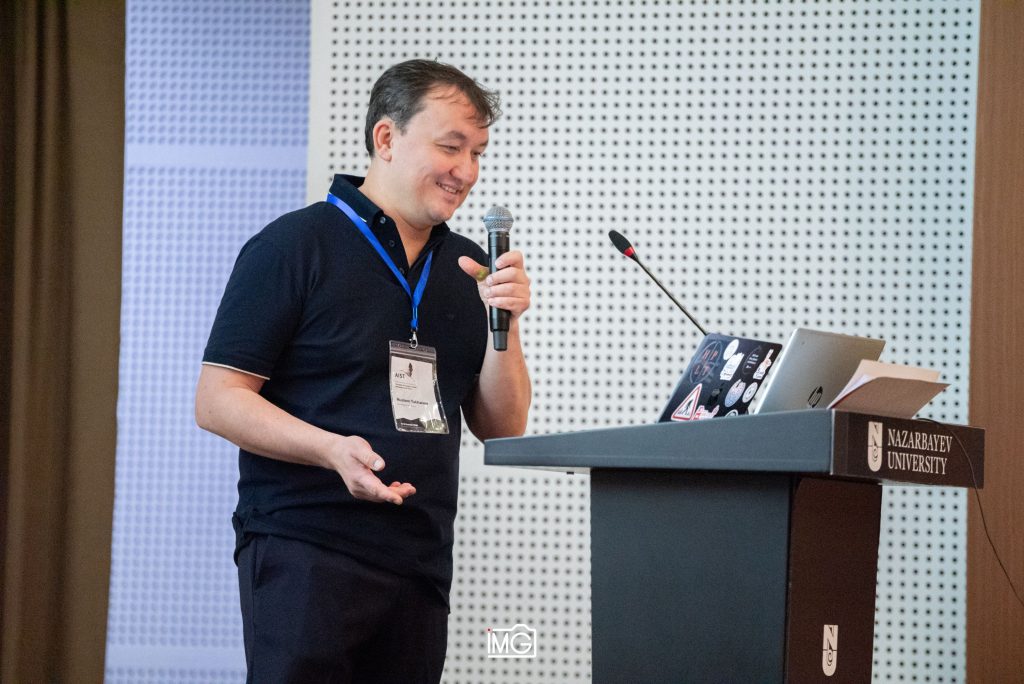
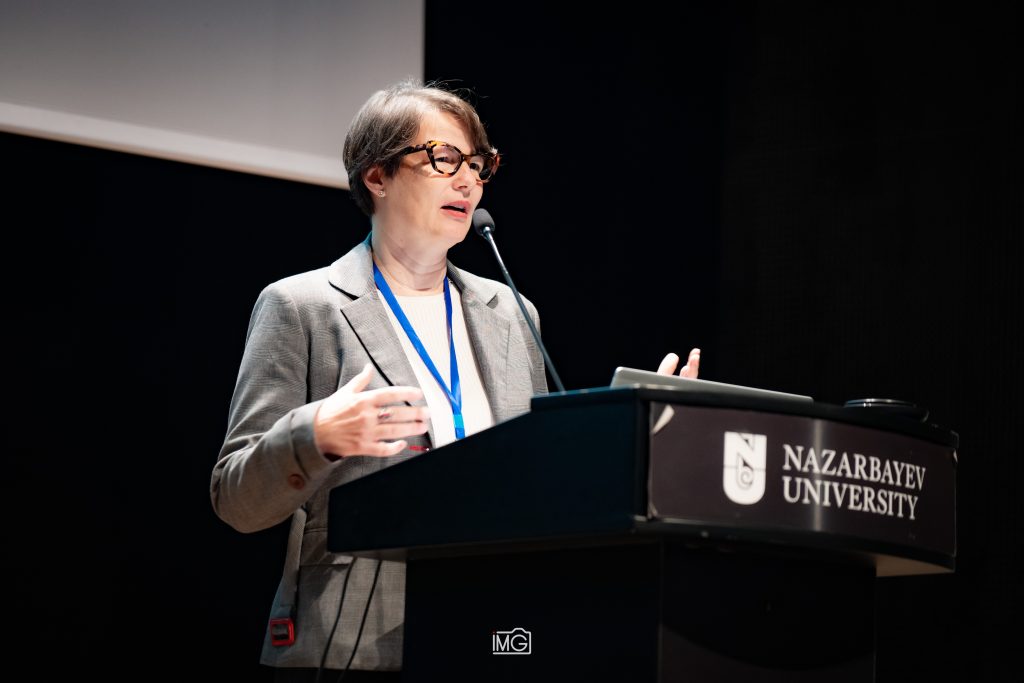
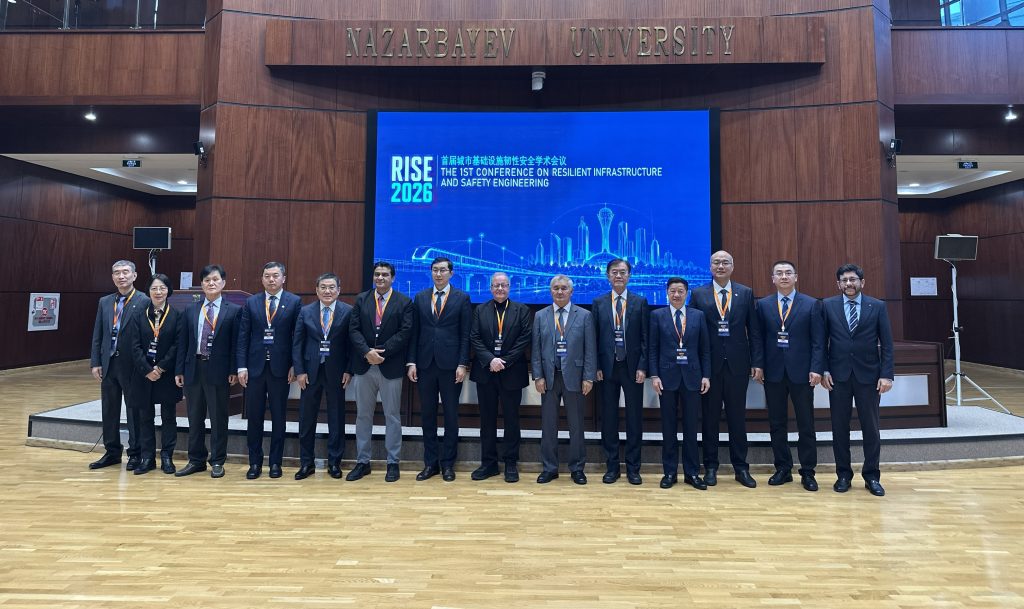
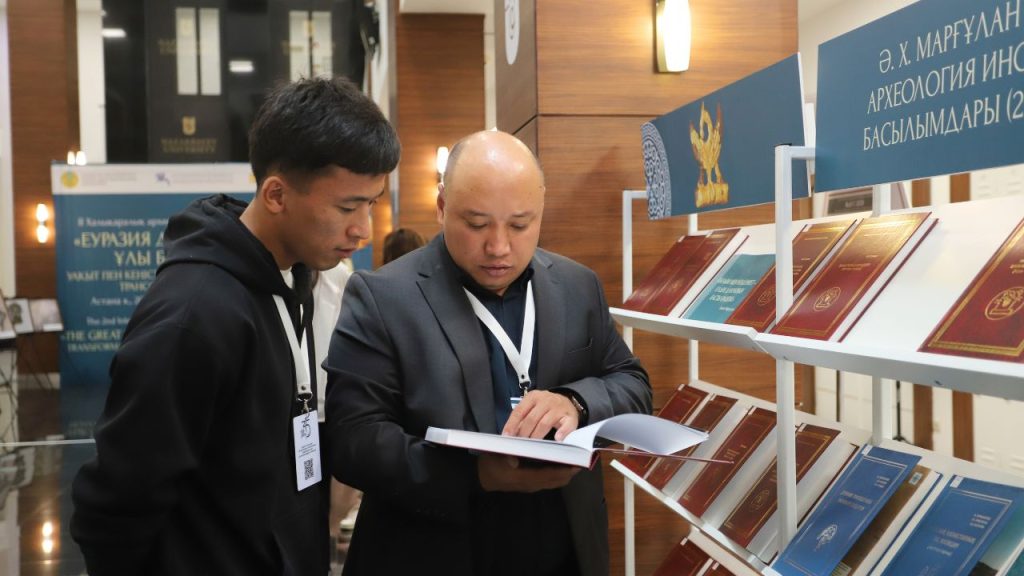
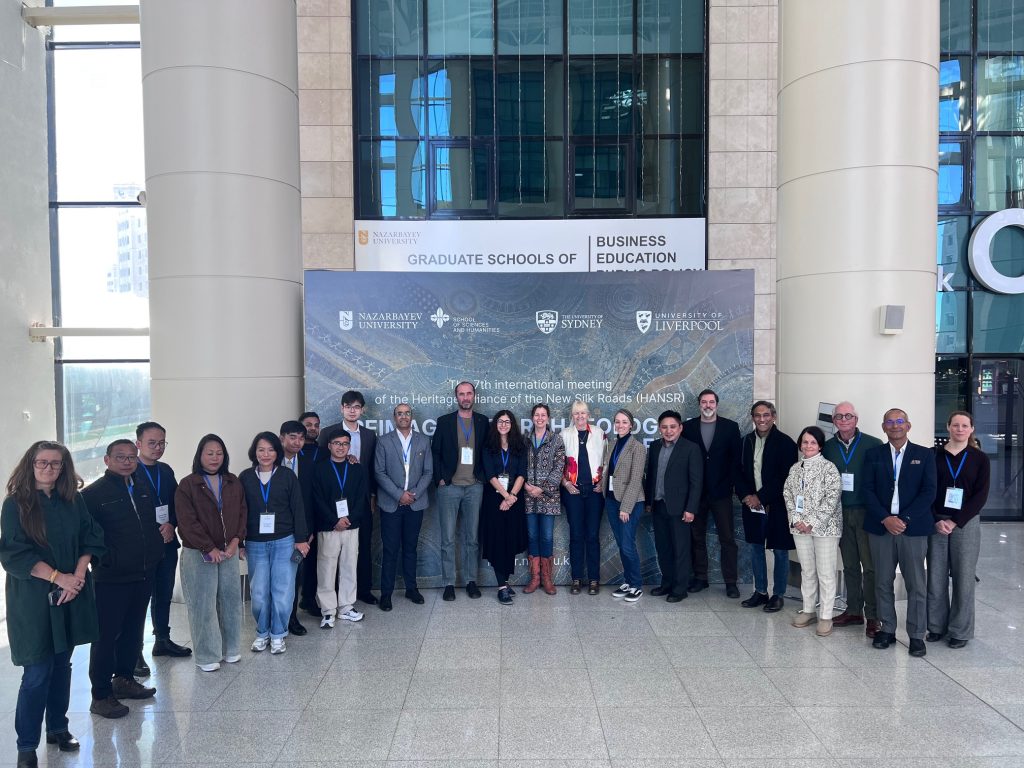
These questions were at the centre of the international conference “Reimagining Archaeological Heritage and the Digital Future”, hosted by NU on 22–24 October 2026. Bringing together researchers and heritage professionals from across the world, the conference explored how emerging technologies are changing archaeological practice and what safeguards are needed to ensure their responsible use.
One of the key discussions focused on the ethical implications of applying artificial intelligence to cultural heritage. Participants highlighted the risks of digital appropriation and emphasised the importance of protecting cultural patrimony, copyright and the rights of communities whose histories and heritage are being documented. As automated systems become increasingly common in research, technological progress must go hand in hand with ethical responsibility.
The conference also addressed the growing gap between technological capabilities and professional expertise. Advanced methods, including geomagnetic surveys and other digital approaches, are expanding the possibilities for archaeological investigation. However, participants stressed that specialists need appropriate training to interpret and apply these tools effectively. Technology can process vast amounts of information, but it cannot replace the expertise of archaeologists working in the field. Physical investigation, on-site validation and human interpretation remain essential to reliable research.
Another important area of discussion was the digitisation of archaeological collections and the development of centralised databases. Open-access platforms and digital publishing can make research more inclusive, connect previously fragmented datasets and help researchers understand monuments within their wider historical and geographical landscapes.
However, greater access also brings new security challenges. Participants warned that publishing precise geographical coordinates and spatial information about archaeological sites could expose them to looting and damage. This concern is particularly relevant to Central Asia, where protecting vulnerable archaeological landscapes remains an important issue.
Beyond research, delegates discussed how digital technologies could help archaeology reach wider audiences at a time when universities and research institutions are facing budget constraints. By using accessible digital formats to communicate discoveries, researchers can demonstrate the relevance of archaeology to contemporary society, including how past civilisations responded to environmental, social and other existential challenges.
The discussions concluded with a broader call for more equitable access to digital infrastructure, technological resources and professional training across countries and communities. Ensuring that the digital transformation of archaeology benefits the wider research community, rather than deepening existing inequalities, was identified as a shared priority.
The conference brought together representatives of the Margulan Institute of Archaeology of the Republic of Kazakhstan, the University of Chicago, UNESCO Almaty, Al-Farabi Kazakh National University, the University of Sydney, the University of Liverpool, the University of Cambridge, Washington University in St. Louis and the Georgian National Museum in Tbilisi. Participants represented Kazakhstan, Georgia, Uzbekistan, India, Bhutan, the United Arab Emirates, the United States, Australia and the United Kingdom.
About HANSR
The Heritage Alliance of the New Silk Road (HANSR) was established in September 2018 by scholars from the University of Liverpool, Nazarbayev University in Kazakhstan, the State University of New York at Buffalo, Xi’an Jiaotong University and the Hong Kong Polytechnic University. The alliance explores opportunities for social, historical, archaeological and economic research related to the preservation of cultural heritage along the New Silk Road.
Through international conferences, roundtables, publications and scholarly discussions, HANSR promotes research into both tangible and intangible heritage, with a particular focus on sustainable and ethical approaches to heritage preservation.