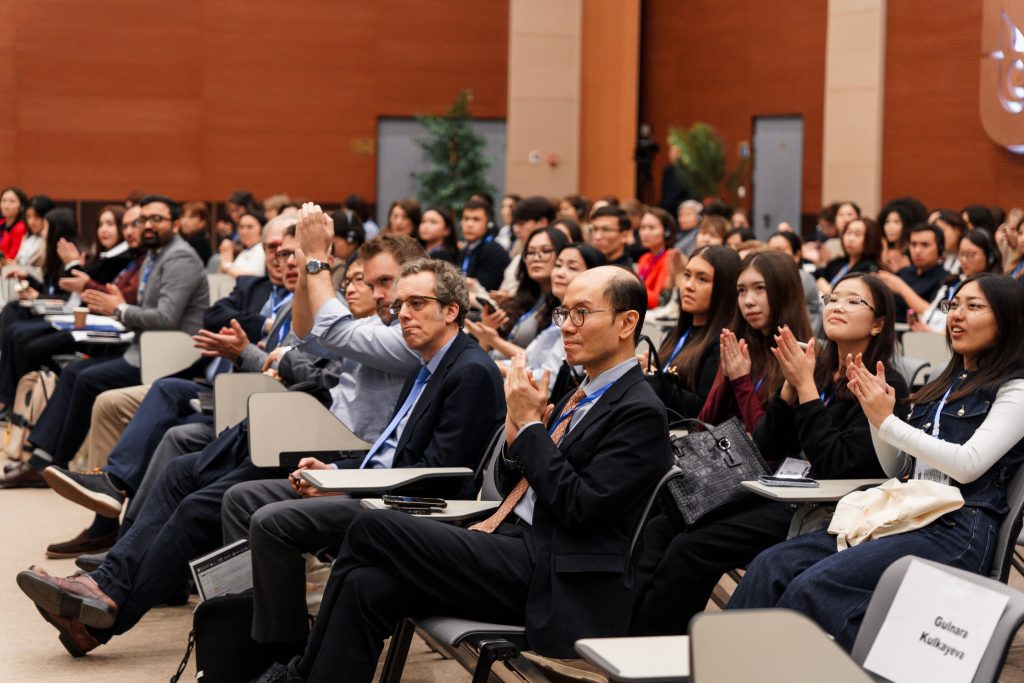
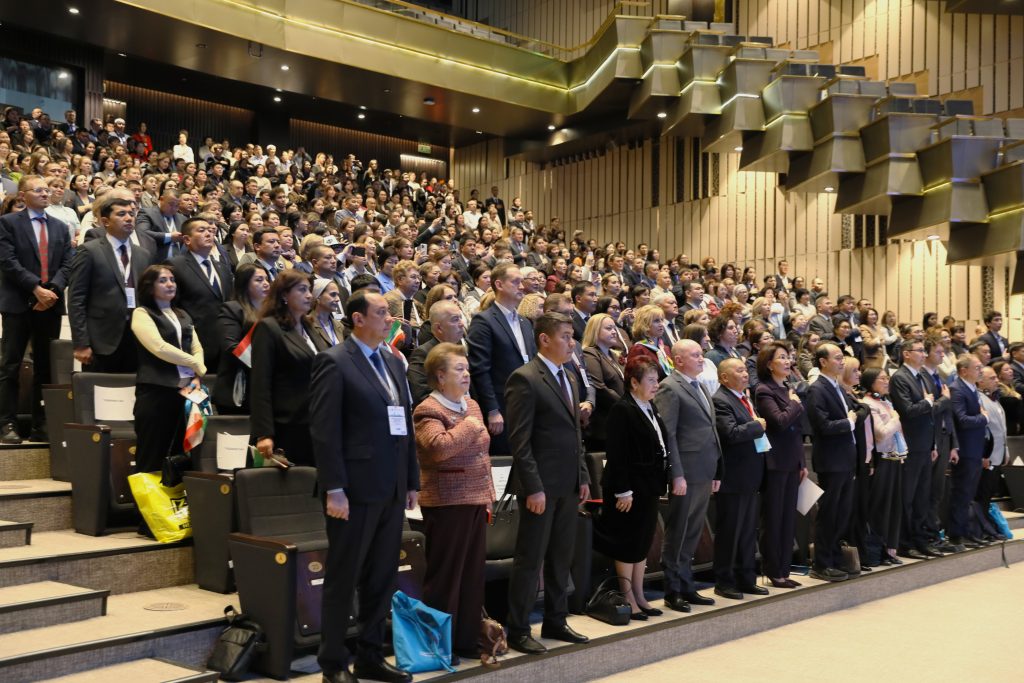
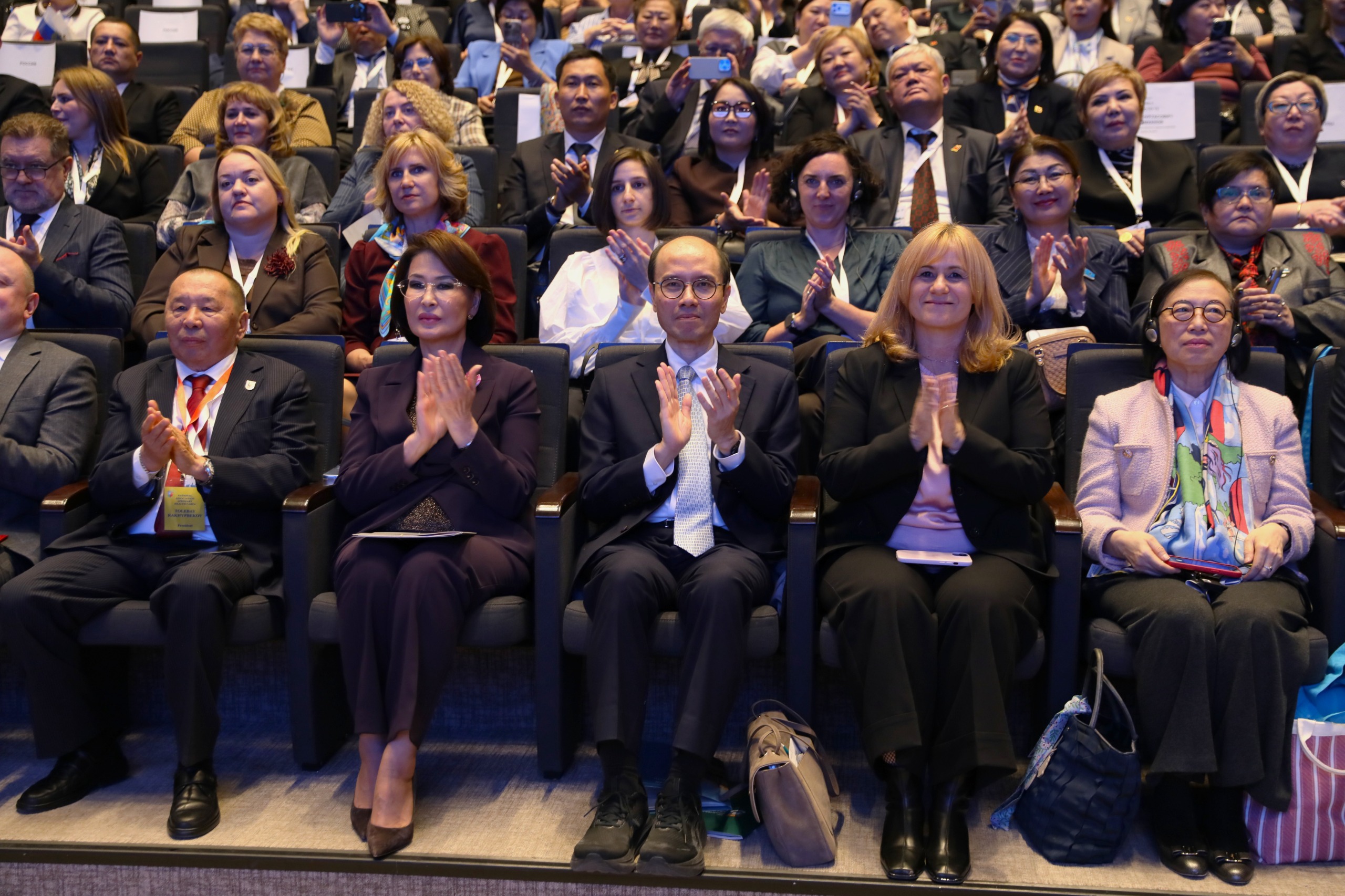
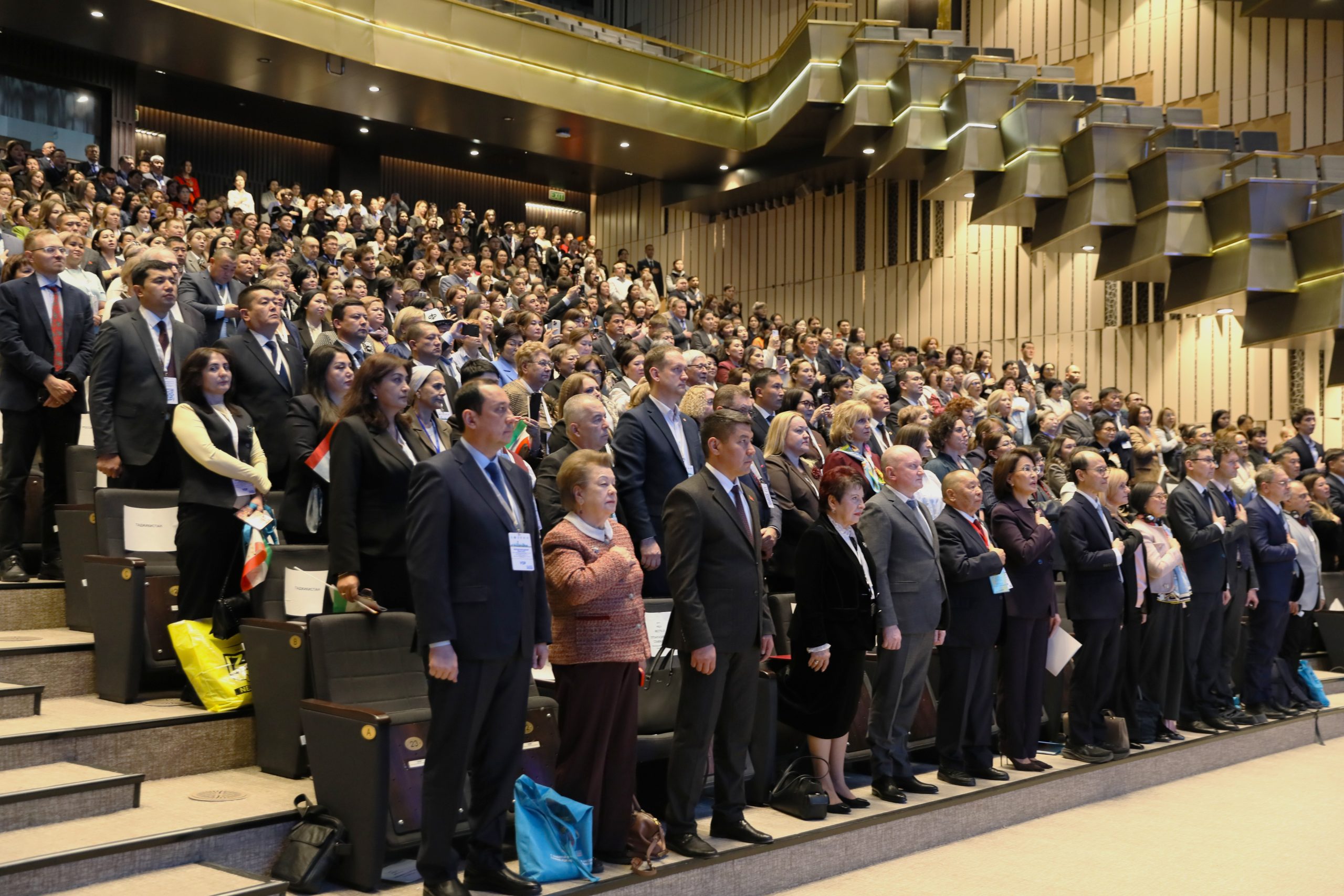
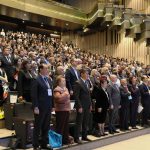

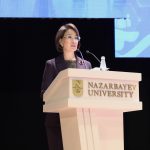


Kazakhstan, the birthplace of both the Alma-Ata and Astana Declarations on primary health care, continues to contribute to shaping the global healthcare agenda. On 12–13 November, Nazarbayev University will bring together around 1,000 representatives of the medical community, government bodies and international organisations to discuss how to improve access to and the effectiveness of primary care, advance family medicine and introduce digital technologies.
Adopted in 1978, the Alma-Ata Declaration established the principles of accessibility and equity in healthcare, recognising primary health care (PHC) as the foundation for achieving the goal of “Health for All”. These commitments were reaffirmed in the Astana Declaration in 2018. As the 50th anniversary of the Alma-Ata Declaration approaches in 2028, strengthening primary care remains an important part of Kazakhstan’s ongoing healthcare reforms.
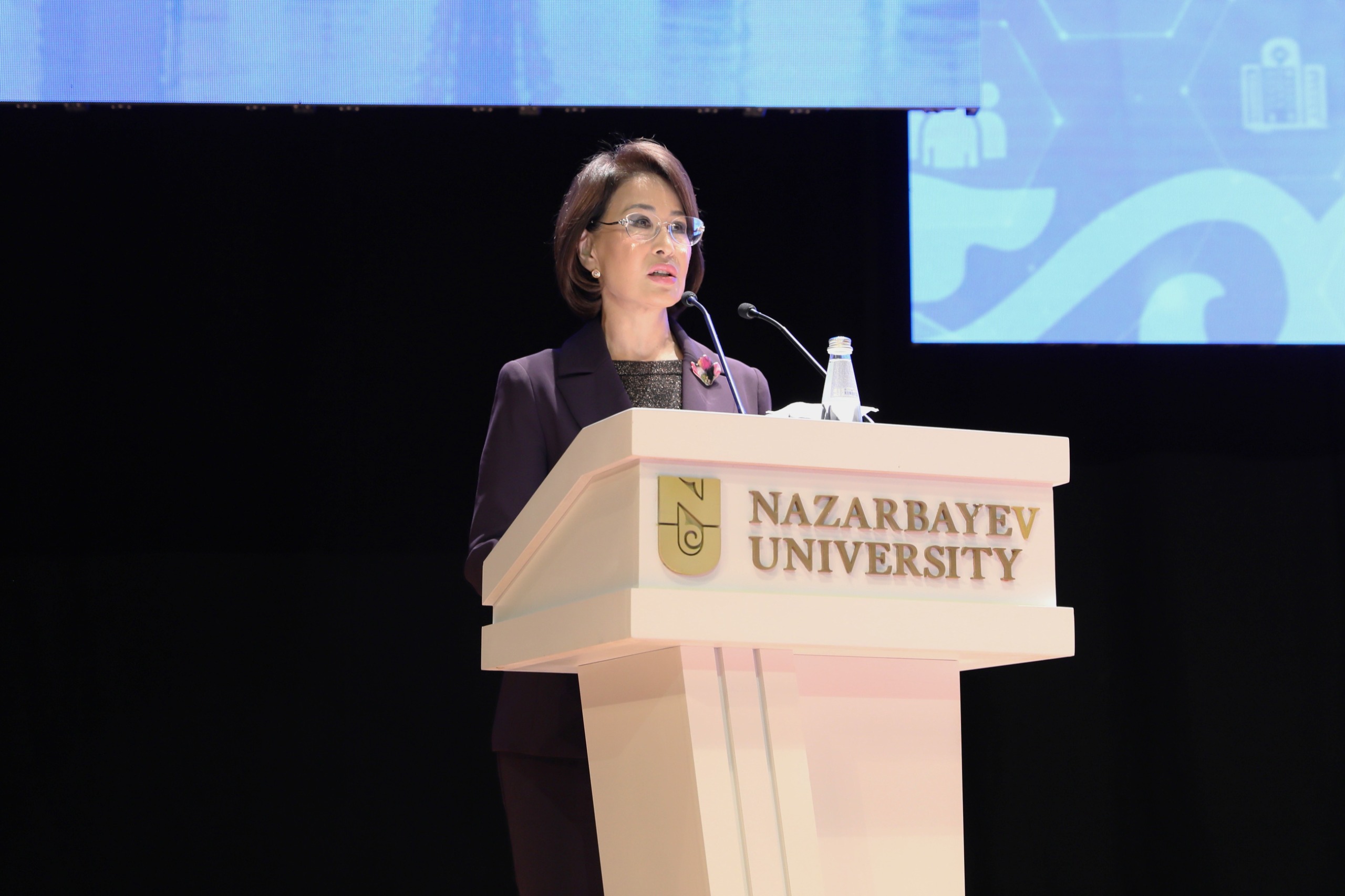
“Developing primary health care is particularly important for Kazakhstan. The Alma-Ata Declaration, whose 50th anniversary we will mark in 2028, was adopted here in our country. The principles of accessibility and equity set out in the declaration and reaffirmed in the Astana Declaration continue to guide our efforts to strengthen primary care,” said Akmaral Alnazarova, Minister of Healthcare of the Republic of Kazakhstan.
At the end of 2025, life expectancy in Kazakhstan reached 75.97 years, the highest level in the country’s history as an independent state. In 1991, it stood at 67.6 years. Infant mortality has decreased more than 4.5-fold, maternal mortality sixfold, and tuberculosis mortality tenfold. Kazakhstan also became the first country in Central Asia to achieve the target of reducing premature mortality from non-communicable diseases by 25%, joining nine countries in the WHO European Region that have met this goal.
Today, healthcare systems face a new set of challenges: the growing burden of chronic diseases, ageing populations, shortages of healthcare professionals and unequal access to medical services. The effectiveness of primary care increasingly depends on teamwork, prevention, early detection of diseases, and coordination between healthcare and social services.
“Both declarations remain relevant today as we work towards healthcare that is accessible, equitable and people-centred. Effective primary care depends on well-trained family physicians, nurses, social workers, psychologists and other professionals working together, with patients and local communities as partners. This requires quality education, reliable evidence and sustained support for the healthcare workforce,” said Professor Huck Hui Ng, Vice-President of Nazarbayev University and Dean of its School of Medicine.
The congress programme will address the development of multidisciplinary teams led by family physicians, the integration of healthcare and social services, community involvement in assessing the quality of care, and the development of PHC centres of best practice in Kazakhstan. Dedicated sessions will explore the digital transformation of healthcare and the use of artificial intelligence in primary care, the training of healthcare professionals, and access to outpatient medicines.
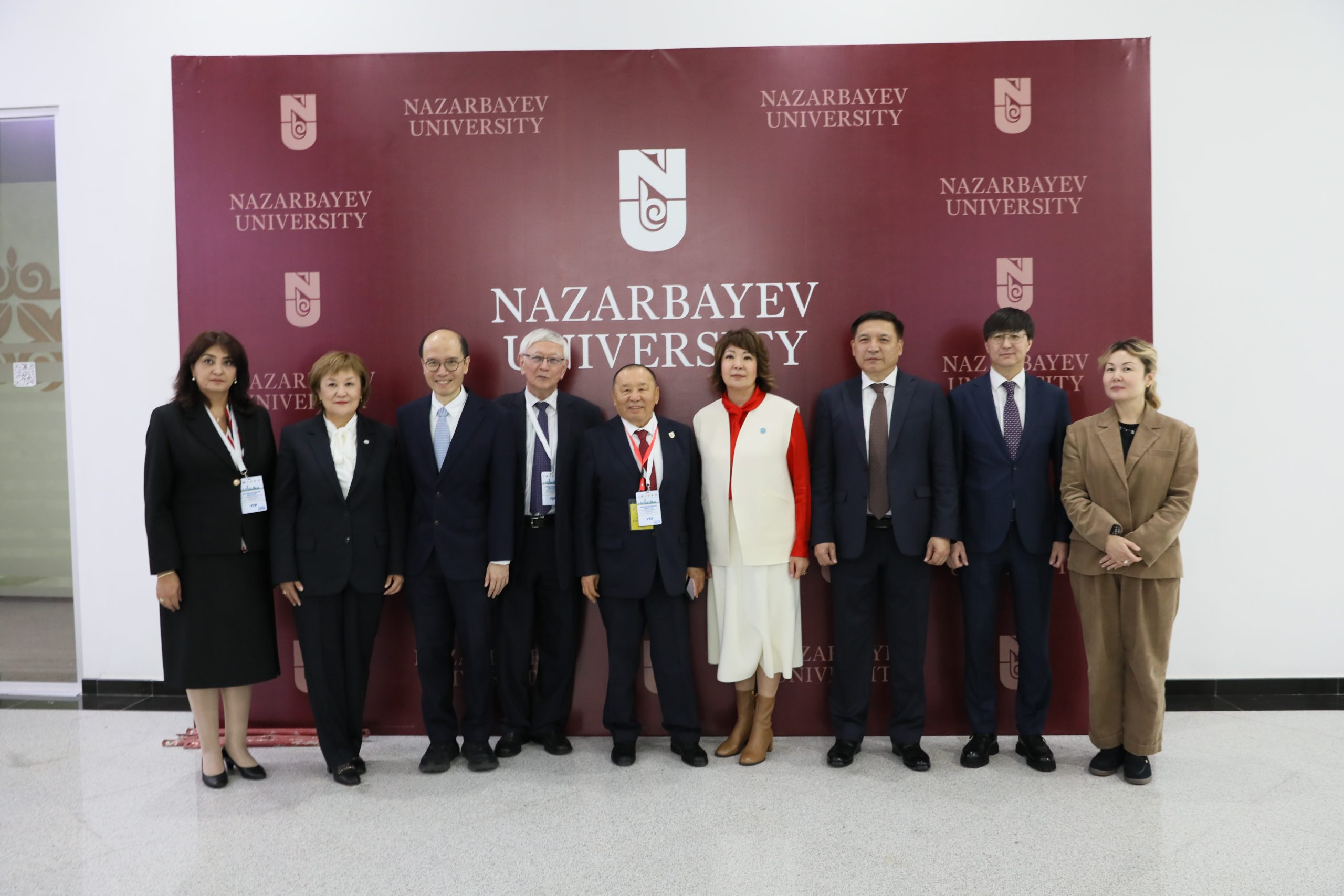
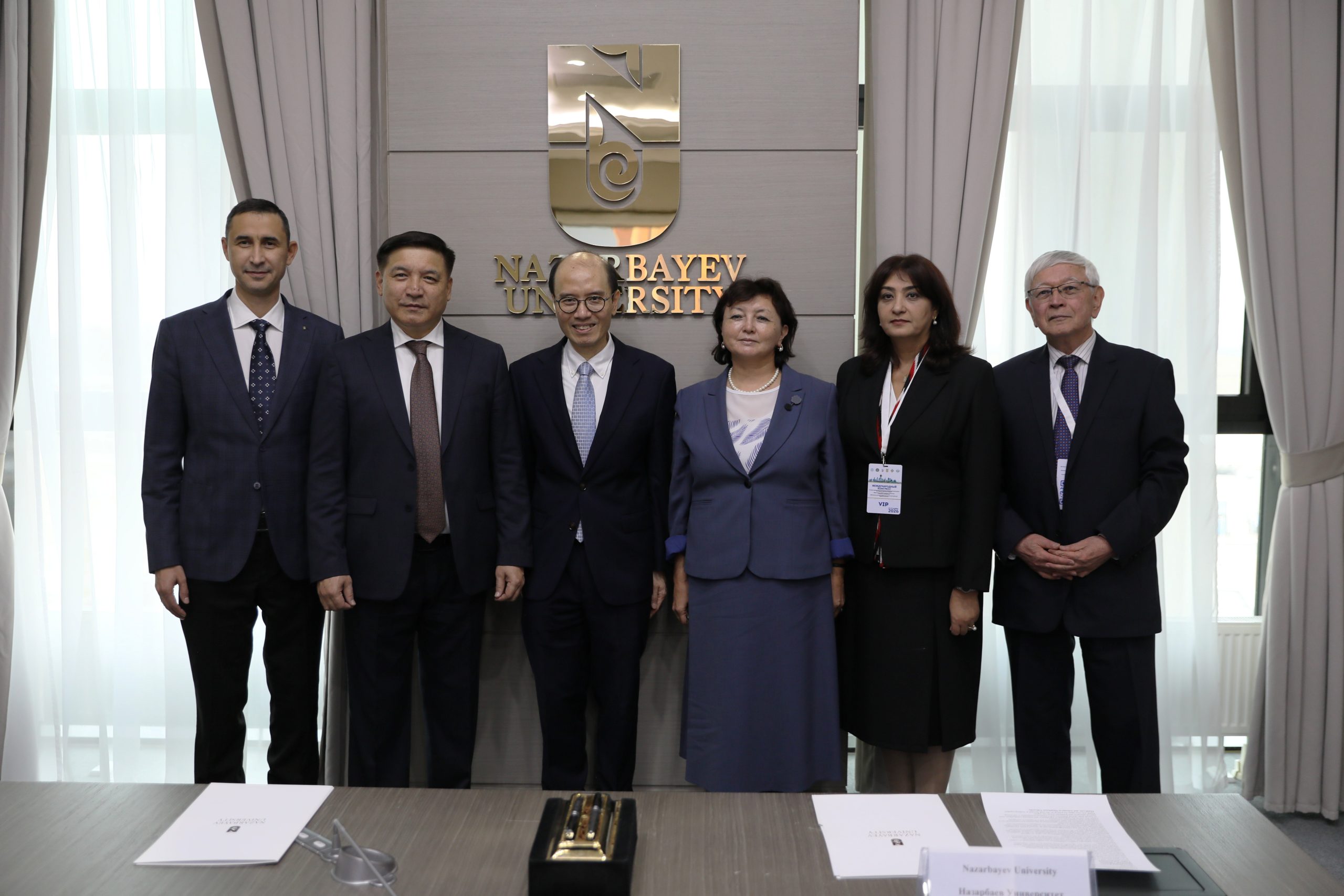
NU signed Memoranda of Understanding with seven medical universities and academic institutions in Kazakhstan and Central Asia during the congress. The agreements aim to strengthen regional cooperation in healthcare education, build academic capacity, promote joint research and advance innovative approaches to primary health care.
The congress is expected to bring together around 1,000 participants, including representatives of the Ministry of Healthcare of the Republic of Kazakhstan, the Astana City Public Health Department, the World Health Organization (WHO) Country Office in Kazakhstan, the WHO European Centre for Primary Health Care and the World Organization of Family Doctors (WONCA), as well as international experts from CIS and European countries.
The event is aimed at healthcare policy makers, leaders and staff of primary healthcare organisations, family physicians, nurses, social workers, psychologists, specialists in medical statistics, health economics and management, IT professionals, faculty members and students of medical universities and colleges, representatives of non-governmental organisations and international partners.
The congress is organised by the Ministry of Healthcare of the Republic of Kazakhstan, the Astana City Public Health Department, Nazarbayev University, the National Association “Primary Health Care” (Kazakhstan), University Medical Center and the Republican Centre for Primary Health Care of the Ministry of Healthcare of the Republic of Kazakhstan.