





At Nazarbayev University, educators and higher education leaders explored how universities can use artificial intelligence while helping students think independently and giving faculty the support they need to improve their teaching.
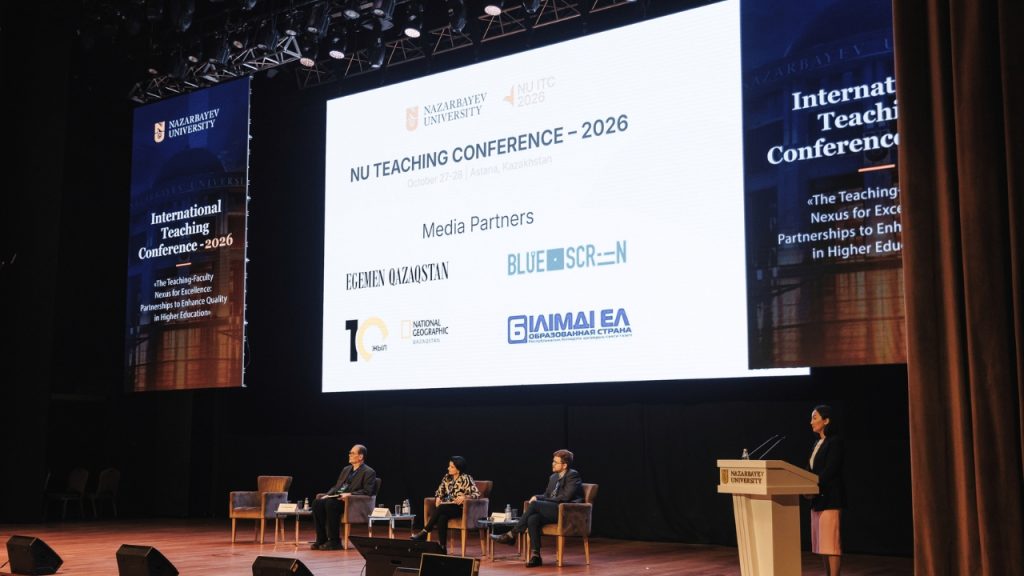
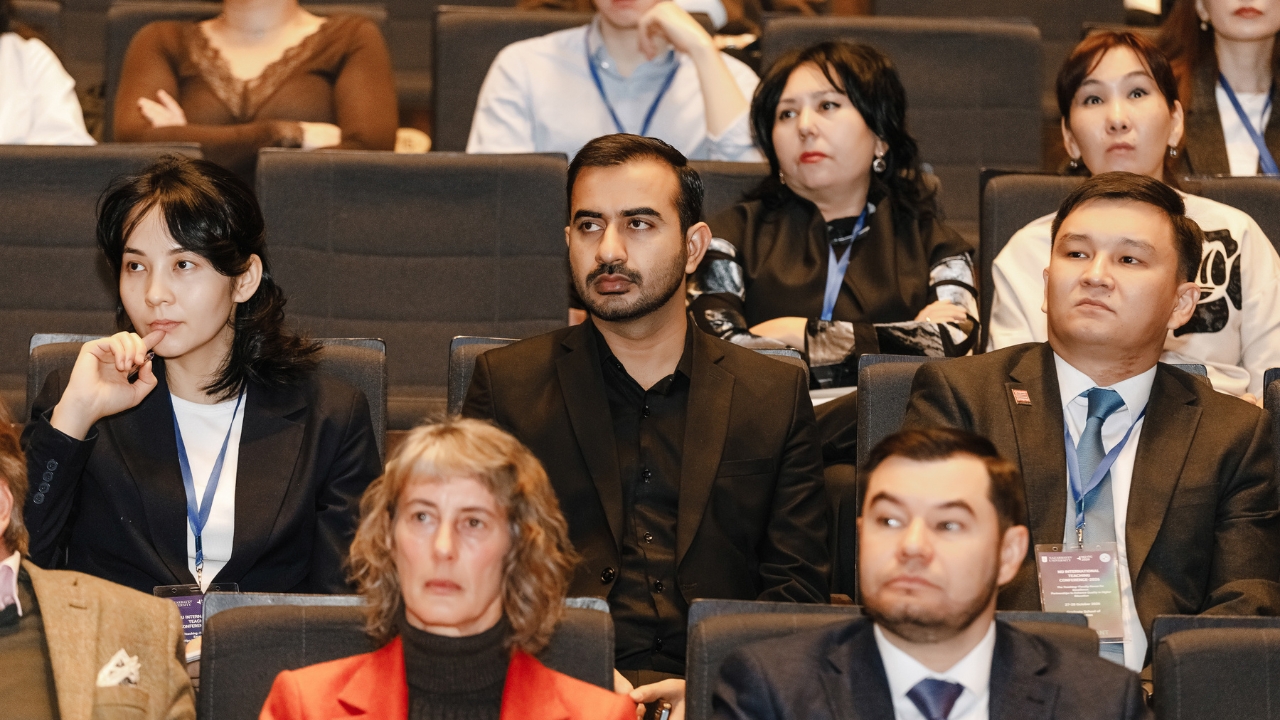
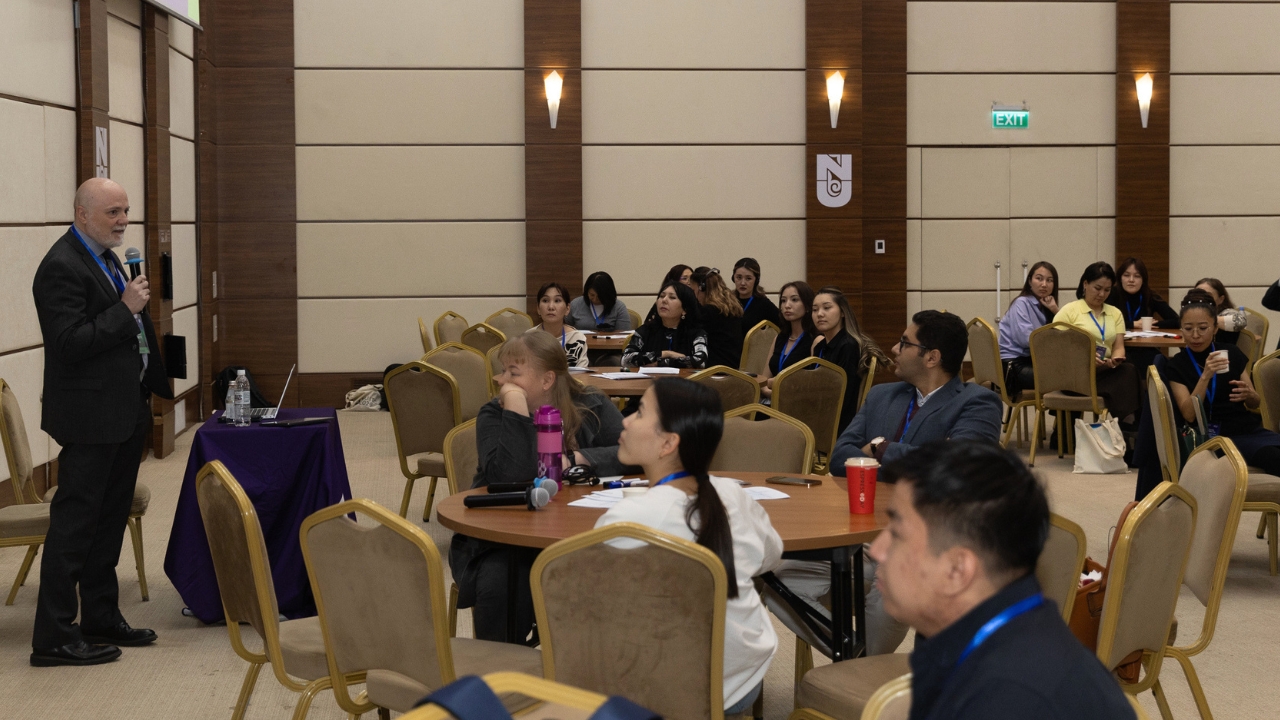
How can universities help students become independent thinkers while giving faculty the time and resources to improve their teaching? These questions were at the heart of the international NU Teaching Conference 2026, held at Nazarbayev University. The event brought together around 200 participants from Kazakhstan and other countries, including Kyrgyzstan, Uzbekistan, the United Kingdom, the United States, India, the Philippines, Pakistan, the United Arab Emirates, Mexico, and Türkiye.
Organized by NU Graduate School of Education in collaboration with the UK-based organizations Advance HE and the Quality Assurance Agency for Higher Education (QAA), as well as NU schools and academic units, the conference explored how universities can strengthen teaching amid advances in AI, support faculty development, and improve educational quality.
University faculty are expected to conduct research, secure grants, publish scholarly work, and contribute to institutional development. Yet effective teaching also requires time to design courses, understand students’ needs, reflect on classroom experiences, and exchange ideas with colleagues. How universities can create the conditions for this work was a recurring theme.
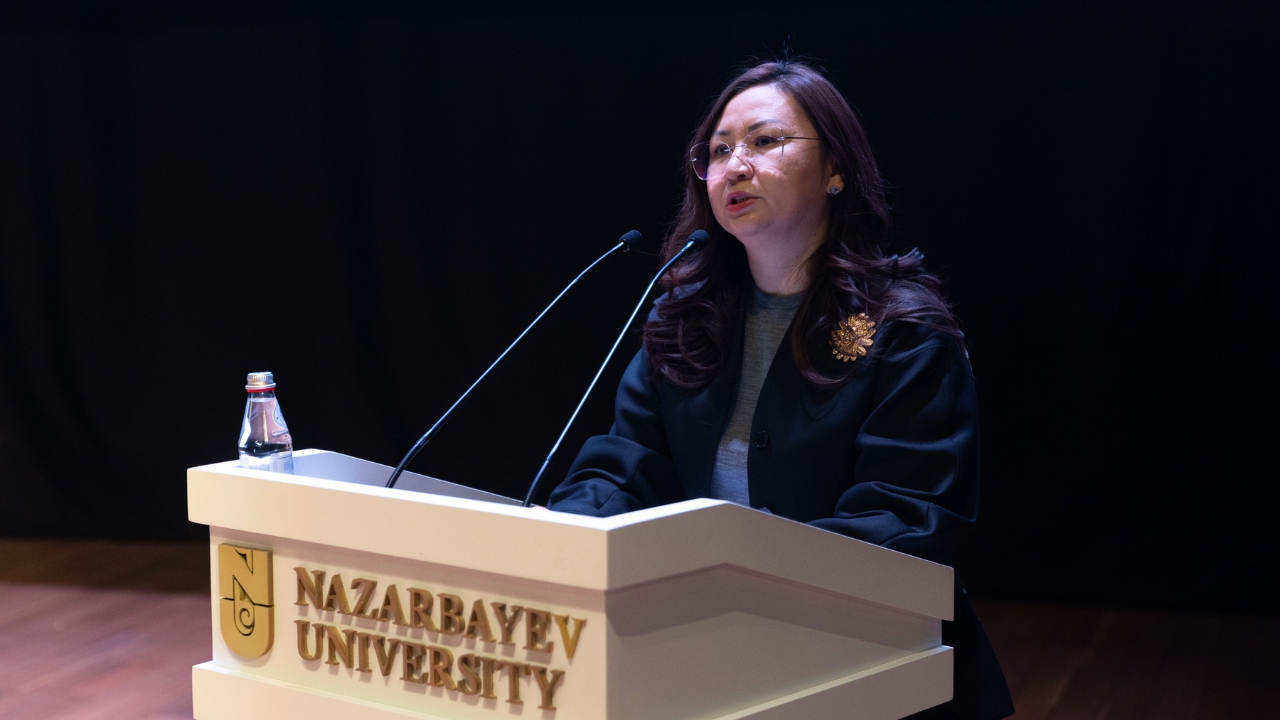
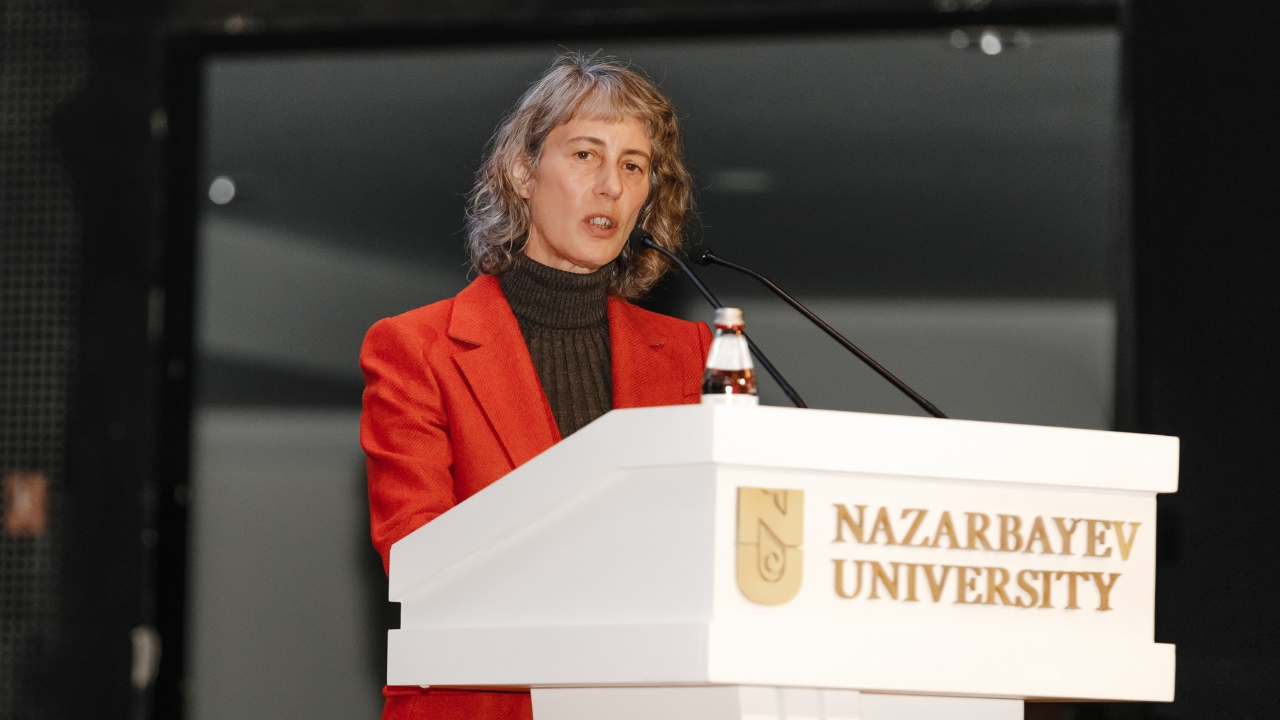
Professor Aida Sagintayeva, dean of NU Graduate School of Education and vice provost for academic planning and budget, argued that education should not be reduced to rankings, accreditation, or other measures of institutional performance. While these tools help assess progress, they do not necessarily reflect students’ classroom experiences or development.
“I want our students to become independent thinkers, capable researchers, and professionals who exercise good judgment,” Sagintayeva said. “We need to balance faculty workloads so that academics can develop not only their research, but also to build a strong teaching capacity. These two areas should complement and reinforce each other.”
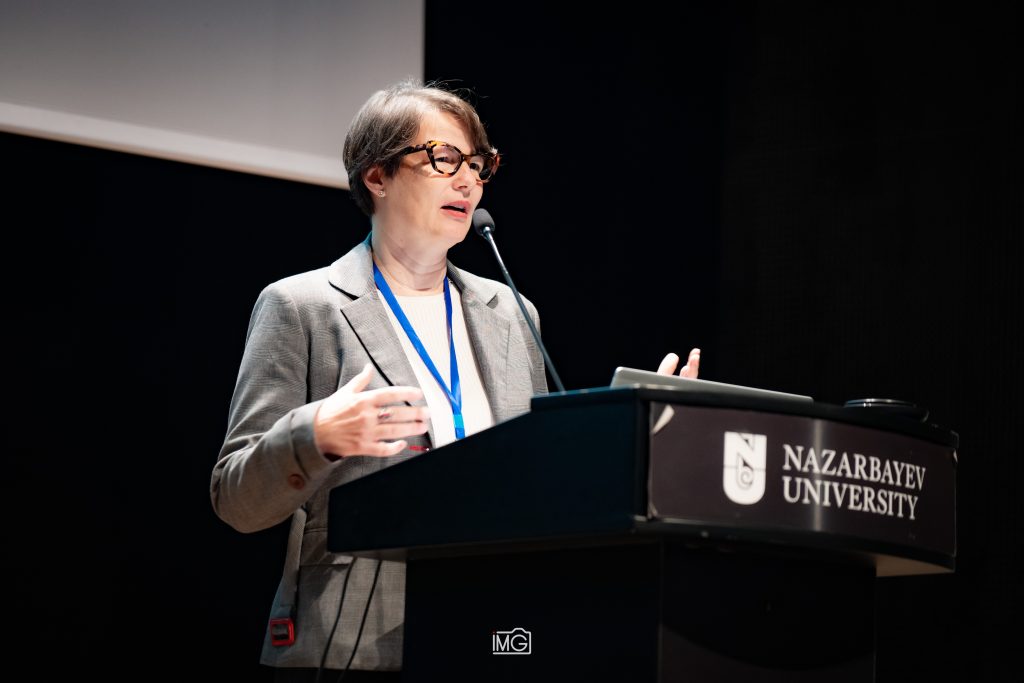
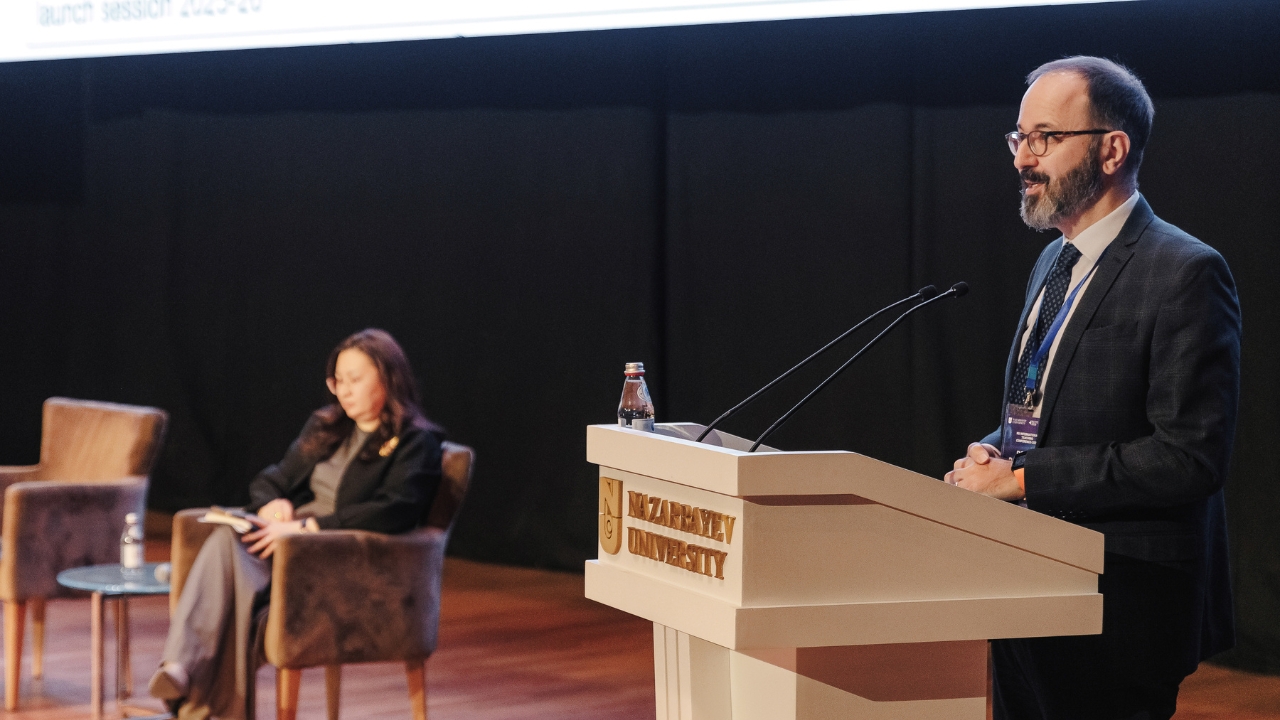
Professor Samantha Smidt, NU vice provost, identified artificial intelligence and internationalization as two forces reshaping higher education in Kazakhstan. International partnerships create new opportunities to exchange knowledge, while AI is changing both what universities teach and how they teach it.
“Artificial intelligence will change what we teach and how we teach it,” Smidt said. “Here in NU, we are engaged in national and international networks to ensure that we are learning from and sharing best practice. For example, we are working with a UNESCO International Center on AI platform in education, and we recently joined the Digital Education Council. These networks give us opportunities to exchange experience and learn from one another.”
Smidt also emphasized that quality assurance should go beyond assessments and formal requirements. Continuous quality enhancement is equally important, helping universities identify gaps and put improvements into practice.
Professor Roger Dalrymple from the University of Oxford highlighted an approach that may seem counterintuitive amid rapid technological change: slow pedagogy. It emphasizes giving students time to reflect on what they learn, examine ideas critically, and develop their own conclusions.
Generative AI can produce answers and learning materials in seconds, but that does not mean education should move at an ever-faster pace. Meaningful learning takes time to explore ideas, challenge assumptions, and develop independent perspectives.
Dr. Rob Stroud, executive director of quality assurance and enhancement at QAA, emphasized the importance of institutional support.
Drawing on the UK experience, Stroud discussed the UK Quality Code for Higher Education, which sets expectations for faculty development, staff support, and the connection between teaching and research. Supporting staff well-being is also part of a university’s responsibility.
“Quality cannot simply be inspected or accredited into a program. It is created by teachers and students working together,” Stroud said.
Sergey Kompaniets, Kazakhstan’s vice minister of education, emphasized that despite advances in AI, teachers’ core responsibilities remain unchanged: teaching, supporting students’ development, motivating them, and maintaining meaningful human connections. He also highlighted measures to support teachers’ professional development and introduce AI into education.
International collaboration helps universities improve education by bringing together experts with different experiences and perspectives. Daniel Sheratte, head of international programs at Advance HE, noted that international engagement ultimately depends on relationships between people, not simply on expanding a university’s global presence.
Over the two-day conference, participants also discussed student success, sustainable international partnerships, faculty development, and collaboration between students and educators on the use of AI in education.