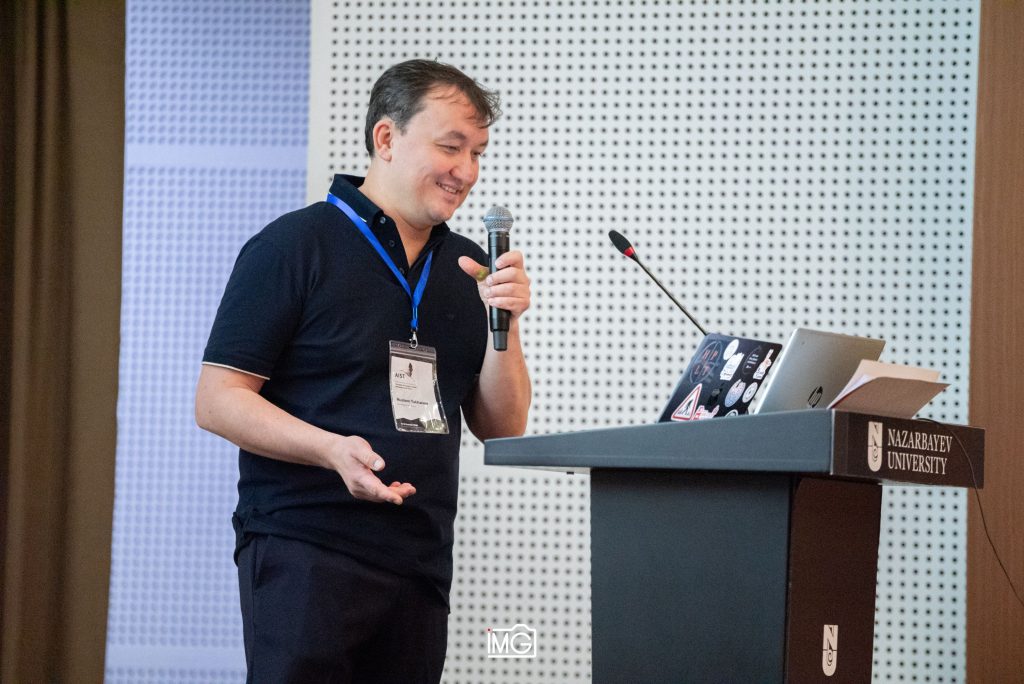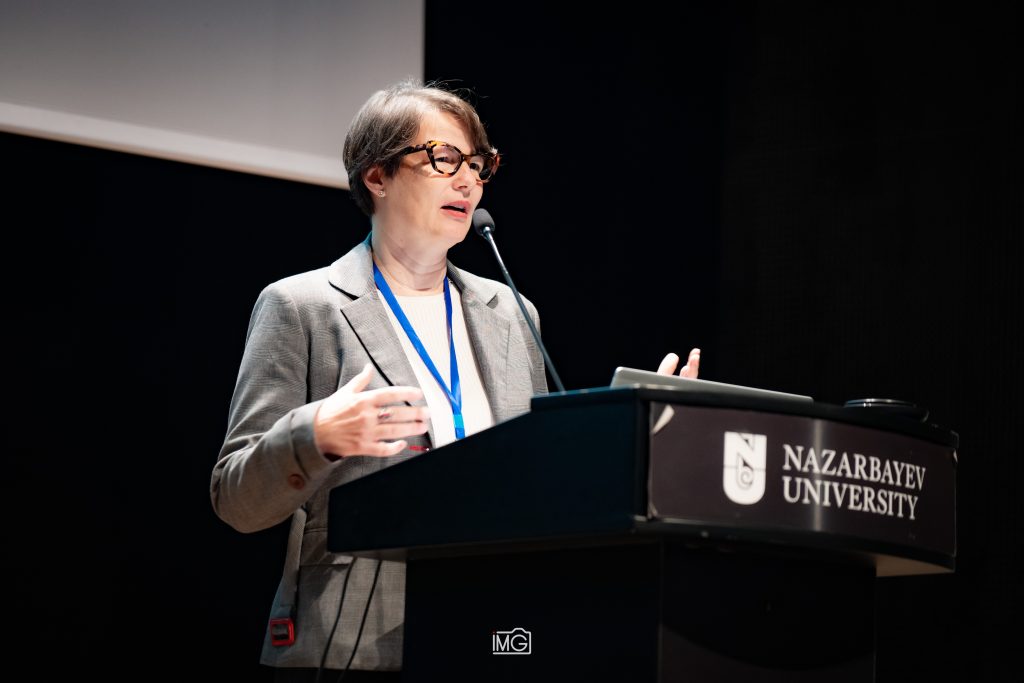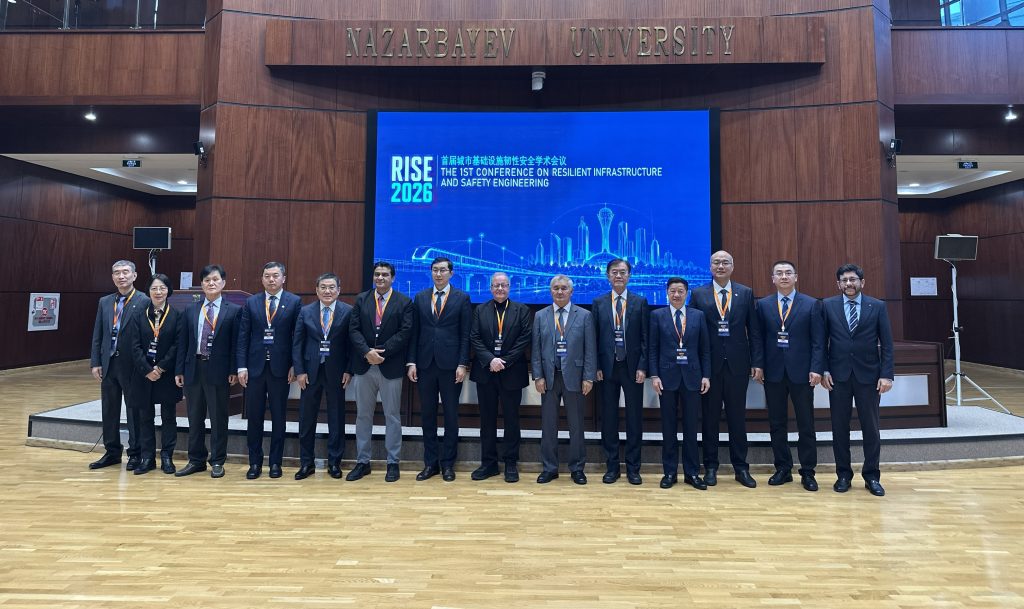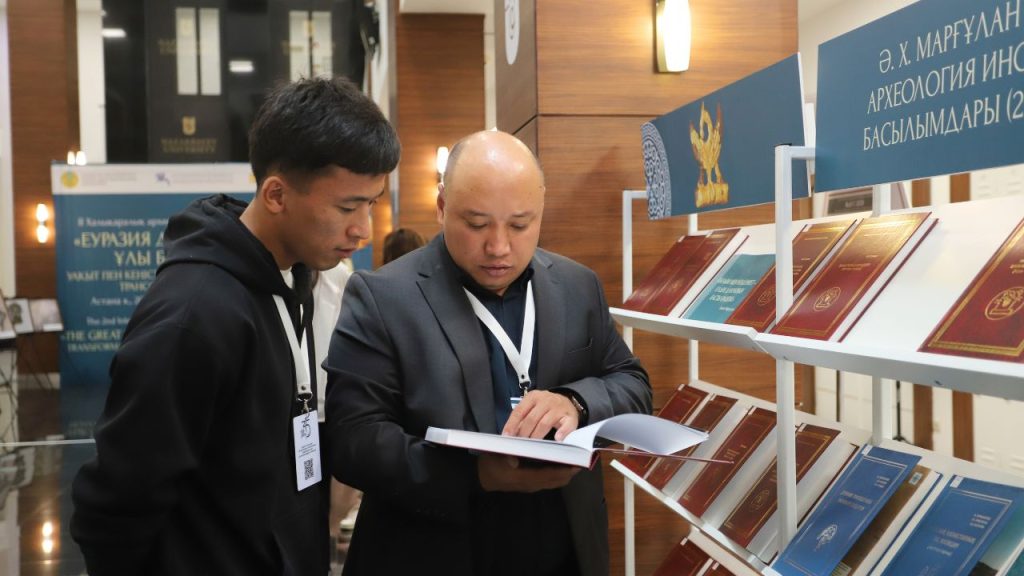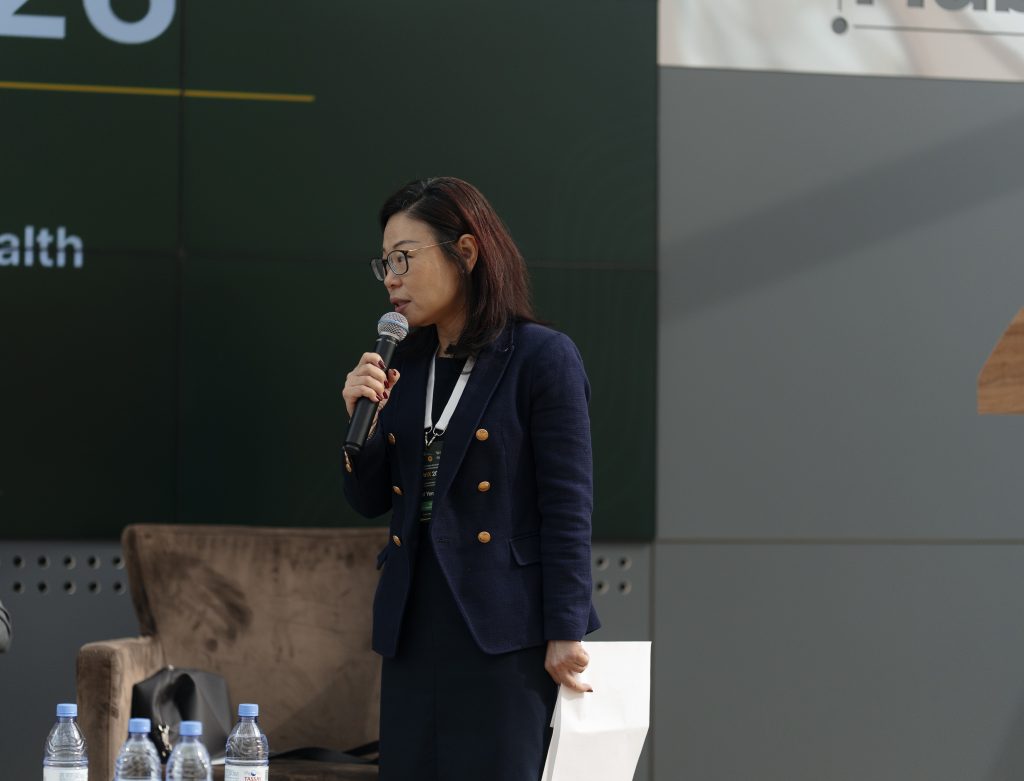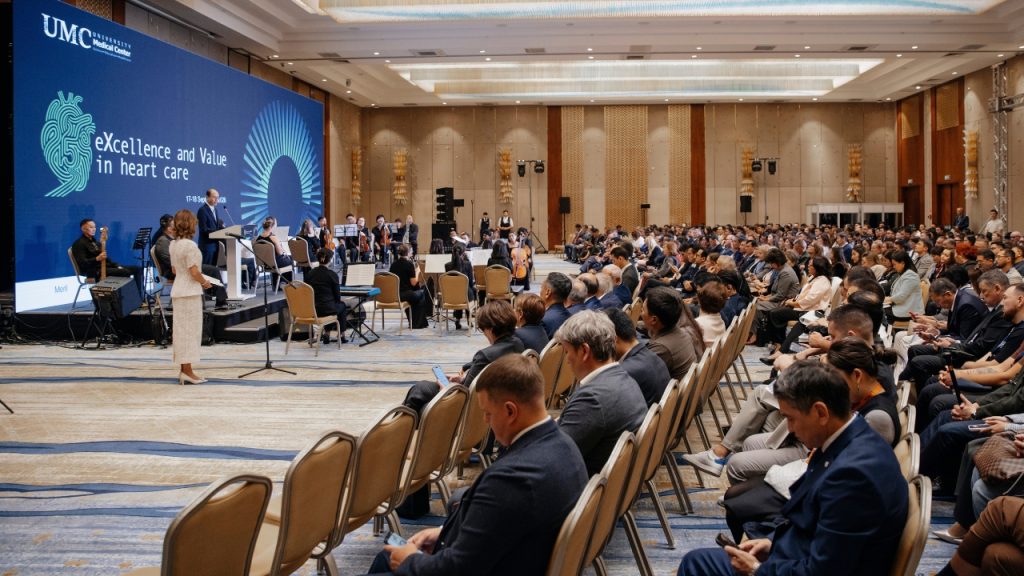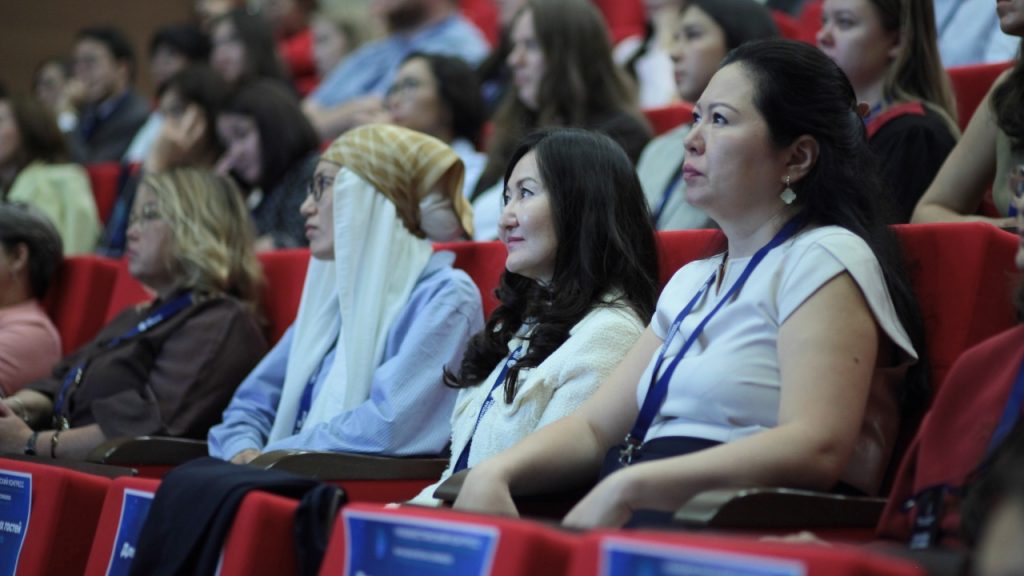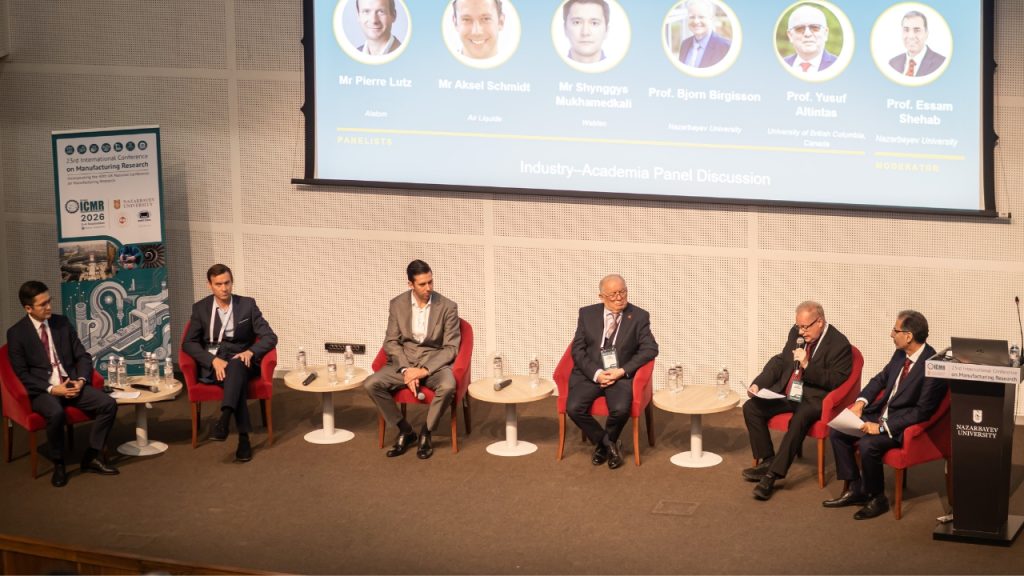
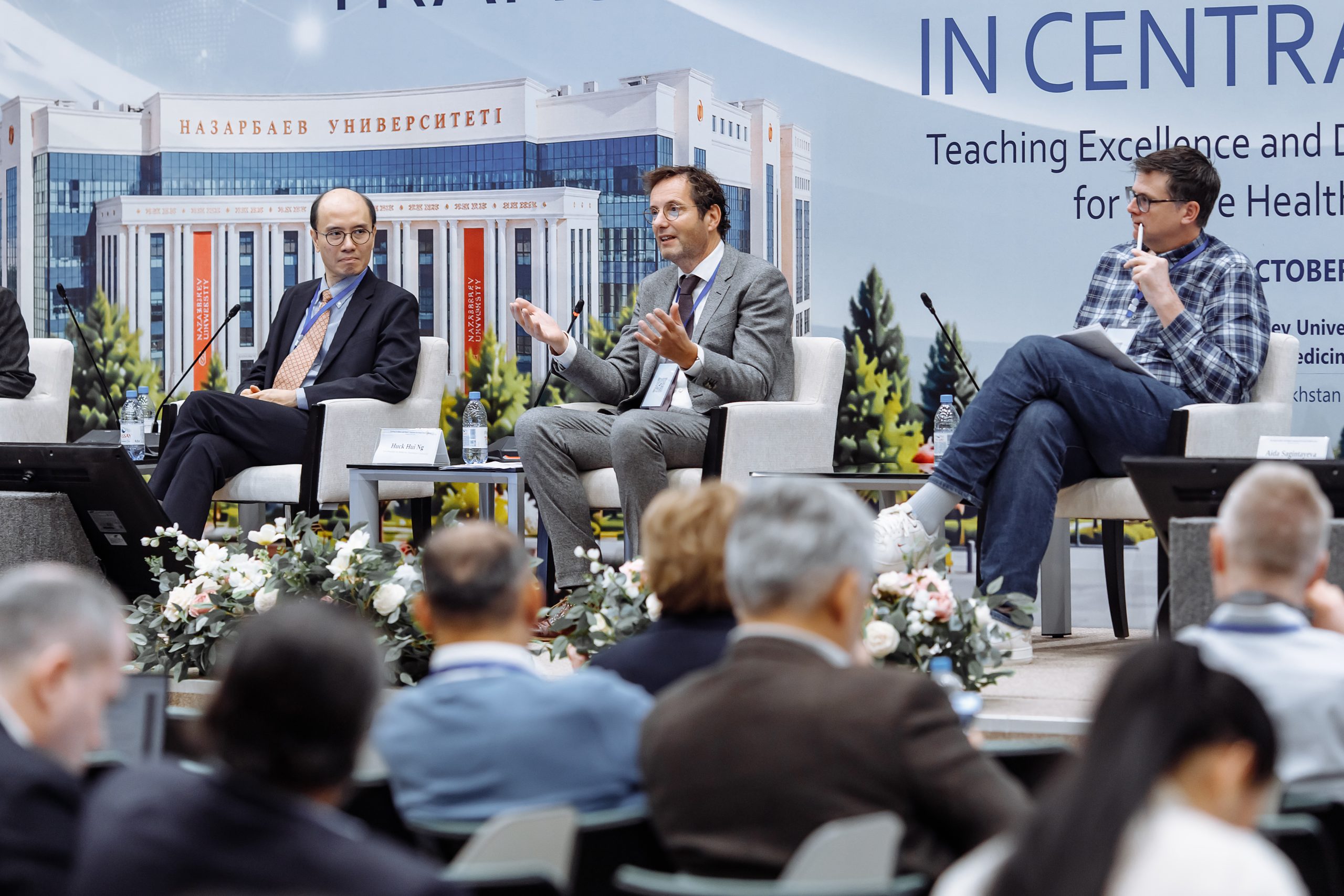
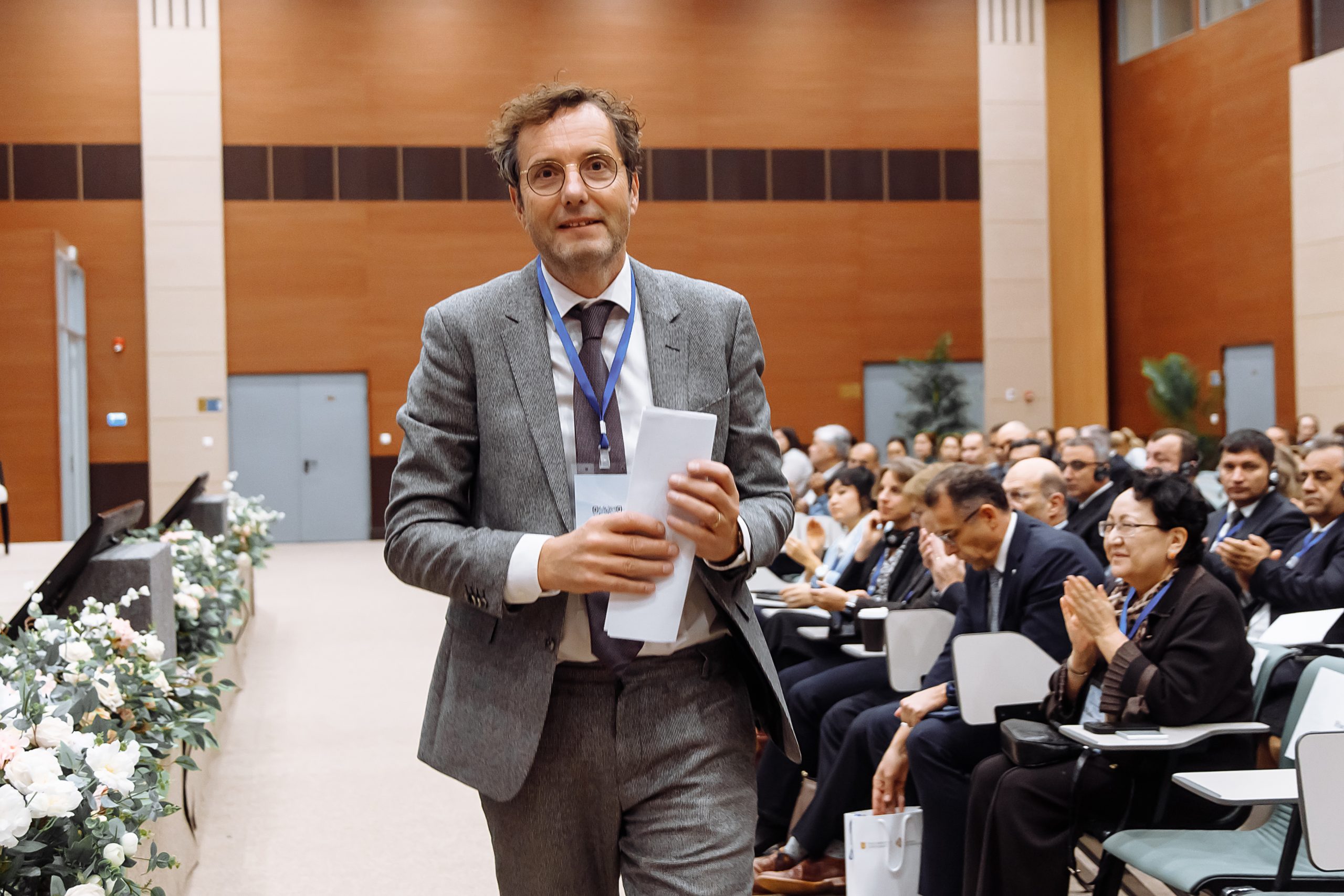
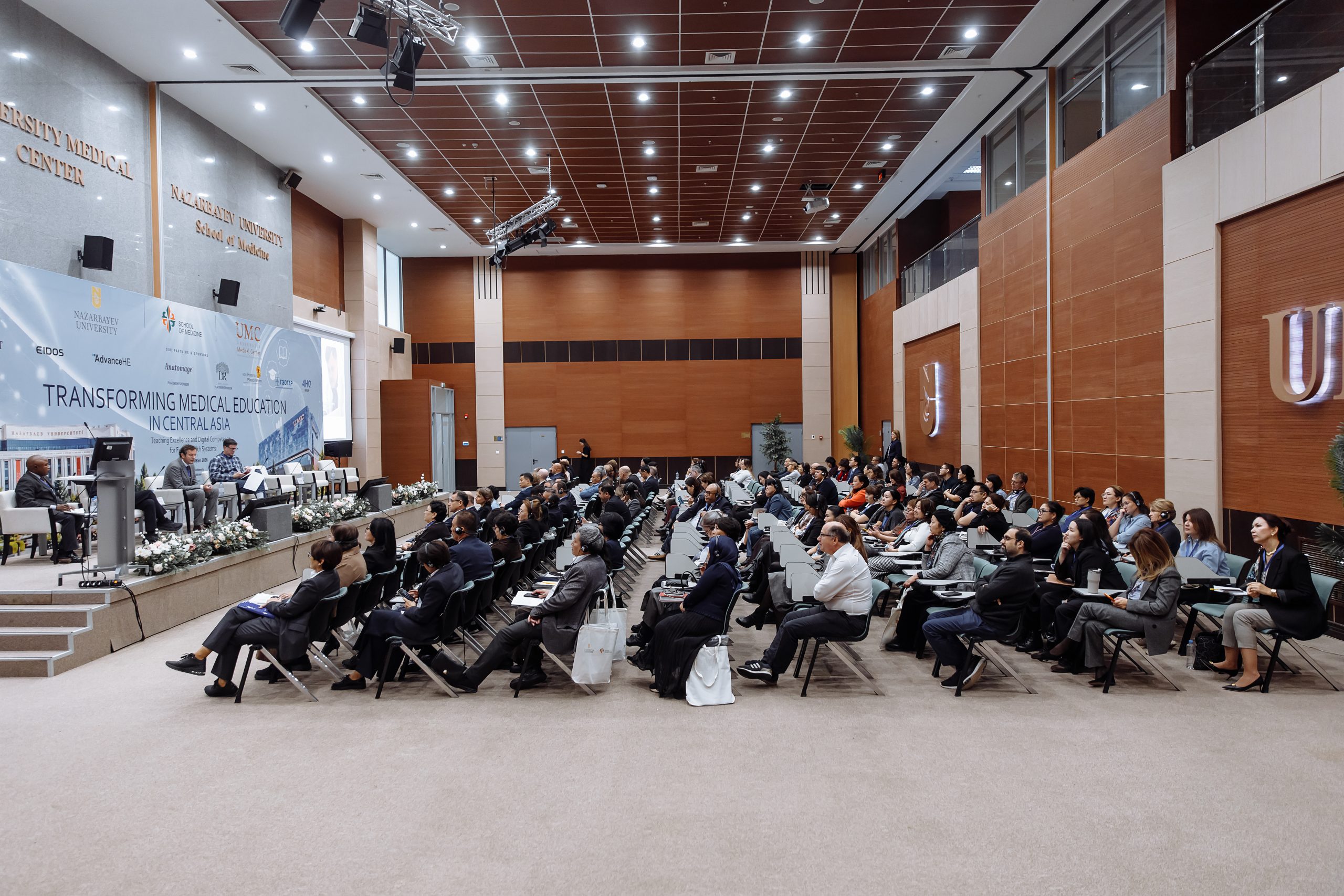




How can medical universities prepare future doctors for the changing needs of healthcare while maintaining high standards of teaching, clinical practice and patient safety? This was the central question at the international conference Transforming Medical Education in Central Asia: Teaching Excellence and Digital Competence for Future Health Systems, hosted by Nazarbayev University School of Medicine (NU SOM) in Astana on 28–29 October 2026.
Medical universities across Central Asia face the challenge of adapting curricula to the evolving needs of healthcare systems, strengthening faculty development and integrating digital skills into medical training. Addressing these challenges requires not only the adoption of new technologies, but also effective teaching methods.
Dr Huck Hui Ng, Vice-President of Nazarbayev University and Dean of NU SOM, emphasized that progress in medical education must be guided by a clear strategic vision.
“As a young university, we need to ask ourselves: how can we develop and implement a comprehensive healthcare strategy that will help transform Kazakhstan’s national healthcare system? This question shapes our approach to curriculum development and healthcare advancement. We also need a clear understanding of the long-term goals of higher education and the outcomes we want to achieve.”
Gulzhanat Aimagambetova, Professor at NUSOM and a member of the conference organising committee, noted that Central Asian countries had followed different development paths over the past three decades.
“Medicine is changing rapidly, driven in part by new technologies and artificial intelligence. Medical education must keep pace with these changes. Teaching methods that worked ten years ago may no longer be effective today, and students themselves are changing. Throughout this process, we learn from one another: we teach our students, and they teach us,” she said.
Professor Eric Driessen of Maastricht University, Editor-in-Chief of Perspectives on Medical Education and an invited international speaker at the conference, challenged educators to reconsider their role as artificial intelligence makes medical knowledge increasingly accessible.
“If AI can explain all of this to our students, what should teachers do? Retire? Be replaced by robots? What is our role now, and are we becoming less relevant?”
The central message of his presentation was that access to information cannot replace in-depth medical knowledge and sound clinical reasoning. Students must learn to critically evaluate AI-generated answers, verify the reliability of evidence and independently analyse clinical cases.
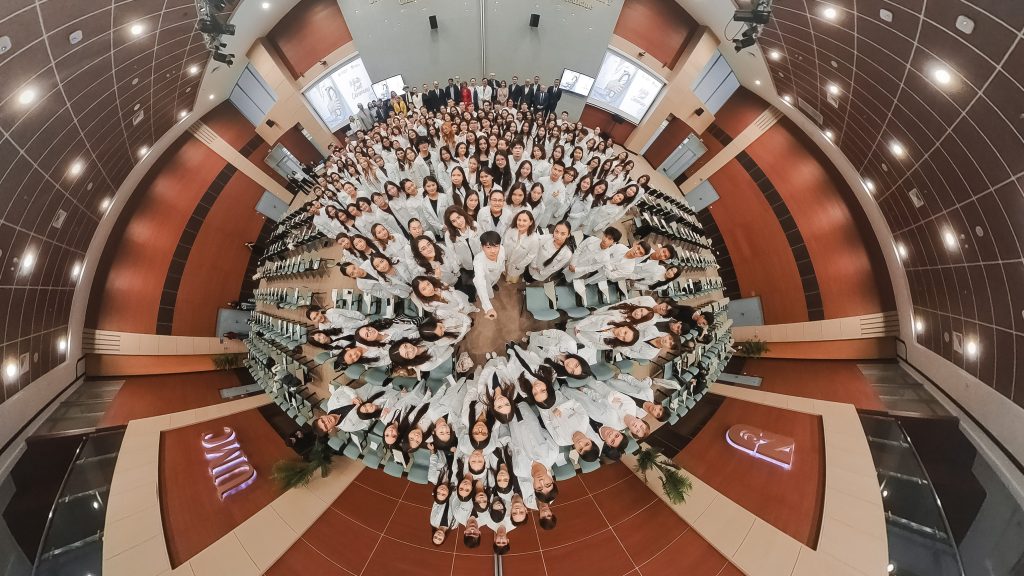
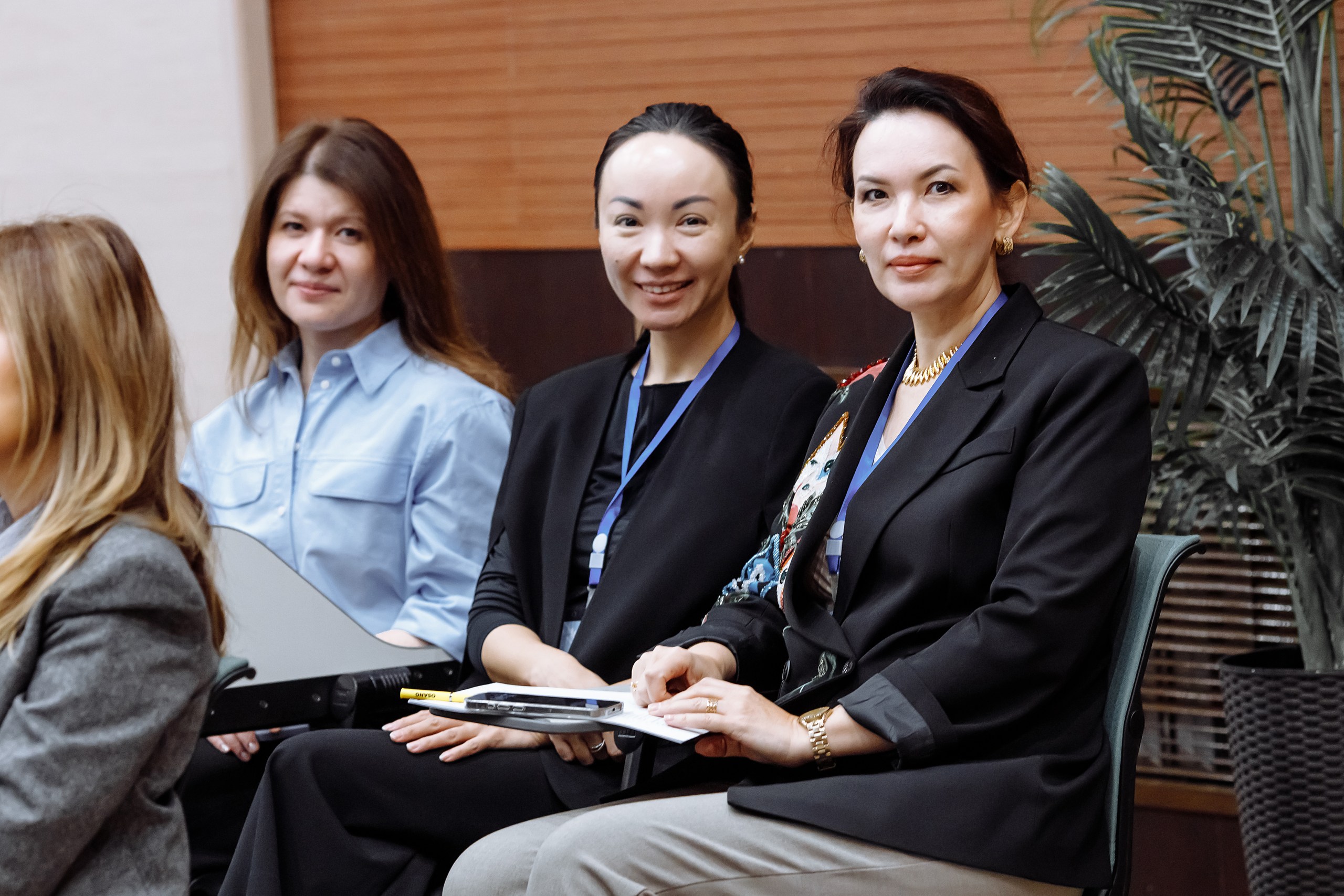
The conference was organised in partnership with the UK-based organisation Advance HE and University Medical Center (UMC). It brought together medical educators, healthcare professionals, students, government representatives and international experts to discuss the future of medical education in the region. Around 150 participants from eight countries and territories attended the event, representing Kazakhstan, the Netherlands, the United Kingdom, Tajikistan, Uzbekistan, Kyrgyzstan, Hong Kong and Italy.