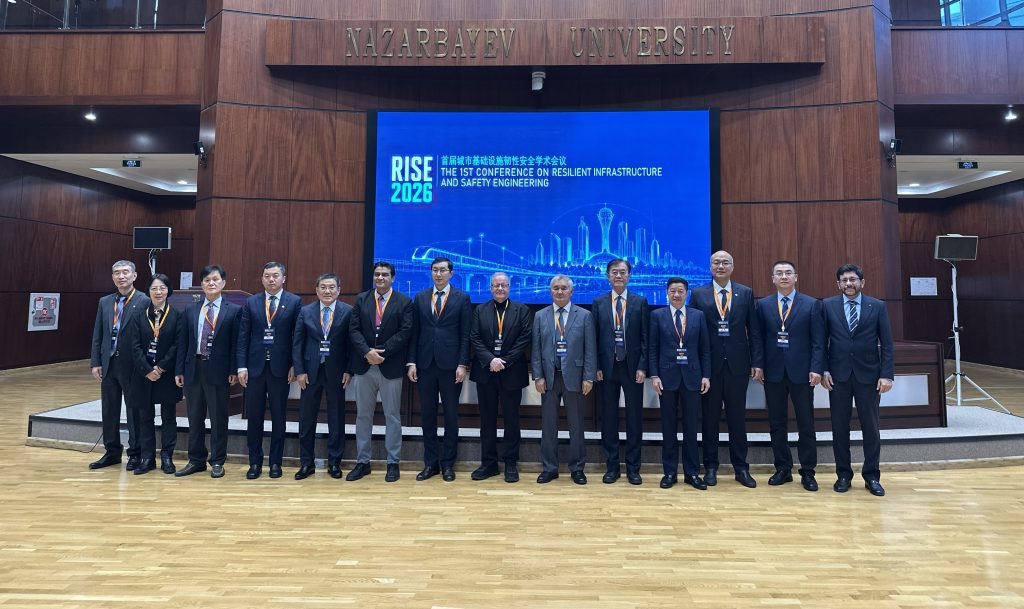
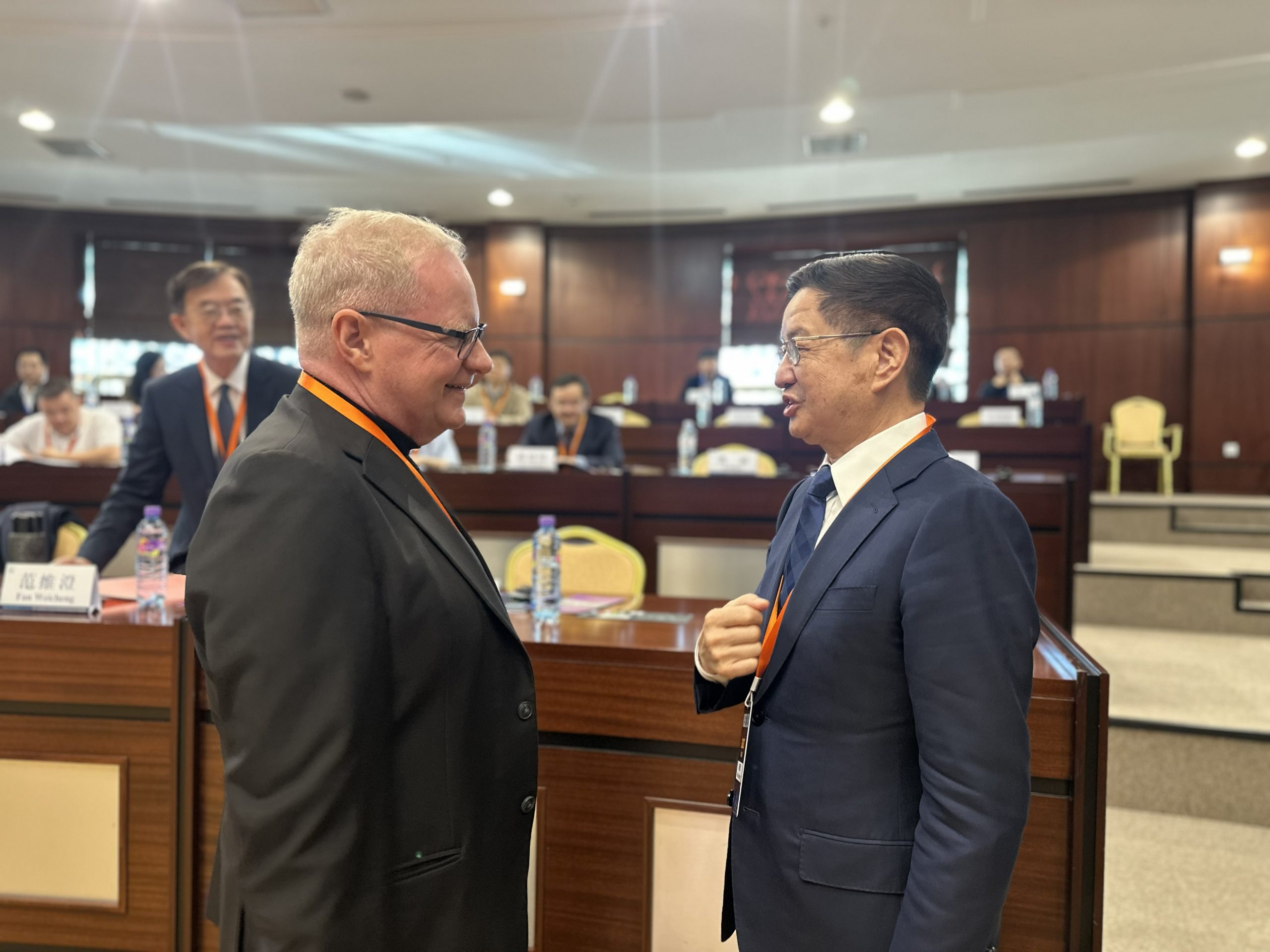
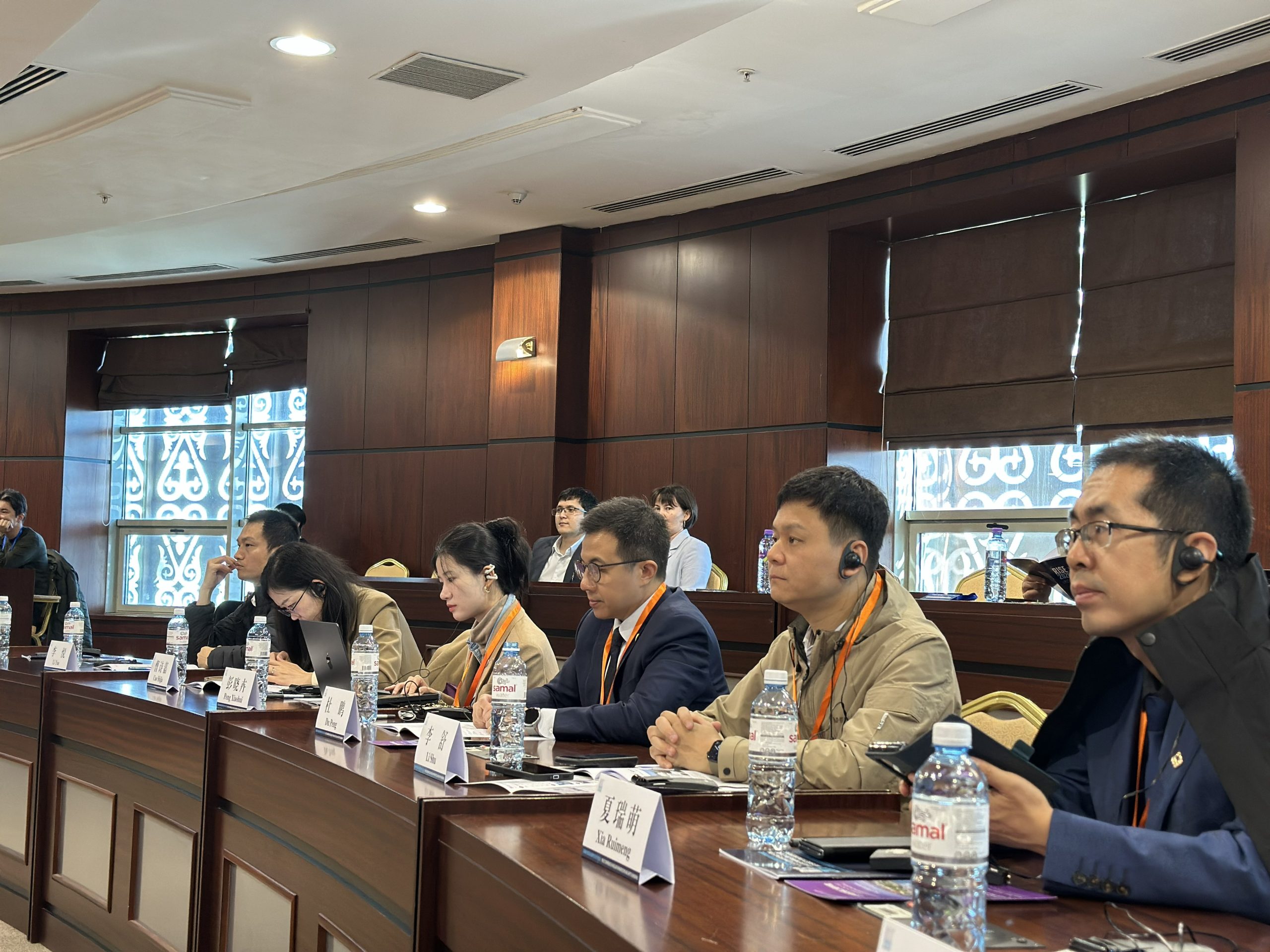


Rapid urban development is placing increasing pressure on roads, railway networks, water supply systems and sewage infrastructure. At the same time, climate change is raising new questions about how infrastructure can withstand droughts, storms and other natural hazards. These challenges are at the centre of the first International Conference on Resilient Infrastructure and Safety Engineering (RISE2026), taking place at Nazarbayev University on 14–15 October.
Organised jointly with the China Civil Engineering Society, RISE2026 brings together researchers, engineers, industry representatives and other experts to discuss how engineering research, modern technologies and international cooperation can improve the safety and resilience of urban infrastructure.
The conference’s organising partners include major Chinese engineering companies and research organisations, including China Railway Eurasian Construction Investment Co., Ltd., which is involved in the Astana LRT project, Beijing Urban Construction Design & Development Group Co., Ltd., as well as Shenzhen University and Tsinghua University.
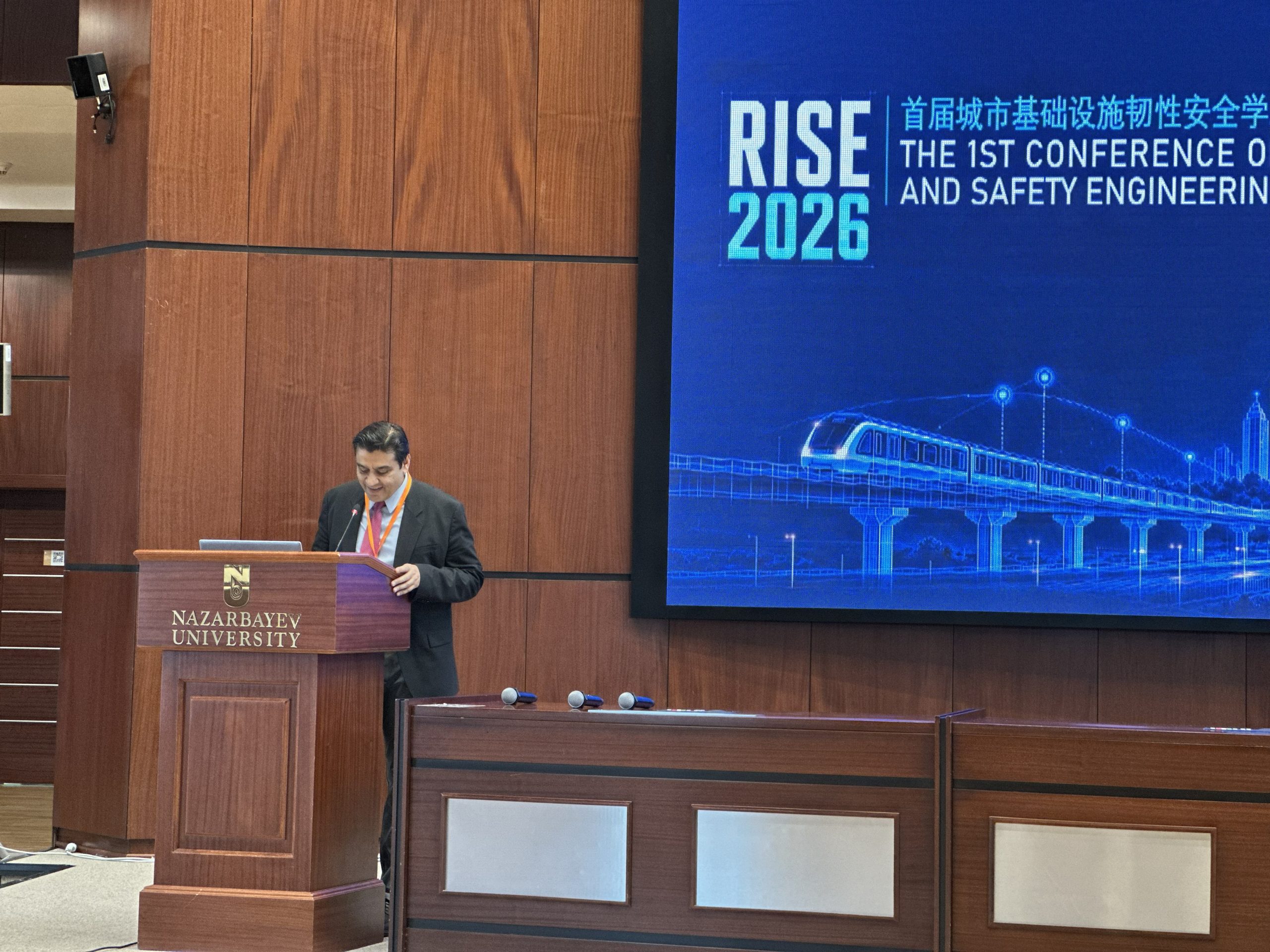
Rapid urban growth increases demand for housing, transport networks and public utilities. Speaking at the opening of the conference, NU Provost Rehan Sadiq cited Astana as an example of a rapidly developing city, where growth places additional demands on infrastructure. Meeting these growing needs requires investment, engineering expertise and advanced technologies, as well as planning that takes future environmental risks into account. He also emphasised the growing role of emerging technologies in construction and infrastructure management.
“Construction is changing rapidly as new technologies emerge. We are living in the era of physical AI, robotics and generative AI, and all these technologies will influence how infrastructure is managed. Through this conference, we want to bring people together and create opportunities to exchange ideas. I am confident that we can build long-term partnerships that will help improve student education, broaden their understanding of new developments and connect our researchers with partners around the world,” said the NU Provost.
Professor Sadiq also noted that urban infrastructure development must take natural conditions and climate change into account. When designing roads, railways, water supply systems and other essential infrastructure, it is important to anticipate risks associated with extreme weather events and natural disasters.
The RISE2026 programme also covers construction technologies and materials, the operation and maintenance of urban transport infrastructure, improving the resilience of engineering structures, and the development of international technical standards.
As conference participants note, one of the main challenges is to ensure that urban infrastructure remains reliable not only today but also in the long term, taking into account urban growth and climate change. This requires modern engineering solutions and technologies capable of making infrastructure more resilient to natural hazards.