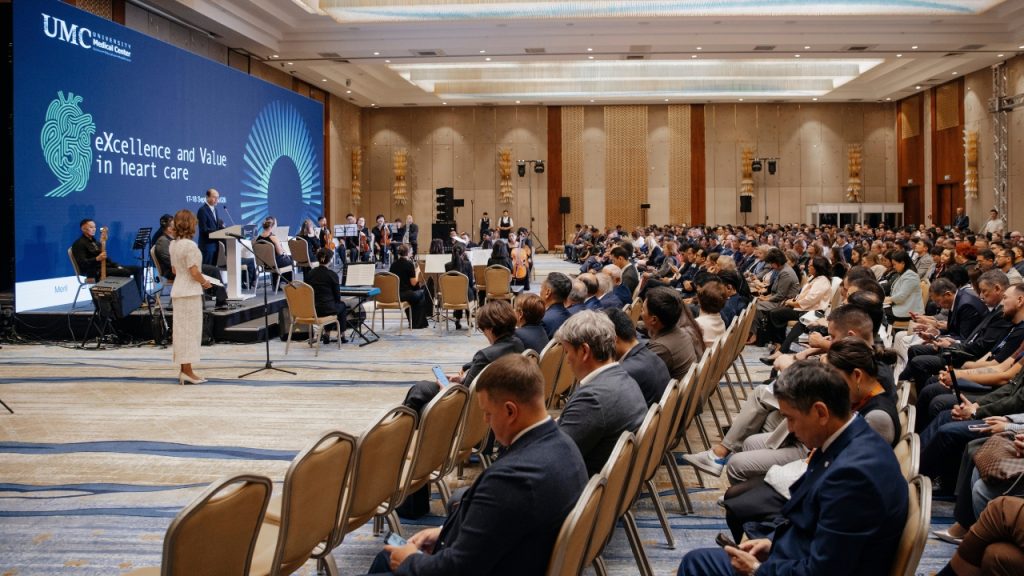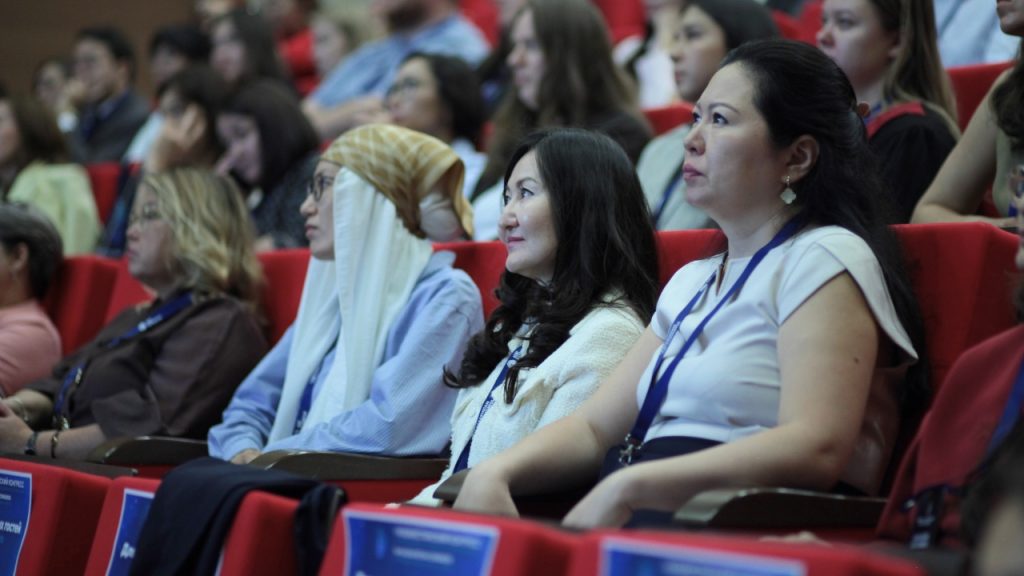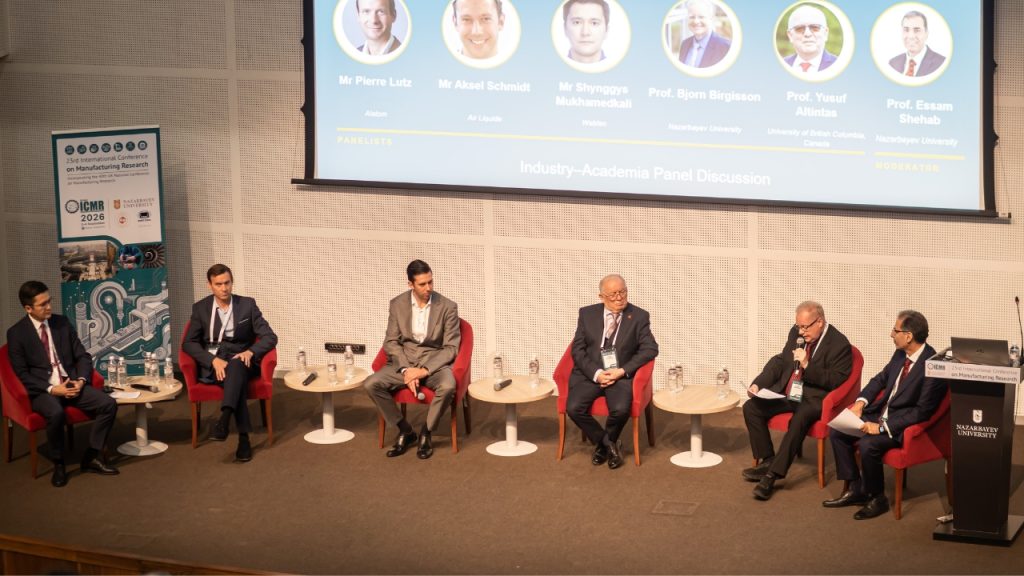
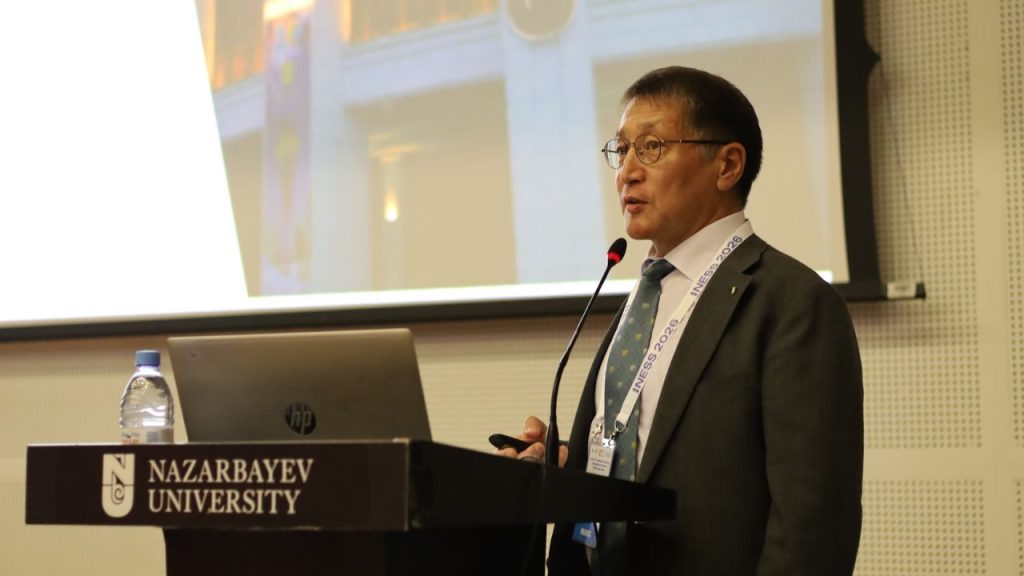
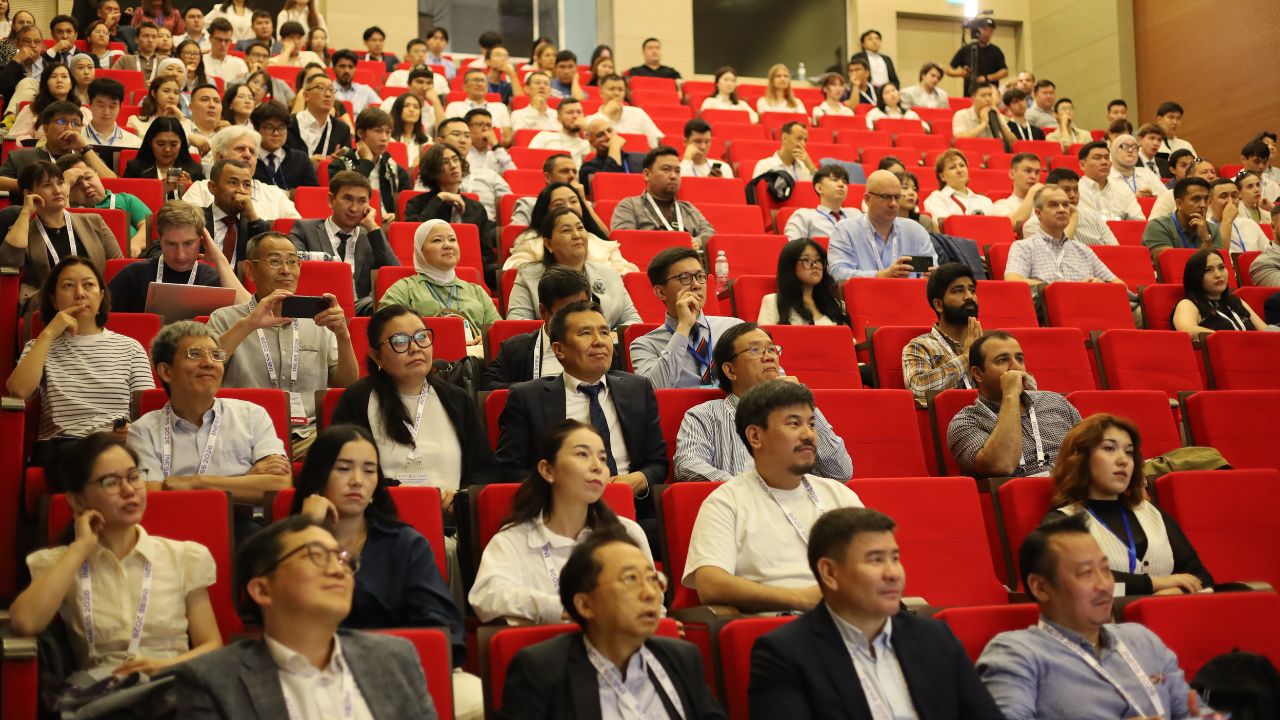
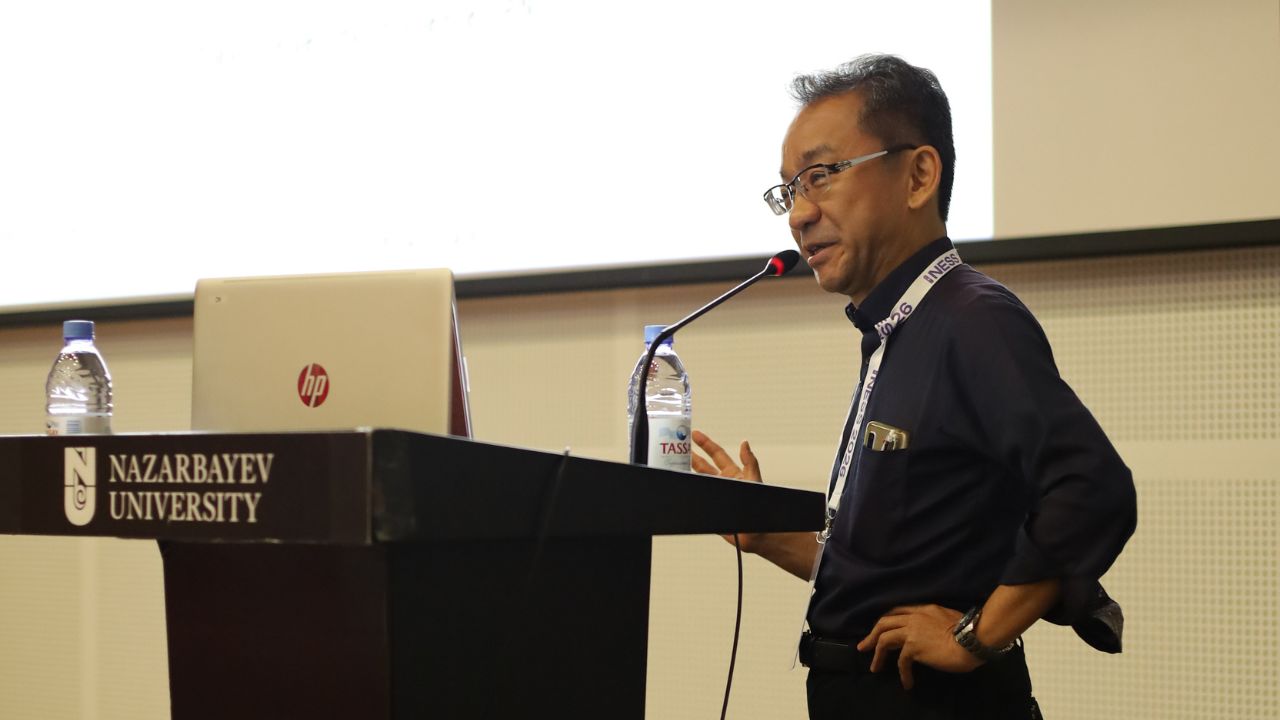
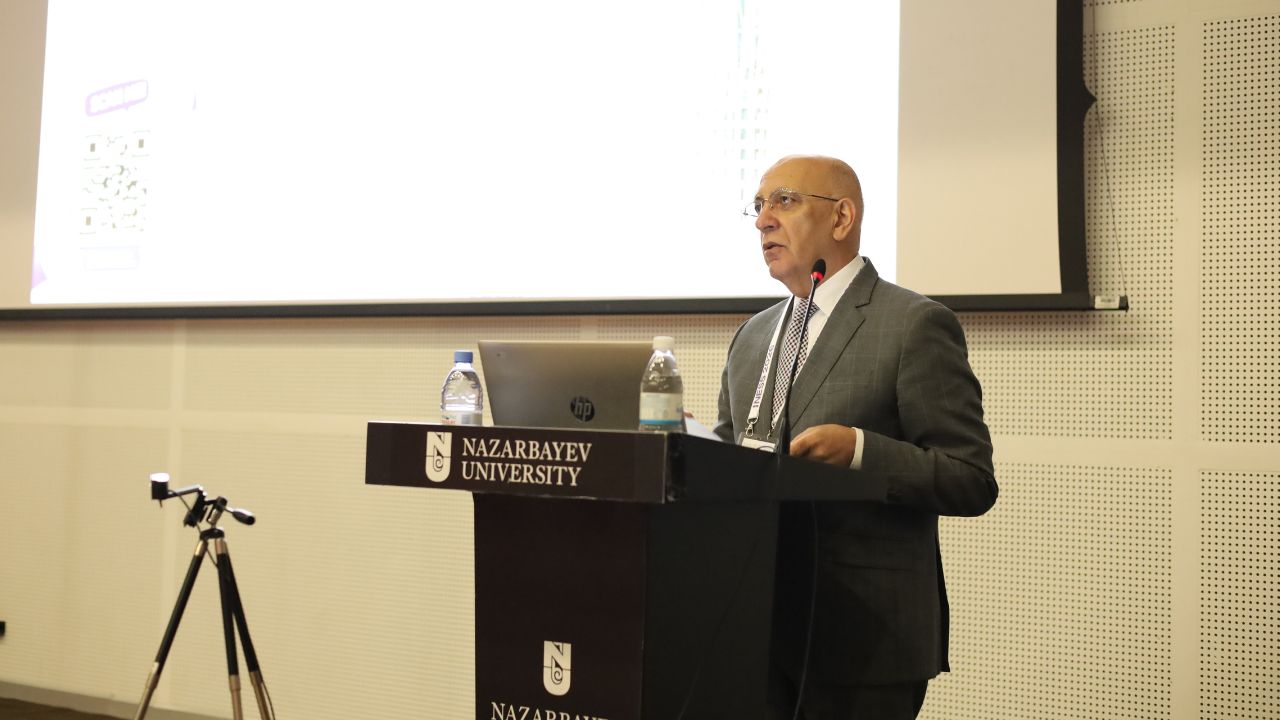
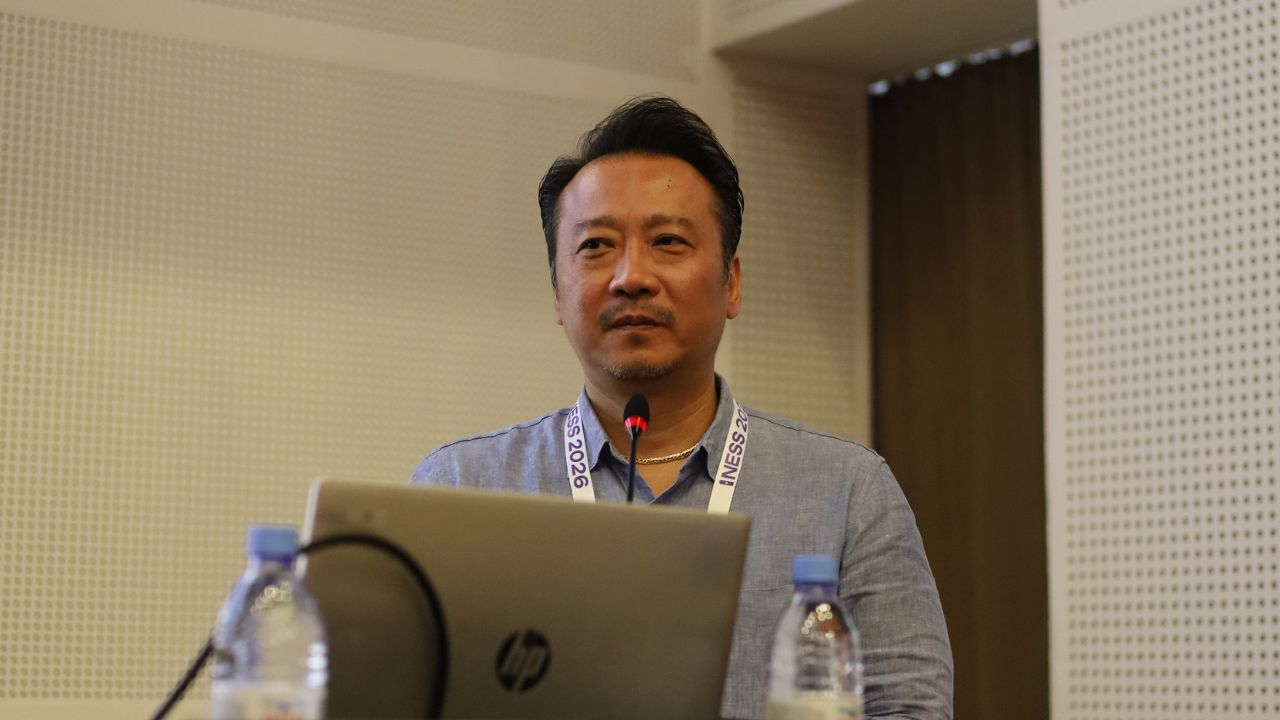
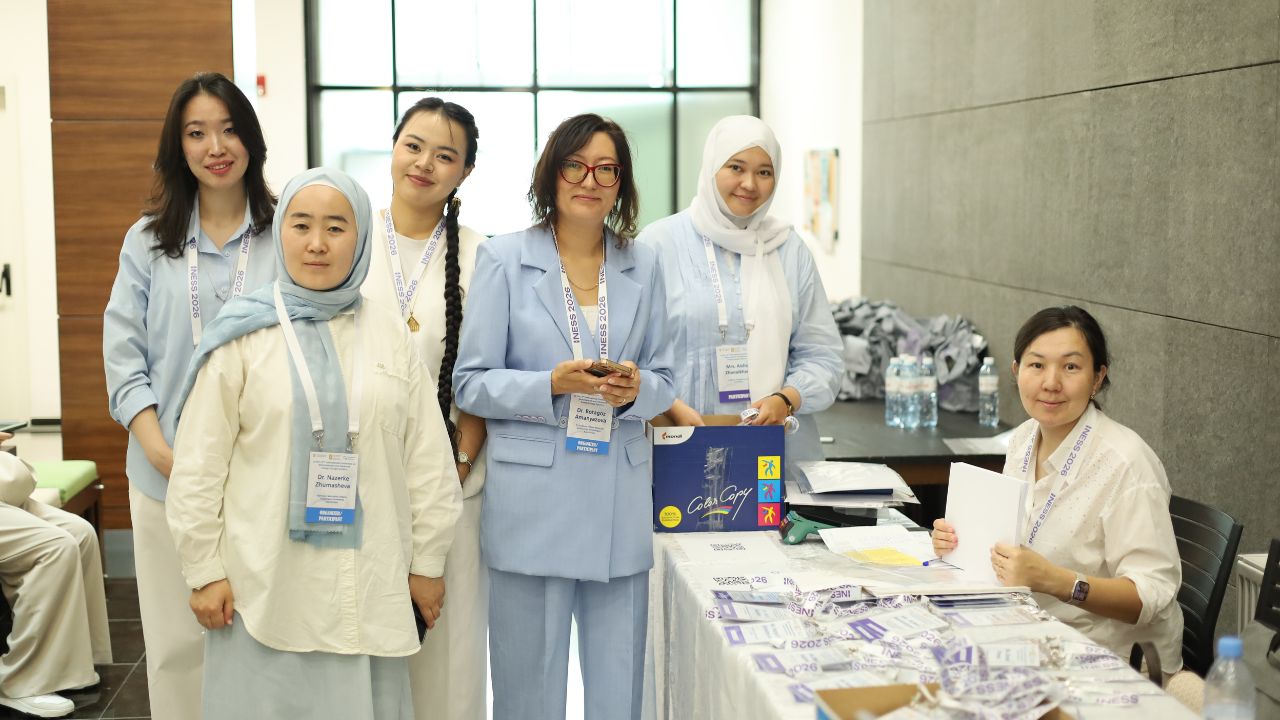



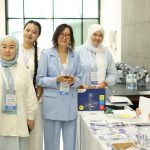
From August 5 to 7, Nazarbayev University is hosting the 14th International Conference on Nanomaterials and Advanced Energy Storage Systems (INESS-2026). The event has brought together more than 200 researchers, engineers, and industry representatives from over 10 countries across Europe, Asia, Africa, and North America. The conference is organized by Nazarbayev University, the Institute of Batteries, and the Institute of New Materials and Energy Technologies (INMET).
The conference showcases more than 100 research projects and technological innovations that could shape the future of energy. Participants are presenting advances in higher-capacity, safer, and faster-charging batteries, next-generation energy storage systems for electric vehicles, unmanned aerial vehicles, and space applications, as well as the use of artificial intelligence to accelerate the discovery and design of advanced materials. A dedicated strategic session is focused on research commercialization and the development of high-tech industries.
“At Nazarbayev University, we are committed to advancing world-class research, fostering innovation and building both significant and sustainable international partnerships. This particular conference demonstrates this commitment by fostering interdisciplinary collaboration, facilitating knowledge exchange and advancing solutions to some of the most significant scientific and technological challenges of our time,” said Professor Waqar Ahmad, President of Nazarbayev University, in his opening remarks.
Among the keynote speakers are Professor Jeff Dahn, a pioneer of lithium-ion battery research; Professor Rachid Yazami, inventor of the graphite anode for lithium-ion batteries, Professor Shinichi Komaba, one of the world’s leading experts on sodium-ion battery technology, and others.
“Twenty years ago, nearly all research was focused on lithium-ion batteries,” said Professor Shinichi Komaba of the Tokyo University of Science. “Today, researchers are actively developing new battery chemistries because society’s energy needs will be very different in the coming decades. Fundamental research in energy storage is therefore more important than ever. Sodium-ion batteries are among the most promising emerging technologies, and many countries, including Kazakhstan, are investing in their development.“
The rapid growth of electric mobility, renewable energy, autonomous systems, and the space industry is driving global demand for advanced battery technologies. Researchers are therefore working to improve battery performance by increasing energy density, reducing charging time, extending service life, and enhancing safety.
Nazarbayev University’s research infrastructure includes two pilot production lines for lithium-ion batteries, enabling scientists to carry out the entire development cycle—from designing new materials and manufacturing electrodes to assembling battery cells, building battery modules, and testing their performance.
“Using this infrastructure, we have developed our own lithium-ion battery manufacturing technology and produced the first prototype batteries. Importantly, our research has already moved beyond the laboratory. One of our battery packs has been successfully integrated into an electric vehicle, where it was tested as the vehicle’s standard 12-volt battery powering the onboard electronics,” commented NU Professor Zhumabay Bakenov, Director General of INMET.
NU research teams are now developing specialized battery systems for unmanned aerial vehicles, including high-altitude stratospheric platforms that require high energy density, exceptional reliability, and stable operation at extremely low temperatures. Researchers have also begun developing battery technologies for small spacecraft, including CubeSat satellites.
Founded in 2013, INESS has become one of Central Asia’s leading international forums for materials science and energy technologies. Over the years, it has brought together thousands of researchers from around the world, fostering international collaboration, knowledge exchange, and new joint research initiatives.