For most students, summer means taking a break, hanging out with friends, and spending time outdoors. But for participants in Nazarbayev University’s summer programs, these holidays were all about research and discovery. This year, the university campus and even the Burabay National Park were transformed into a massive open-air scientific laboratory. Over a single season, NU hosted four distinct programs, welcoming students not only from across Kazakhstan but also from Europe, China, Russia, Armenia, and Kyrgyzstan. Instead of a typical vacation, these young minds built artificial intelligence projects, explored astrophysics, conducted environmental field studies, and gained hands-on experience with cutting-edge scientific equipment.
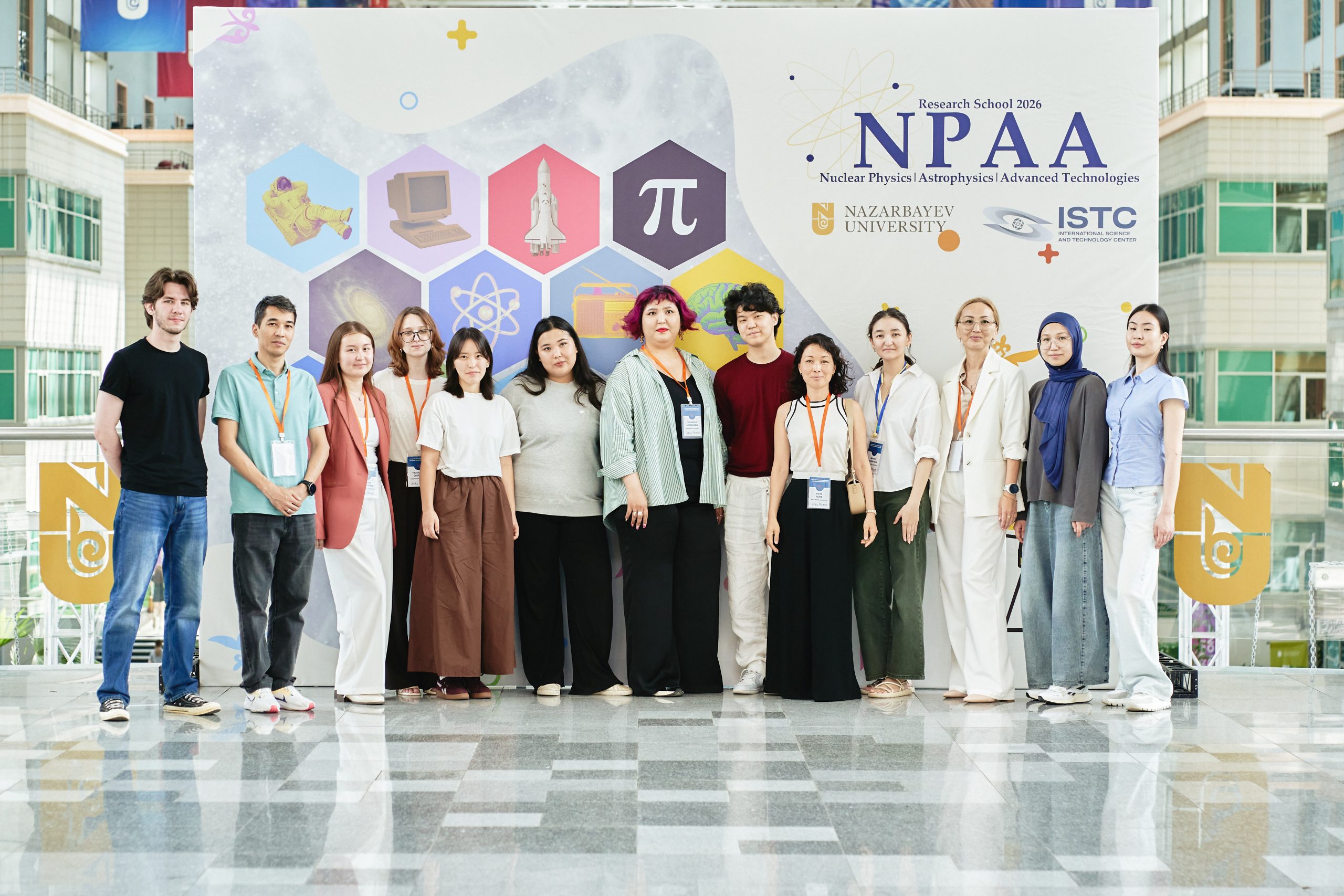
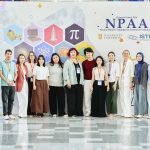
Kicking off the season was the NPAA Summer School, focused on nuclear physics, astrophysics, and advanced technologies. Out of 700 applicants, 30 highly driven students were selected to immerse themselves in an environment far beyond the standard school curriculum. Their daily schedules mirrored those of real scientists, covering everything from photometry, stellar death, and general relativity to microchip design and microfluidics. The students wrote Python code to solve astronomical problems, designed gliders under the guidance of aerodynamics experts, and attended lectures on the latest discoveries from the Large Hadron Collider.
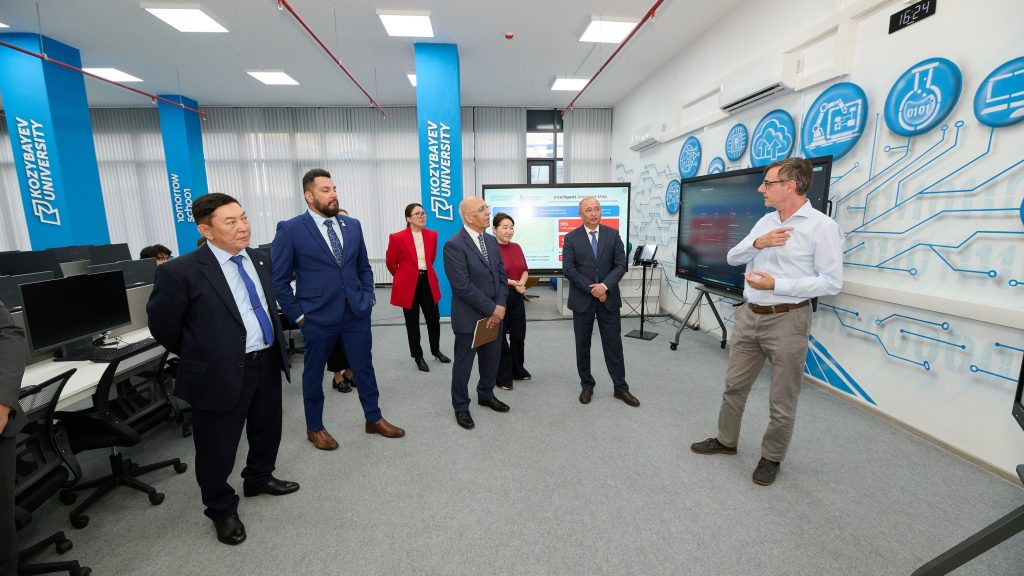
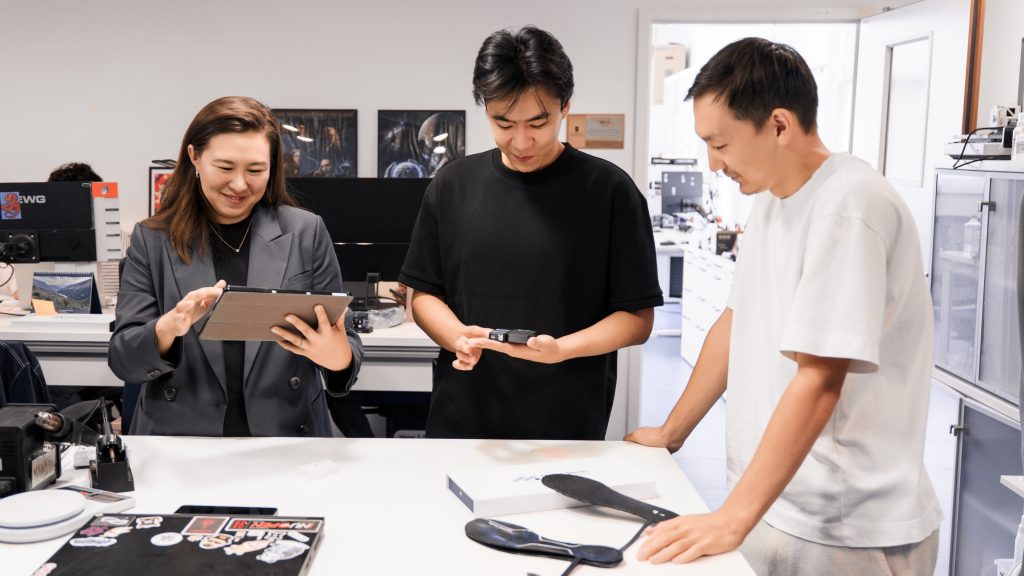
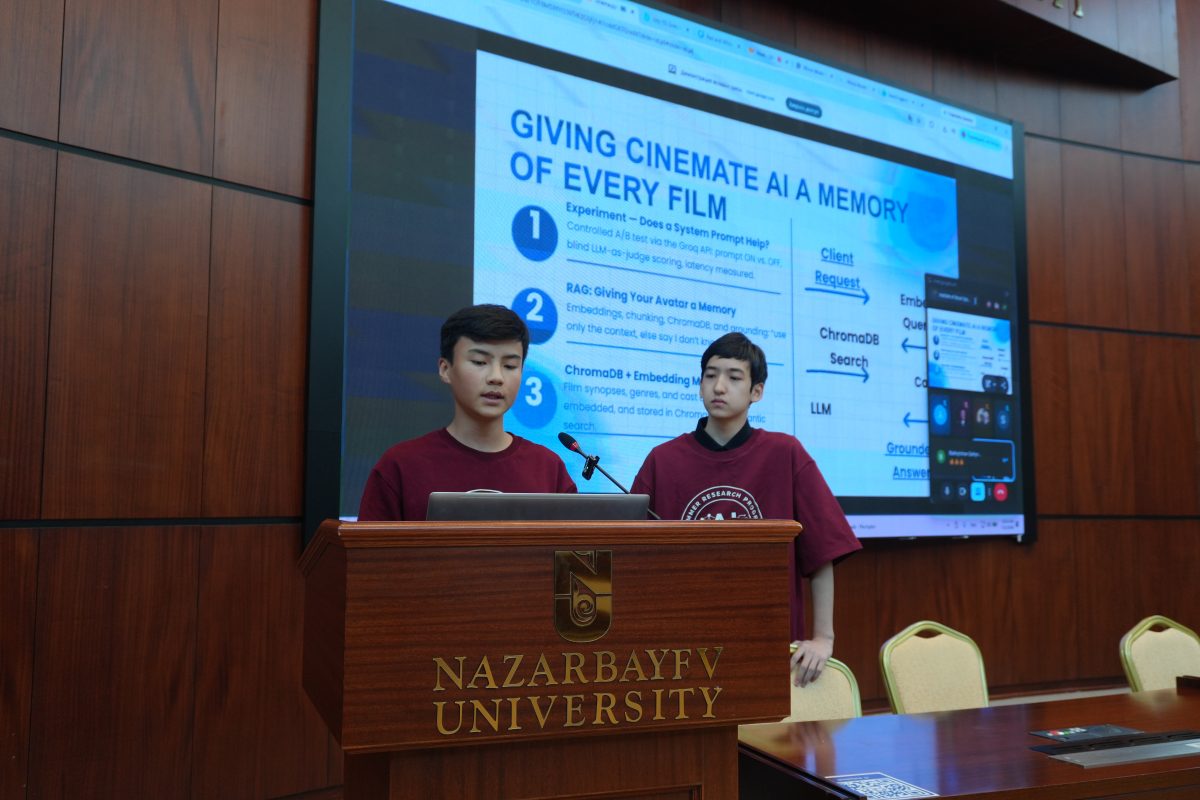
Future artificial intelligence developers took the baton next. The six-week ISSAI Summer Research Program brought together 77 talented young researchers to work side-by-side with top data scientists from the Institute of Smart Systems and Artificial Intelligence (ISSAI). Working in teams, they developed AI avatars, mobile apps, audiovisual models, and programmed robots. This deep dive into the innovation ecosystem was complemented by visits to Astana Hub and the NU Technopark, culminating in successful project defense sessions.
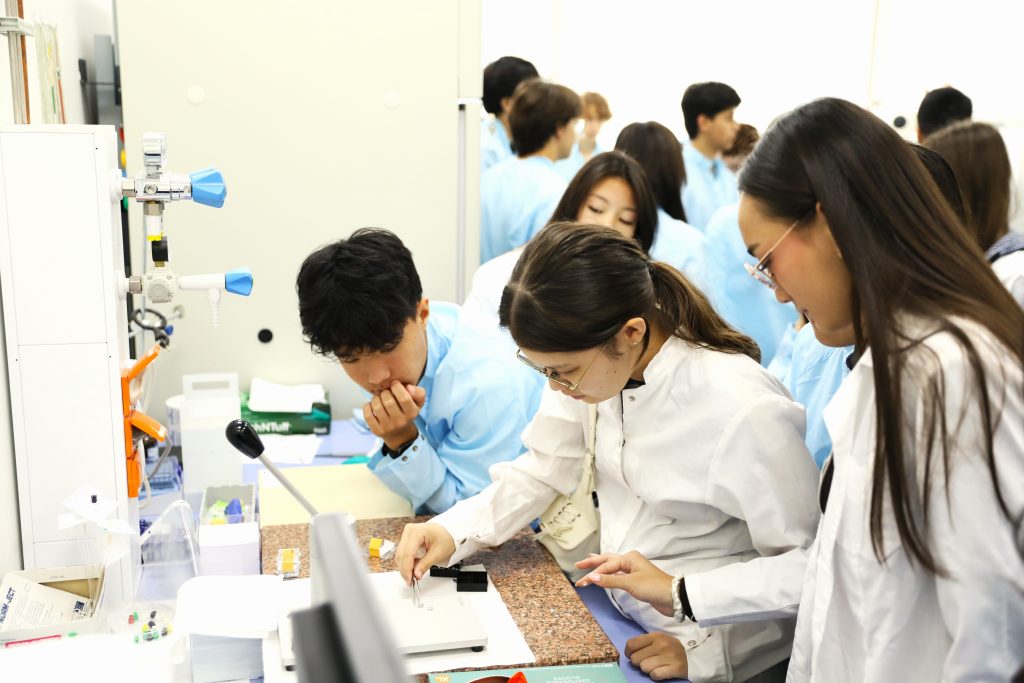
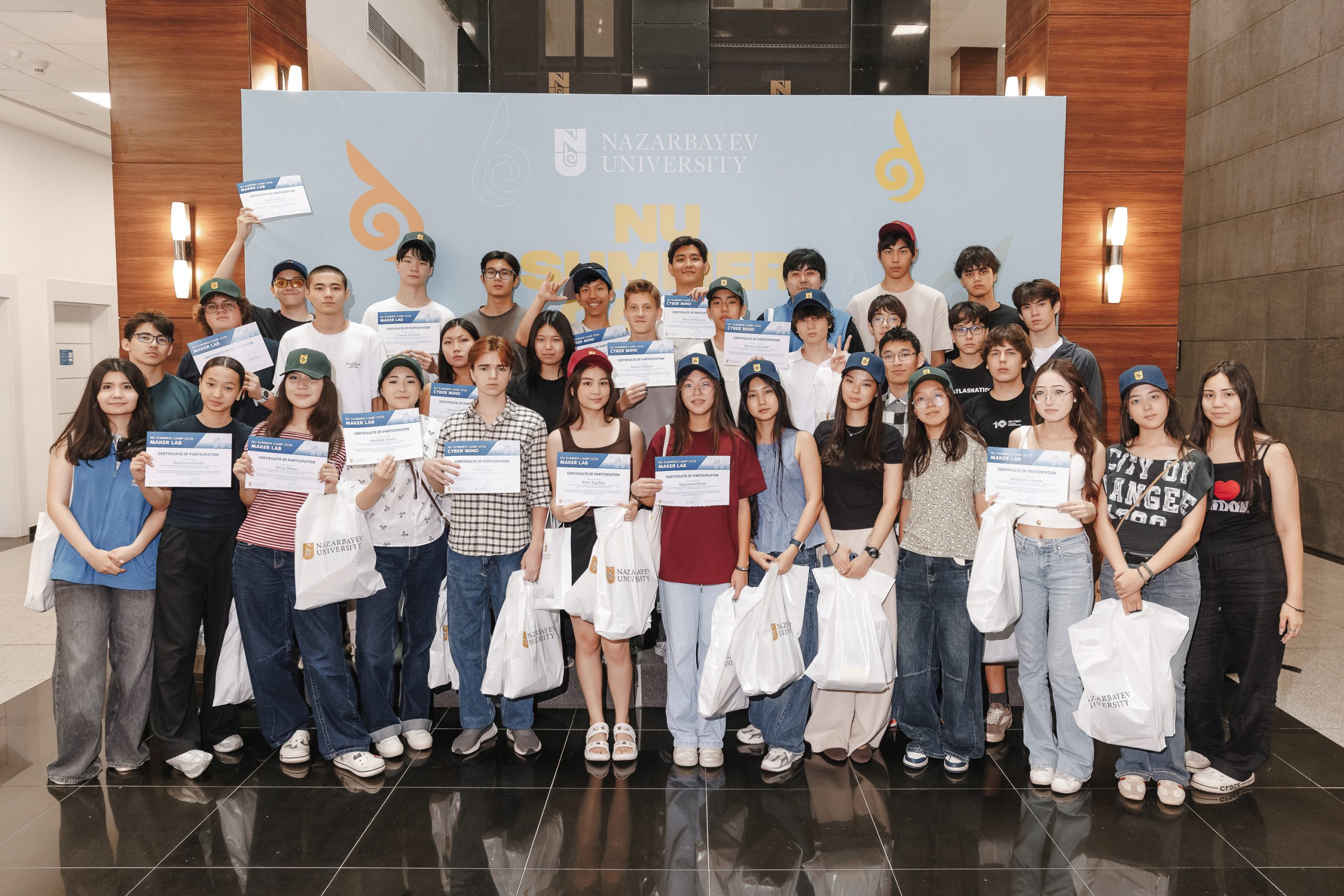
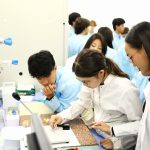
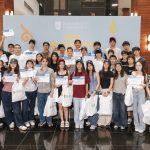
The largest event of the summer was the ten-day NU Summer Camp, which united over 200 high school students. The participants got a taste of university life while working on projects spanning natural sciences, medicine, engineering, robotics, and academic preparation. During the final presentations, the ‘Inside Science’ track showcased their chemistry experiments and DNA electrophoresis results; the ‘Maker Lab’ teams stress-tested their engineering constructs; and ‘CyberMind’ developers proudly demonstrated robots they had built from scratch. Meanwhile, students in the ‘Success Track’ wrapped up the program with polished essays, resumes, and complete application packages ready for top global universities.
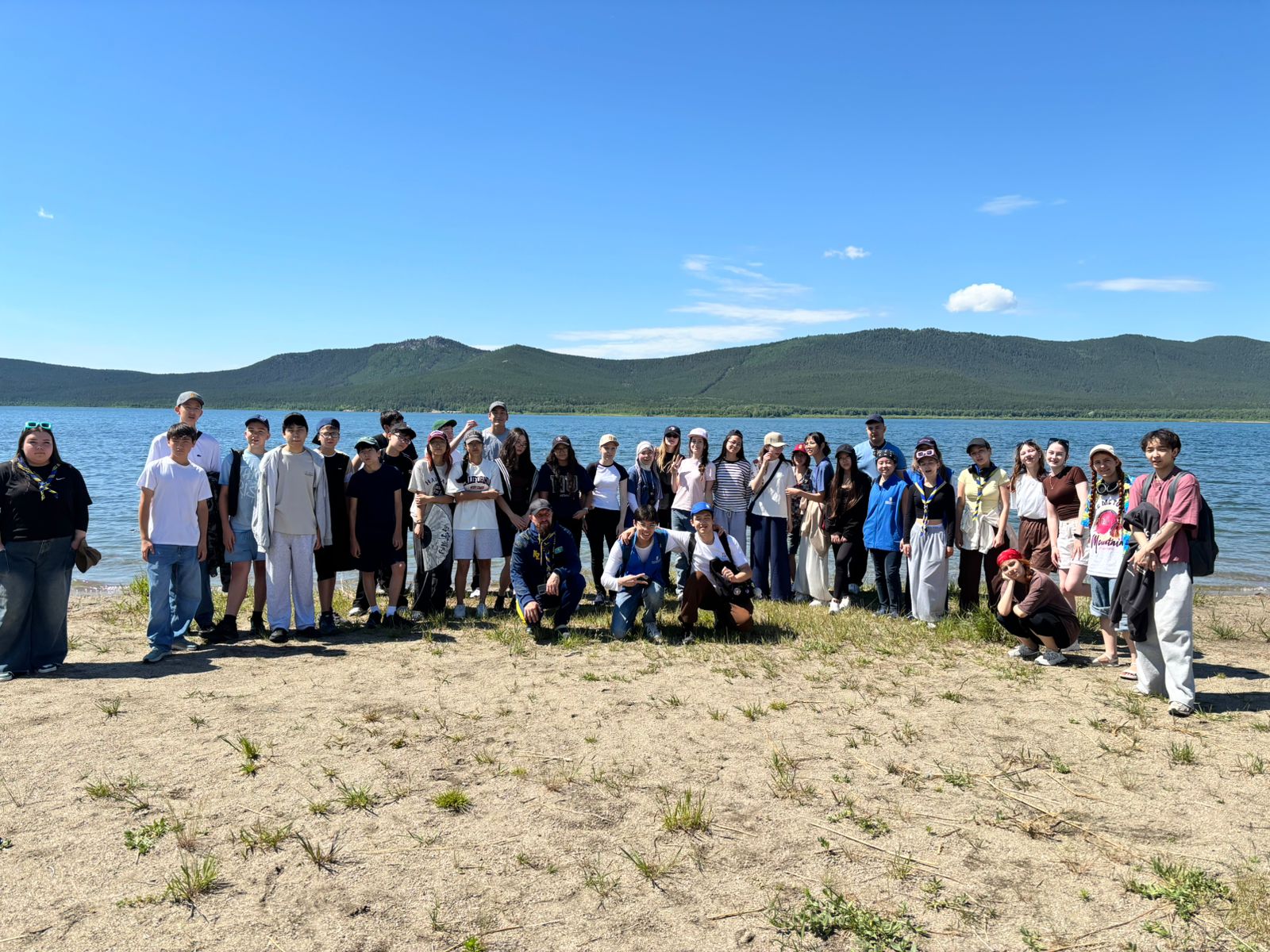
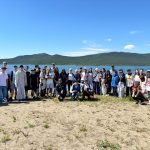
However, the science wasn’t confined to the capital’s laboratories. Another major initiative was the large-scale field practice held in Burabay National Park. NU biology students, alongside professors from Buketov Karaganda University, upgraded the local infrastructure to set up a modern base right in the forest. This setup allowed the students to process biological samples directly in the field, launch drones for ecological monitoring, analyze spatial data, and upload their findings to international databases without breaking their research workflow.
Despite their different focus areas, all the programs shared a common mission: to give students a genuine taste of modern science through practical experience, collaboration with active researchers, and solving real-world problems.
The true impact of these programs is best captured by the feedback from the participants and their parents. Parents noted a remarkable surge in their children’s academic motivation, mentioning that they were so engrossed in their project work they sometimes even forgot to text home. The students themselves admitted that the most valuable part of the experience was the chance to operate state-of-the-art equipment and feel like members of a real research community. Ultimately, it is this kind of hands-on experience that transforms textbook facts into a lifelong passion for science and discovery.