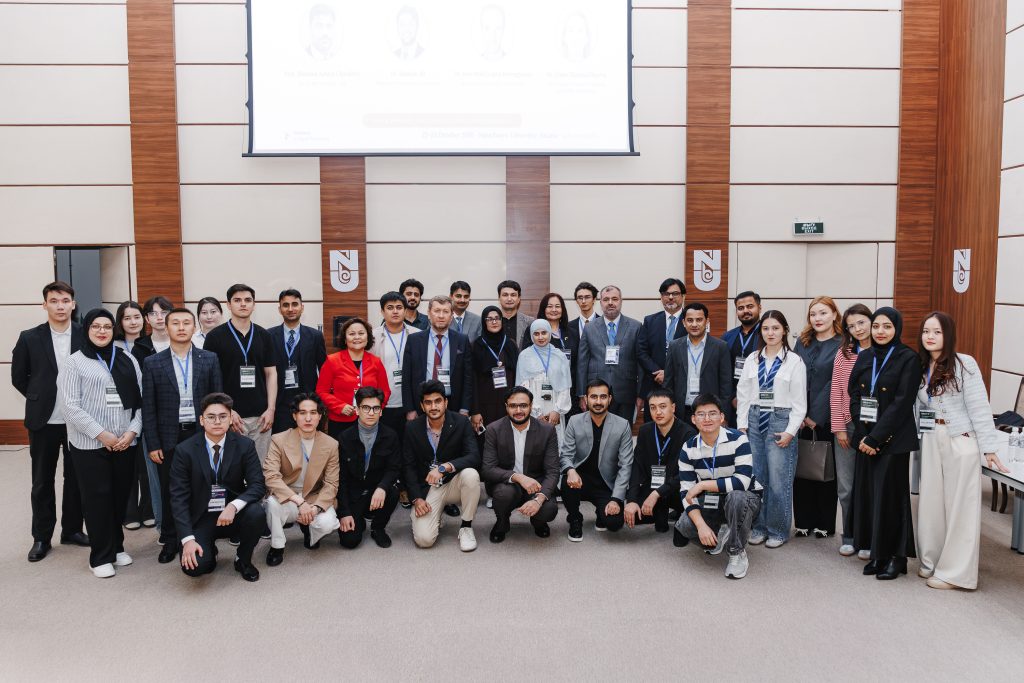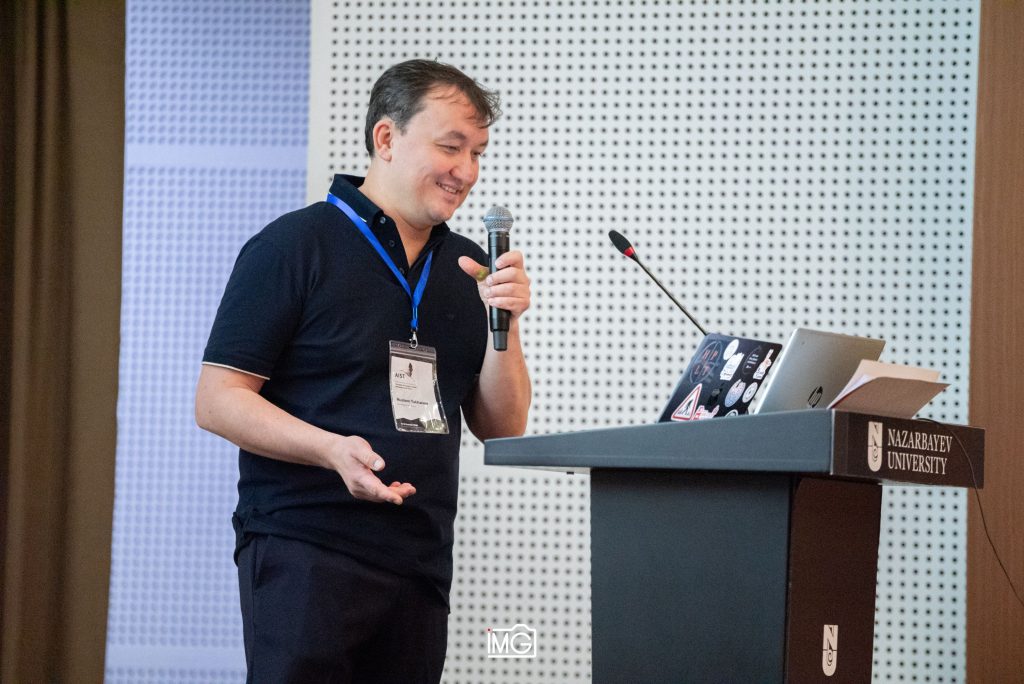
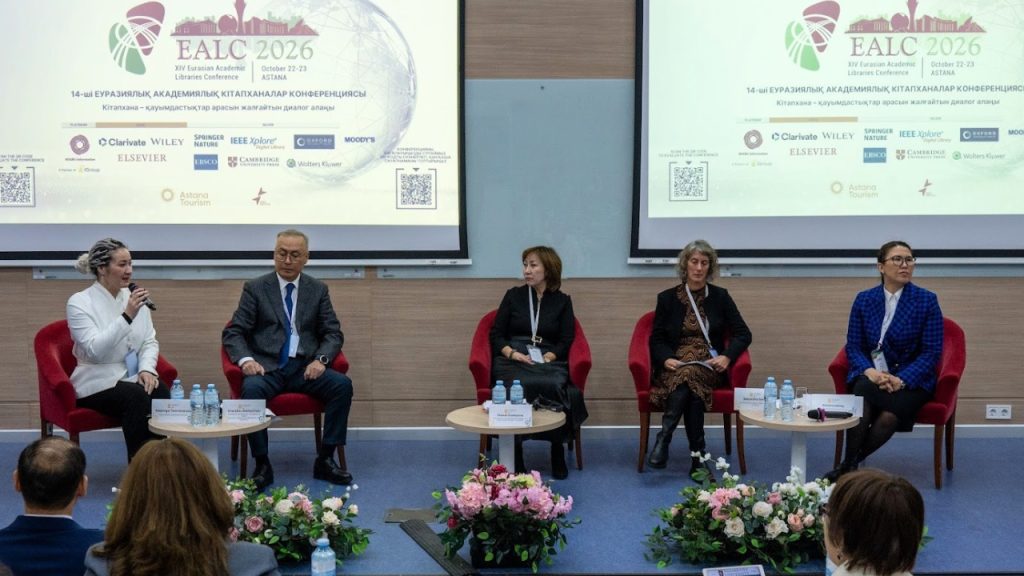

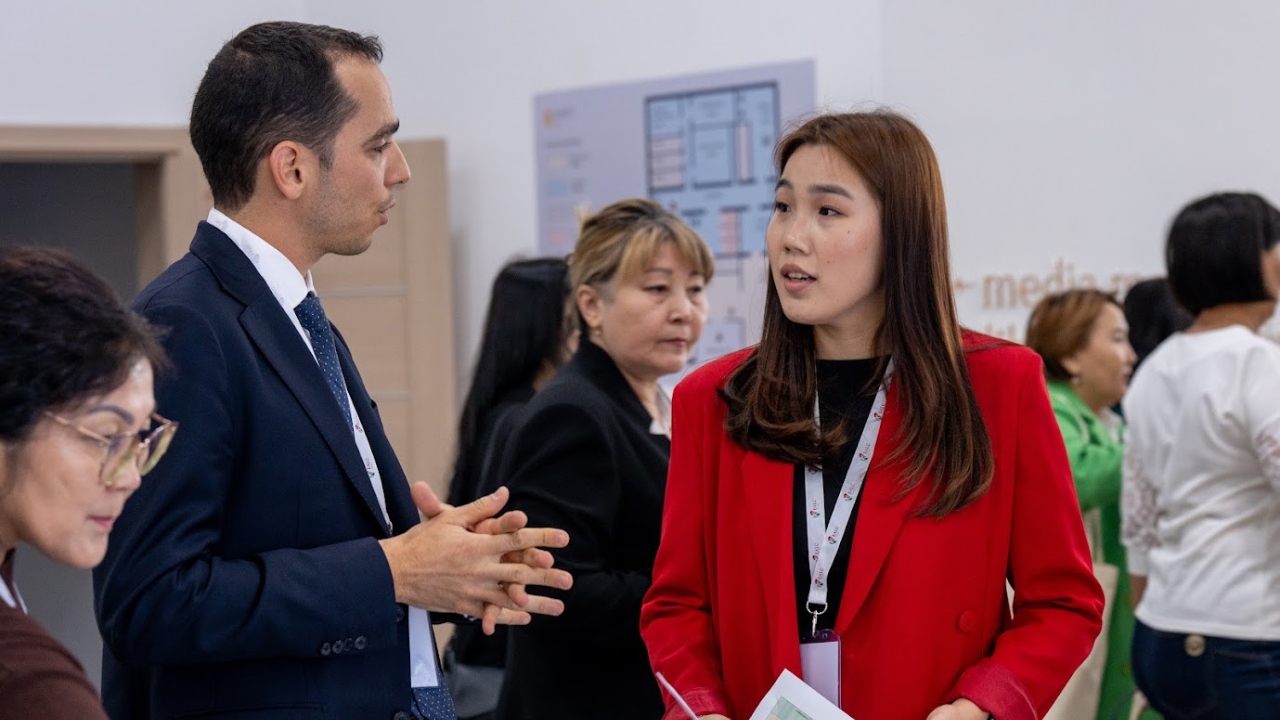
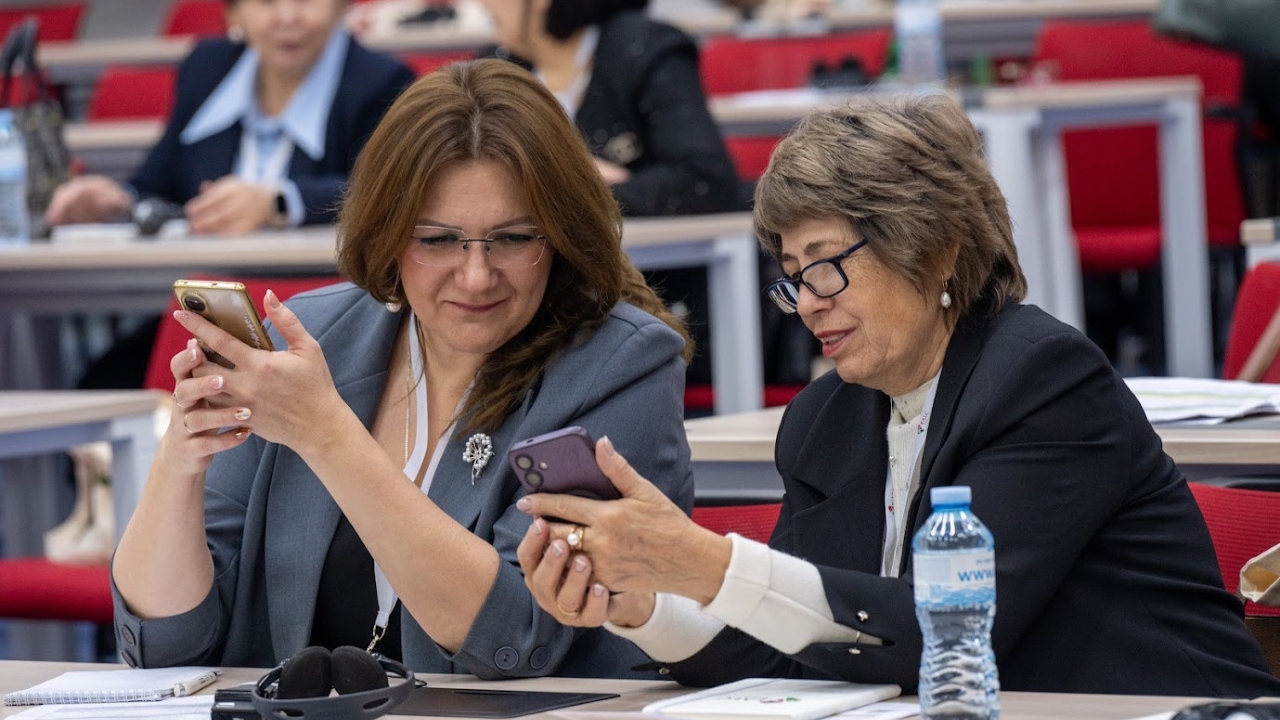




The 14th Eurasian Academic Libraries Conference (EALC-2026), held at Nazarbayev University, brought together experts to discuss artificial intelligence, the future of research, and the evolving role of university libraries.
As artificial intelligence becomes increasingly integrated into everyday life, academic libraries face a fundamental question: How can universities help students develop the ability to read deeply, think independently, and critically evaluate information?
Today, digital tools can retrieve information in seconds, summarize lengthy texts, and process vast amounts of data. But as these capabilities become more accessible, the value of engaging directly with complex ideas — rather than relying on summaries — becomes all the more important.
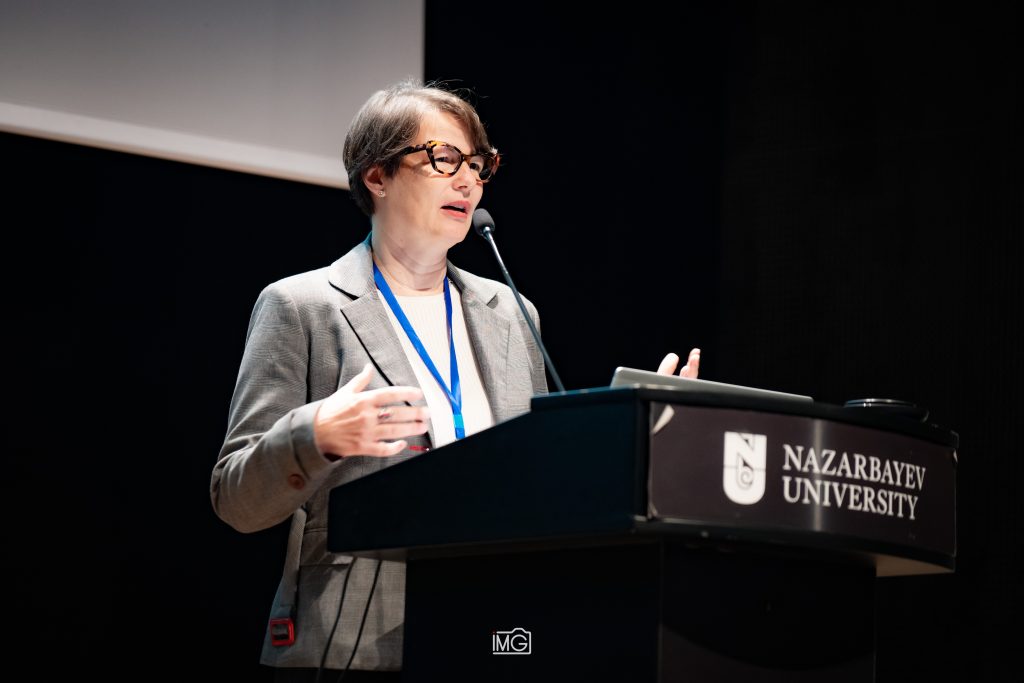
Assemgul Temirkhanova, director of the Nazarbayev University Library, addressed these changes in reading habits and their implications for higher education and research. In her presentation, she referred to a recent article in The Atlantic examining the decline of sustained, attentive reading. The challenge, she argued, is not simply to preserve reading as a habit, but to cultivate the ability to engage with complex texts, evaluate arguments, and develop an independent understanding of what one reads.
“Reading is not an innate human ability. It is something we learn: how to turn symbols into meaning,” Temirkhanova said.
The rise of AI makes this task especially urgent. As students increasingly turn to summaries instead of reading original sources, universities must preserve opportunities for sustained engagement with material and the development of research skills.
At the same time, academic libraries have evolved beyond their traditional role as repositories of books. At research universities, they are an essential part of the research infrastructure, helping scholars discover and evaluate sources, navigate the scholarly literature, and advance their academic work.
Another major theme of the conference was how libraries can adapt to rapid technological change. Carol E. Smith, dean of libraries at the University of Kansas in the United States, focused her presentation on engaging staff in innovation and creating the conditions for organizational change.
She noted that the pace of AI development is pushing many organizations to respond only after changes have already occurred. Sustained innovation, however, requires more than adopting new technologies. It also calls for a willingness to rethink internal processes, management practices, and how teams work together.
Smith identified overly hierarchical management structures, in which decisions flow primarily from the top down, as one potential barrier to innovation. While this approach may help move individual tasks forward, it can limit employees’ opportunities to contribute ideas and develop new initiatives independently.
The international EALC-2026 program featured speakers from the United States and South Korea. Sessions explored collaboration among university libraries, the use of AI in library services and research, and practical approaches to finding, evaluating, and synthesizing scholarly information.
Among the speakers was Brian Rosenblum, director of the Institute for Globally Engaged Librarianship at the University of Kansas Libraries, who shared insights into international collaboration between Kazakhstan and the United States. Jee-yeon Lee, a professor at Yonsei University and vice president of the Korean Library Association, discussed the development of integrated data systems for intelligent library services. Boglarka S. Huddleston from the Lane Medical Library at Stanford University School of Medicine presented work focused on teaching researchers how to search for, evaluate, and synthesize scientific evidence.
The program also addressed academic integrity in the use of AI, the development of research literacy, the automation of library processes, and collaboration between libraries, faculty, and students.
EALC-2026 underscored that the future of academic libraries will depend on more than the technologies they adopt. Just as important is their ability to help people navigate an increasingly complex information landscape, sustain independent thinking, and create opportunities for collaboration among researchers, students, and professional communities.