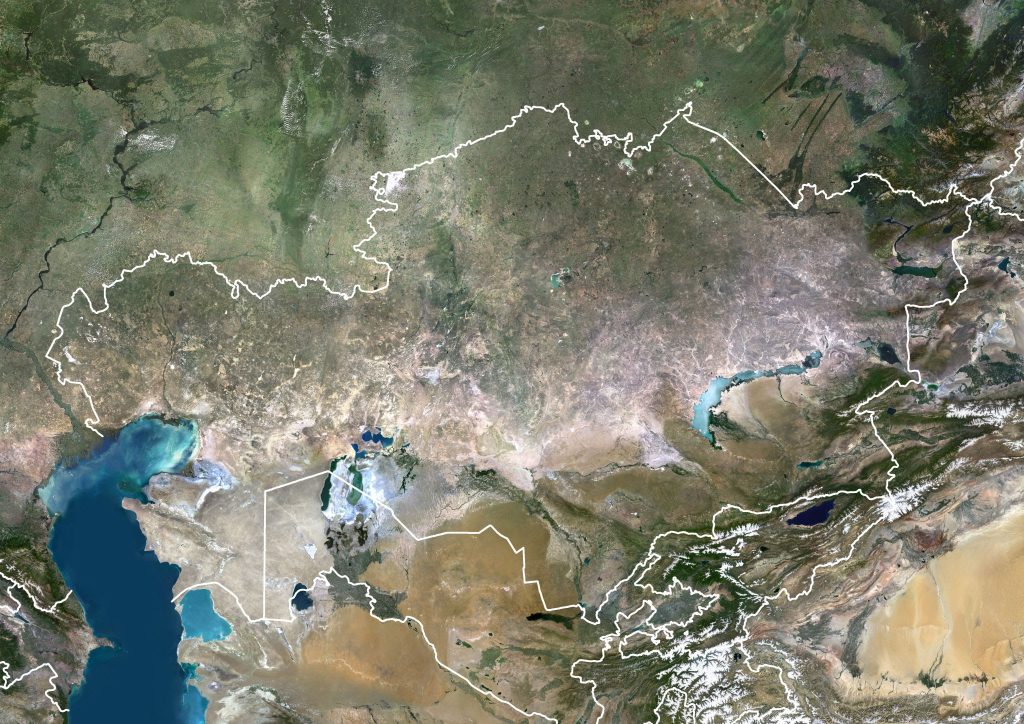
Researchers from National Laboratory Astana (NLA) at NU presented findings from a scientific project assessing the water balance of five water management basins in Kazakhstan using satellite data and ground observations. The research aims to improve understanding of the country’s water resources and explore how scientific data can support their management.
Research project was carried out in 2024–2026 under the scientific leadership of Vadim Yapiyev, with funding from the Science Committee of the Ministry of Science and Higher Education of the Republic of Kazakhstan. The study covered five water management basins: Zhaiyk–Caspian, Yesil, Tobyl–Torgai, Nura–Sarysu and Ertis.
As part of the project, researchers analysed climatic and hydrological data, compared different information sources and produced estimates of water balance components. Particular attention was given to changes in climate and river flow, precipitation and evaporation. The findings highlight the importance of accounting for regional and seasonal differences, as well as further data validation and refinement.
Another area of the project focused on the WaterBalance Kazakhstan geoportal, which brings together maps, datasets and interactive visualisations for research and practical applications.
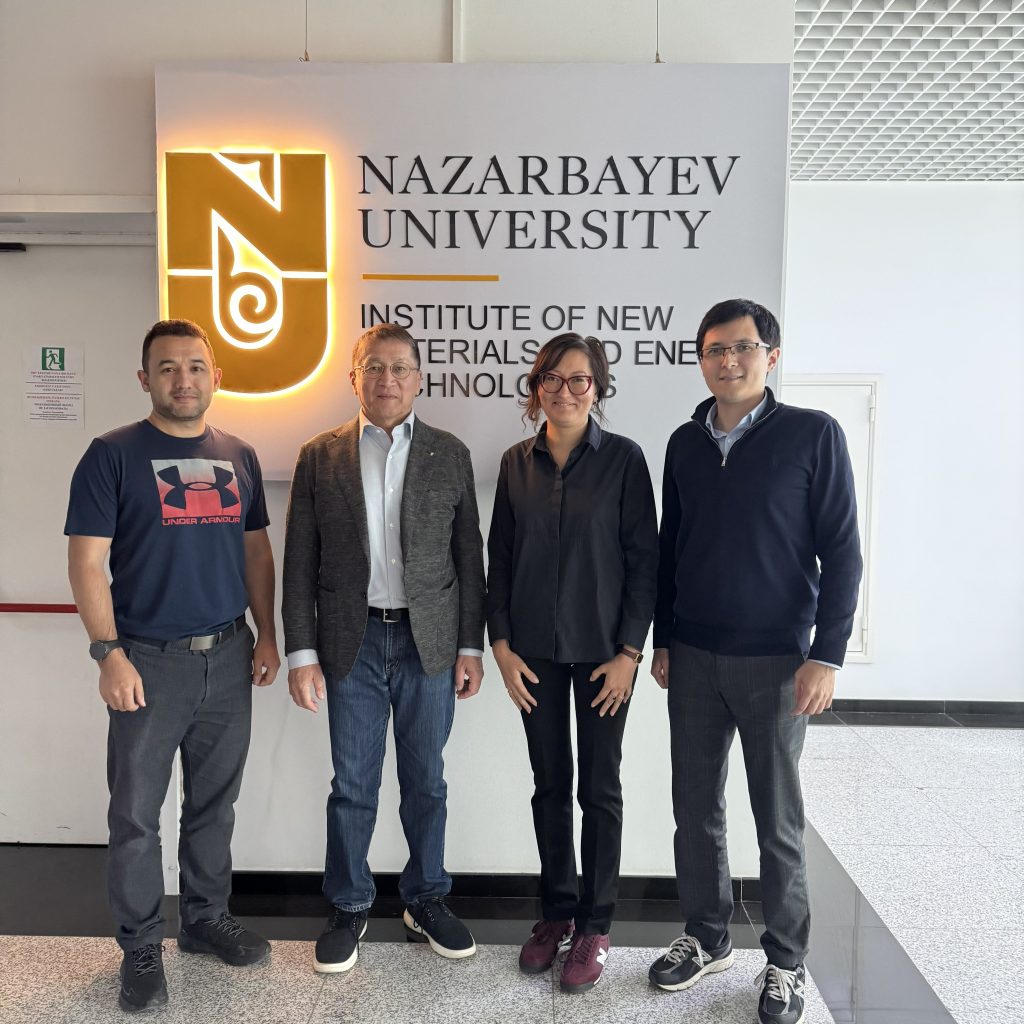
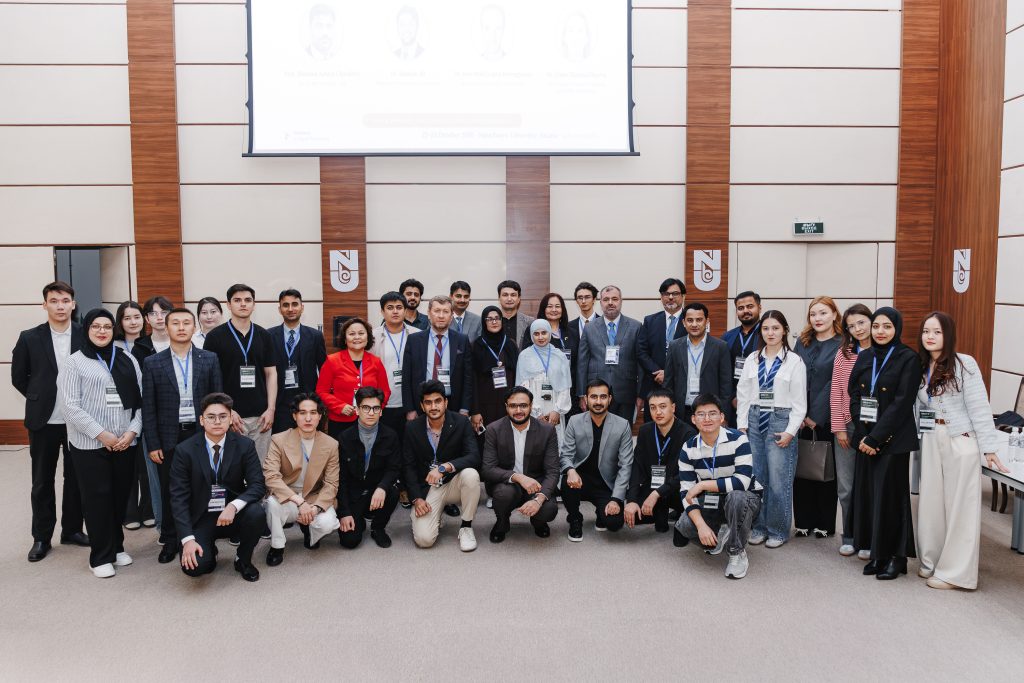
The findings were presented at the final seminar, “Water Budget of Kazakhstan: A Transboundary View from Space and Ground”, organised by NLA in collaboration with NU’s Office of Sustainable Development. Scientific presentations were delivered by Vadim Yapiyev, Zarina Saidaliyeva, Nurlan Ongdas and Abdikaiym Zhiyenbek.
Participants discussed the research findings, potential applications of the geoportal and directions for further studies. The seminar highlighted the importance of collaboration between researchers and practitioners in developing scientifically informed approaches to managing Kazakhstan’s water resources.
The research also aligns with the UN Sustainable Development Goals, particularly SDG 6 (Clean Water and Sanitation), SDG 13 (Climate Action) and SDG 17 (Partnerships for the Goals).