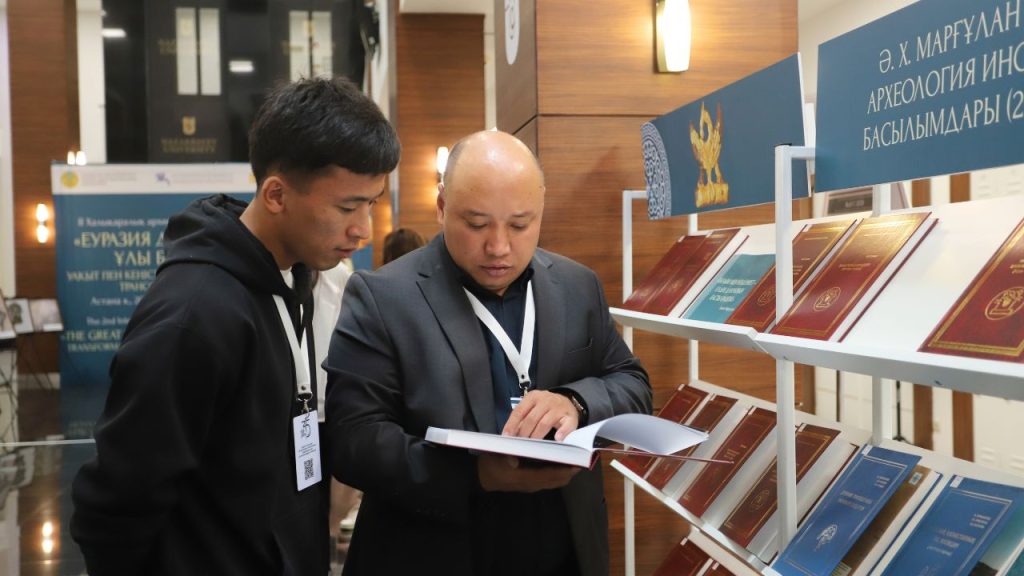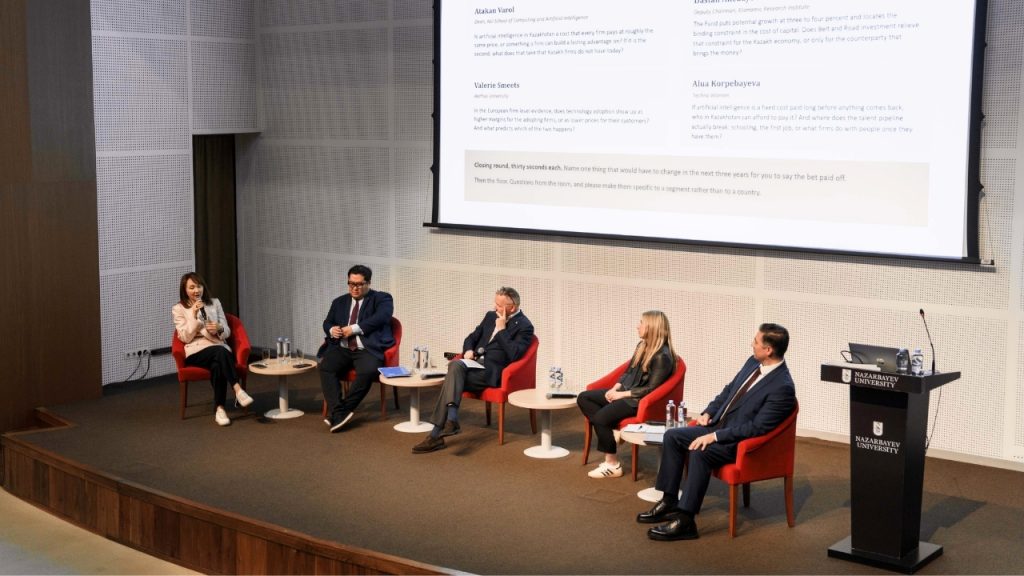
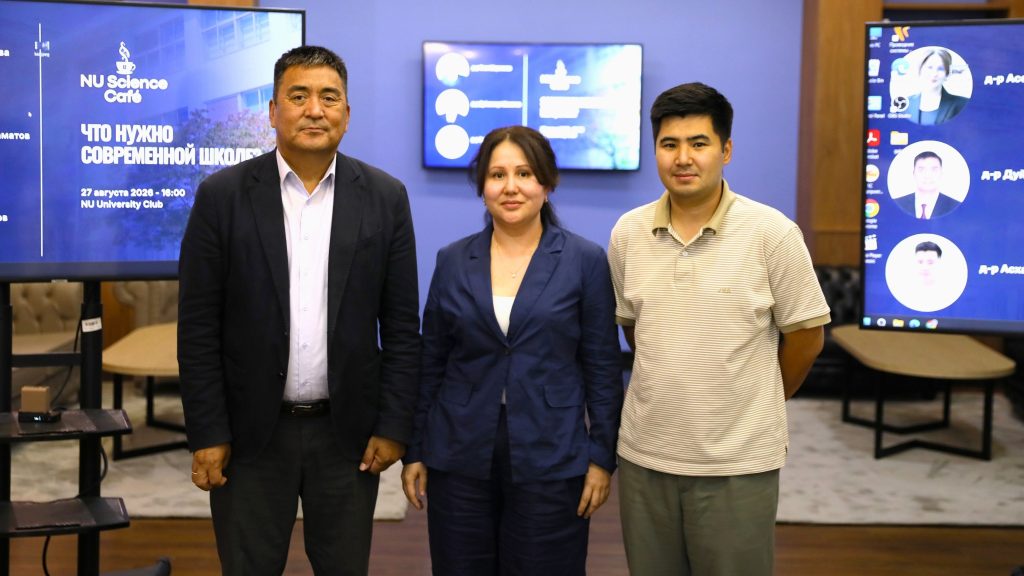
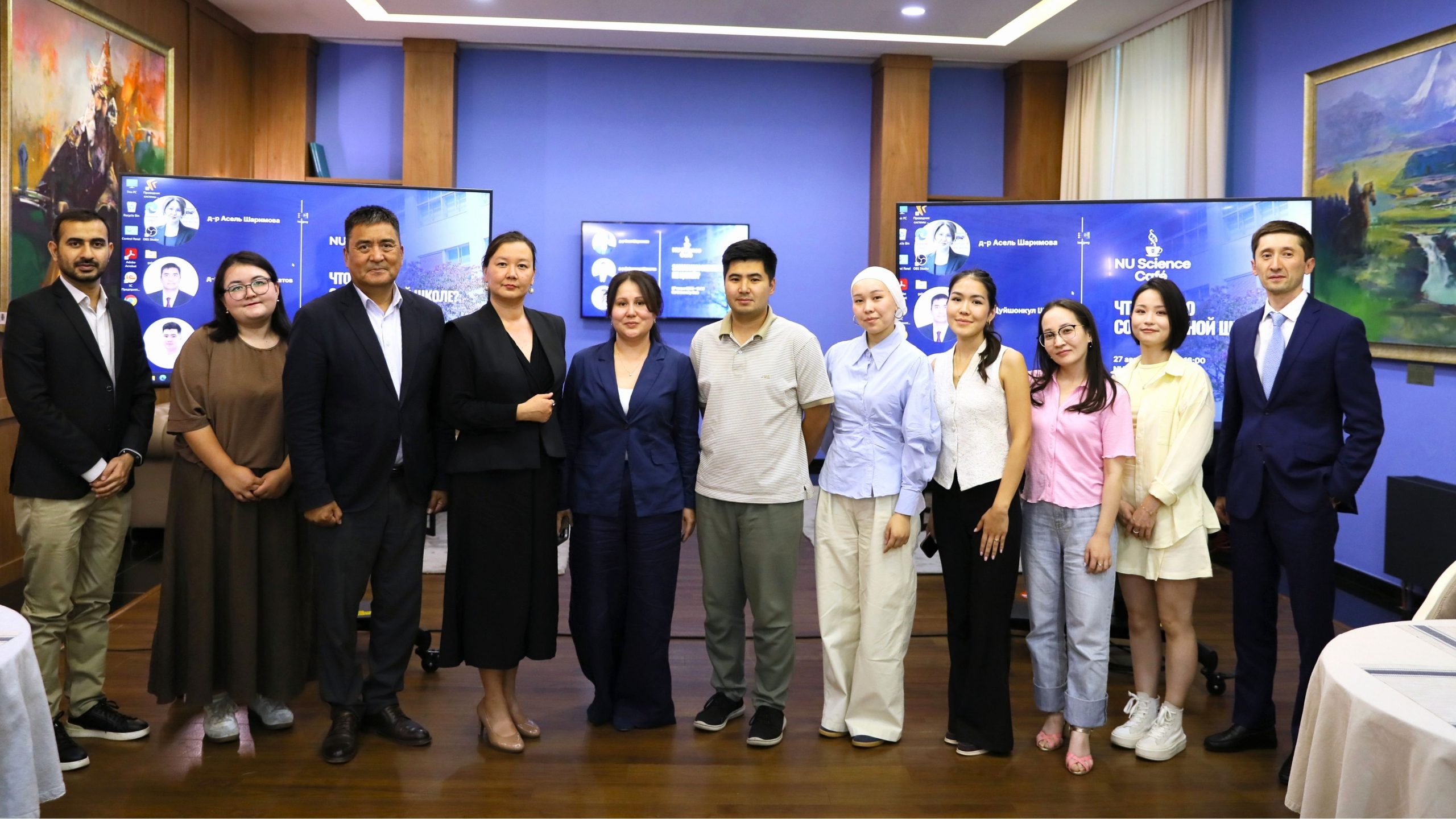
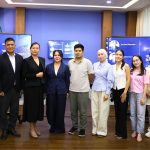
Ahead of the new academic year, researchers from the Nazarbayev University Graduate School of Education (NUGSE) discussed with journalists current issues in school education and the teaching profession at an NU Science Café session. What helps teachers stay motivated? How can professional burnout be prevented? What shapes the real status of teachers? And what role do professional autonomy, support from colleagues and school leadership play in this process?
Duishon Shamatov, Associate Professor at the NU Graduate School of Education and a researcher specialising in teacher education and professional development, spoke about the status of teachers and Kazakhstan’s results in the international PISA assessment.
“A high status for teachers is not simply about a decent salary or public respect. It also includes professional trust, autonomy and the ability to make independent pedagogical decisions. The Law on the Status of Teachers was an important step towards the institutional recognition of the profession. However, a teacher’s real status is also shaped by working conditions, the level of trust placed in teachers and their professional autonomy,” the researcher noted.
Speaking about PISA, Professor Shamatov emphasised that it is neither an examination for teachers nor a competition between schools, but rather an indicator of how effectively an education system teaches children to apply knowledge, reason, solve problems and use what they learn in real-life situations. Therefore, he noted, improving Kazakhstan’s results cannot be achieved without attention to teachers’ professionalism and working conditions.
The discussion was continued by Askhat Makhmetov, a postdoctoral researcher at the NU Graduate School of Education and author of Kazakhstan’s first study dedicated to teacher wellbeing. One of the study’s unexpected findings was described as the “master’s degree paradox.”
“Holding a master’s degree is associated with lower levels of teachers’ subjective wellbeing. At the same time, the proportion of teachers in Kazakhstan with a master’s degree has increased from approximately 3.5% several years ago to 11% today. This raises the question of what happens to the expectations of highly qualified professionals when they encounter the demanding routines of the teaching profession,” Dr Makhmetov said.
The study also shows that high professional performance is not always accompanied by a high level of wellbeing. Almost a quarter of teachers belong to a group that demonstrates high effectiveness while simultaneously experiencing signs of exhaustion. This raises the question of how to retain the most engaged teachers and prevent high professional commitment from leading to chronic overwork.
Assel Sharimova, Assistant Professor at the NU Graduate School of Education and a PhD graduate in Education from the University of Cambridge, presented research focused on teacher education and professional development. In 2026, she received the international Michael Fullan Emerging Researcher Award.
Her research places particular emphasis on the first years of teaching. Early-career teachers must simultaneously adapt to the profession and manage a significant workload, including lesson preparation, assessment, reporting and additional responsibilities.
“Colleagues play an important role in helping early-career teachers adapt. Practical advice, opportunities to observe lessons, constructive feedback and access to a mentor in difficult situations can be particularly valuable. Support from school leadership is equally important — practical assistance, openness and a willingness to help teachers navigate professional challenges,” Dr Sharimova noted.
The research also highlights the potential of digital technologies and artificial intelligence in supporting early-career teachers. Digital tools can help engage students, support assessment and feedback, and visualise complex STEM concepts, while AI can assist with lesson preparation and other professional tasks.
Ultimately, the discussion returned to a simple conclusion: high-quality education is impossible without strong, professionally empowered and motivated teachers. As the new academic year approaches, this topic is particularly timely. Against the backdrop of a continuing shortage of more than 5,000 teachers, recently highlighted by the Head of State, creating conditions that make teaching an attractive and sustainable profession is especially important.
NU Science Café is a traditional informal meeting between university researchers and journalists. The platform gives researchers an opportunity to share their findings and discuss topical issues based on scientific evidence and expert analysis.