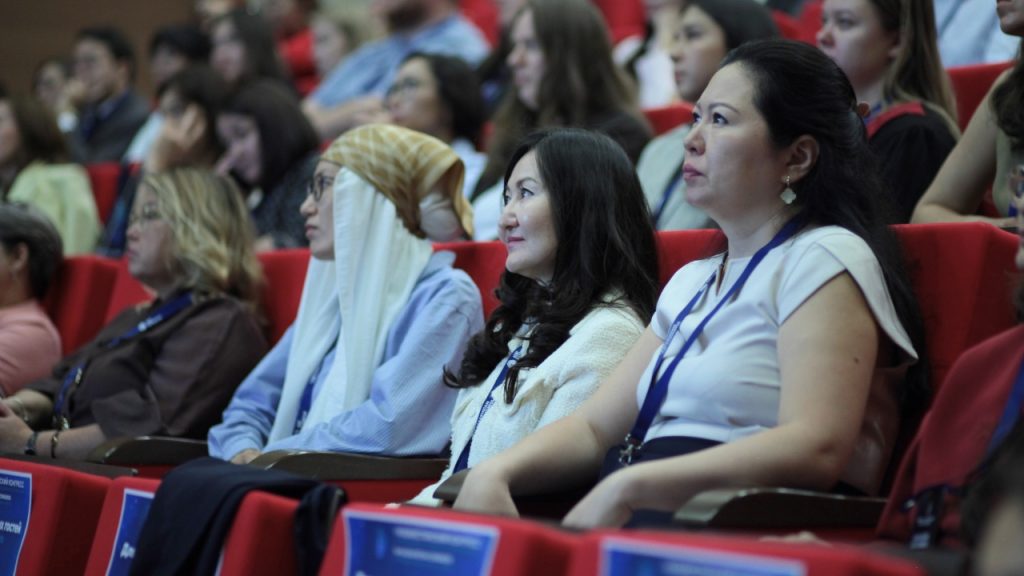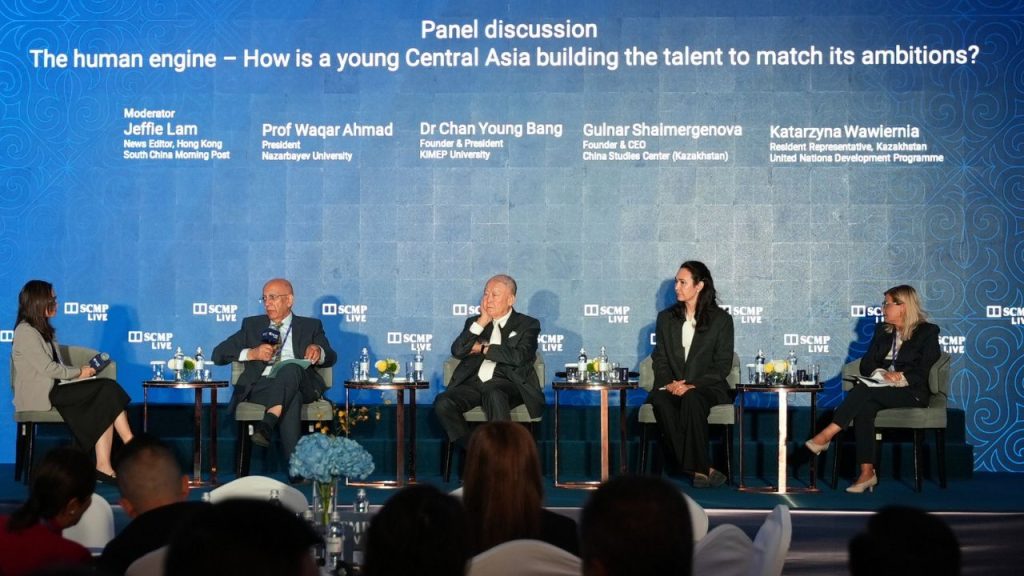
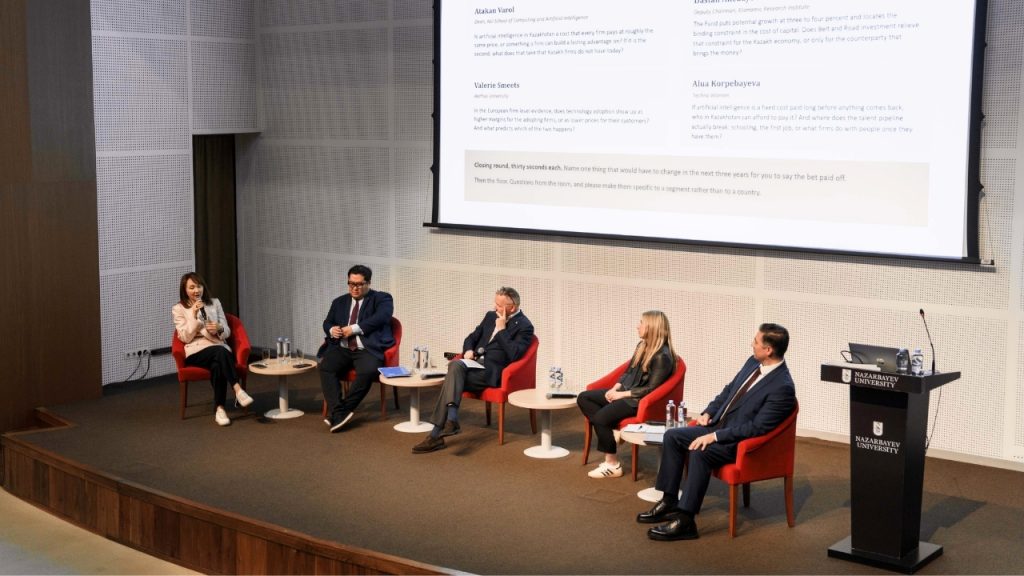
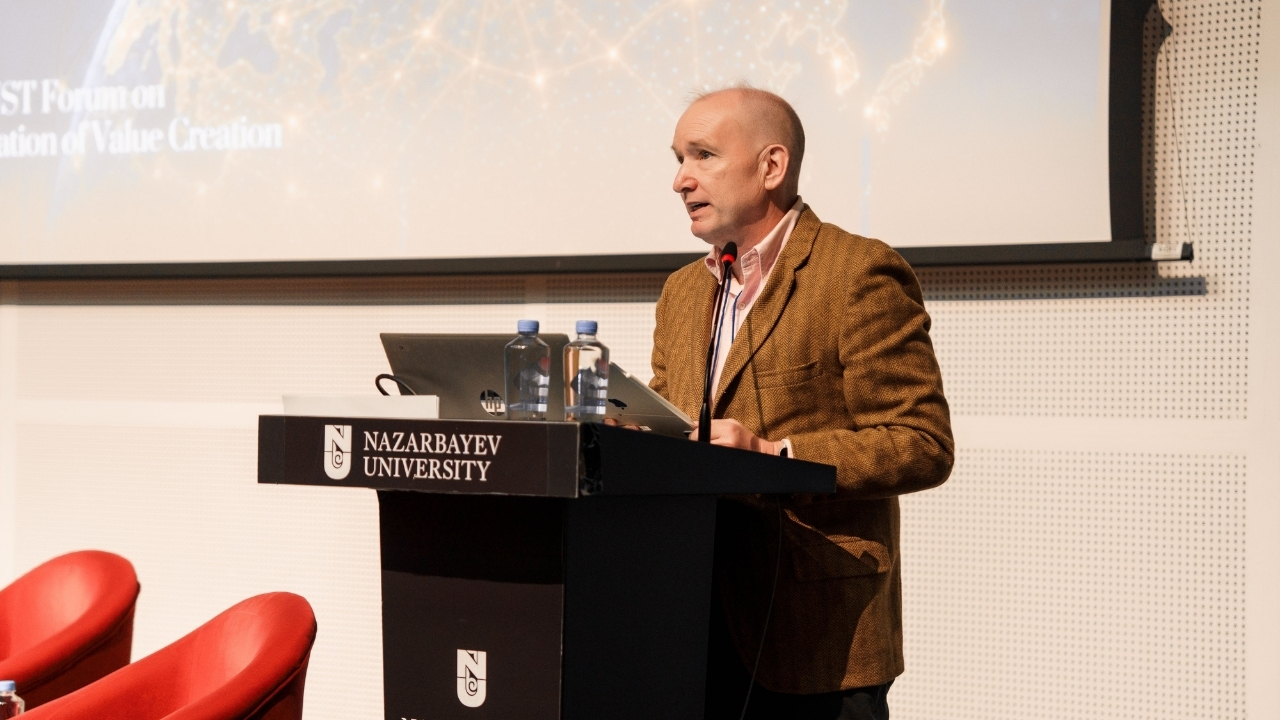
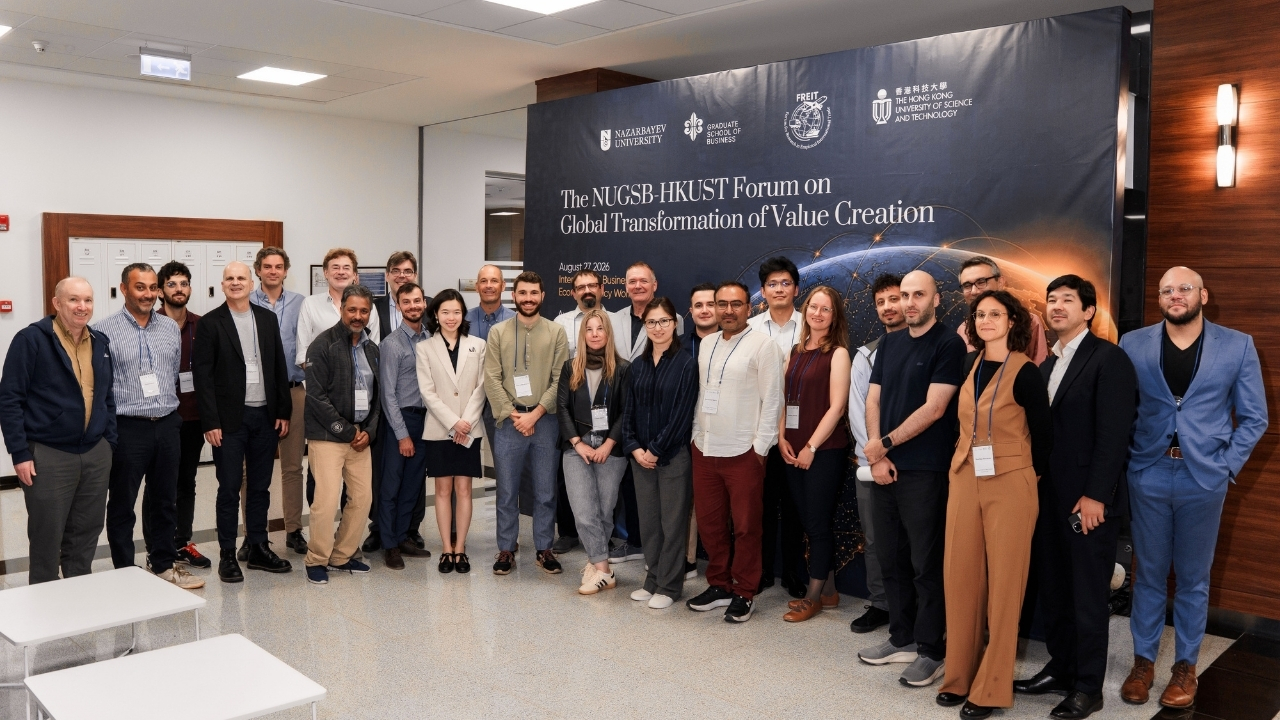
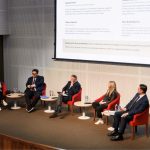
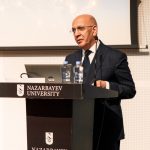
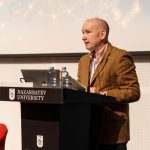
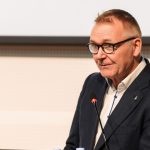
Nazarbayev University has hosted a FREIT (Forum for Research in Empirical International Trade) conference for the first time — the leading international network of researchers in empirical trade studies since 1994. On 28–29 August, economists from universities and research centers across Europe, Asia and North America gathered at Nazarbayev University to present papers on sanctions, China’s industrial policy, the Belt and Road Initiative and the regulation of digital trade.
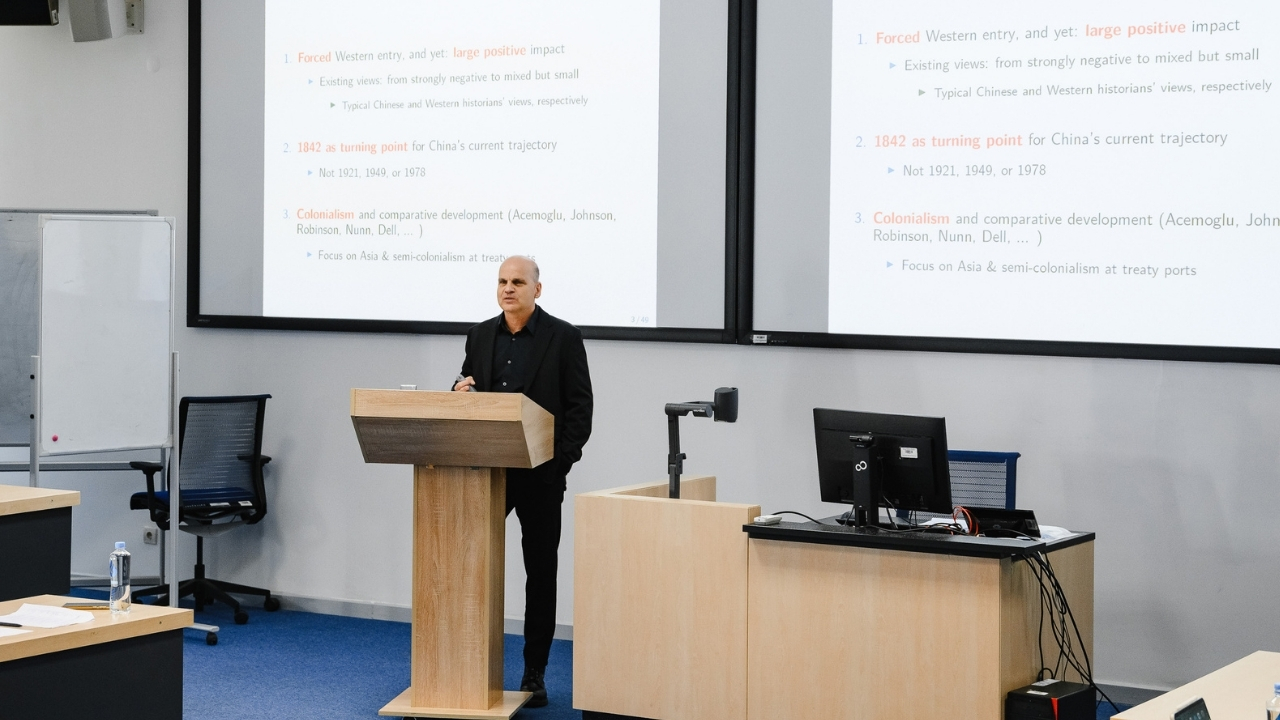
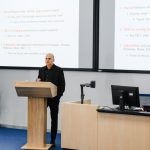
The inaugural Silk Road Empirical Trade Conference took place where the trade routes of Eurasia once converged — and opened with a paper on one of the most consequential trade wars in history. Professor Wolfgang Keller (HKUST, University of Colorado) presented his research, The Economic Consequences of the Opium War.
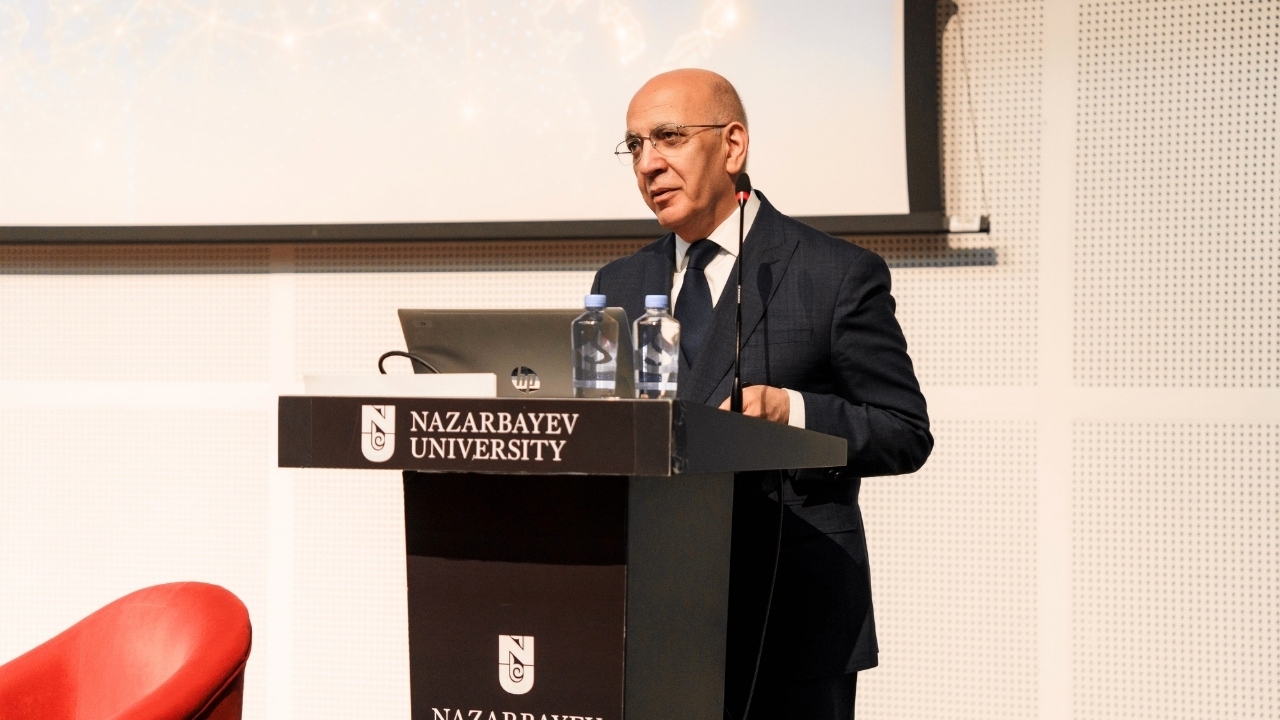
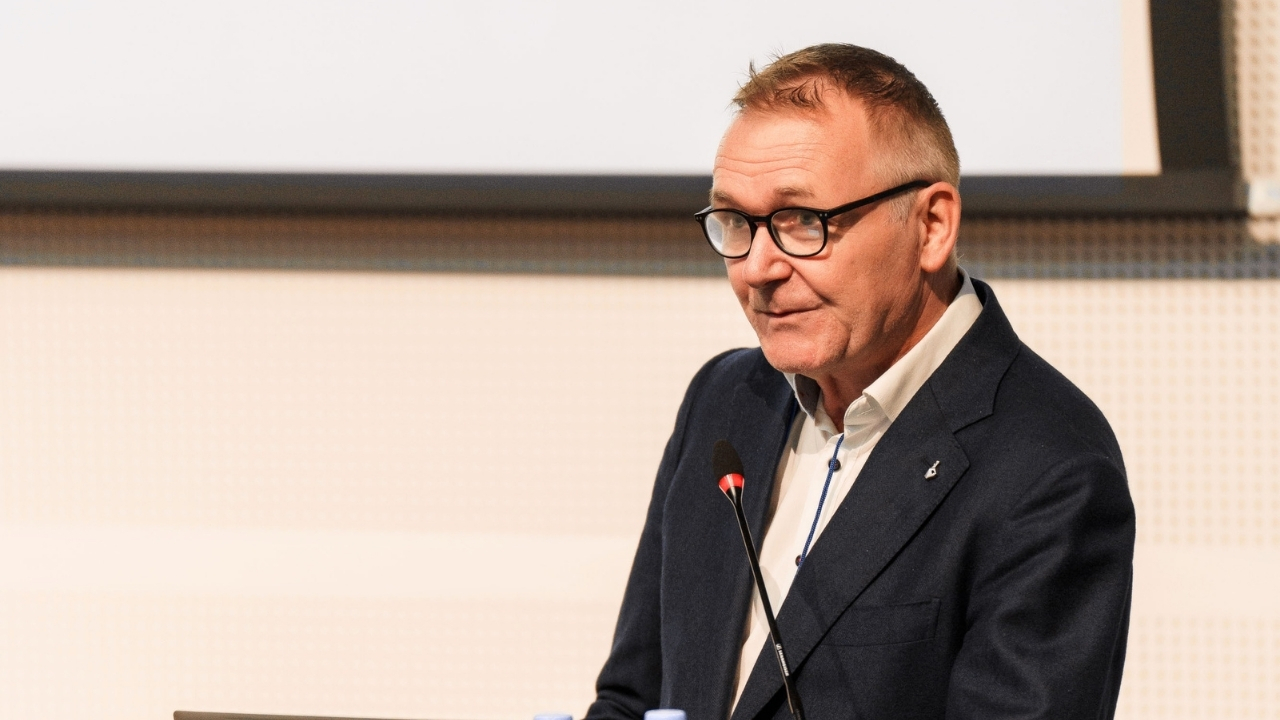
“It’s a serious signal about where Kazakhstan now sits on the map — a signal about the partnership that Nazarbayev University and HKUST have developed, which will go from strength to strength, both in teaching and research,” said NU President Waqar Ahmad. The two universities, he noted, “are working on the same questions from opposite ends of the same corridor: artificial intelligence, supply chains and organisations.”
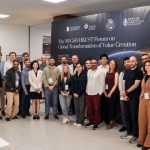
The conference was organised by the NU Graduate School of Business, the HKUST Business School and the Forum for Research in Empirical International Trade (FREIT) at Georgia Tech. It formed part of the three-day NUGSB–HKUST Forum on Global Transformation of Value Creation.
Over two days, participants presented 12 selected papers. Beyond sanctions and industrial policy, researchers discussed technology transfer and the diffusion of ideas, as well as the relationship between external demand and the quality of domestic production. The programme combined paper presentations with expert talks and open discussion.
The organisers gave particular attention to the region. On 27 August, ahead of the conference, a workshop was held for Central Asian researchers, with four papers presented by invited scholars from New Uzbekistan University, NUGSB, Özyeğin Graduate School of Business and NAC Analytica. The format gives researchers from the region direct access to the international academic community.
“Our purpose here is to help build faculty-to-faculty connections. And we’re doing that by engaging in collaborative research conferences held both here and at HKUST, previously and in the future,” prof. David Cook of HKUST highlighted.
The conference coincided with the launch of a joint dual-degree programme, the Bachelor of Business Administration in Eurasian Business. The collaboration is expected to extend beyond the two business schools, with the universities exploring joint projects in engineering and artificial intelligence.