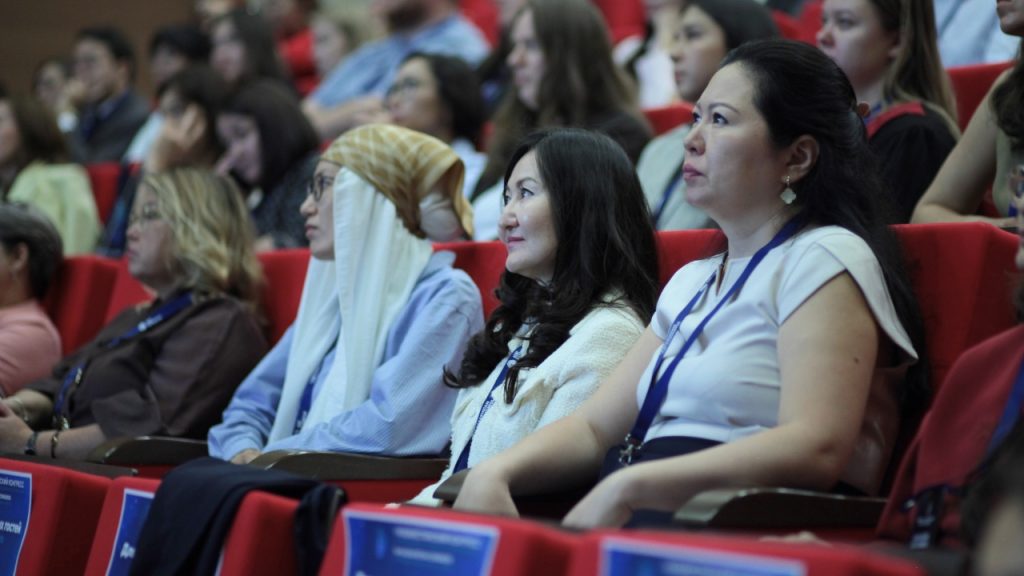
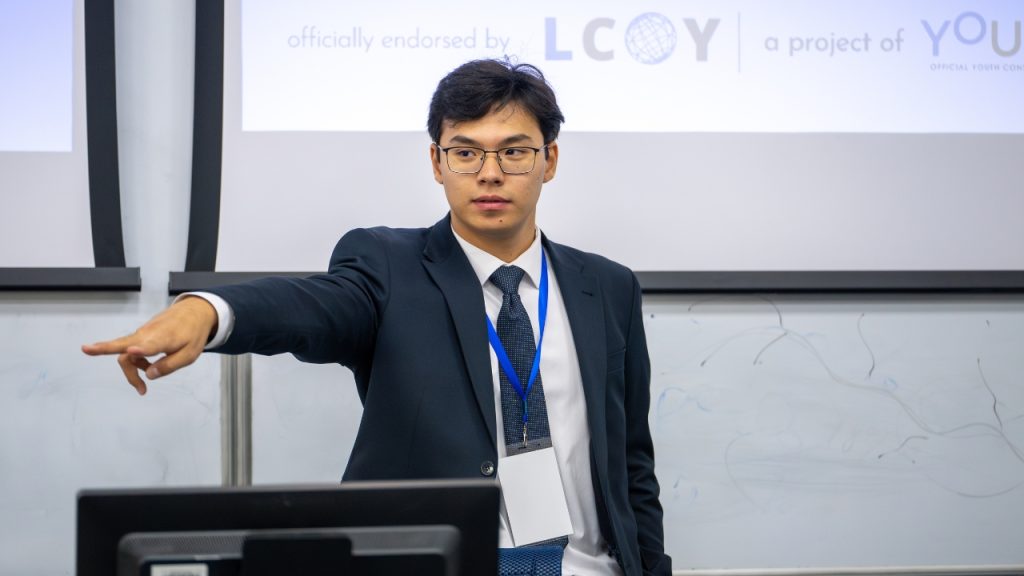
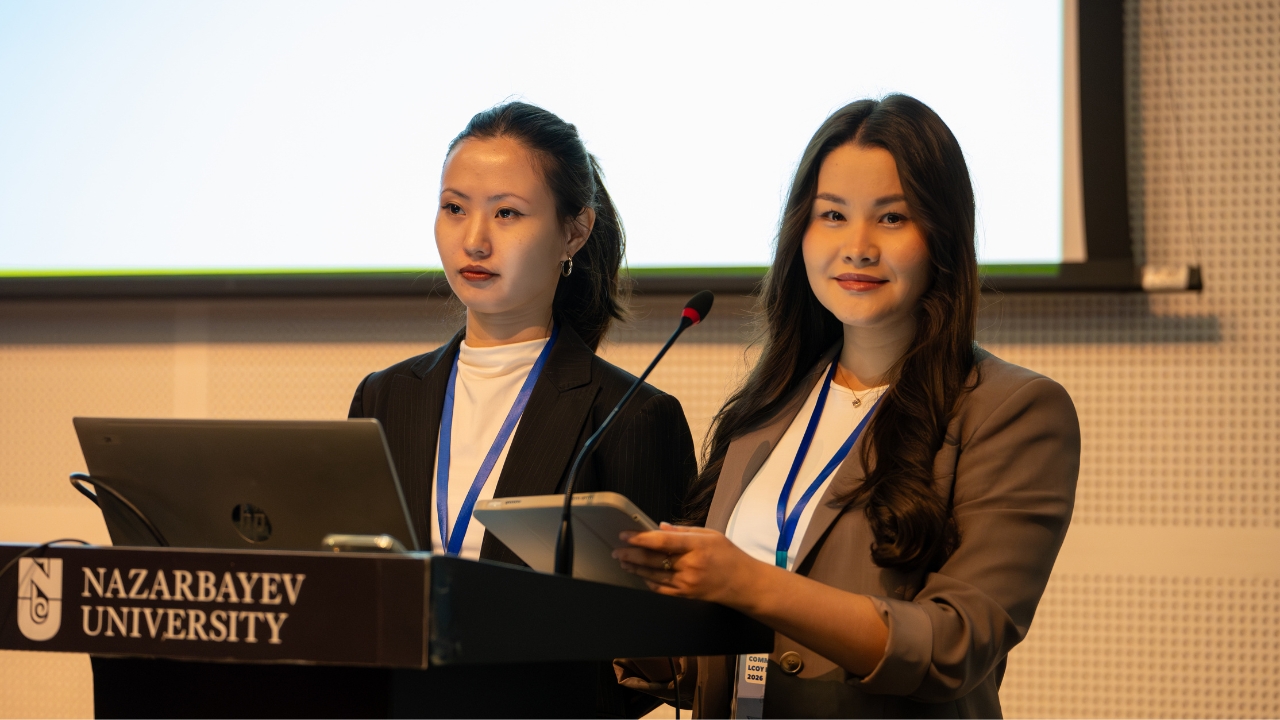
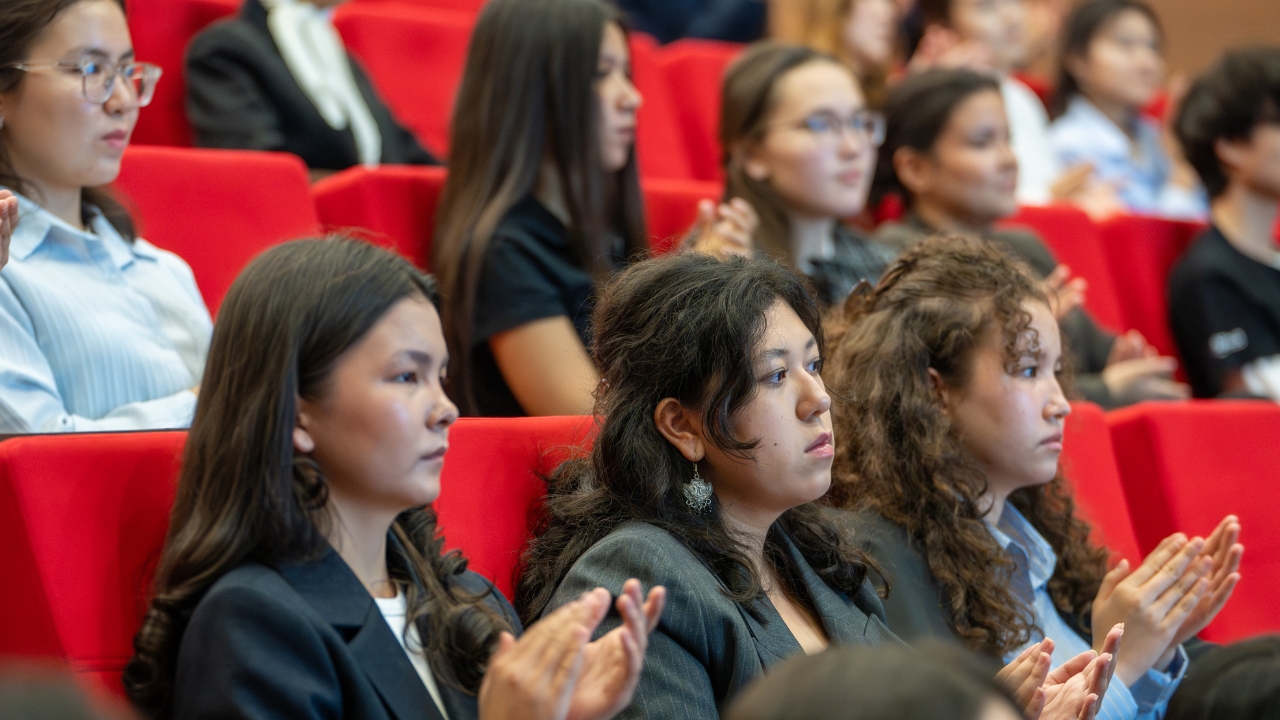
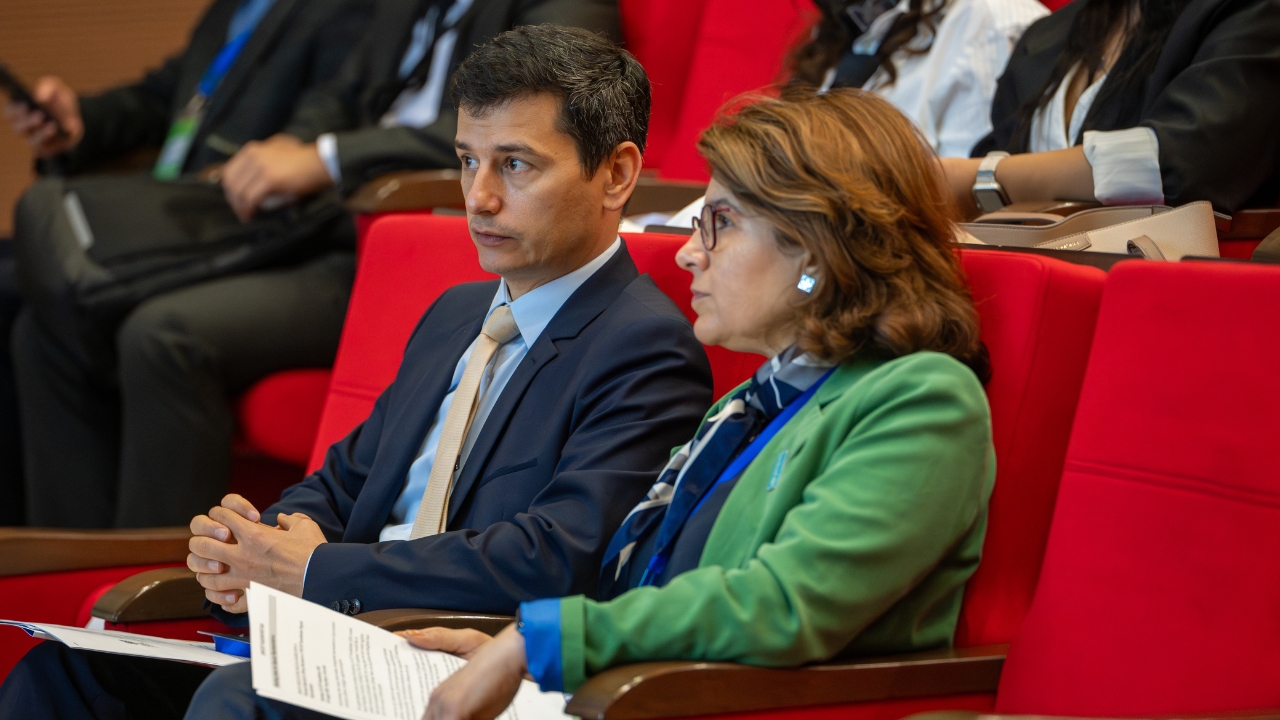
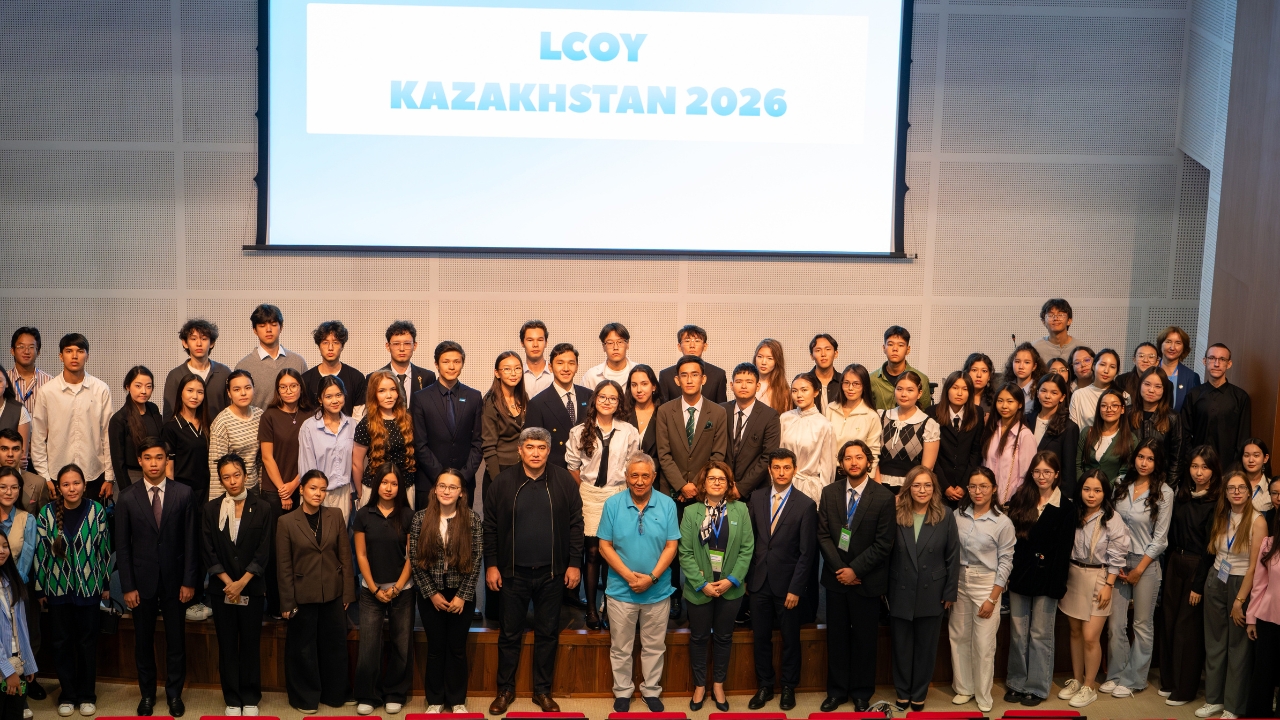
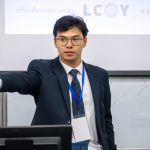



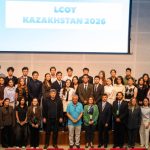
What can young people contribute to addressing Kazakhstan’s climate challenges? Participants at the National Youth Climate Change Conference LCOY Kazakhstan 2026 explored this question at Nazarbayev University.
Over two days, the conference brought together young people from across Kazakhstan, along with government representatives, civil society organizations and climate experts. Participants discussed Kazakhstan’s climate priorities, the international climate agenda and practical projects that young people can develop in their communities.
Organized by Climate for Us and SDSN Youth Kazakhstan, the conference focused on issues shaping Kazakhstan’s climate future, including NDC 3.0—the third generation of Nationally Determined Contributions under the Paris Agreement—as well as international climate policy, COP31, climate adaptation, and water, food and energy security. The program also highlighted youth-led environmental initiatives.
The conference went beyond discussion. Participants worked in practical groups, learning how to build teams, develop their own projects, and plan their implementation. This allowed the conversation around climate change to move from theory to concrete solutions.
One of the conference’s central sessions was a youth consultation on the Implementation Plan for Kazakhstan’s NDC 3.0. Participants examined climate policy across several areas, from energy and transportation to education and climate adaptation. The consultation focused on eight areas: energy; energy efficiency in buildings and the urban environment; transport; waste management and utilities; agriculture and land use; climate change adaptation; climate finance; and education and green skills.
Participants developed a set of priority proposals that will be consolidated and submitted to Kazakhstan’s Ministry of Ecology and Natural Resources for consideration during the further development of the NDC 3.0 Implementation Plan. The outcomes of the youth consultation will also be reflected in the Plan’s consultation report. Through this process, LCOY Kazakhstan 2026 offered young people not only a platform to discuss climate challenges, but also an opportunity to contribute directly to conversations shaping Kazakhstan’s climate agenda.
“LCOY is a global youth-led process that currently takes place in nearly 100 countries under the auspices of the UN’s youth constituency. It is built on the principle of ‘youth for youth’ and is fully organized by young people themselves. It is important to us that LCOY remains an open platform for all young people who are interested in climate issues, regardless of their region, experience or level of engagement,” said Alimkhan Abulkhan, Coordinator of LCOY Kazakhstan 2026.
“It is important to us that young people are not simply listeners, but full-fledged participants in the climate agenda. LCOY gives young people an opportunity to develop their ideas, find like-minded people and contribute to discussions on decisions that will shape the country’s climate future. This year, one of the important areas of work was the consultation on the NDC 3.0 Implementation Plan, where participants were able to put forward their proposals on specific areas of climate policy,” said Balnur Baimagambet, Coordinator of LCOY Kazakhstan 2026.
One of the key outcomes of LCOY Kazakhstan 2026 was the National Youth Statement on Climate Change, which brings together proposals from young people across Kazakhstan on climate action and the implementation of NDC 3.0.