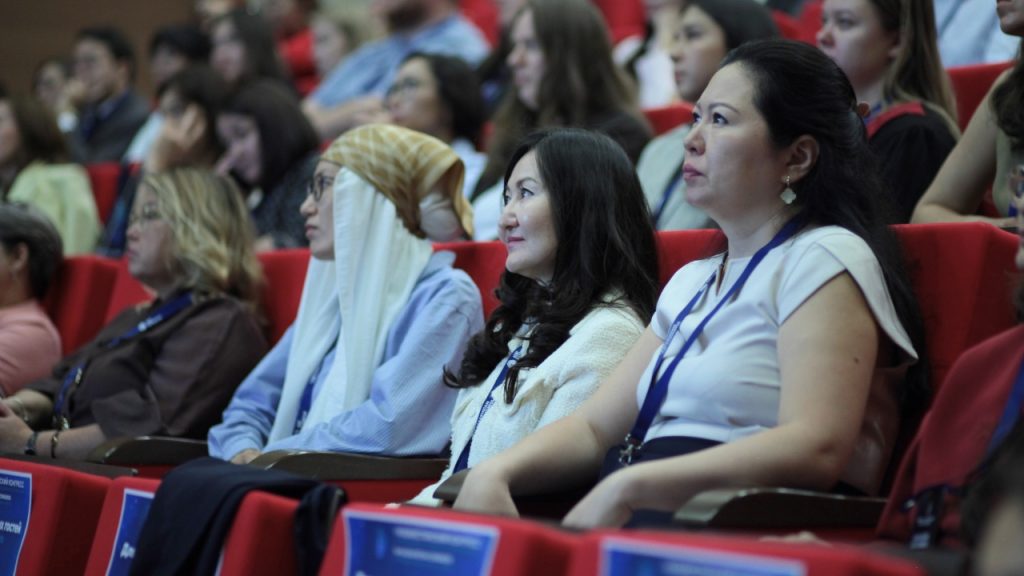
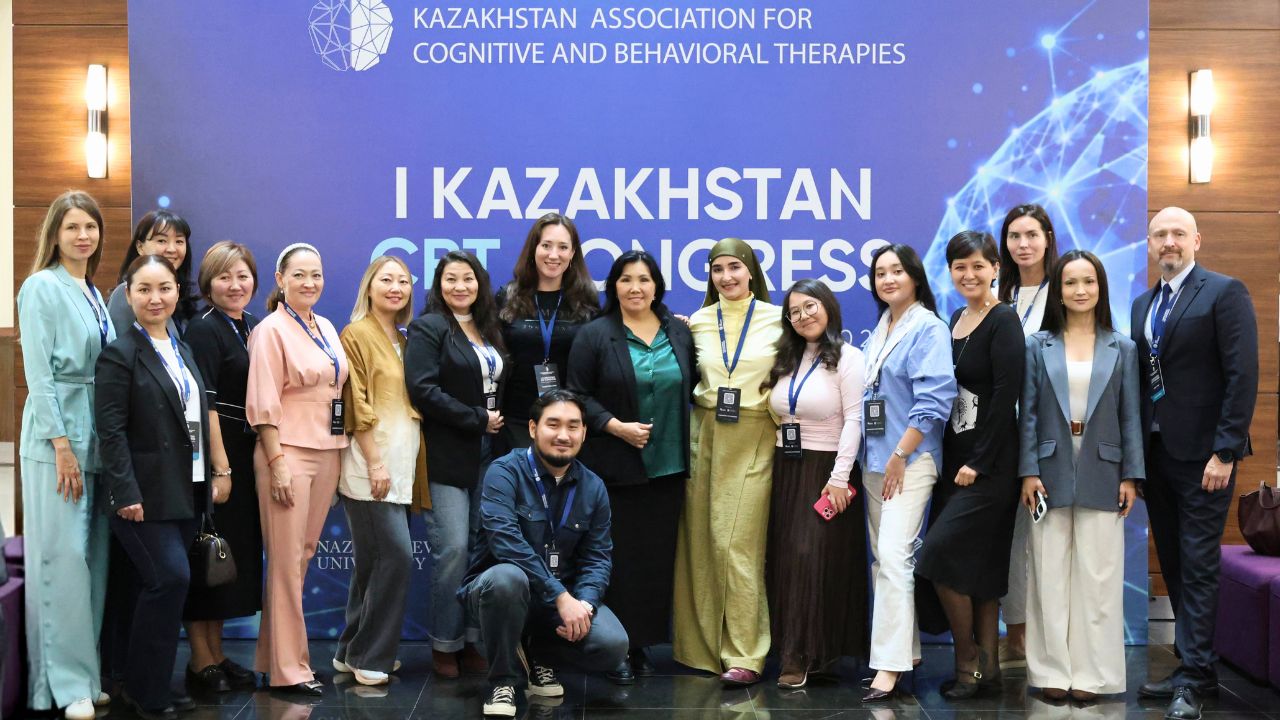
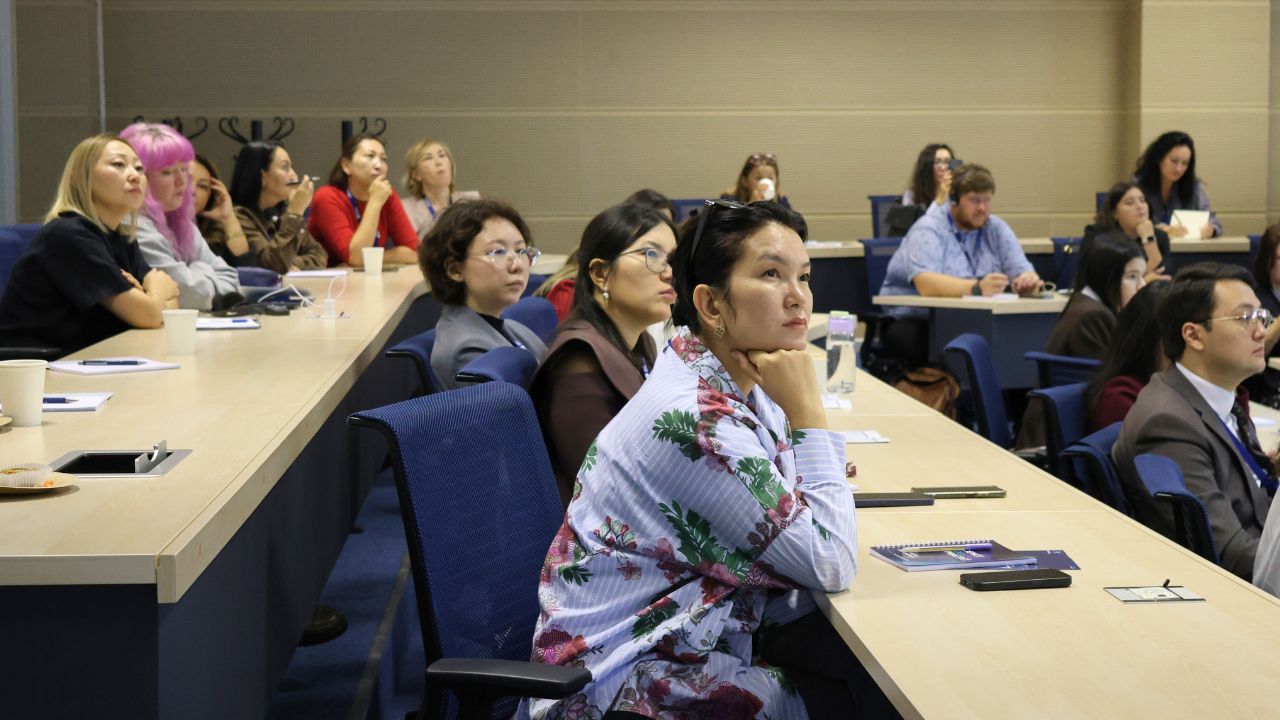
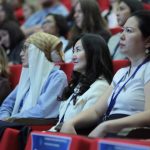
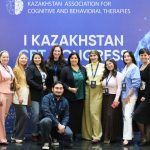
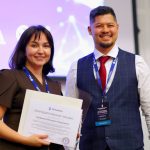
Nazarbayev University hosted Kazakhstan’s first Congress on Cognitive Behavioral Therapy (CBT), bringing together more than 200 mental health professionals, researchers, educators, and international experts to discuss the development of evidence-based psychotherapy in Kazakhstan.
Organized by the Kazakhstan Association of Cognitive Behavioral Therapy (KACBT) in partnership with the NU Psychological Counseling Service, the two-day Congress brought together specialists from Kazakhstan, Canada, the United States, the United Kingdom, India, Malaysia, Slovakia, Portugal, Spain, Russia, and Uzbekistan.
A central focus of the Congress was the development of evidence-based psychotherapy in Kazakhstan — approaches grounded in current scientific research, systematic evaluation of treatment effectiveness, professional training, and ethical standards.
The program featured more than 30 lectures, hands-on workshops, roundtable discussions, and professional sessions. Experts explored current approaches to treating depression and anxiety disorders, obsessive-compulsive disorder, addictions, personality disorders, insomnia, and chronic pain, as well as the prevention of suicidal behavior.
Other sessions addressed professional ethics, the regulation of psychological practice in Kazakhstan, standards for specialist training and supervision, and the use of artificial intelligence in psychotherapy.
Cultural adaptation of cognitive behavioral therapy was another key topic. Participants discussed how therapists can take into account a person’s language, values, and worldview while maintaining the scientific foundations of evidence-based approaches. The discussions also examined ways to adapt CBT for people whose religious and cultural values play an important role in their lives.
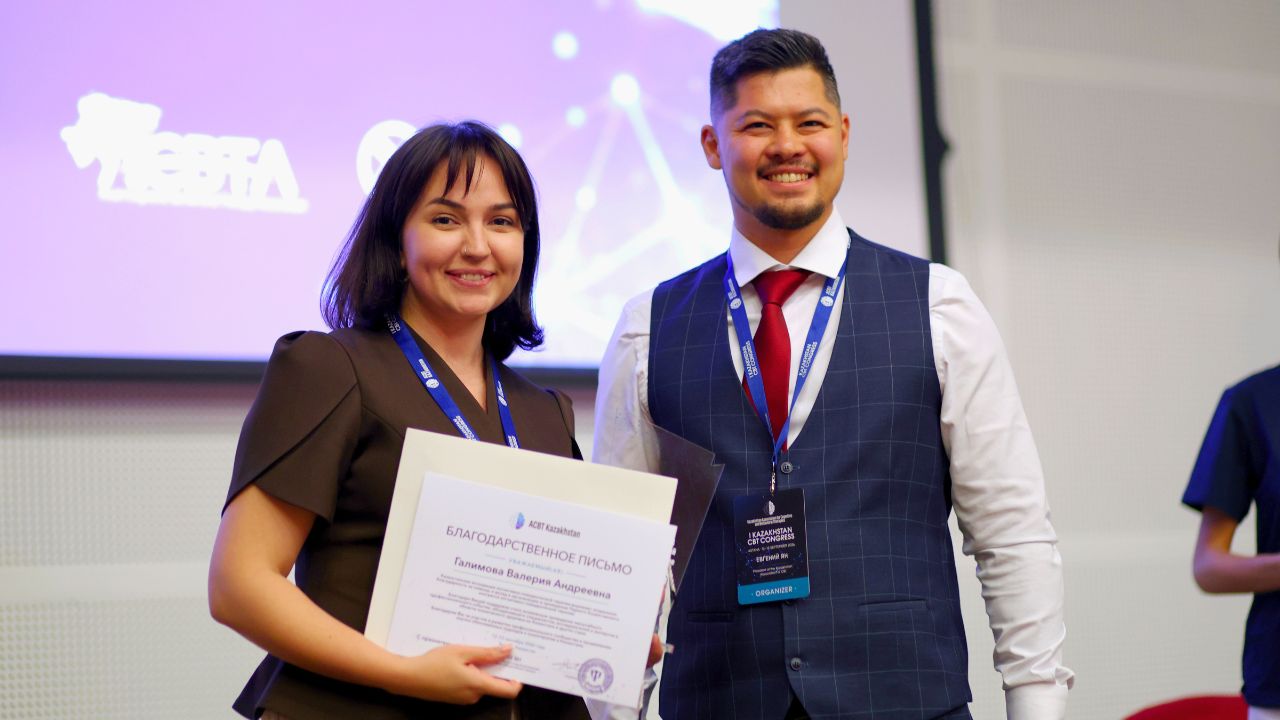
Yevgeniy Yan, founder and president of the Kazakhstan Association of Cognitive Behavioral Therapy and the Congress initiator, said the event provided an opportunity to bring Kazakhstan’s professional dialogue into a broader international context.
“For us, this is an important signal to the international professional community: evidence-based psychotherapy is developing in Kazakhstan, with specialists and a professional community committed to advancing it. We want the world to know this. Kazakhstan is ready to learn from international experience, introduce scientifically grounded approaches, and at the same time become an active part of the global professional community,” Yan said.
For the NU Psychological Counseling Service, the Congress was an opportunity to share its experience and discuss potential areas for collaboration with international colleagues.
“This Congress gave us an opportunity to demonstrate that a university psychological counseling service in Kazakhstan can not only learn from international experience, but also contribute to the professional conversation,” said Valeria Galimova, head of the NU Psychological Counseling Service.
“Discussions with international experts showed that our approaches to supporting students are aligned with current international practices, while our experience provides a strong foundation for meaningful professional exchange. Importantly, this dialogue has already led to agreements on further cooperation. Our goal is to turn these professional connections and shared ideas into projects that improve the quality and accessibility of psychological support for students,” she added.
During the Congress, the NU Psychological Counseling Service team and international specialists discussed opportunities for joint educational initiatives, professional exchange, and the further development of psychological support in university settings.
The Congress therefore served not only as a platform for professional learning and discussion, but also as a starting point for new international connections and collaborative projects in evidence-based psychotherapy.