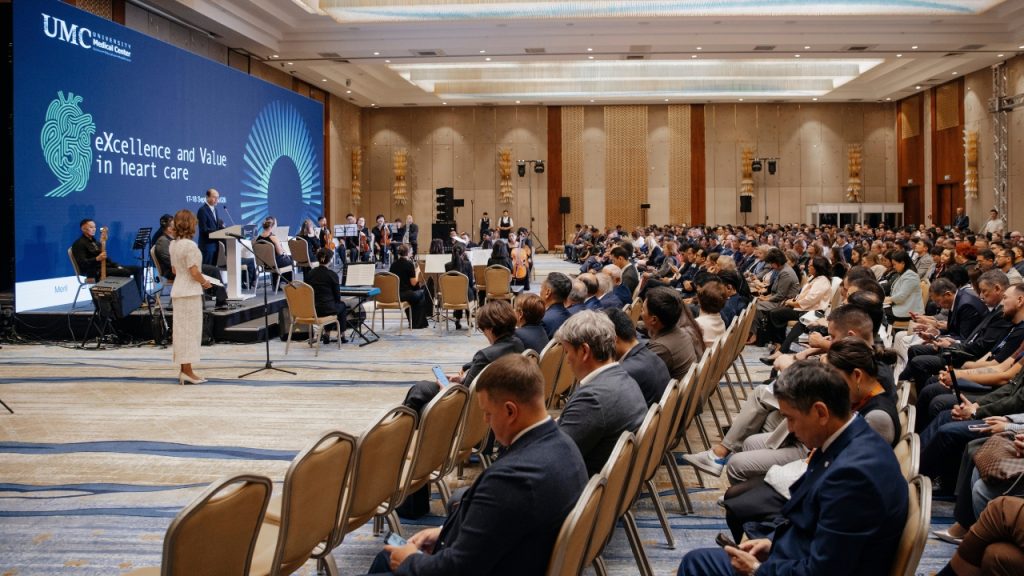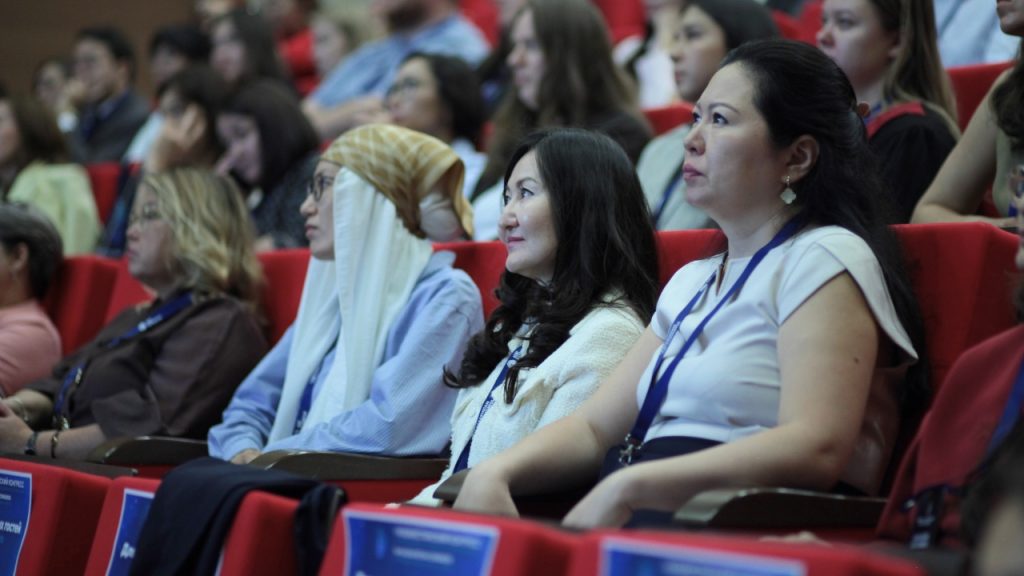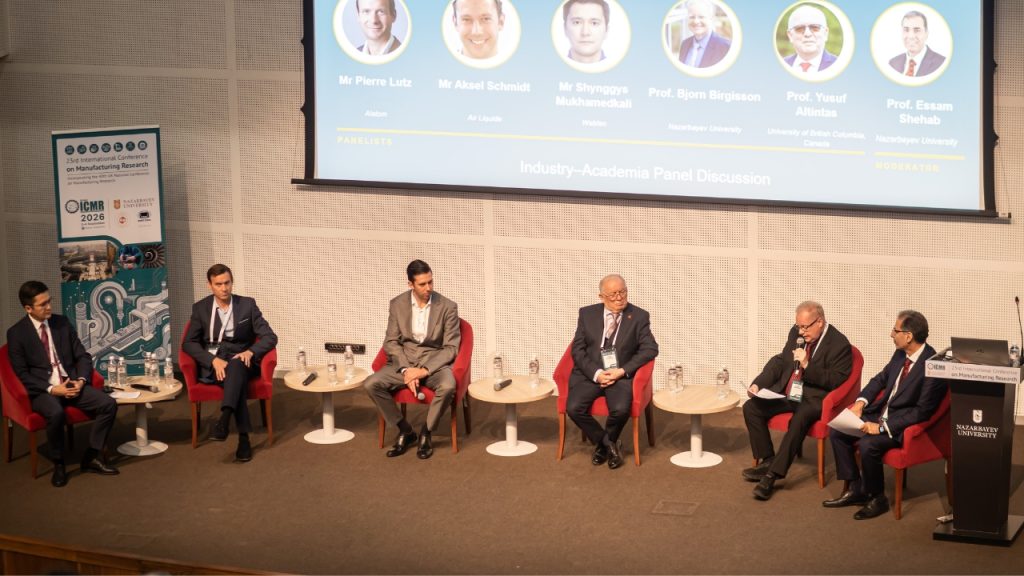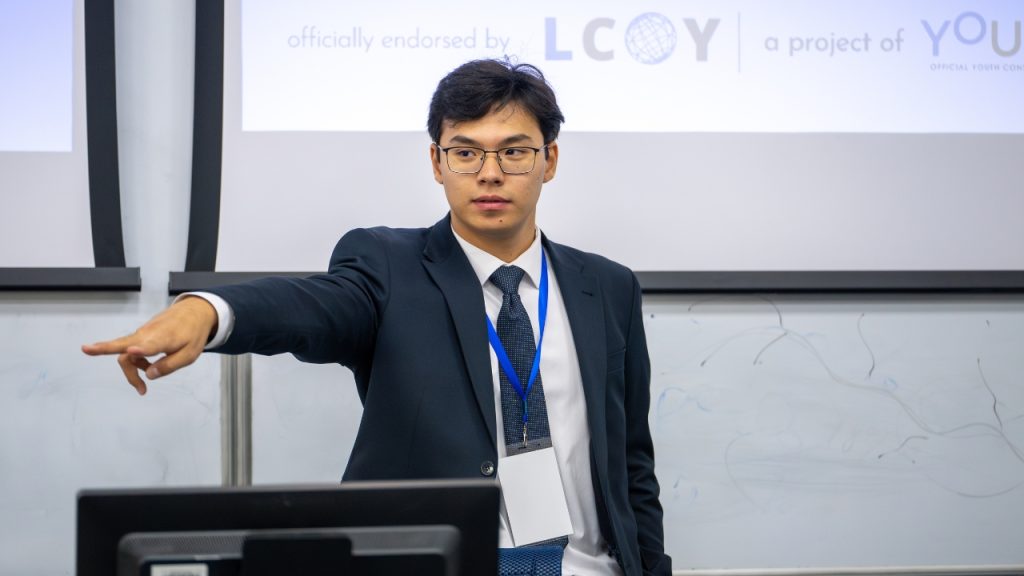
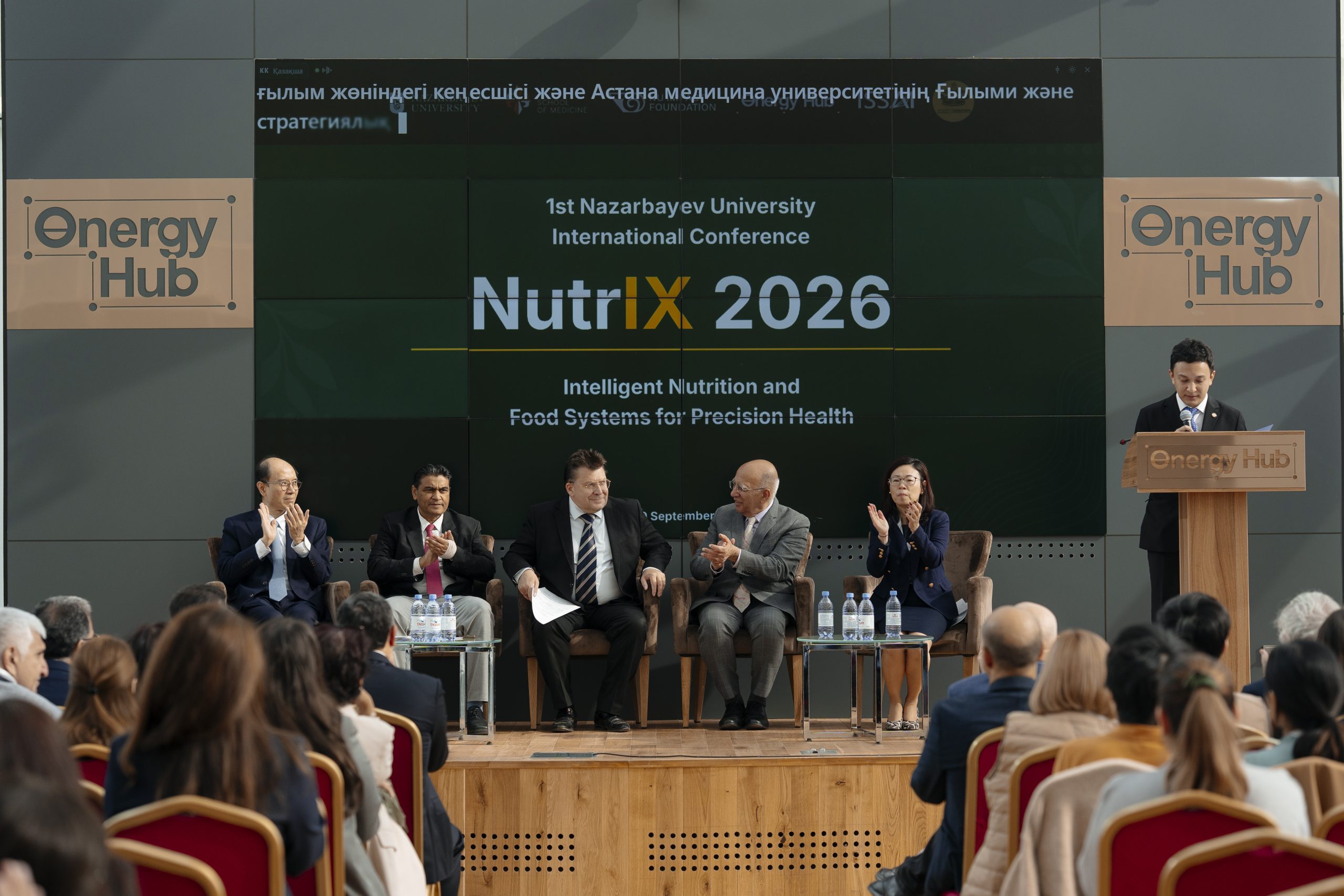





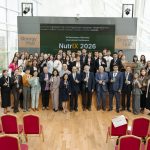
Today, social media offers a vast amount of information about nutrition and health, from dietary advice to recommendations on disease prevention. Against this backdrop, access to evidence-based information and expert discussion is becoming increasingly important. This is the focus of the first International Conference on Intelligent Nutrition and Food Systems for Precision Health (NutrIX 2026), hosted by NU.
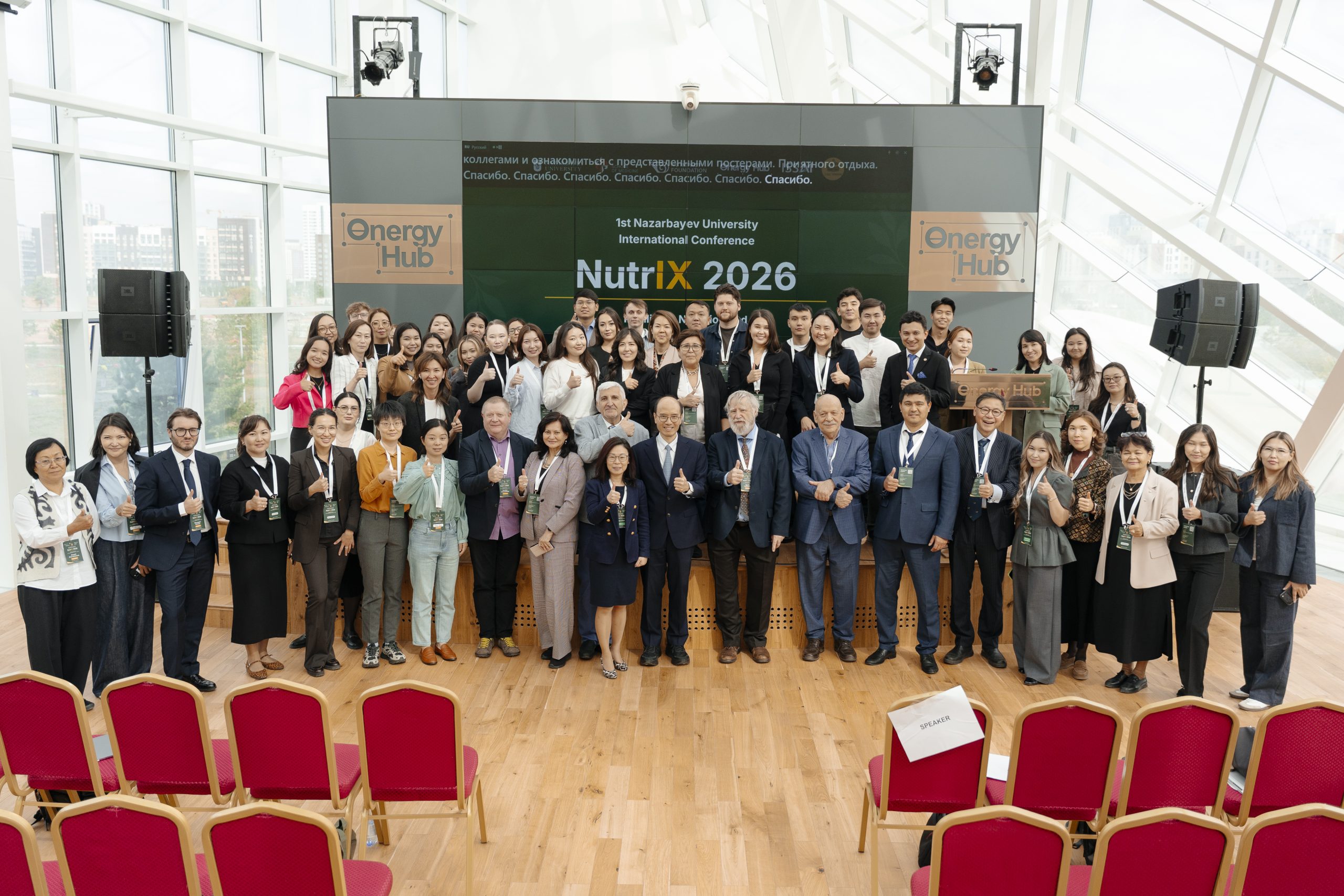
The conference brings together more than 20 international speakers from the United States, Singapore, Italy, the United Kingdom, Uzbekistan, Kyrgyzstan and Thailand, as well as representatives of the World Health Organization (WHO) and the Food and Agriculture Organization of the United Nations (FAO). What makes NutrIX 2026 distinctive is its combination of international and interdisciplinary perspectives: experts in nutrition, medicine, public health, data science, technology and food systems have come together to discuss how contemporary research and digital tools can shape new approaches to nutrition and health in Central Asia.
For the organisers, the starting point is a practical question: how can research and technology make healthy nutrition more accessible and better adapted to the needs of local populations?
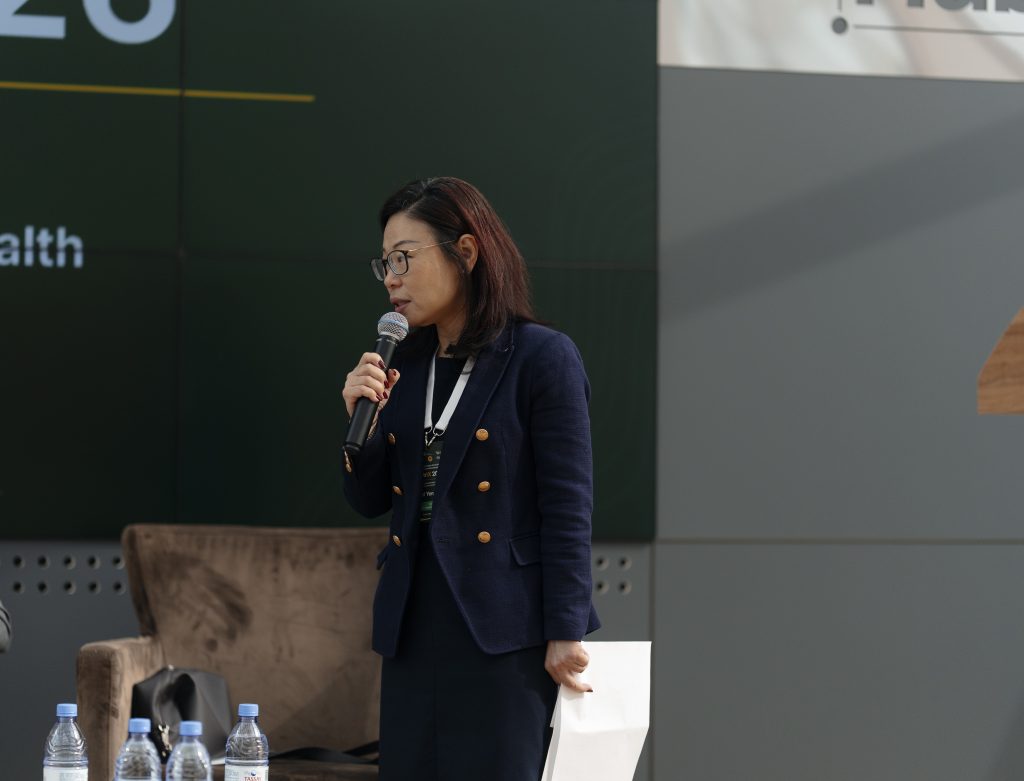
“We started this conference with a very simple but ambitious question. How do we make healthy nutrition accessible, slightly more precise for the population here and as well as more sustainable in the light of all the challenges that we are facing for nutrition systems and food systems to make them more resilient to the climate challenges that we are facing today?” said Dr. Mei-Yen Chan, Professor at the School of Medicine, NU.
Discussions at NutrIX 2026 are taking place as Kazakhstan continues to develop its national approach to nutrition and disease prevention. Vitalii Koikov, Adviser to the Minister of Health of the Republic of Kazakhstan, highlighted excessive salt consumption as one of the country’s key nutrition challenges and stressed the importance of creating a healthier food environment, particularly for children.
Kazakhstan has introduced a new standard for educational organisations, with measures aimed at reducing the amount of sugar and salt in school meals and increasing the consumption of vegetables, fruit and dairy products. The policy reflects a broader recognition that eating habits formed during childhood can have long-term implications for health. The need to make nutrition policy more precise and based on national data was also emphasised, alongside the growing role of scientific research, digital technologies, artificial intelligence and big data in developing more targeted approaches to disease prevention.
This direction is also reflected in the work of Nazarbayev University. Researchers at the Central Asia Food Innovation Lab, established at NU, have developed the first digital food atlas in Central Asia, creating a data resource that can support research into dietary patterns and contribute to approaches better adapted to the needs of local populations.
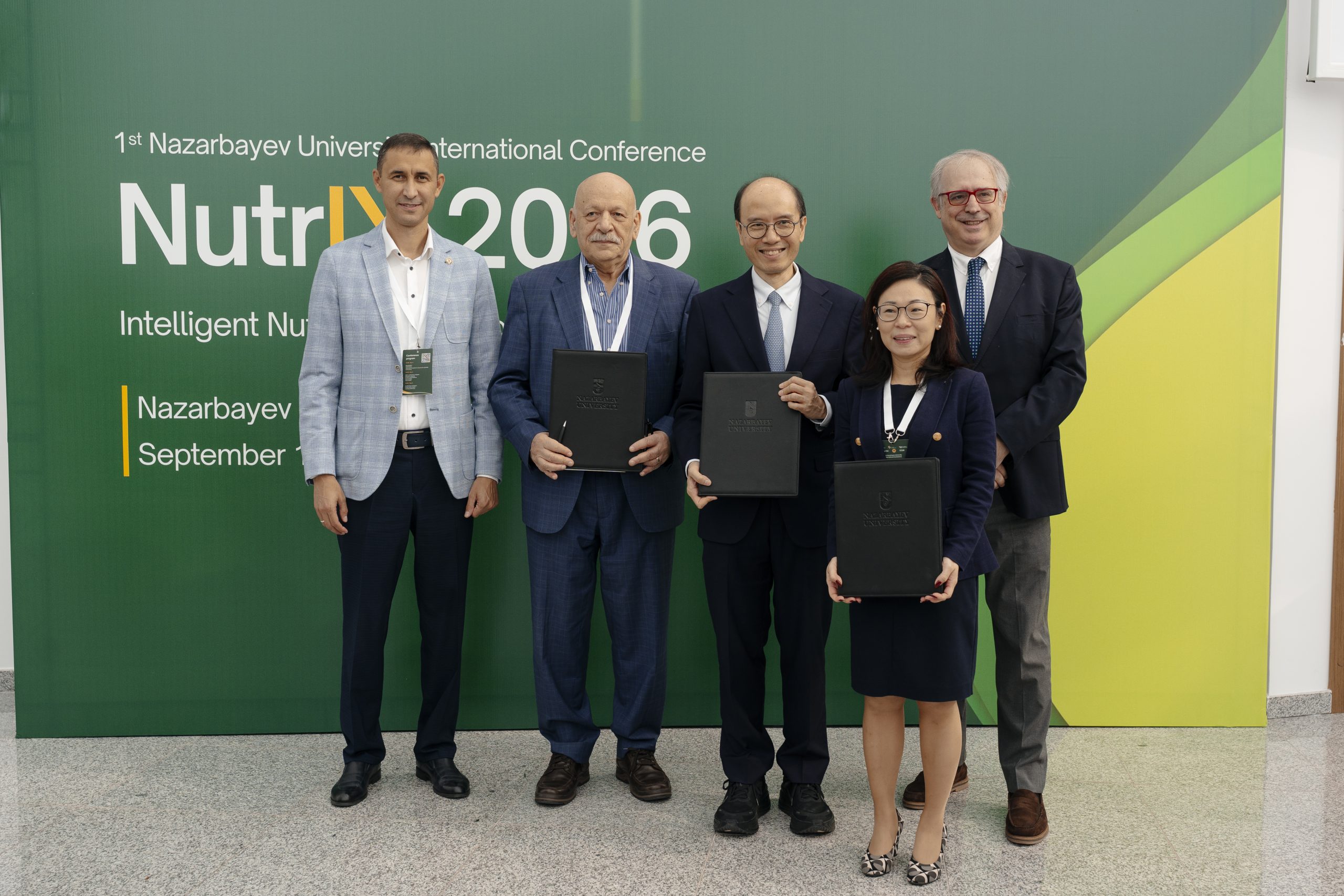
As part of the conference programme, Nazarbayev University and the Institute for Health Metrics and Evaluation (IHME) also signed a Memorandum of Understanding, establishing a framework for cooperation in areas including burden of disease estimation, forecasting, intervention analysis and health metrics capacity building. The agreement provides for potential joint research projects, publications, educational and outreach activities, fellowship and mentorship opportunities, as well as technical training and knowledge exchange.
One of the key takeaways from NutrIX 2026 was the need to develop approaches to nutrition and disease prevention that take into account the specific characteristics of local populations. Participants also emphasised the importance of cooperation between researchers, the medical community, government institutions and industry to ensure that scientific developments are translated into practical applications.