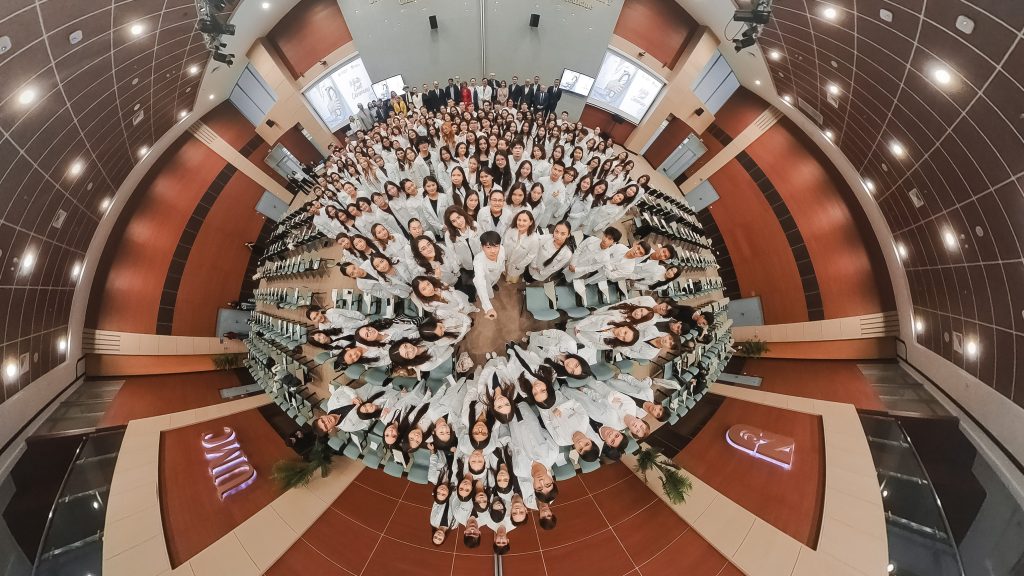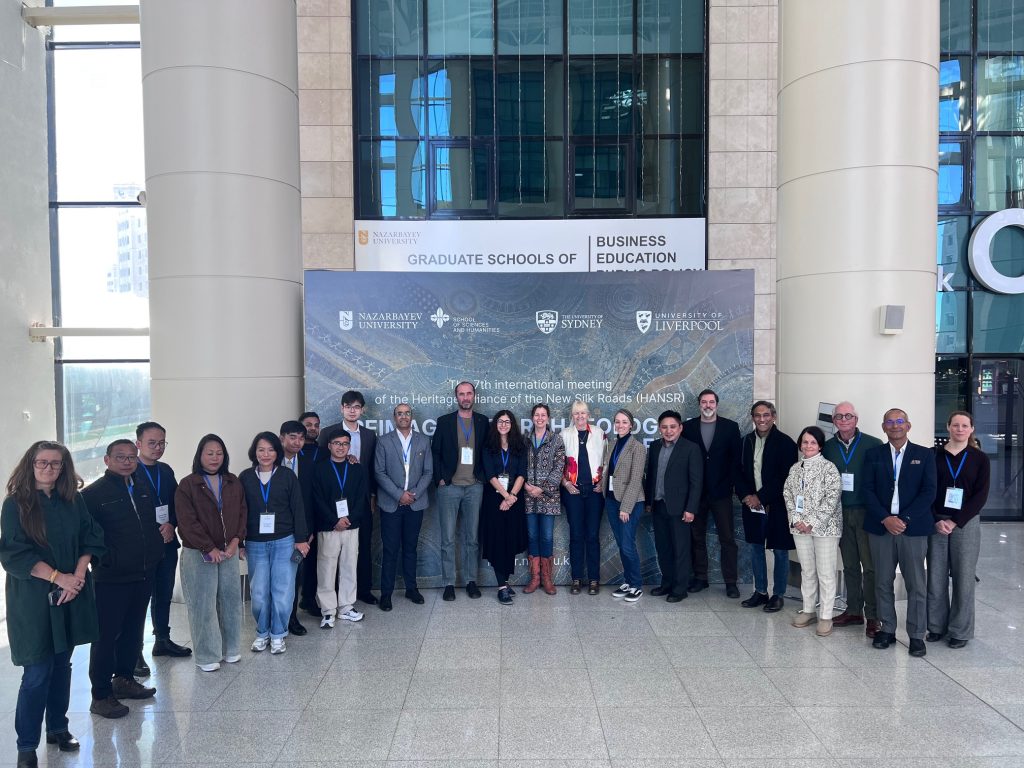

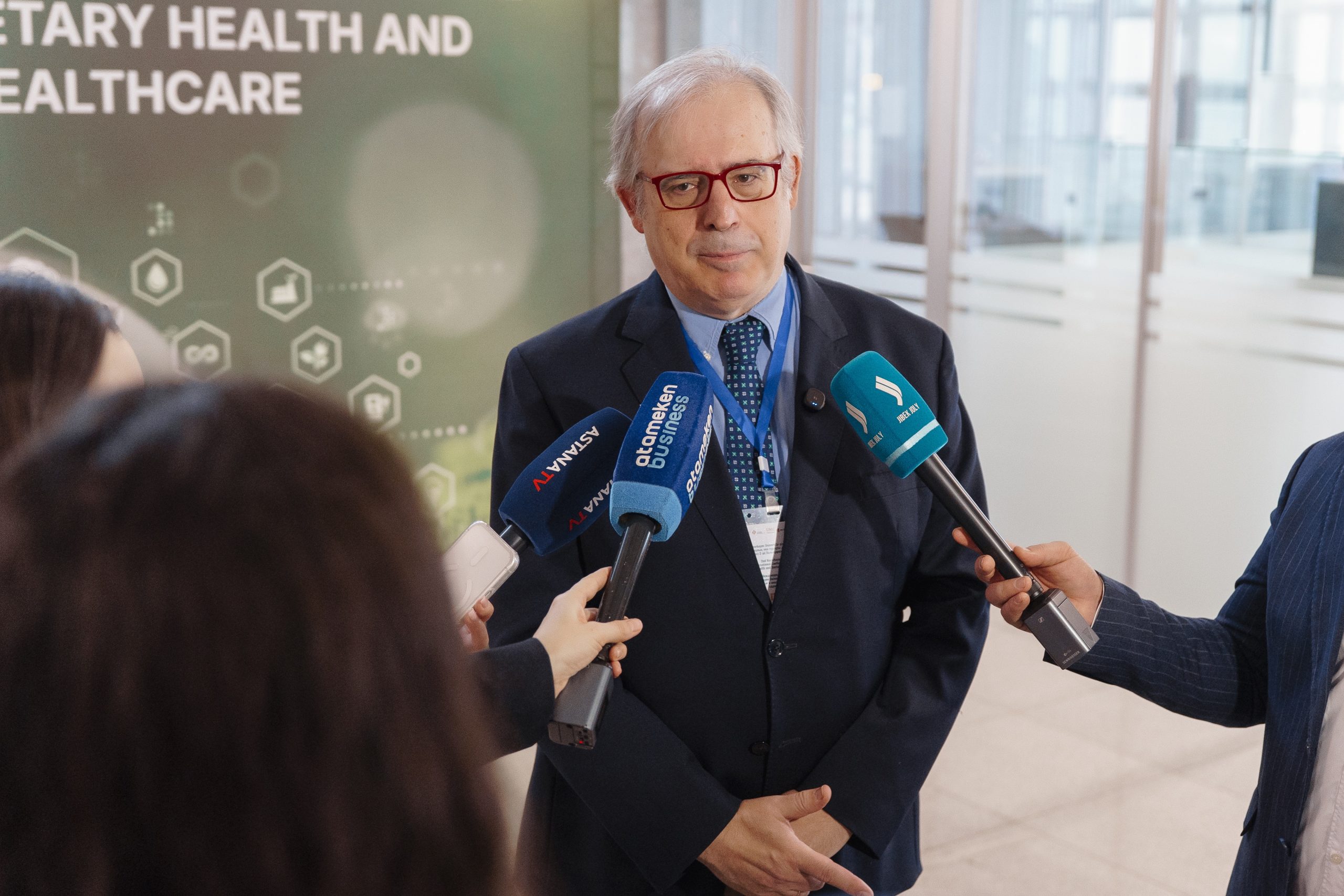
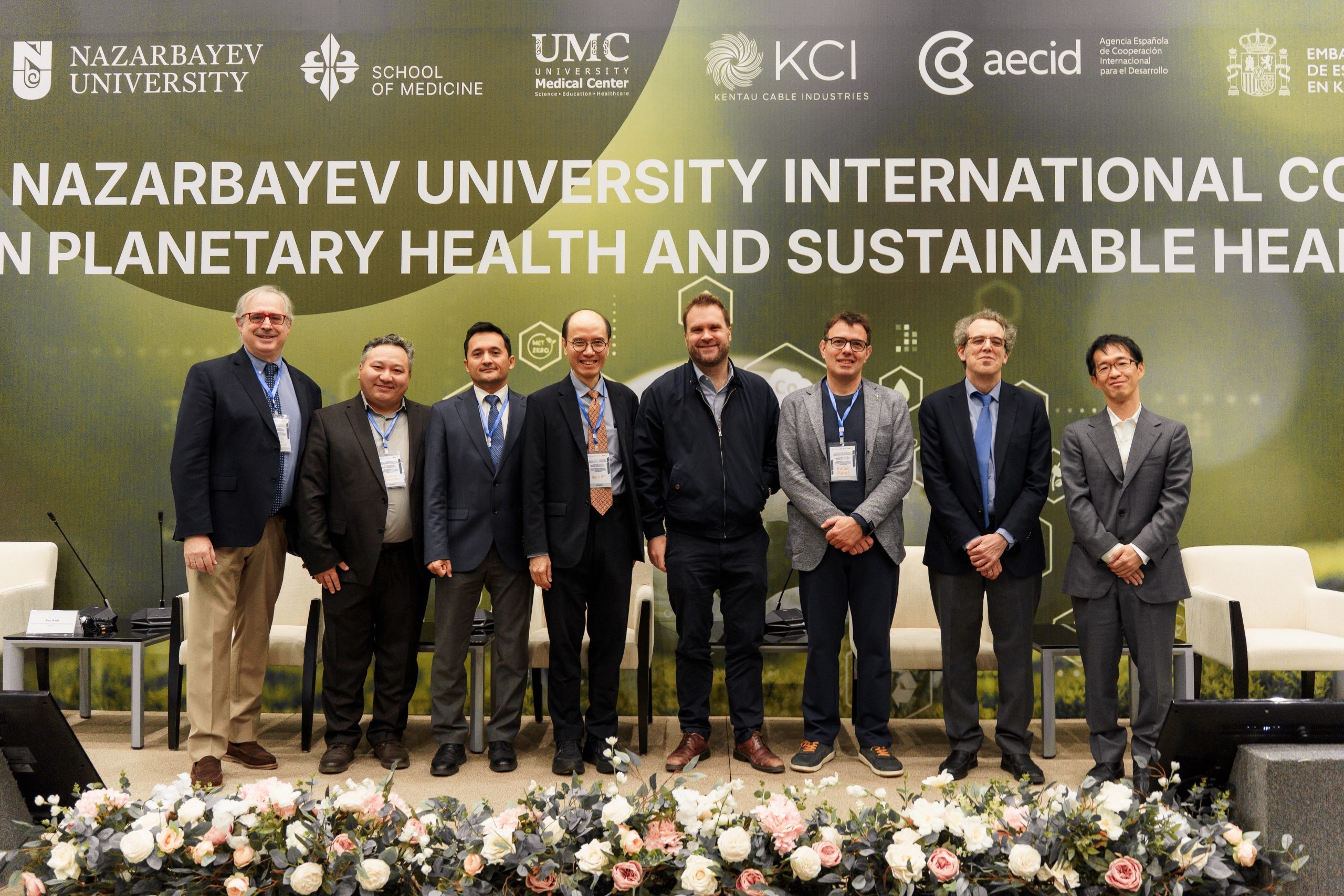
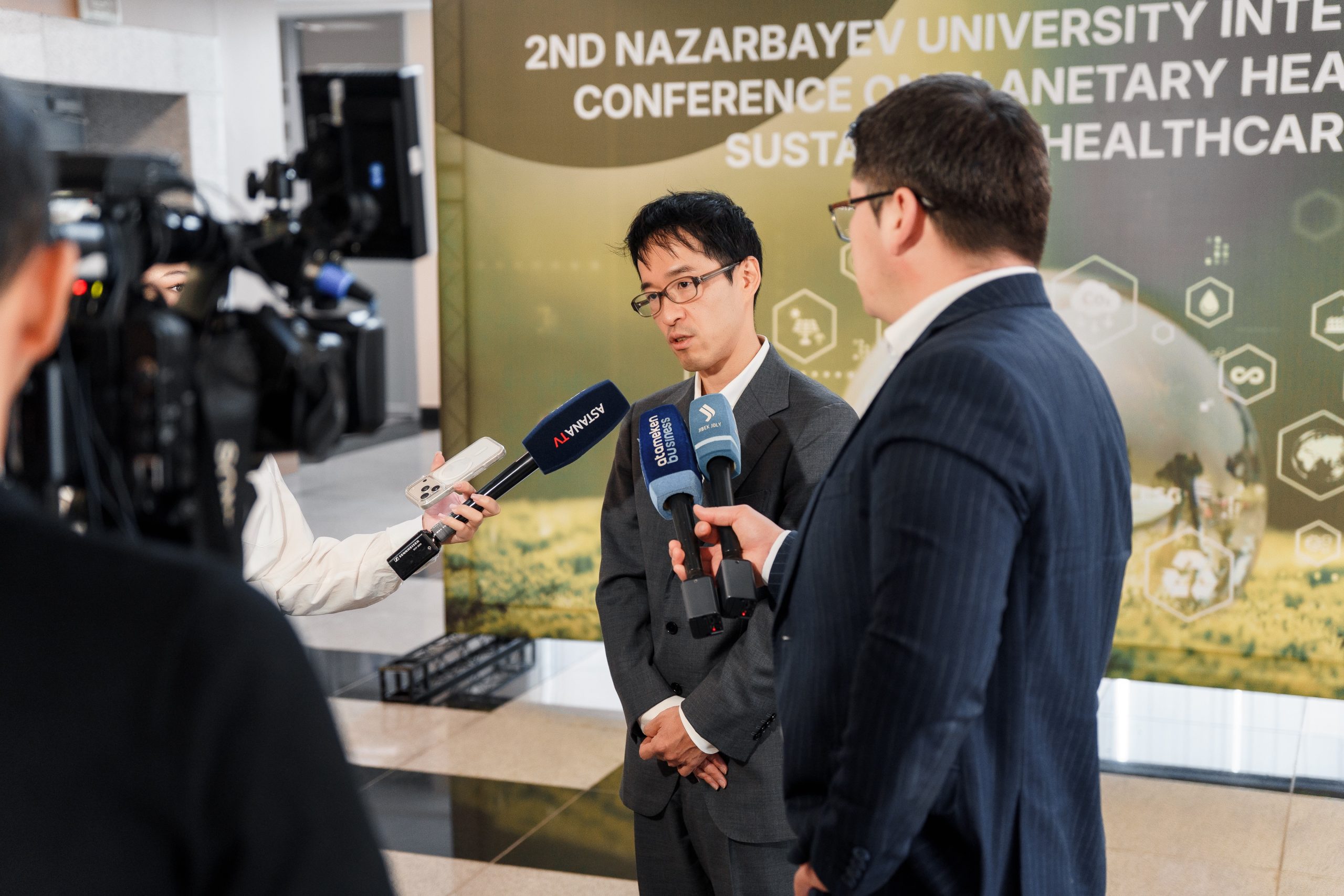




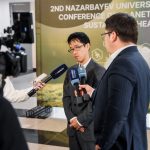
How can healthcare systems prepare for the health impacts of climate change while reducing their own environmental footprint? This question was at the heart of the 2nd International Conference on Planetary Health and Sustainable Healthcare, held at Nazarbayev University (NU) in Astana on 5–6 November. The conference was organised by the NU School of Medicine and University Medical Center (UMC).
More than 200 researchers, international experts, government representatives and healthcare professionals from Kazakhstan, Kyrgyzstan, Uzbekistan, Spain, Japan, Singapore and the United Kingdom took part in the event.
Under the theme “Planetary Health in Action across Central Asia”, the conference explored how climate and environmental challenges are changing the way healthcare is delivered and how countries can respond. Opening the event, NU Vice President Huck-Hui Ng said these challenges could not be tackled by medicine alone.
“Climate change, environmental degradation, air pollution and water insecurity cannot be addressed by medicine alone. They require collaboration across disciplines, institutions and countries. We also need to rethink how we educate healthcare professionals, conduct research and deliver healthcare. The future of healthcare will depend not only on how effectively we treat diseases, but also on how successfully we address the conditions that shape human health in the first place.”
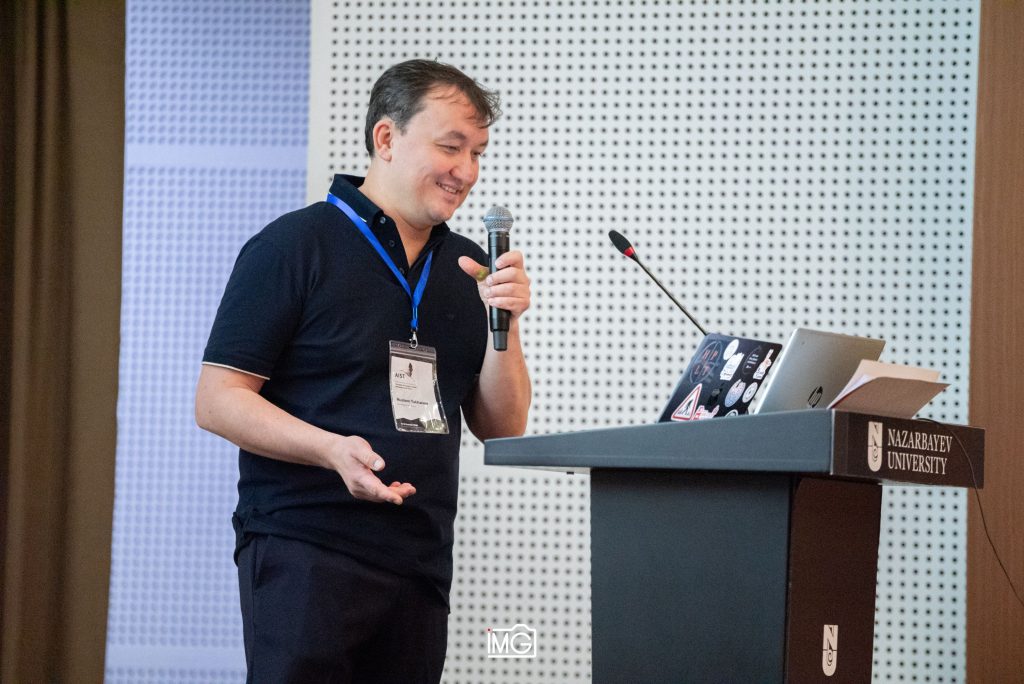
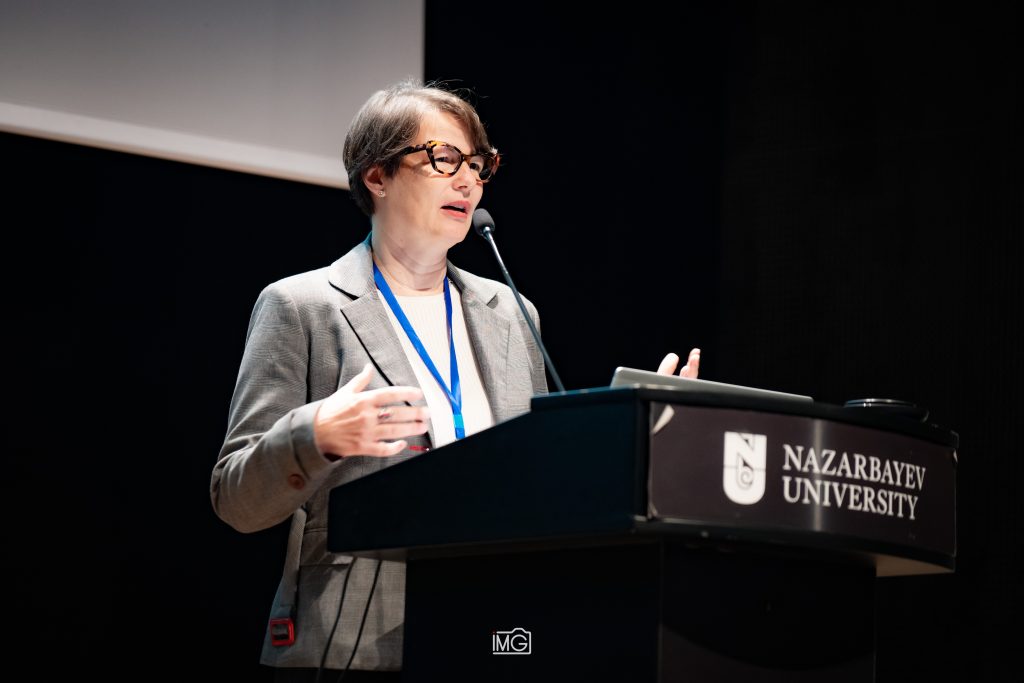
International speakers shared perspectives from research, policy and clinical practice.
Professor Nick Watts, Director of the Centre for Sustainable Medicine at the Yong Loo Lin School of Medicine, National University of Singapore, explored the links between climate change, population health and the need to transform healthcare systems.
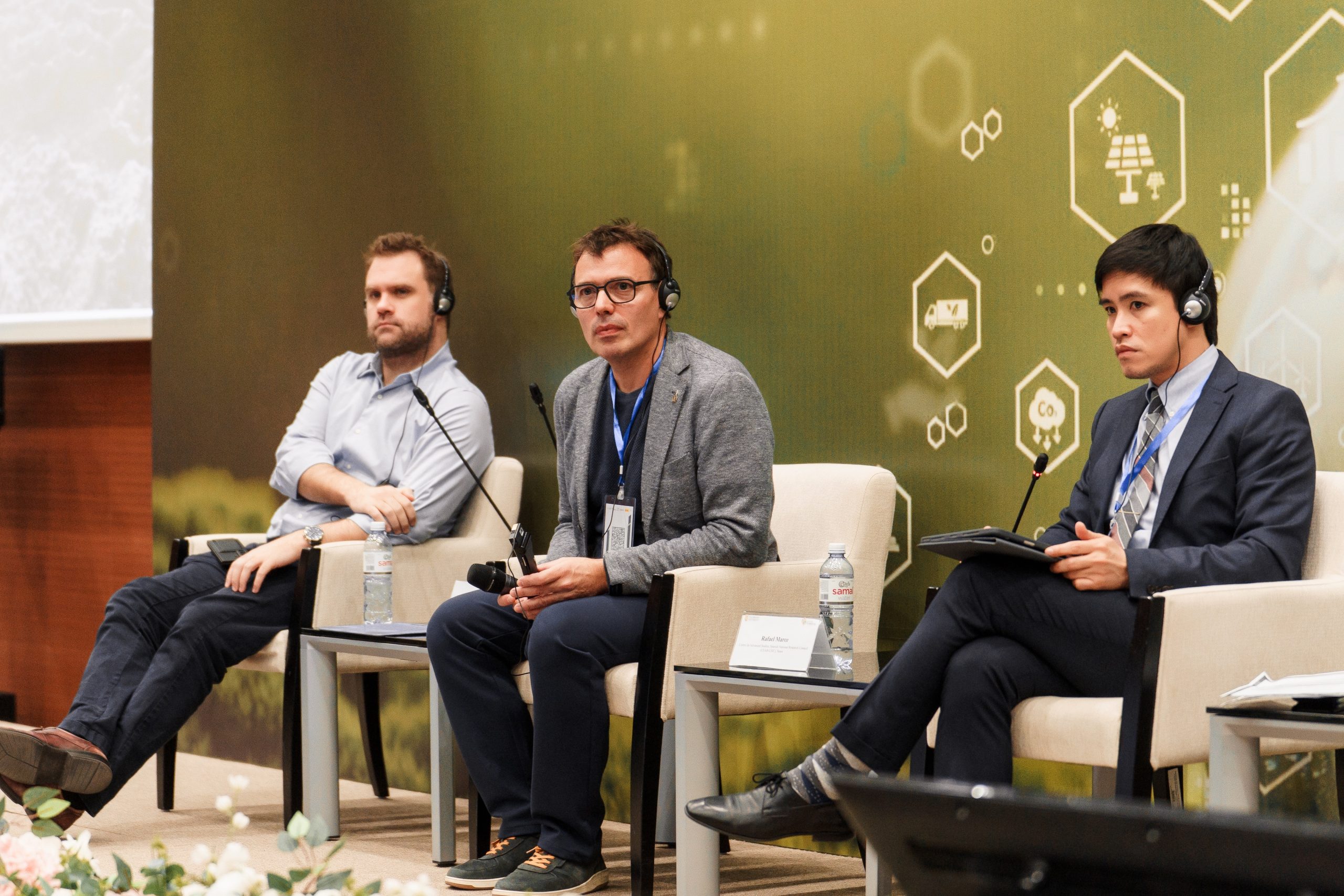
Dr Rafael Marcé spoke about two decades of international scientific collaboration through the Global Lake Ecological Observatory Network (GLEON), which connects researchers and data to advance the study of lake ecosystems.
Professor Nobutoshi Nawa of Institute of Science Tokyo, Japan, presented work on establishing a Planetary Health Research and Policy Platform in Central Asia.
Miriam Navarro Beltrá, from the Planetary Health Programme of the Spanish Society of Family and Community Medicine (semFYC), discussed how planetary health principles can be integrated into primary care.
The discussions also turned to what healthcare organisations can do in practice. The healthcare sector is estimated to account for around 4–5% of global greenhouse gas emissions. This means hospitals face a dual challenge: protecting people from environmental threats while reducing the environmental impact of healthcare itself.
In Kazakhstan, one example is UMC Go Green, a programme run by University Medical Center (UMC), part of NU’s integrated academic healthcare system and a clinical base for the NU School of Medicine.
“Our task is not simply to run individual environmental campaigns, but to change the way hospitals are managed. We want to show that quality healthcare, responsible resource use and economic efficiency can go hand in hand,” said Aigerim Abdiorazova, Deputy Chair of the Management Board of UMC.
Taking such initiatives further will require common national standards for measuring the carbon footprint of healthcare organisations, better infrastructure for recycling medical waste and the integration of environmental sustainability into healthcare policy.