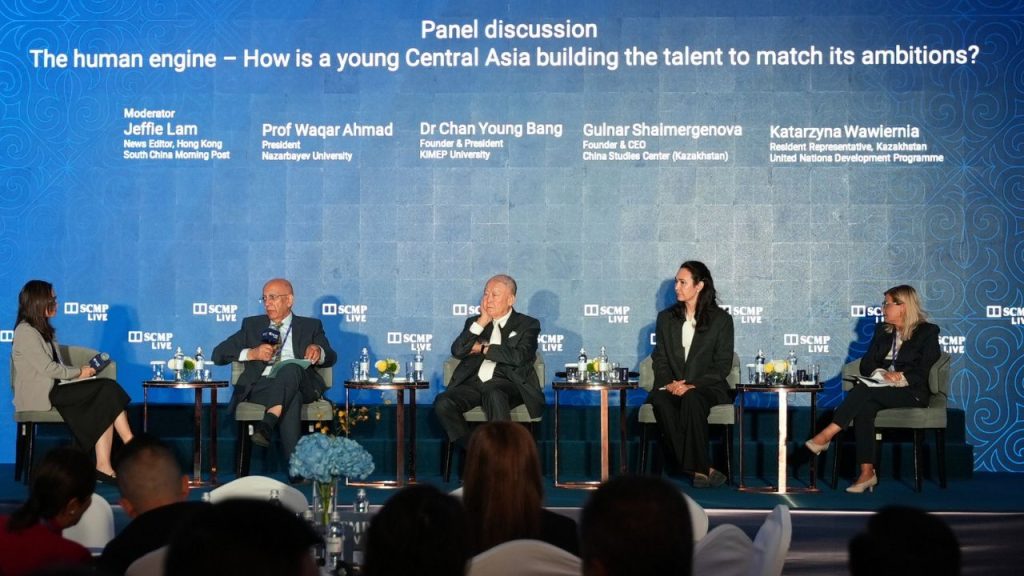
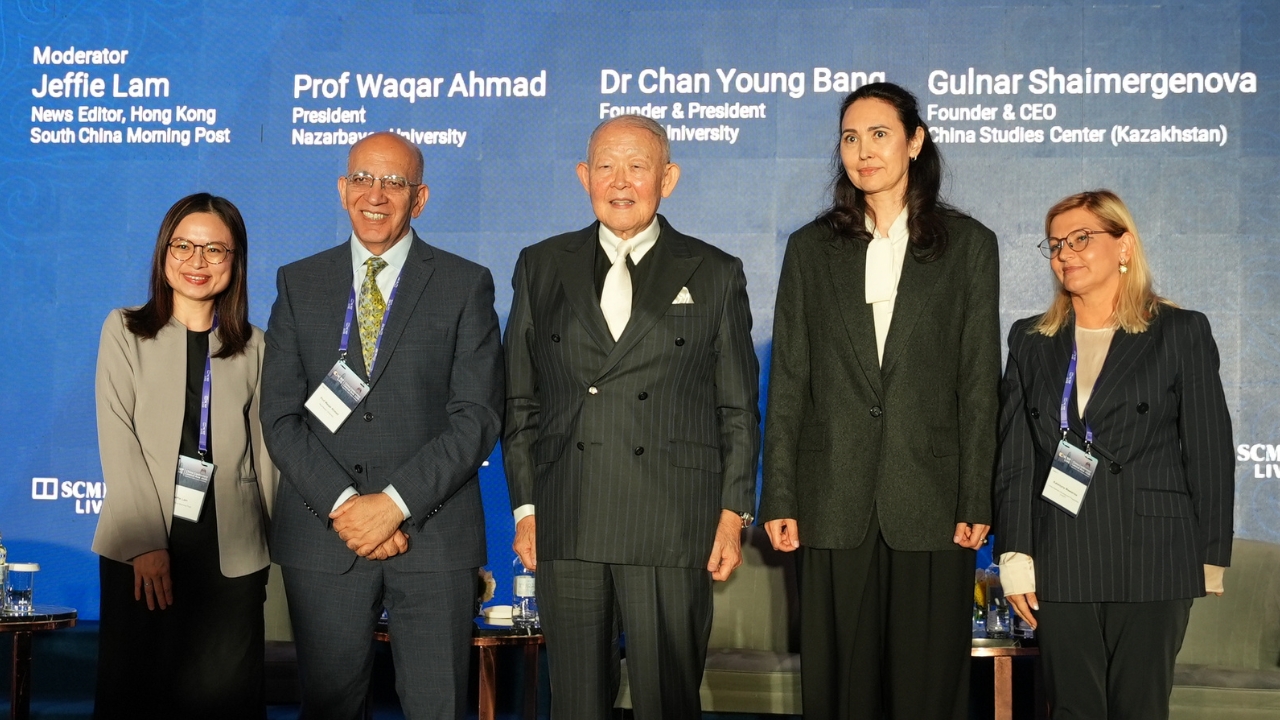
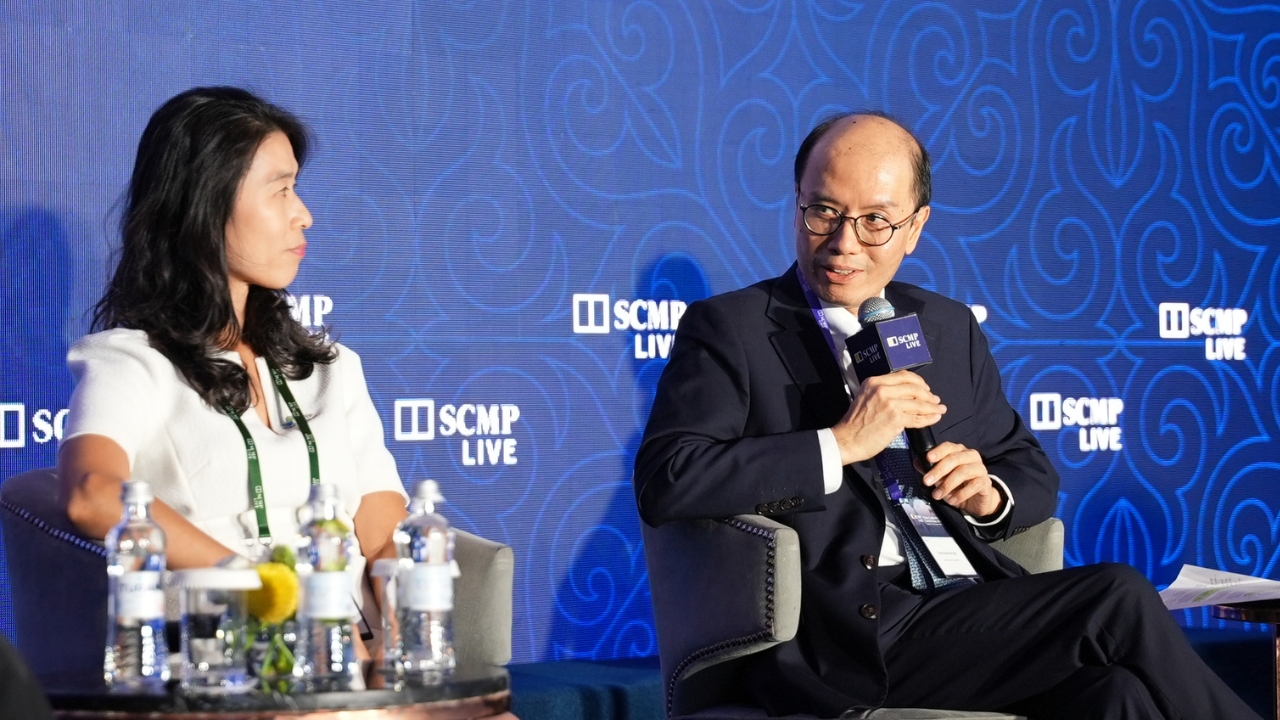
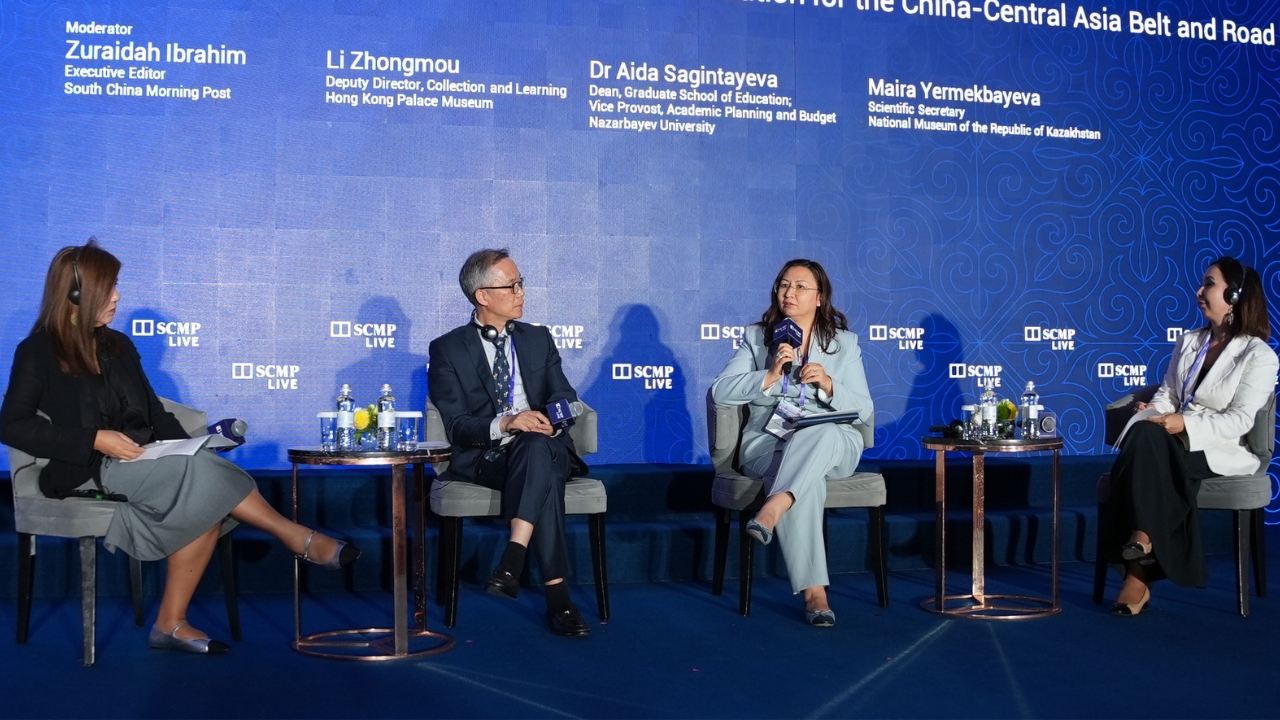



Demand for high-quality higher education is growing across Central Asia, along with the need to build ecosystems that enable young people to realize their potential and build their futures in the region. This was a central theme at the China Conference: Central Asia 2026, where leaders from Nazarbayev University discussed the region’s human capital, biotechnology, artificial intelligence and the role of education in strengthening cross-border ties.
For Professor Waqar Ahmad, President of Nazarbayev University, attracting and retaining talent requires looking beyond the university itself. Students need opportunities to gain experience outside the classroom, he said — internships, short-term jobs and professional connections that allow them to build skills and understand how their education can translate into a career.
“If you look at education hubs, whether it’s London or New York or the UAE, it isn’t just the quality of education. The quality of education is fundamentally important. It’s the broader ecosystem. Can students get internships? Are there opportunities for them to take a job there, even for a short period of time? Enhance their skills before they go back to their countries. I would say that Hong Kong is there, Kazakhstan is working towards it,” Professor Ahmad said.
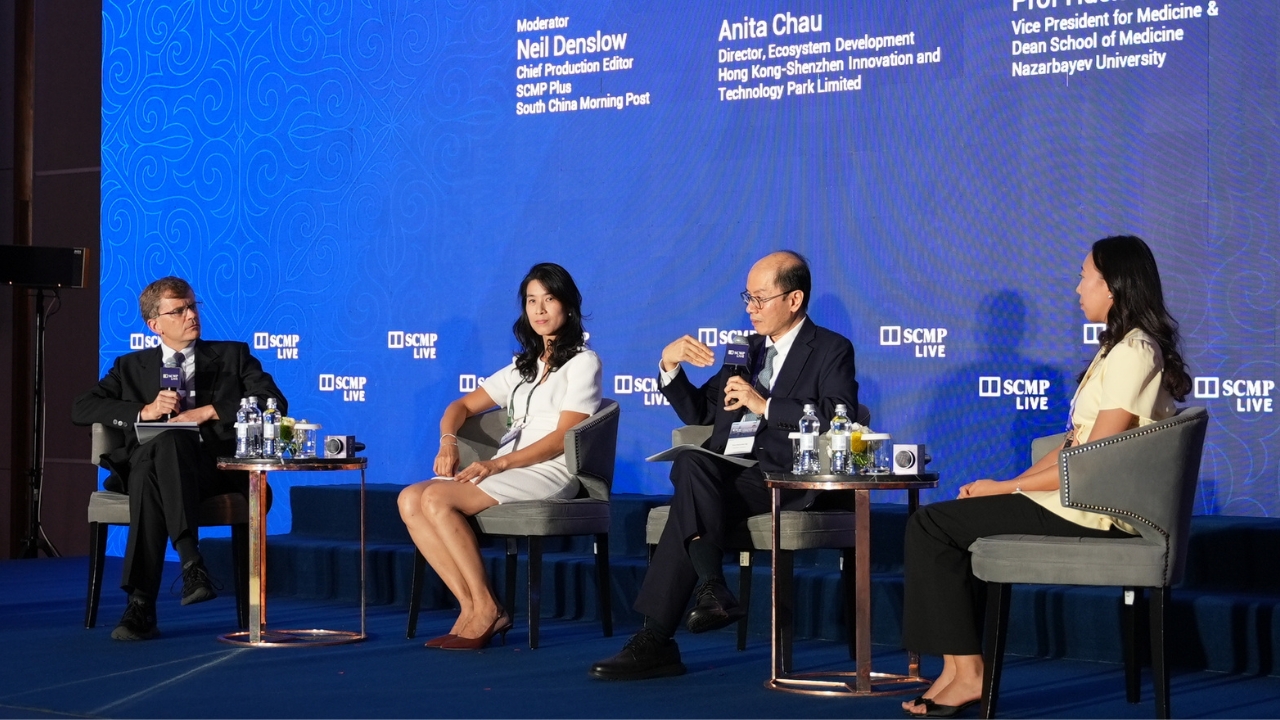
Speaking on a panel about biotechnology and artificial intelligence in healthcare, Professor Huck-Hui Ng, NU Vice President and Dean of the School of Medicine, pointed to an opportunity to connect Kazakhstan’s technical talent with Hong Kong’s international financial and technology networks. Kazakhstan already has a growing community of startups working in artificial intelligence and digital technologies. The next step, he suggested, could be to build the infrastructure and support needed to turn that talent into globally competitive biomedical and biotechnology companies.
“There are a lot of start-up companies working in the AI and digital space. I must say that with the right policy, with the right government support, with the right workforce development, there’s no reason why Kazakhstan cannot build a substantial biomedical and biotech ecosystem,” Professor Huck-Hui Ng said.
He described Kazakhstan’s digital talent as one of the country’s strengths, even as its innovation ecosystem remains relatively young.
Another discussion at the conference focused on cultural exchange and the long-term relationships between China and Central Asia. Here, universities can also play a role by bringing people together early in their careers, when international experiences can shape how they see other societies and their own. Professor Aida Sagintayeva, NU Vice Provost and Dean of the Graduate School of Education, said young people can become a link between cultures through study, mobility and everyday interaction.
“Young people can become a true bridge between cultures. By studying and interacting in an international environment, they learn to understand the perspectives of other countries while also becoming ambassadors for their own cultures. That is why universities are not only about providing knowledge—they are also about creating an environment built on mutual respect and openness,” Professor Sagintayeva said.
Nazarbayev University brings together students and faculty from a range of countries and supports academic mobility and international collaboration. Such exchanges can build relationships that last beyond a degree or a research project, creating networks of knowledge and trust across borders.
China Conference: Central Asia 2026 was a one-day high-level forum organized by South China Morning Post (SCMP) in partnership with the Astana International Financial Centre (AIFC). The event brought together Chinese and international investors, policymakers, and business leaders to discuss opportunities for cooperation in areas including macroeconomics and diplomacy, mining and natural resources, financial services and capital mobilization, infrastructure, and logistics.