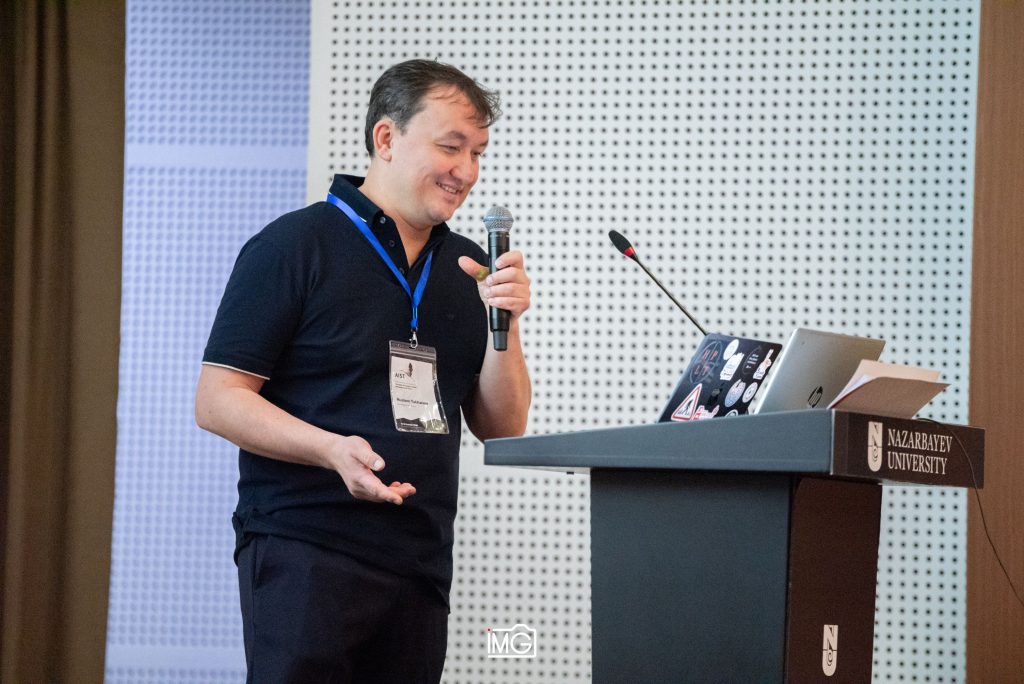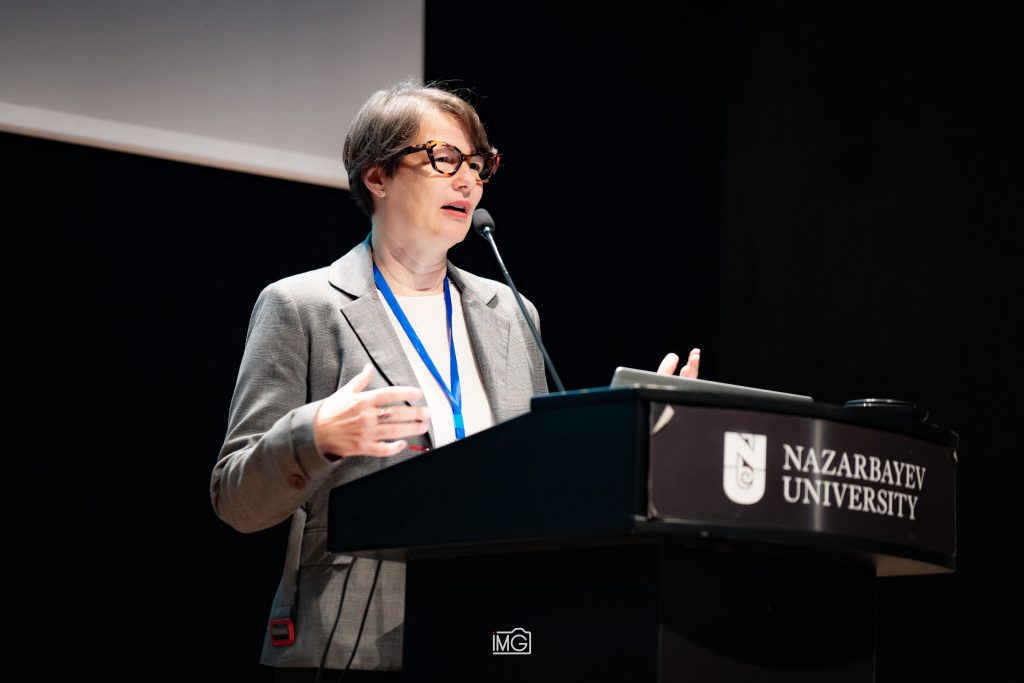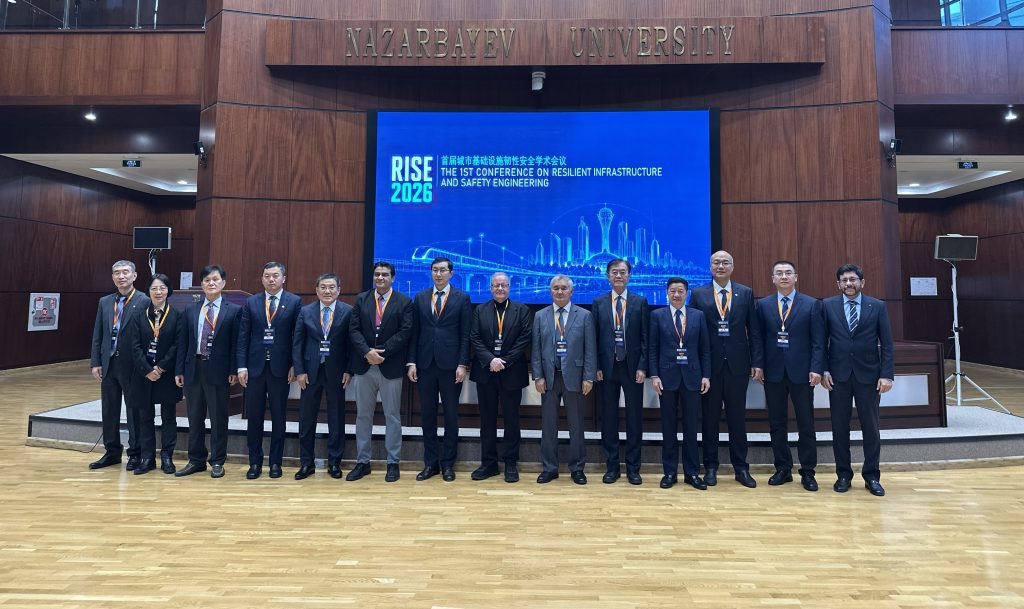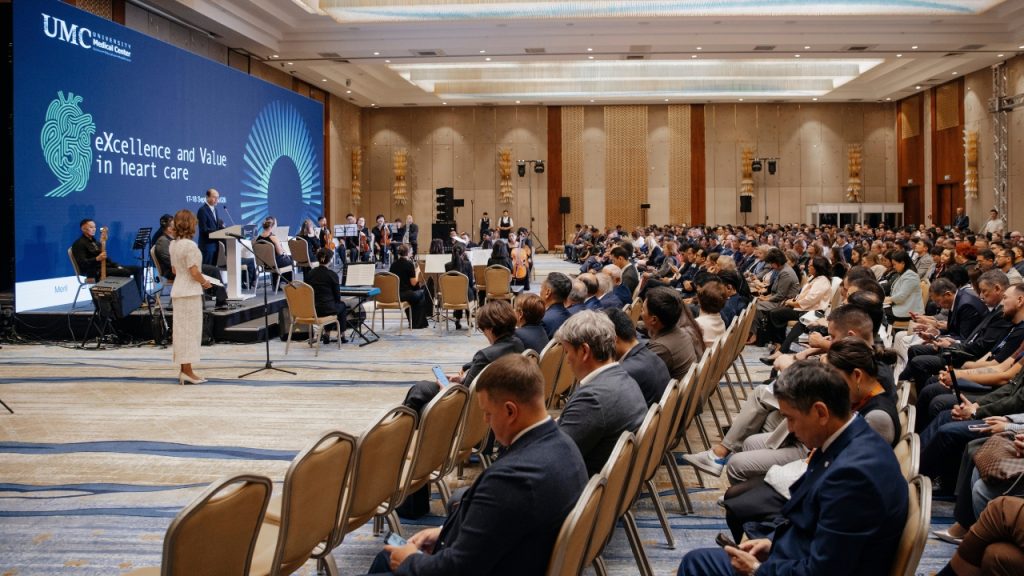
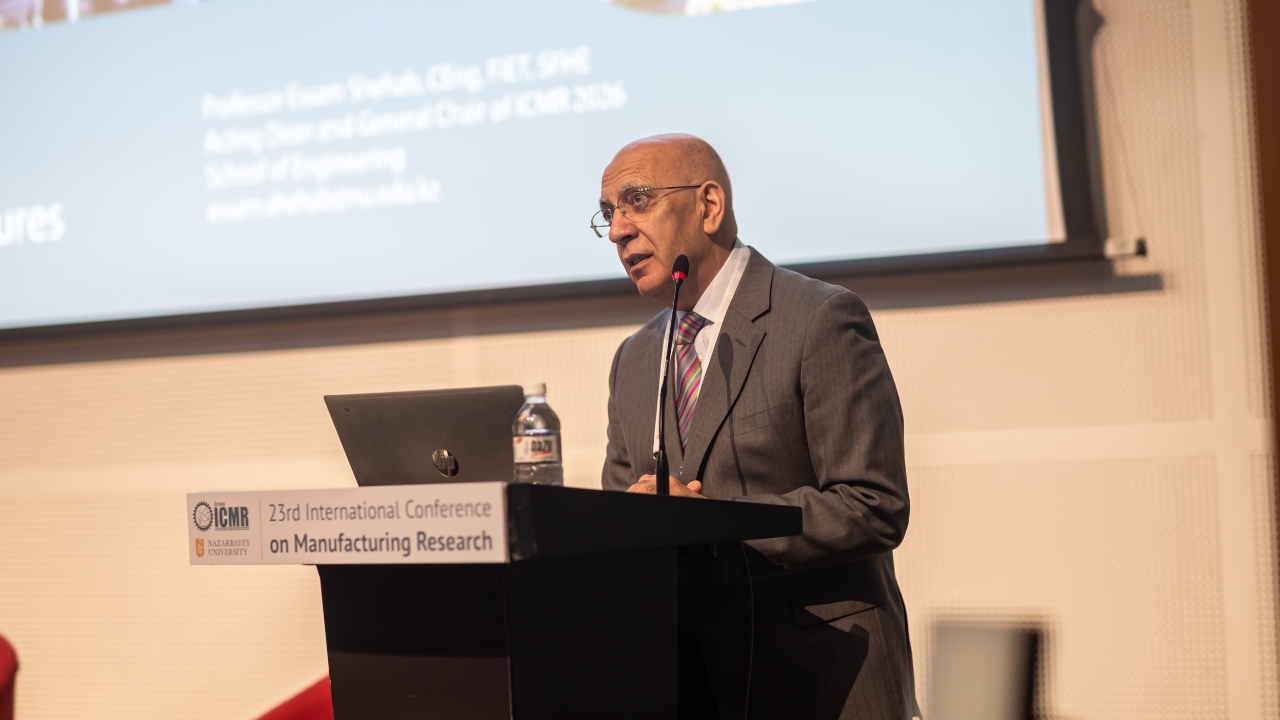




How can Kazakhstan build a regionally competitive manufacturing sector? This question was at the center of the 23rd International Conference on Manufacturing Research (ICMR 2026), held September 2–4 at Nazarbayev University.
With a history spanning nearly 40 years, ICMR brings together researchers, educators, and industry leaders to explore emerging technologies and address challenges in manufacturing and engineering. The conference is traditionally held in the United Kingdom and has also been hosted in Sweden. This year, for the first time, ICMR was held in Kazakhstan in partnership with the NU School of Engineering.
Opening the conference, NU President Professor Waqar Ahmad emphasized that strengthening manufacturing capabilities is essential to building a more diversified, innovative, and knowledge-based economy. Universities, he said, have a critical role to play—not only by educating highly skilled engineers, but also by developing new technologies.
“In this context, at NU we are creating the region’s premier science and technology park. We must generate excellent research, educate highly skilled engineers and translate knowledge into practical solutions. This solution is closely tied with the mission of NU. We seek to be a catalyst for innovation, scientific advancement and national development while remaining strongly connected to the international academic community,” Professor Waqar Ahmad said.
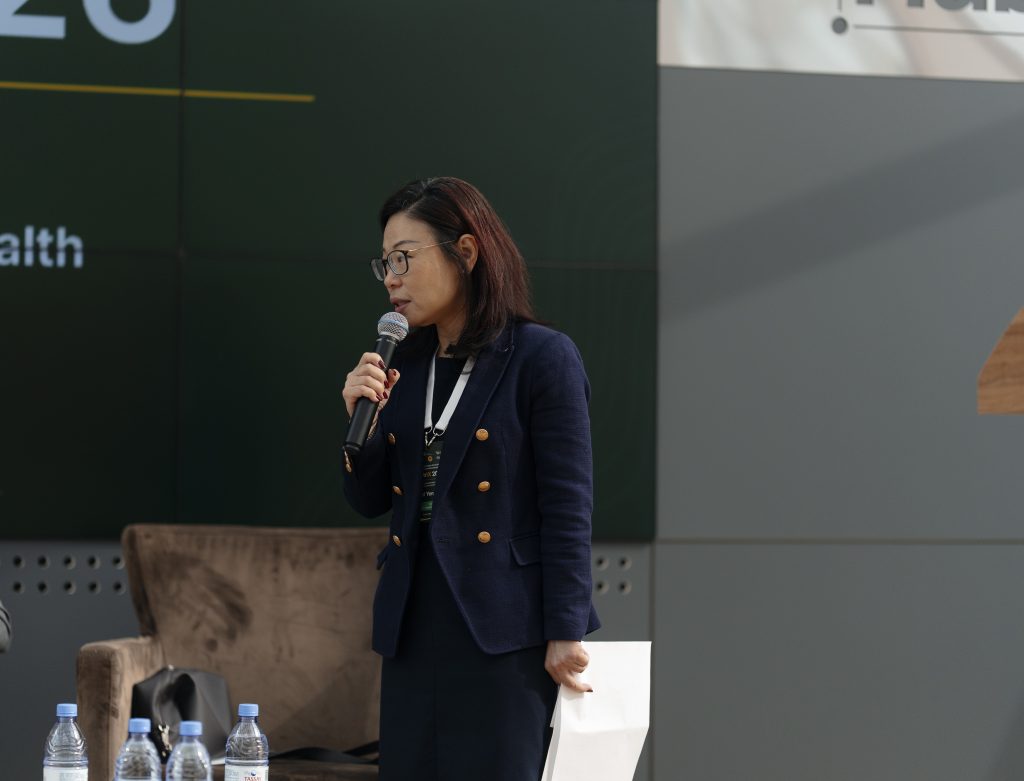
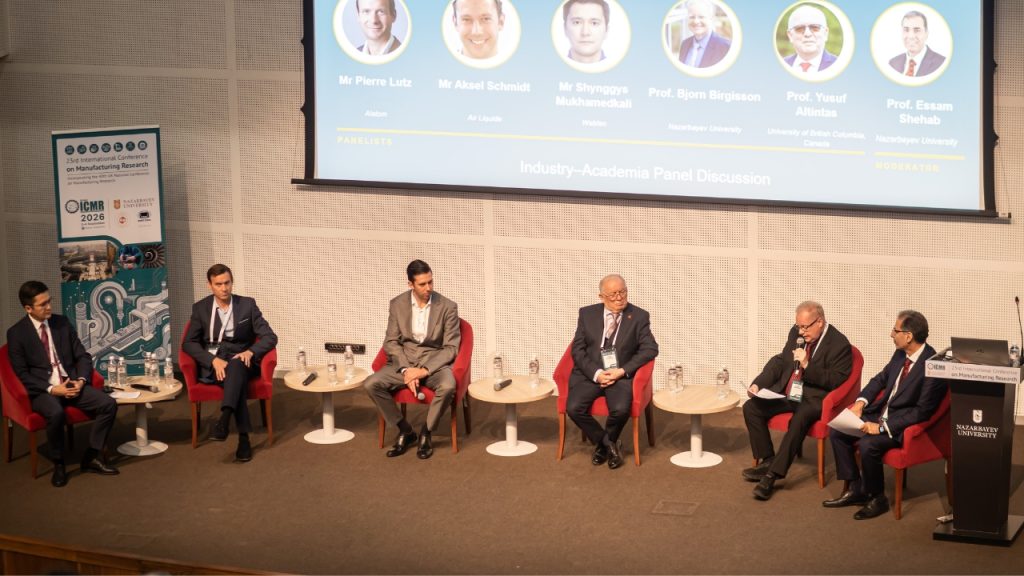
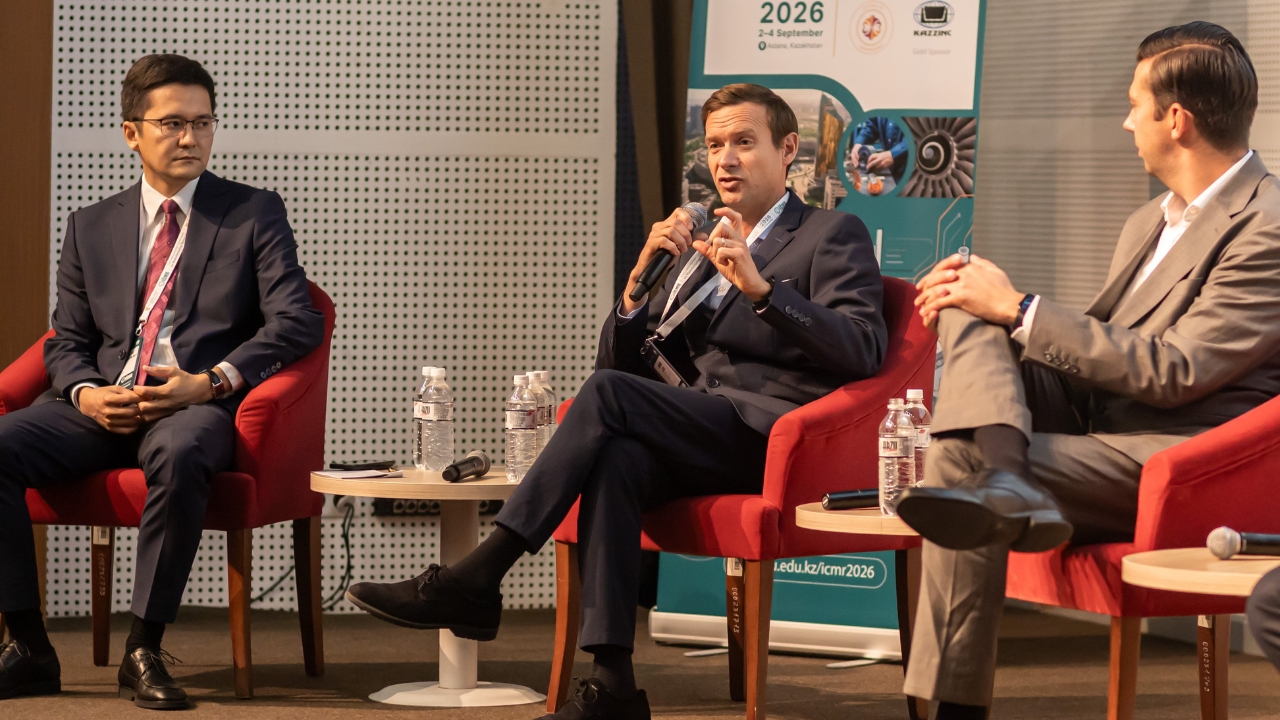
One of the conference’s opening sessions was a panel discussion, “Made in Kazakhstan: Can We Build a Manufacturing Nation?” Representatives from Alstom, Wabtec, and Air Liquide joined researchers and other conference participants to discuss what Kazakhstan needs to develop a competitive manufacturing industry.
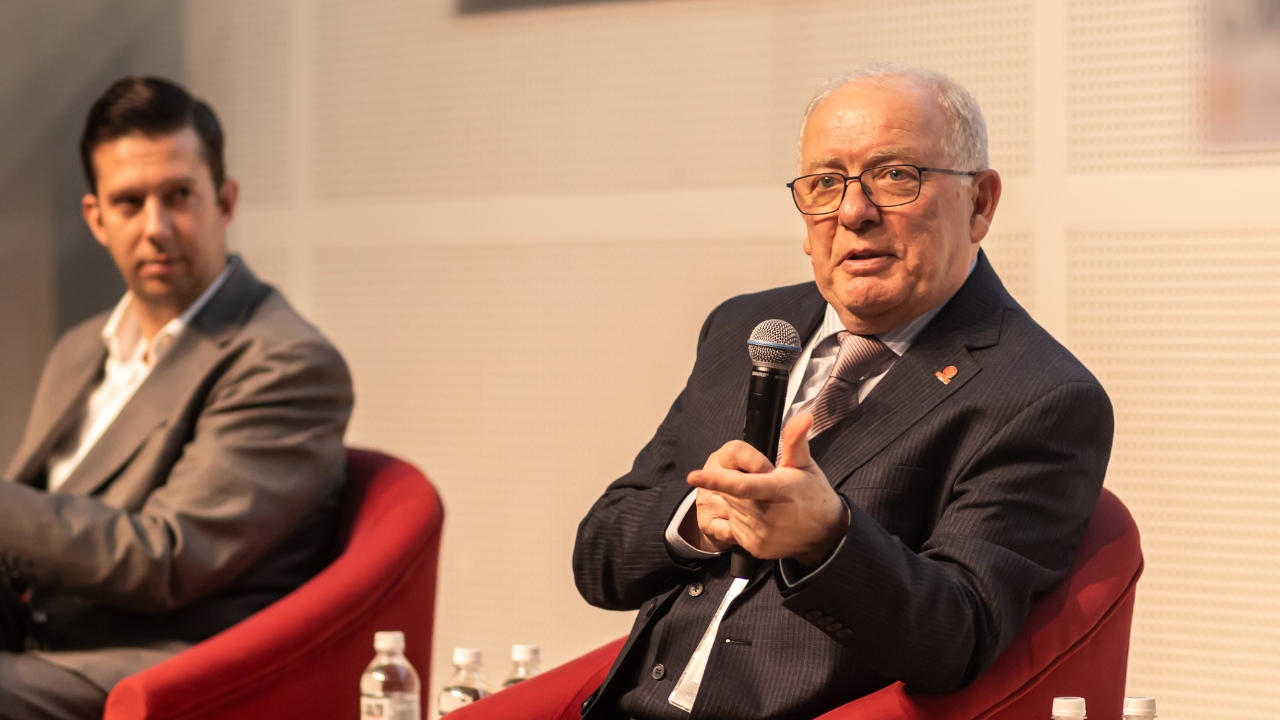
Speaking about the country’s manufacturing potential, Professor Yusuf Altintas from the University of British Columbia (Canada) said Kazakhstan should look beyond extracting its natural resources and focus on creating greater value through domestic manufacturing.
“One has to plan, in my opinion, what should be the priority in establishing a manufacturing base. Machinery is always the foundation. Whether you use the machinery in oil exploration, processing or machinery production, you always need machines to produce and to process everything, including agriculture as well. But one of the keys is human, it is extremely important. We need well-trained engineers and technologists,” Professor Altintas said.
Panelists also noted that developing new industries could create in-demand jobs and help retain talented professionals in Kazakhstan. At the same time, sustainable industrial development requires close cooperation among government, universities, and industry.
Another important issue is the connection between design and manufacturing. According to Professor Altintas, the two processes need to be closely integrated.
“Typically, in a modern factory, design is upstairs, manufacturing is downstairs. If they are far away, it doesn’t work because a design engineer has to know how it is manufactured so they can design properly. And they can see, they can go to the shop and see the problems in manufacturing so they can revise the design. These two are not separable from each other,” the professor emphasized.
ICMR 2026 featured more than 60 peer-reviewed research papers by scholars from the United Kingdom, Canada, Ireland, Kazakhstan, and other countries. Topics ranged from robotics and automation to artificial intelligence, machine learning, digital manufacturing, and Industry 4.0 technologies.
Participants paid particular attention to the use of artificial intelligence in manufacturing. The research presented at the conference demonstrated how AI can help automate individual operations, analyze manufacturing data, identify potential problems before they occur, and improve process efficiency.
These technologies underpin the concept of Smart Manufacturing, in which machines, sensors, computers, and algorithms continuously exchange data. Another important tool in digital manufacturing is the Digital Twin—a virtual model of real-world equipment or manufacturing processes that allows different scenarios to be tested in a digital environment before solutions are implemented on the production floor.
Advances in these technologies also require new approaches to educating the next generation of engineers.
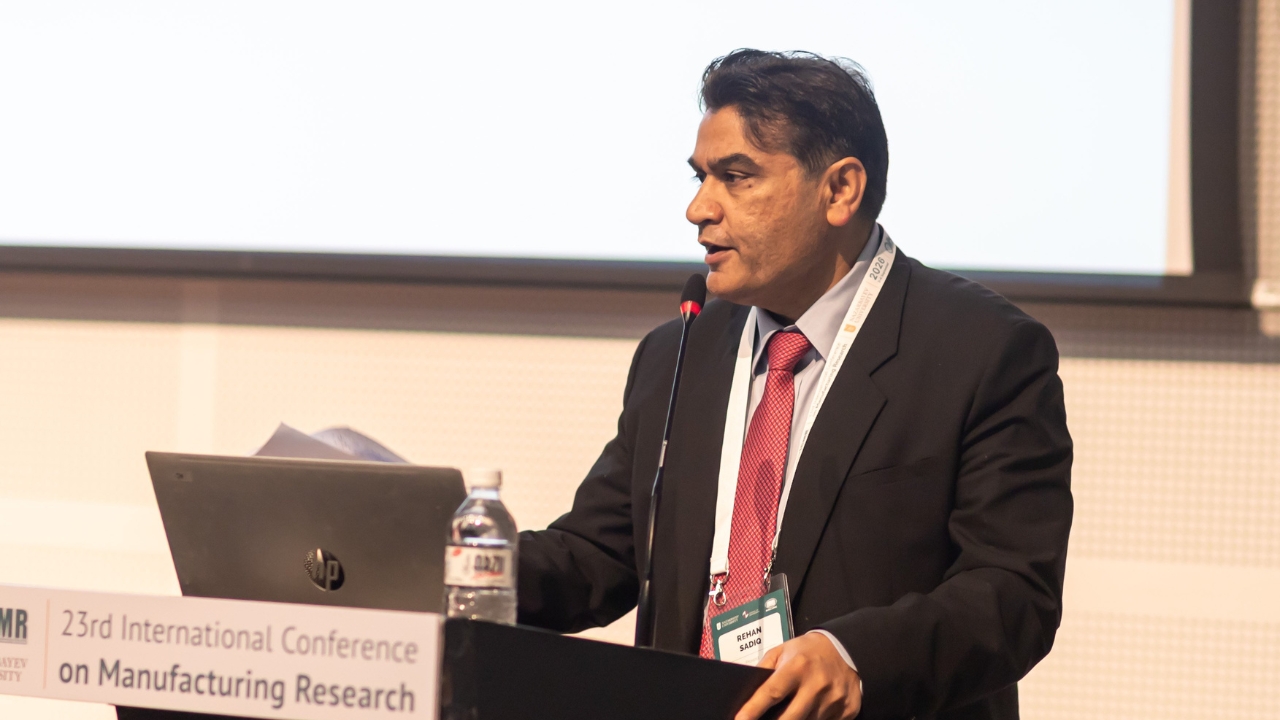
“We are envisioning Nazarbayev University as an institution which is very unique. Choosing the moral principles of engineering, information technology, AI, all these things should be embedded. We are trying to promote interdisciplinary research, interdisciplinary programs. We have just started,” said NU Provost Professor Rehan Sadiq.
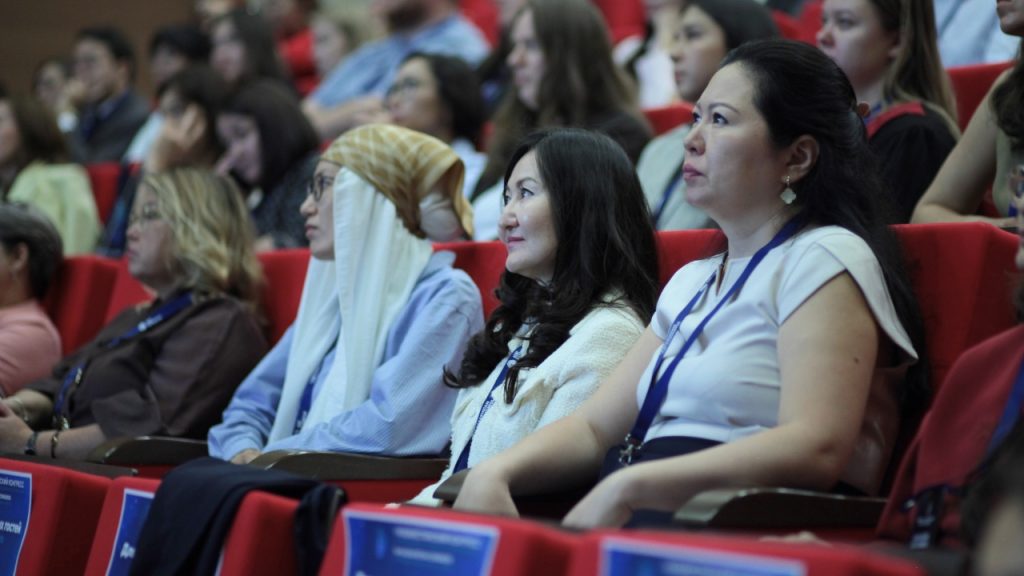
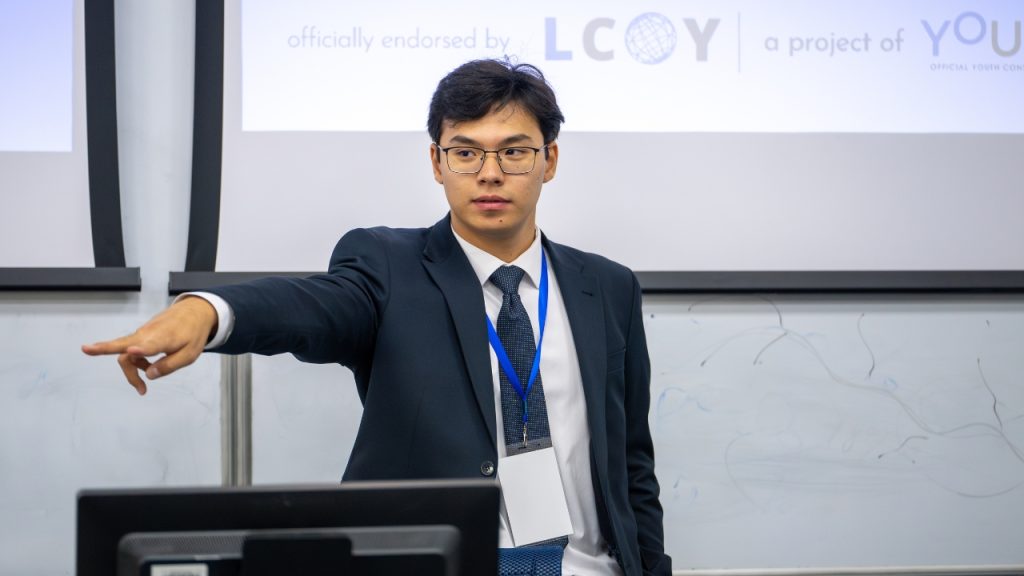
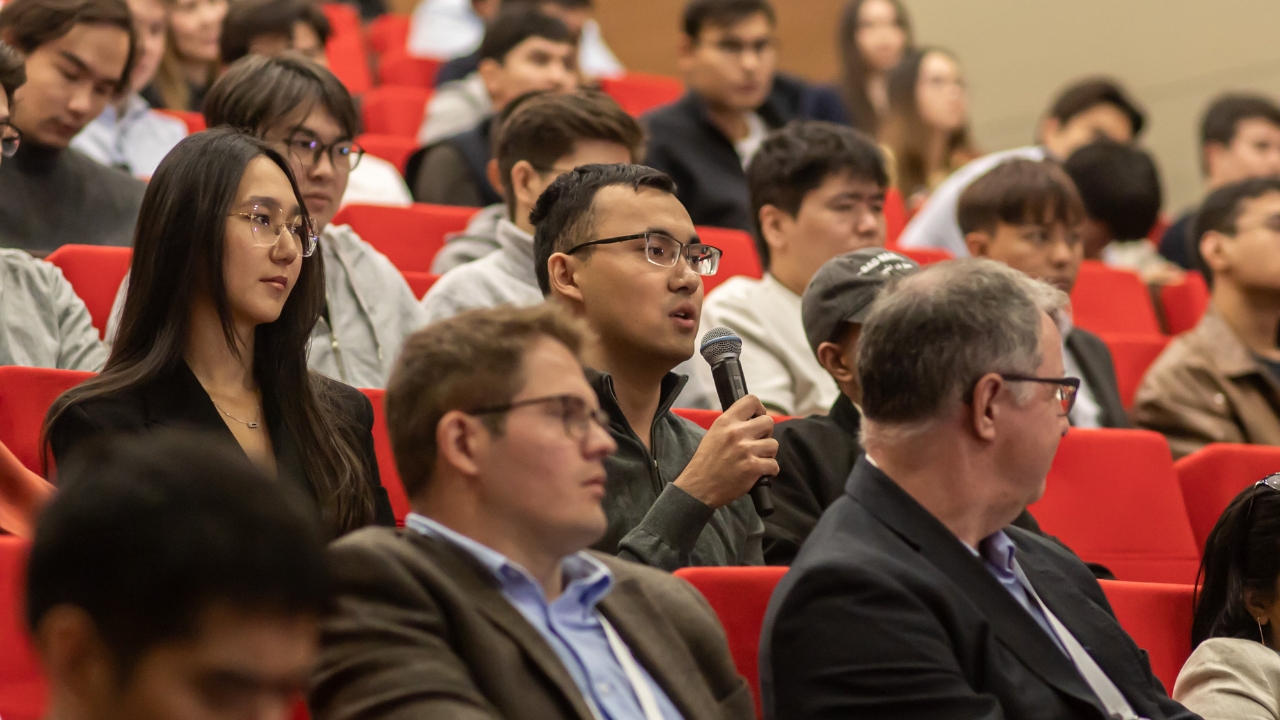
Hosting ICMR 2026 in Kazakhstan also created new opportunities for students and early-career researchers. They were able to engage directly with leading international scholars and industry professionals, learn about emerging technologies, and explore opportunities for their future professional development.