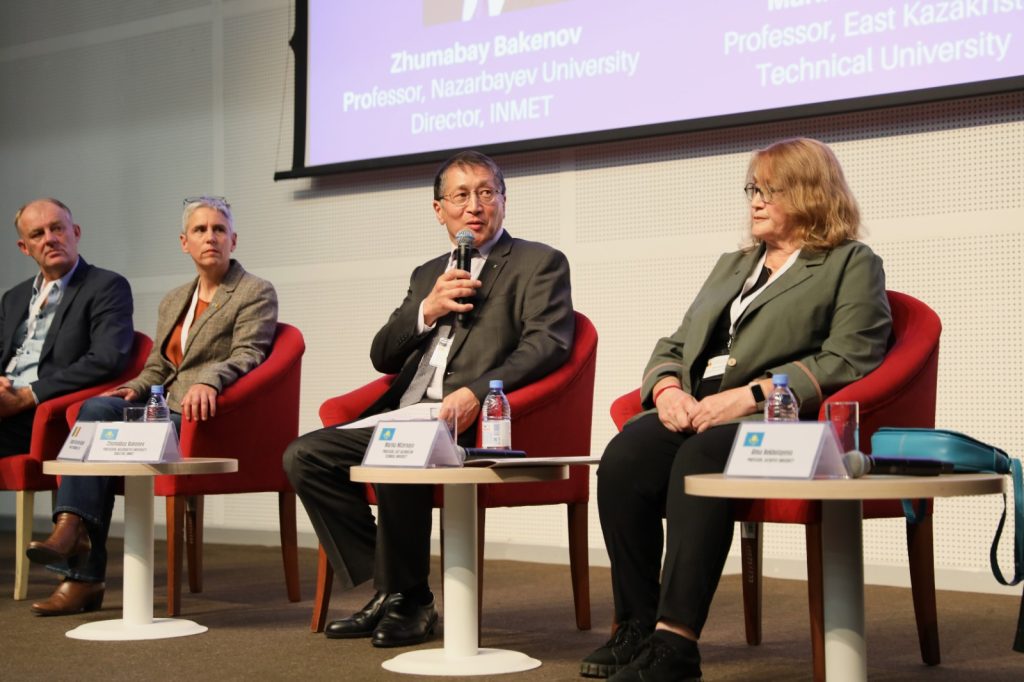
The national stage of the international Wiki Science Competition has concluded in Kazakhstan, organized by Nazarbayev University (NU). The top entries from national rounds will advance to the international competition in February 2026.
This year, the contest received 517 submissions from across Kazakhstan. Alongside researchers, participants included travelers and naturalists documenting the country’s unique biodiversity. Entries were evaluated across seven categories: People in Science, Microscopic Images, Non-photographic Media, Image Sets, Wildlife and Nature, Astronomy, and a General category.
Bibigul Makazhanova, coordinator of the Kazakhstan round and science communication manager at NU Research Administration, said the contest’s second edition reflects growing interest in the visual representation of research. “The competition gives scientists an opportunity to showcase their work and reminds us that science can be not only meaningful but also visually compelling,” she said. “At a time when the line between human-created and AI-generated imagery is becoming less clear, human observation, professional perspective, and research intuition are especially important.”
All submissions from Kazakhstani participants have been published on Wikimedia Commons under open licenses, making them available worldwide for educational and popular science use and contributing to Wikipedia’s global knowledge base. An independent jury of representatives from the scientific and creative communities, civil society, and the media evaluated the works based on scientific relevance, visual quality, completeness of description, originality, and expert assessment.
Alexandr Arbuz, a researcher and jury member, noted the breadth of techniques and approaches represented. “I was impressed by the diversity of images—from electron, confocal, and classical microscopy to artistic scientific photography. Selecting the best was not easy; many works were equally strong.”
Category winners:
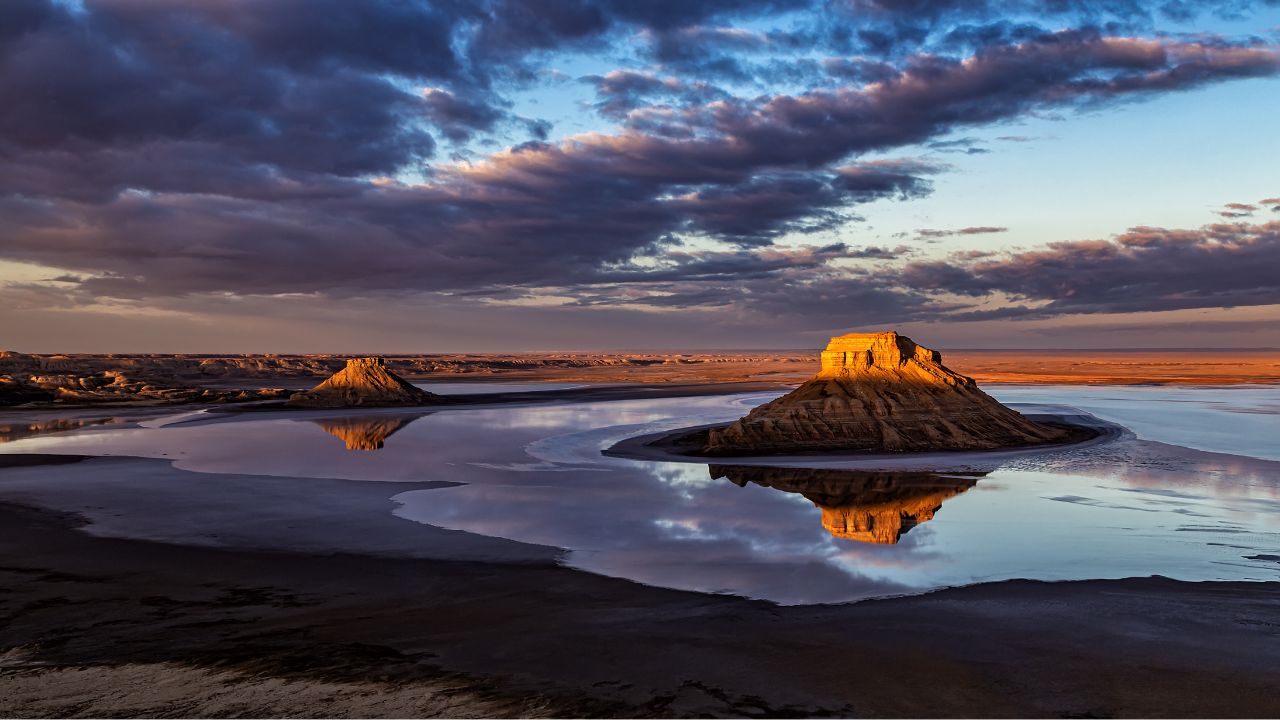
- Nature: The “Three Brothers” mountain in the Karynzharyk tract
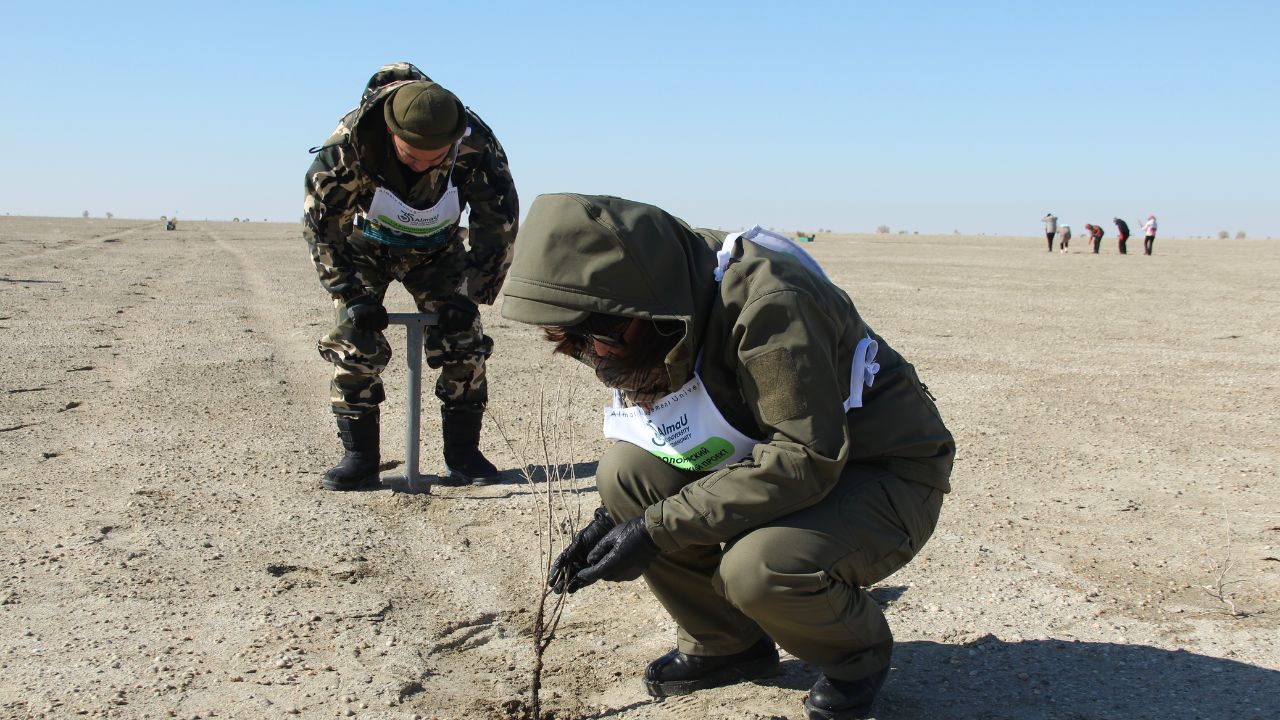
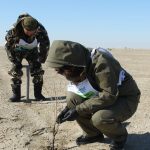
- People in Science: Saxaul planting on the dried bed of the Aral Sea
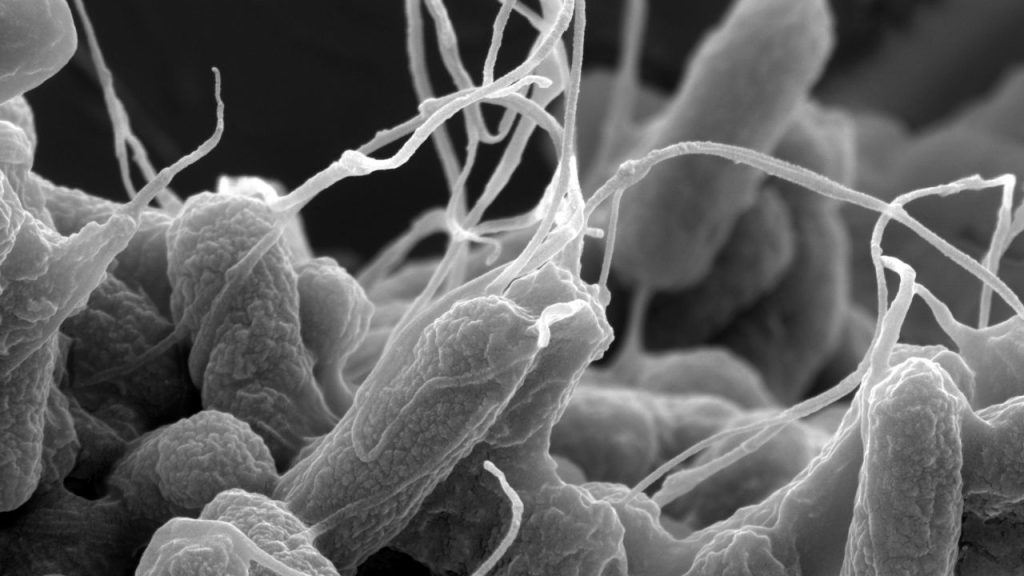
- Microscopic Images: E. coli bacteria at ×25,000 magnification
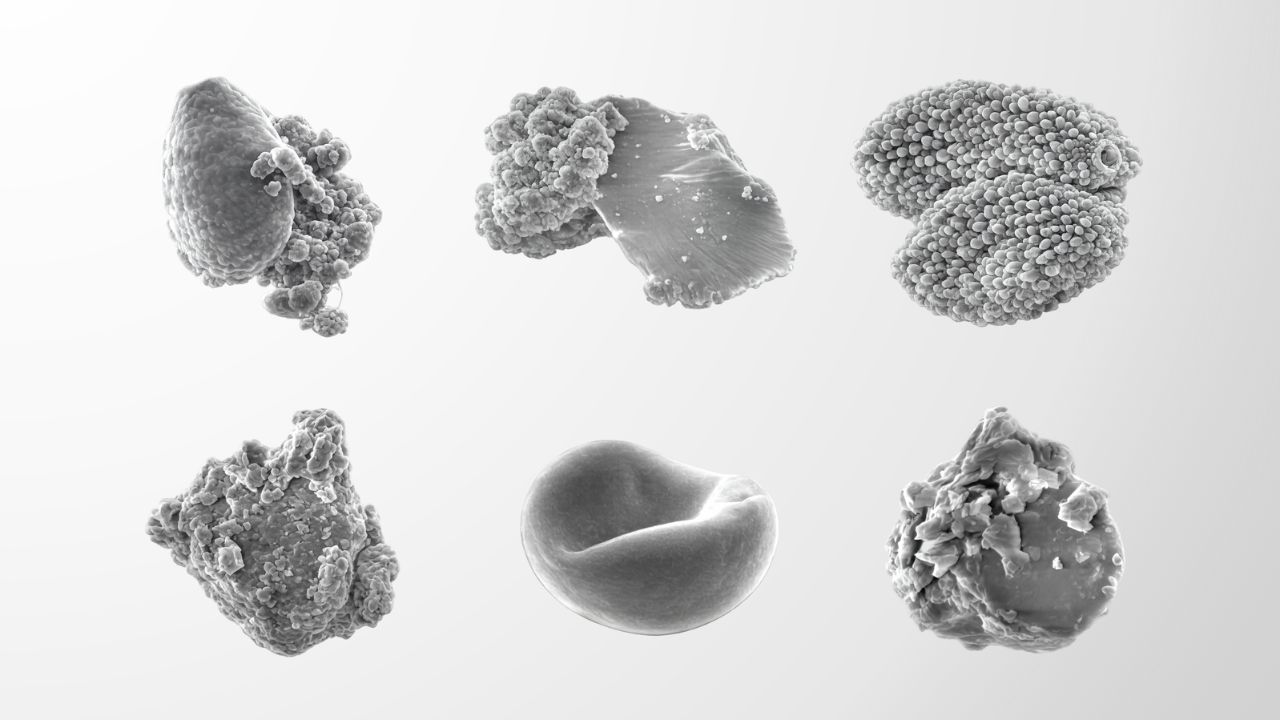
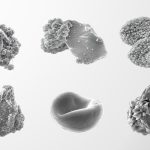
- Image Set: Urban air particles under a microscope
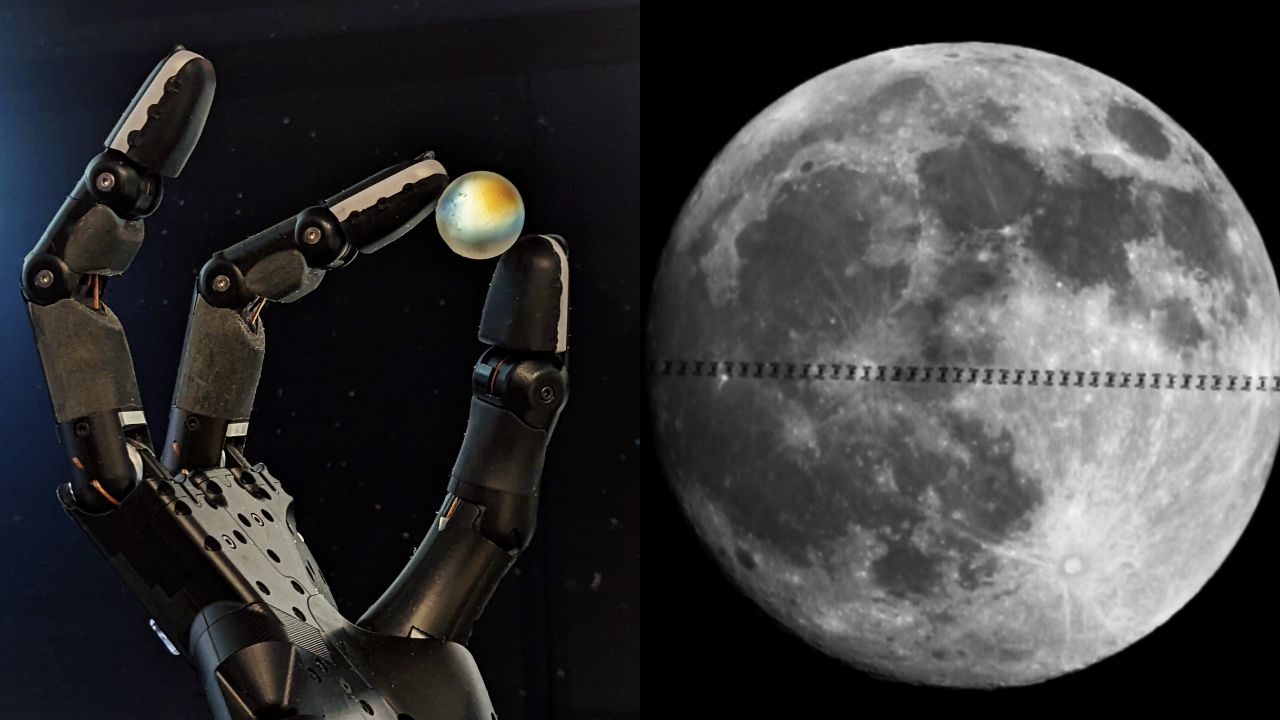
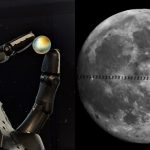
- Astronomy: Transit of the International Space Station across the Moon
- Non-photographic Media: Video work Northern Lights in the Steppes of Kazakhstan
General Category: A robotic arm holding a transparent sphere refracting polarized light
This year, the national stage of the Wiki Science Competition in Kazakhstan is coordinated by the Nazarbayev University Research Administration (NURA), in association with ÓNERGY Creative Art Hub and DC Lab, with sponsorship from the NU Impact Foundation. Winners in all seven categories will receive cash prizes of 200,000 tenge. Selected works will also be featured in an art exhibition at NU, introducing scientific photography to a broader public audience.