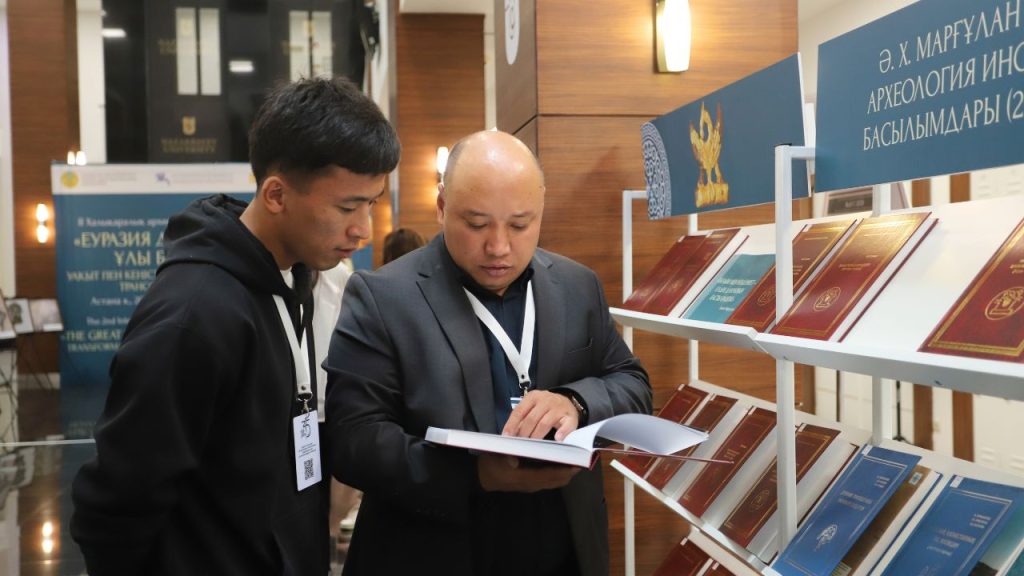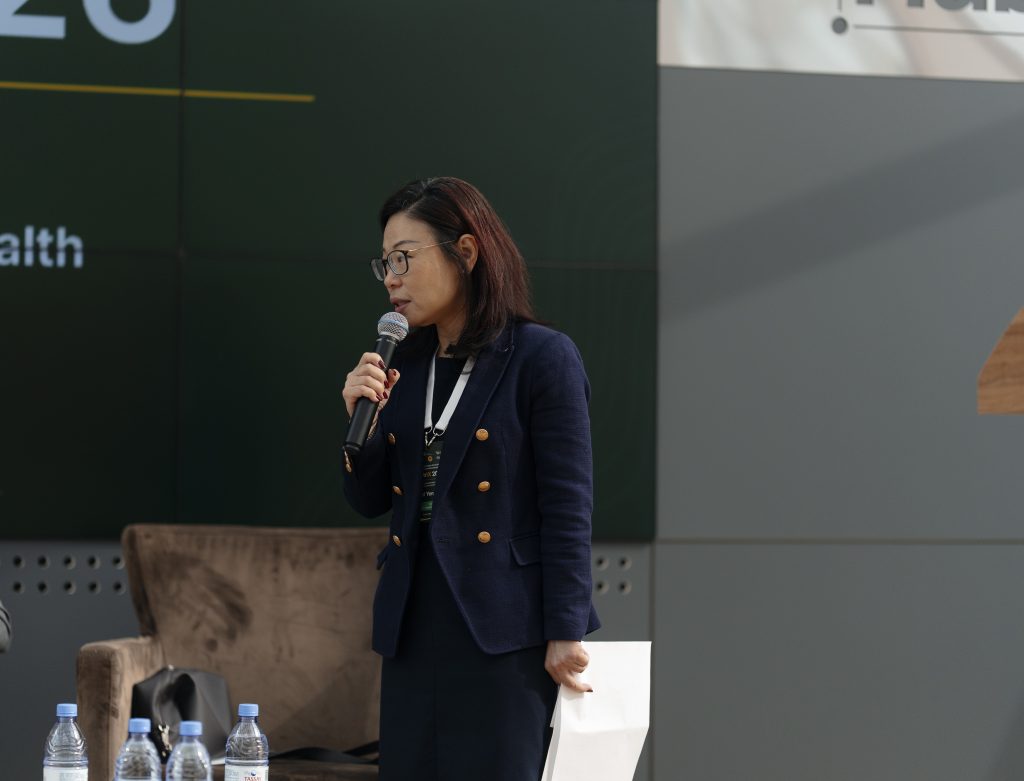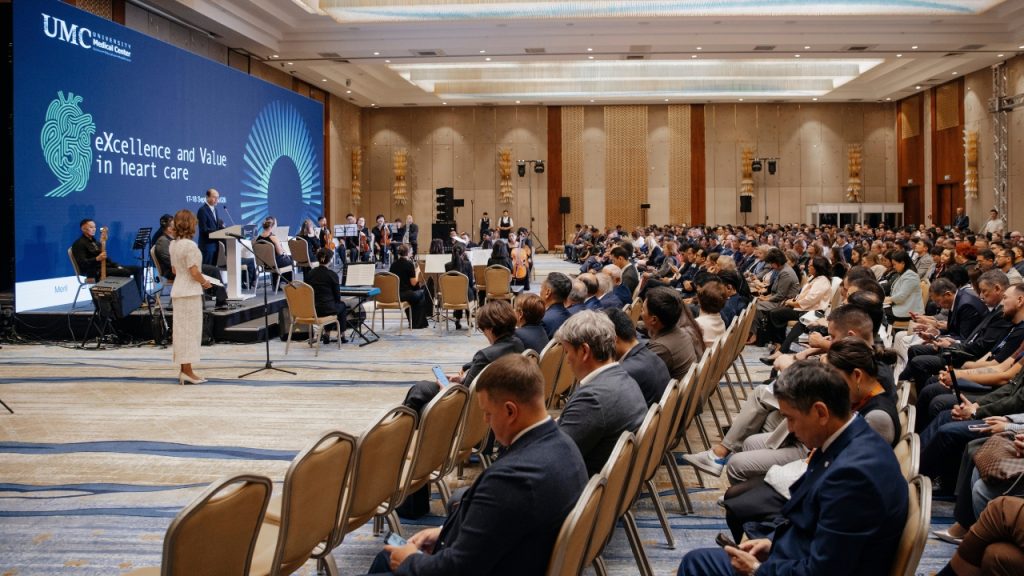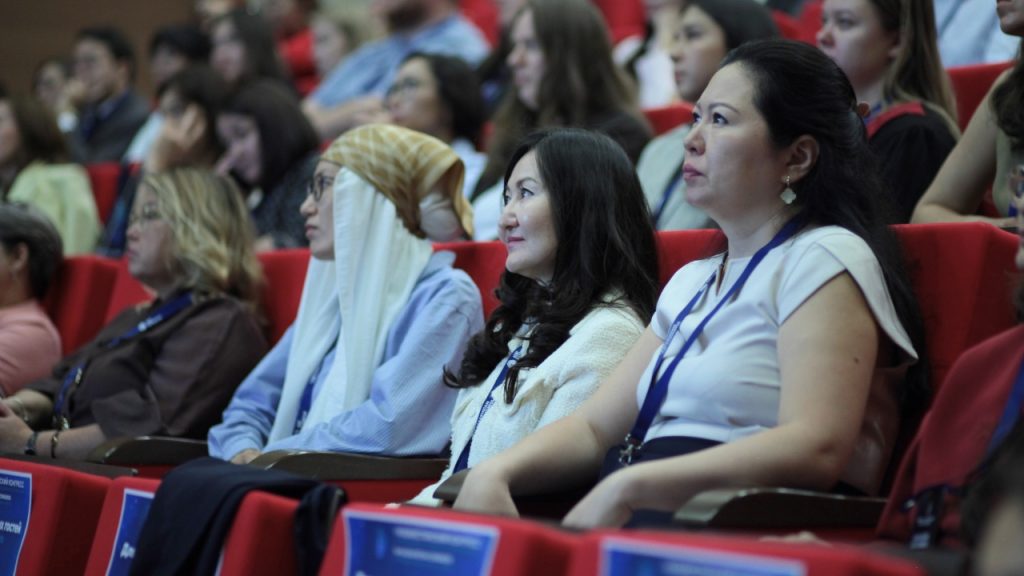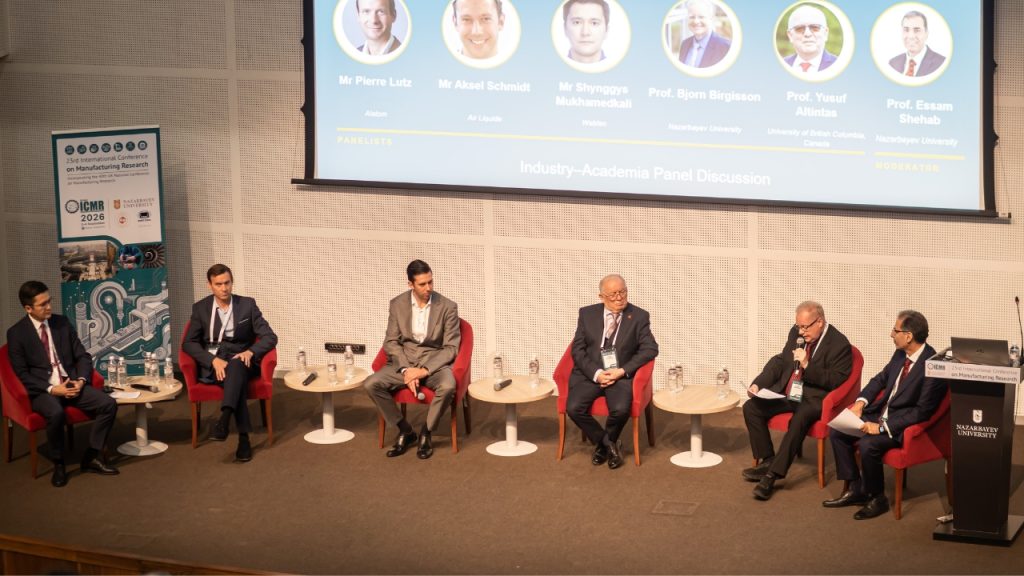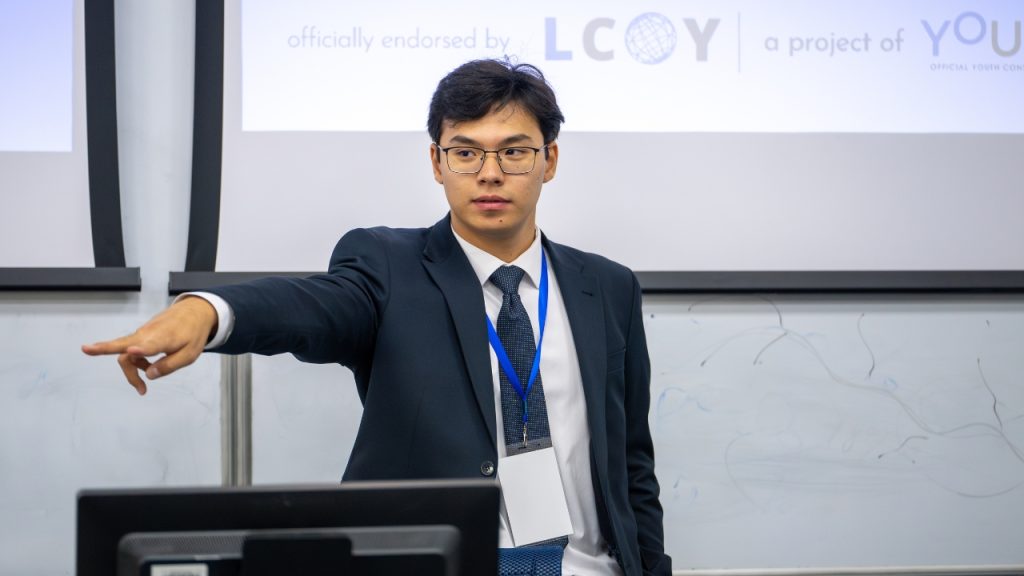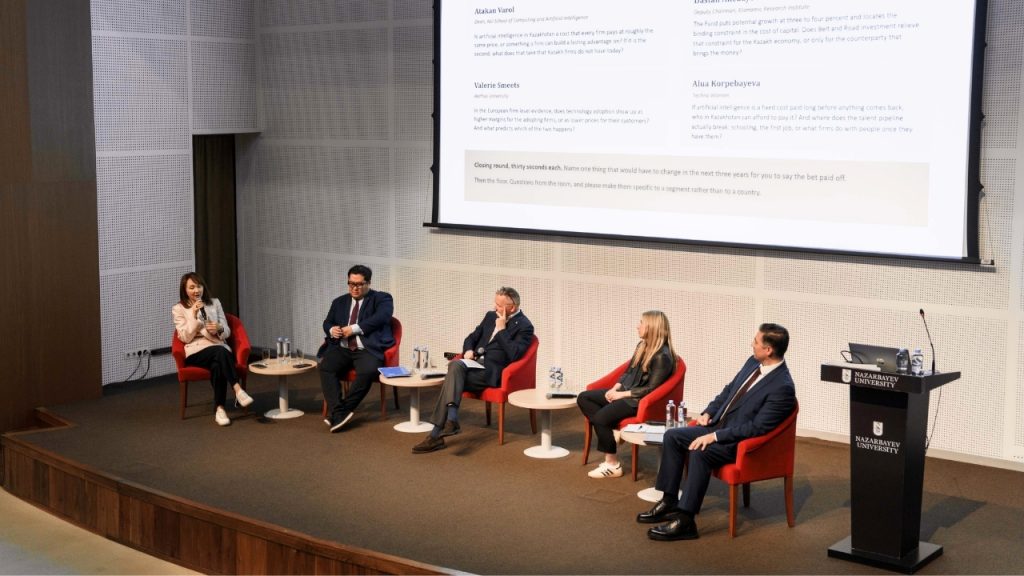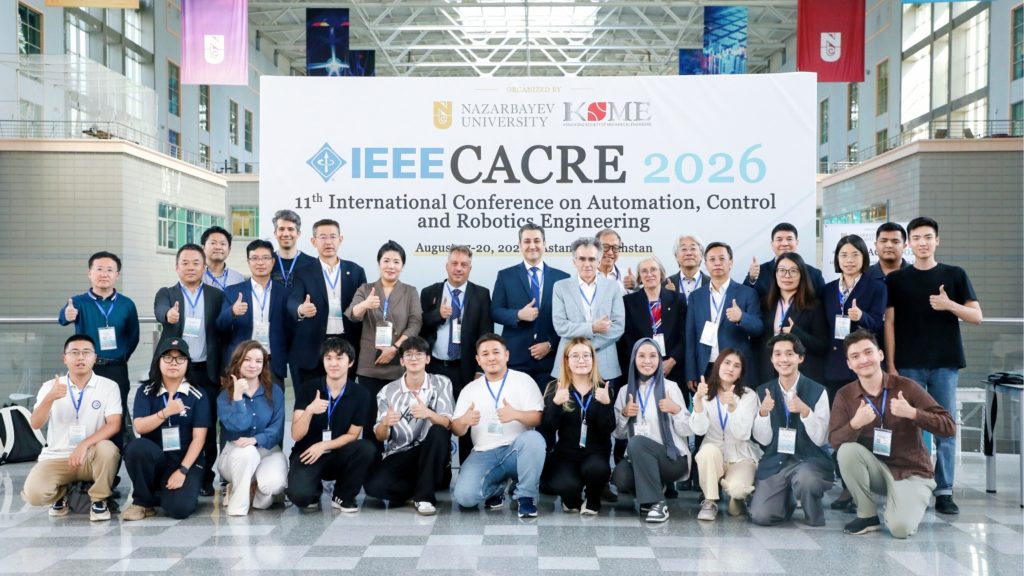
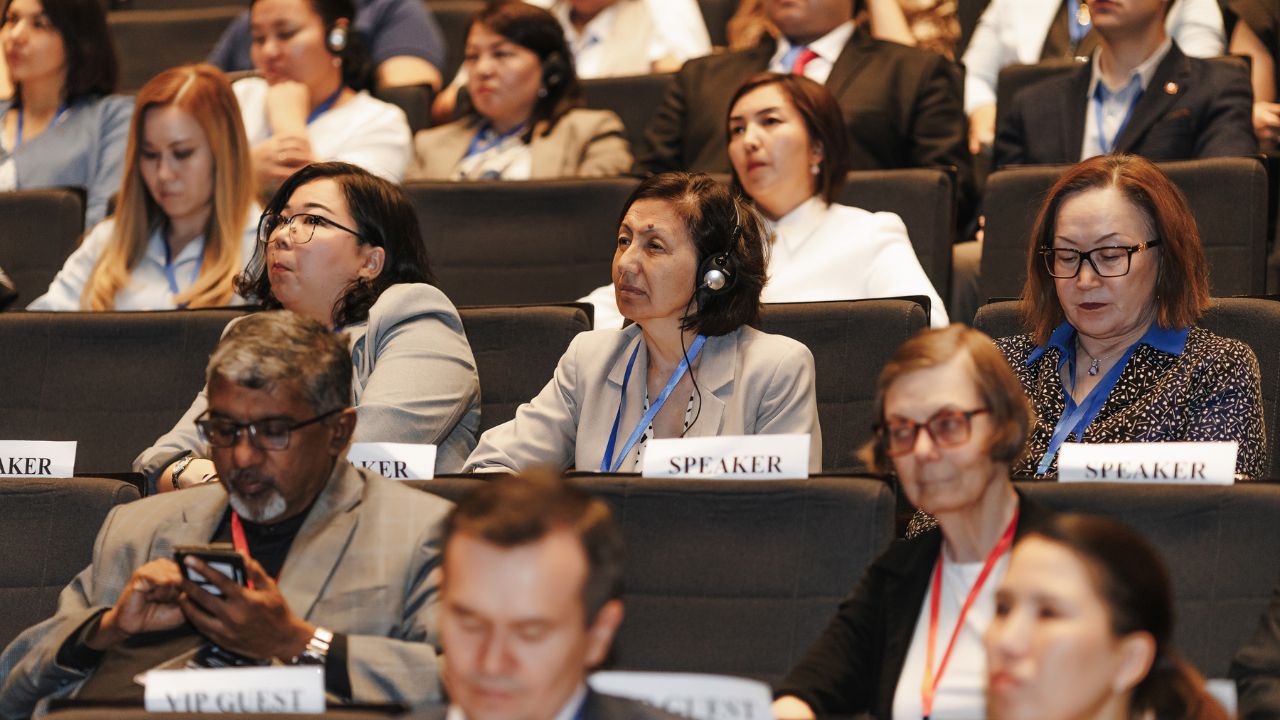
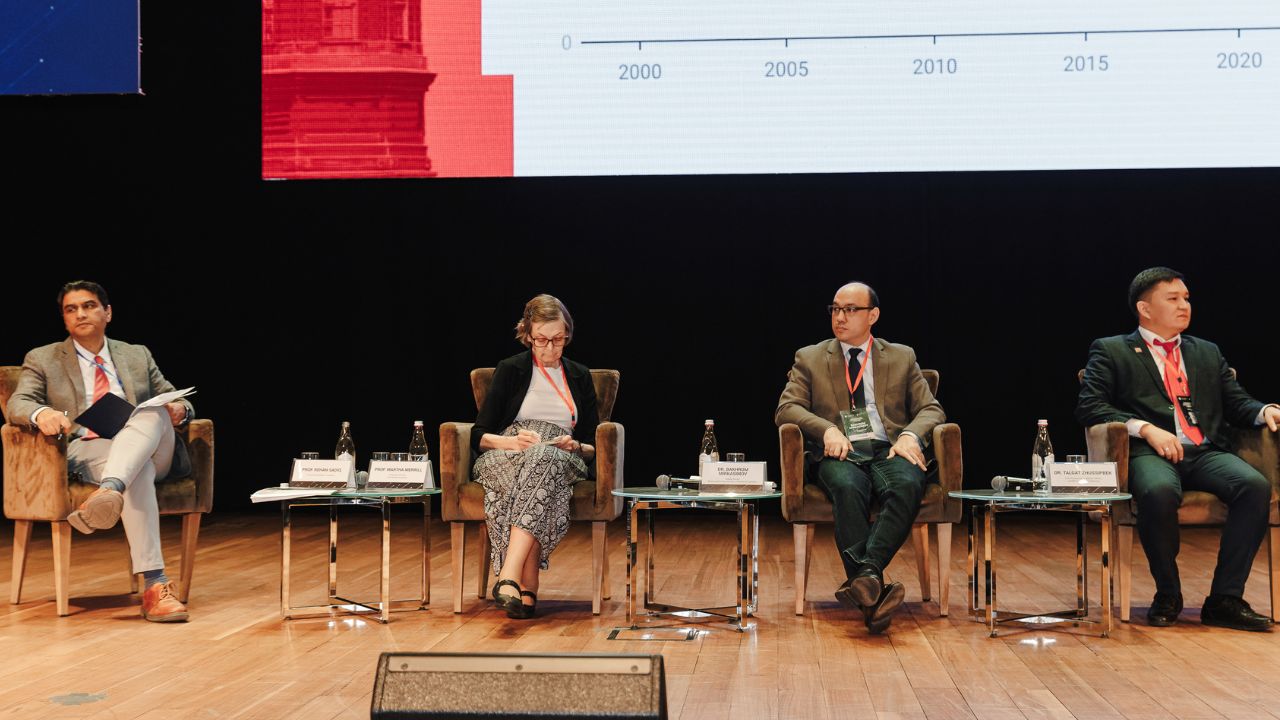
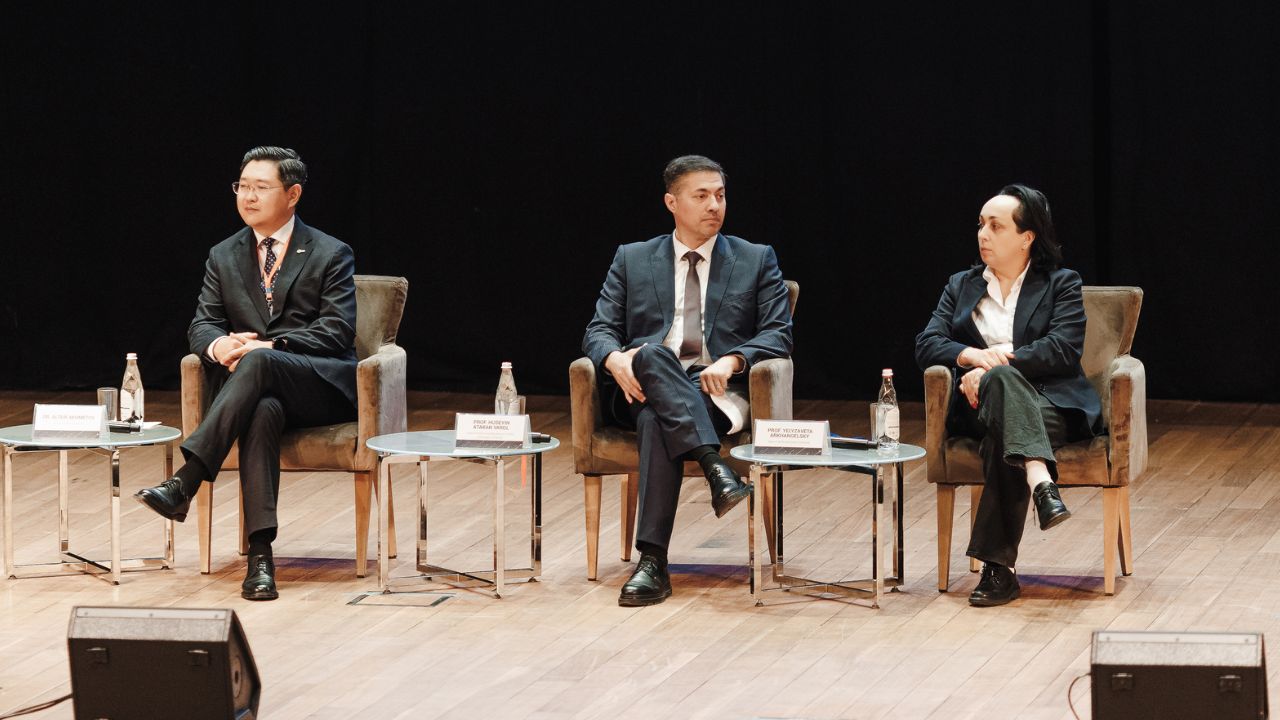
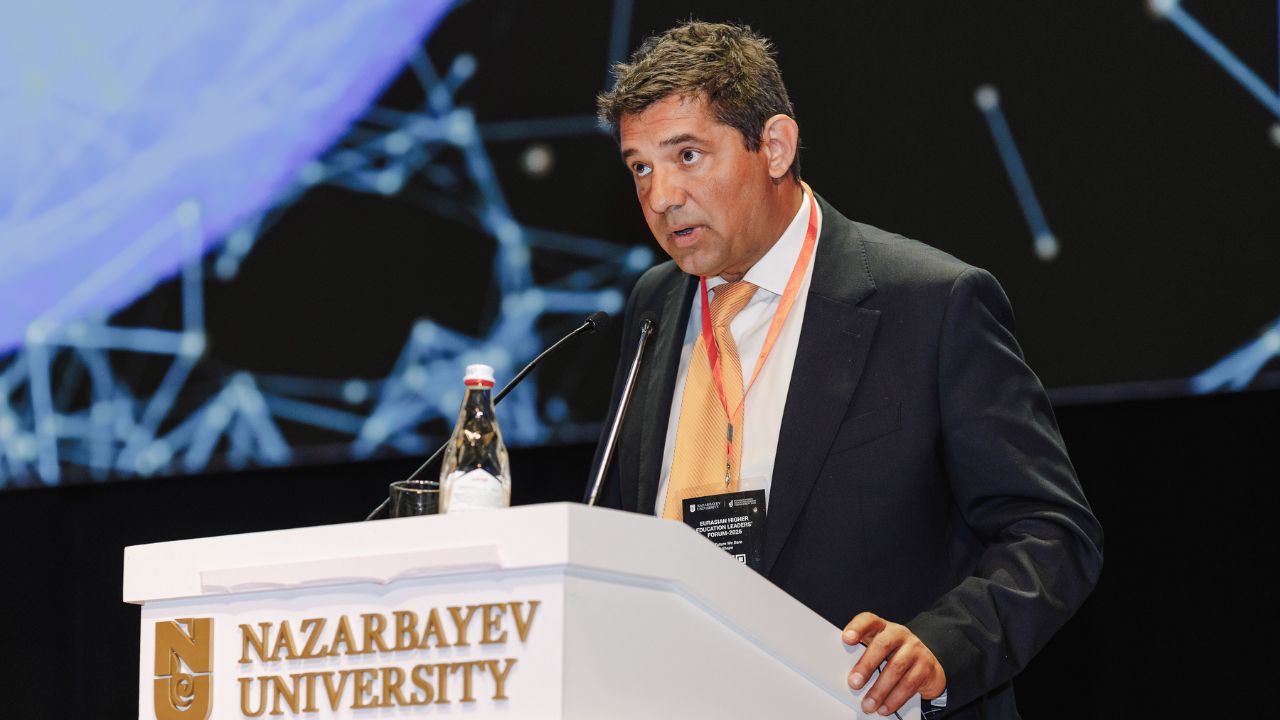

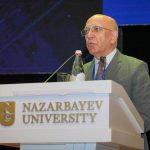


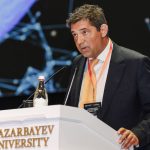
The Eurasian Higher Education Leaders’ Forum (EHELF) took place at Nazarbayev University, bringing together representatives of universities, international organizations, government institutions, industry, and the expert community.
Held annually from 2011 to 2019, the forum established itself as a respected international platform for discussing key issues shaping the future of higher education. Following a five-year hiatus, EHELF returned to Astana to continue its tradition of professional dialogue, knowledge exchange, and collaborative problem-solving for higher education systems across Eurasia and beyond.
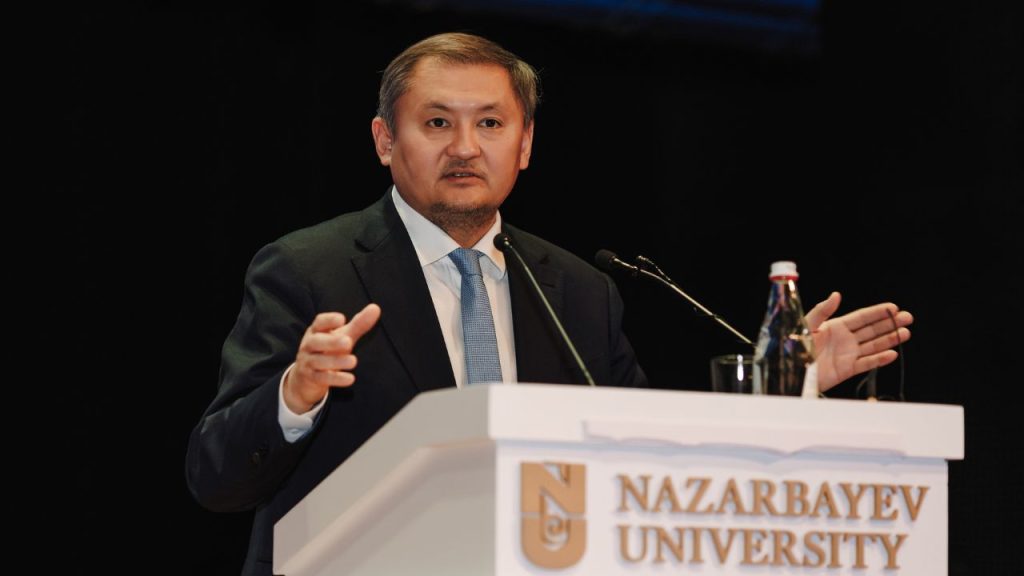
Speaking at the forum, Kazakhstan’s Minister of Science and Higher Education Sayasat Nurbek noted that the revival of EHELF reflects Kazakhstan’s growing role as a regional hub for academic dialogue.
«Kazakhstan is steadily integrating its higher education system into the global academic space. And it is forums like EHELF that allow us to benchmark our progress against the world’s leading universities», the minister emphasized.
The theme of the 2026 forum, «The Future We Shape», reflected universities’ commitment to playing an active role in building a sustainable, equitable, and future-ready society. Discussions focused on technological transformation, economic uncertainty, climate challenges, and an evolving geopolitical landscape.
«In this environment, universities are expected not only to respond to change, but also to help shape the future. In Central Asia, universities have a responsibility to support the development of society and the economy. Since its founding, Nazarbayev University has built a globally connected academic ecosystem based on research, innovation, and partnerships, while remaining committed to advancing higher education in Kazakhstan and the region», said Waqar Ahmad, President of Nazarbayev University.
During the forum’s working sessions, participants explored how principles of sustainability, equity, and public good can be integrated into university strategies, governance models, and academic programs. Particular attention was given to the opportunities and challenges of digital transformation, the integration of artificial intelligence into education and research, and effective leadership in times of uncertainty and crisis.
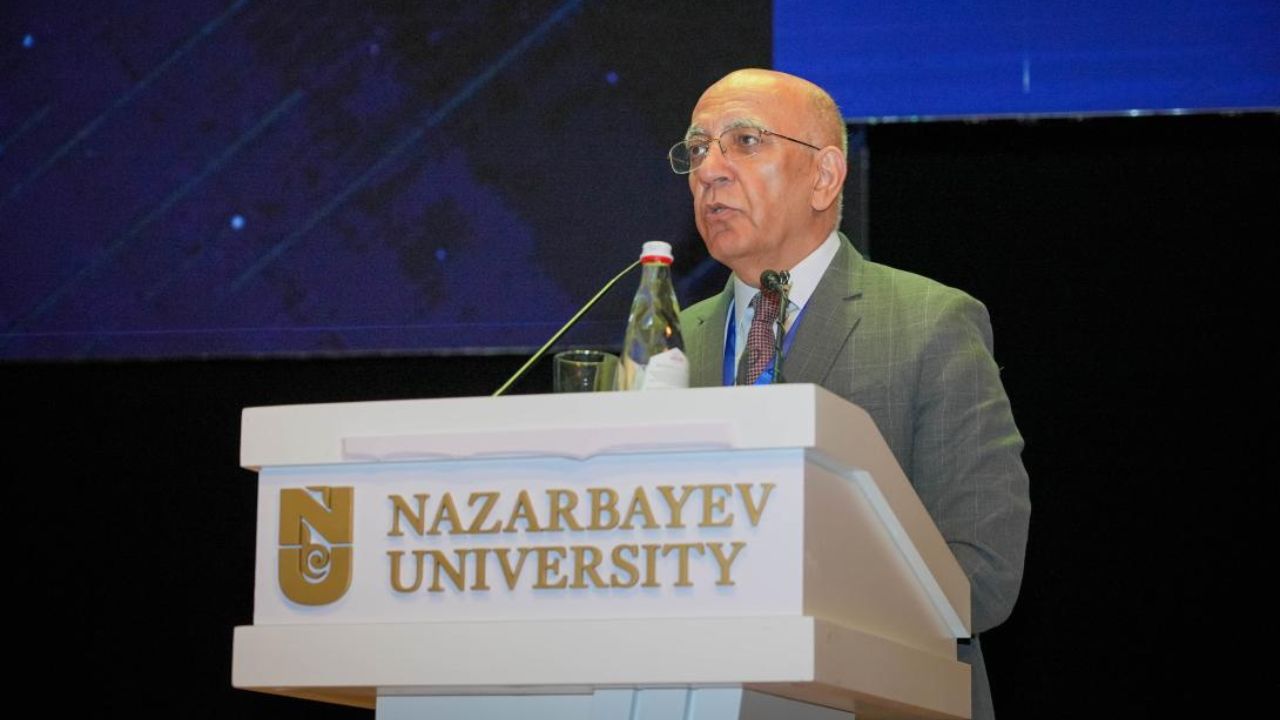
This year’s speakers included leading experts in higher education, economics, technology, and public policy. Among them were Norbert Csizmadia, a researcher and expert in global economic strategy, geoeconomics, and geopolitics; Mahendhiran Sanggaran Nair, a renowned Malaysian scholar, econometrician, and data scientist; and Wayne Holmes, an international expert on artificial intelligence and Professor of Critical Studies of AI and Education at the Institute of Education, University College London, alongside representatives from universities and various sectors.
«It is a special honor to discuss the future of the «turquoise zones» here in Kazakhstan, where a new academic and civilizational dialogue is shaping the future of Eurasia. Many of the challenges facing the world today can already be seen in Central Asia, but they also create opportunities for innovation and development», said Norbert Csizmadia.
Nazarbayev University is committed to preparing graduates who can thrive in an era of globalization and technological advancement while contributing innovative solutions to complex global challenges. According to the Times Higher Education World University Rankings 2026, NU ranks among the top 23 percent of universities worldwide and is the highest-ranked university in Central Asia and the Caucasus. It is also ranked 150th in the Times Higher Education Asia University Rankings 2025 and is among the world’s top 106 young universities.