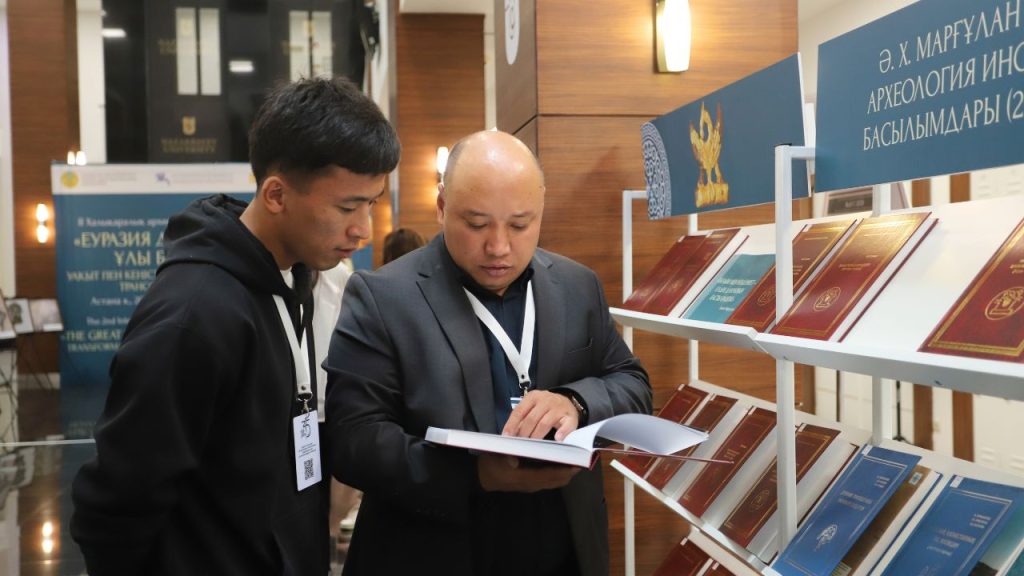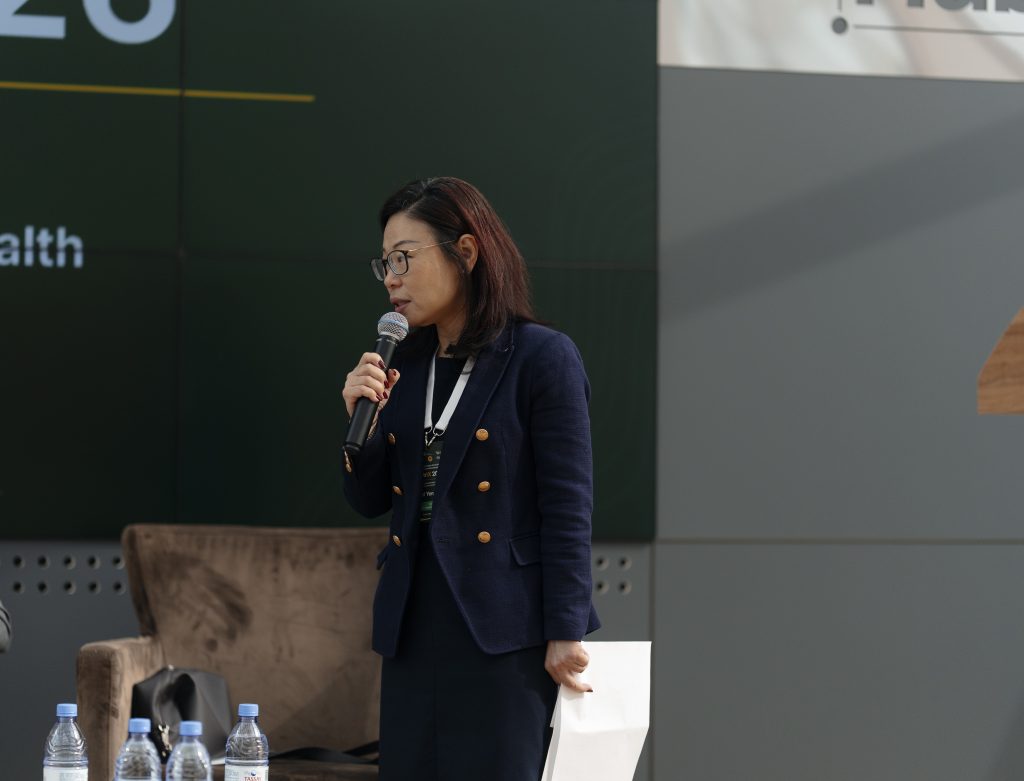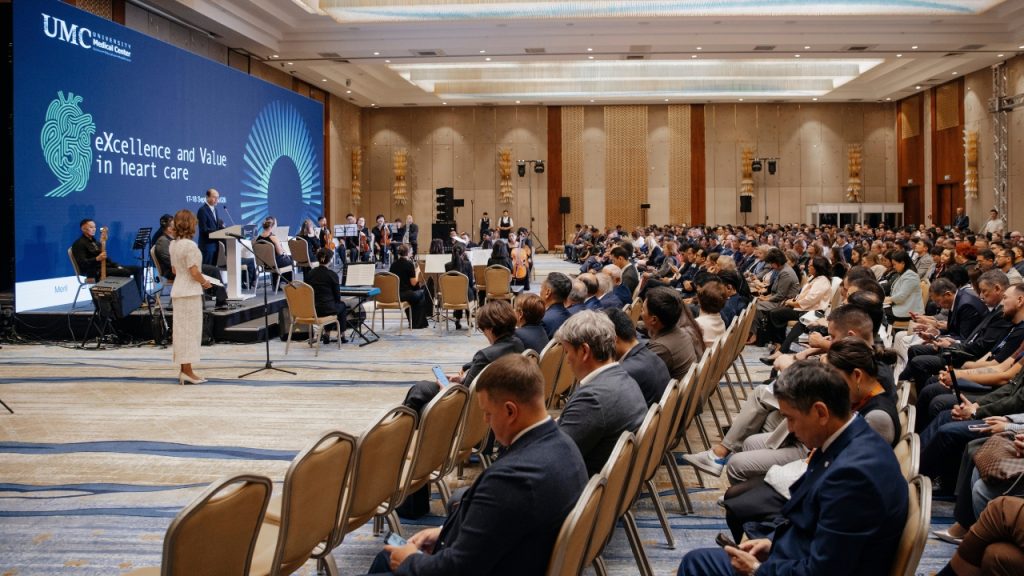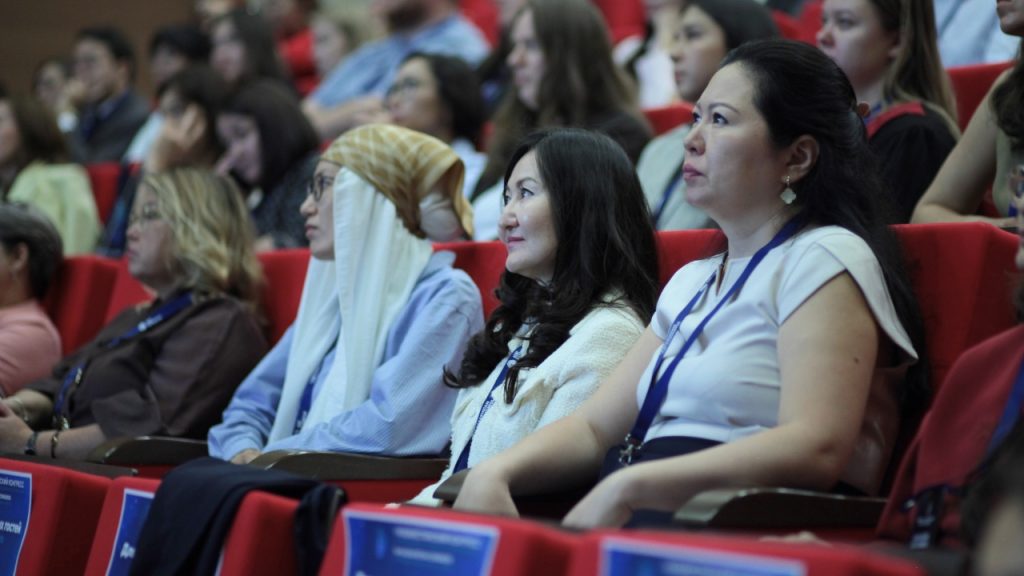
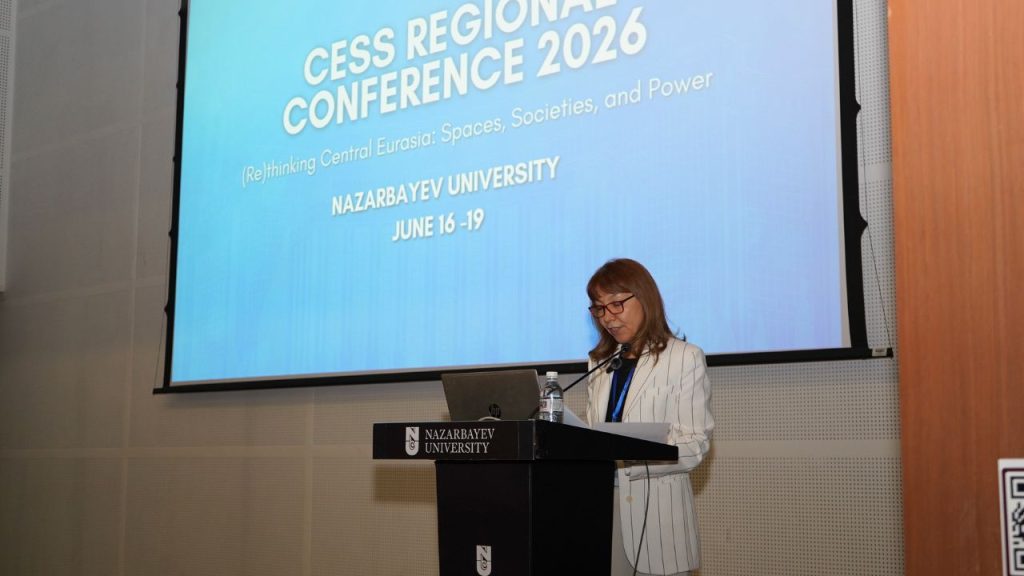
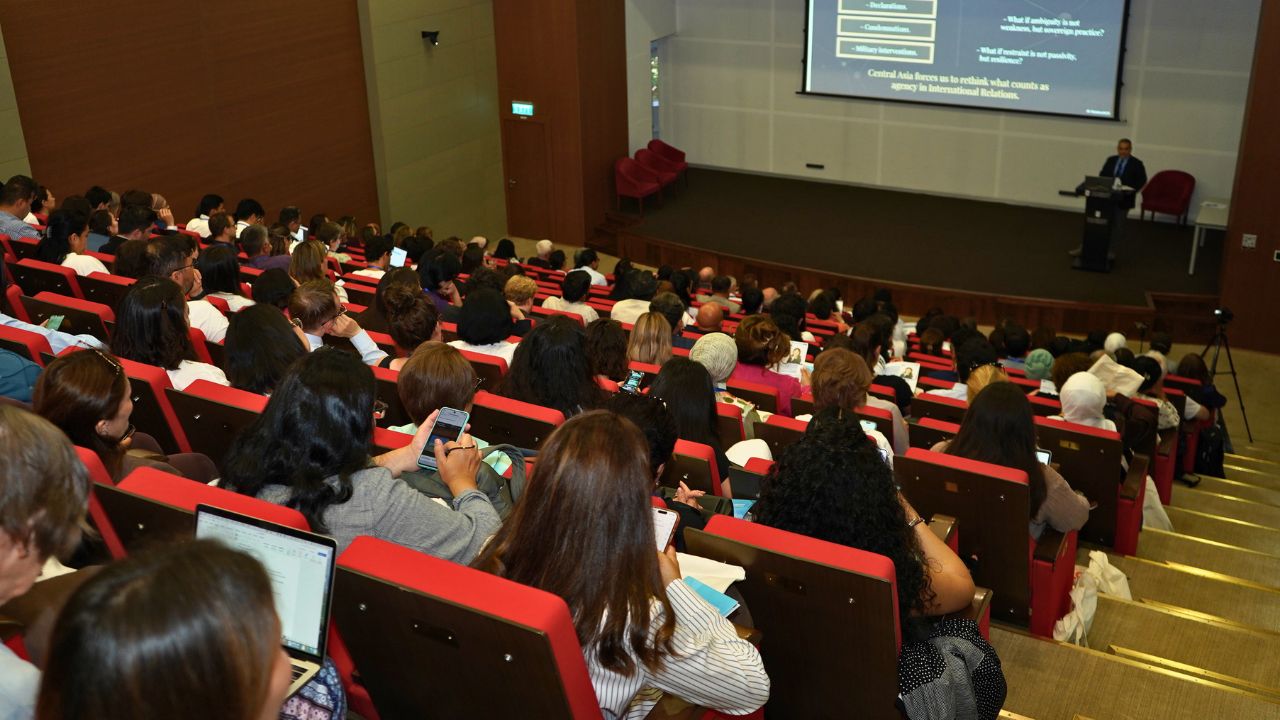
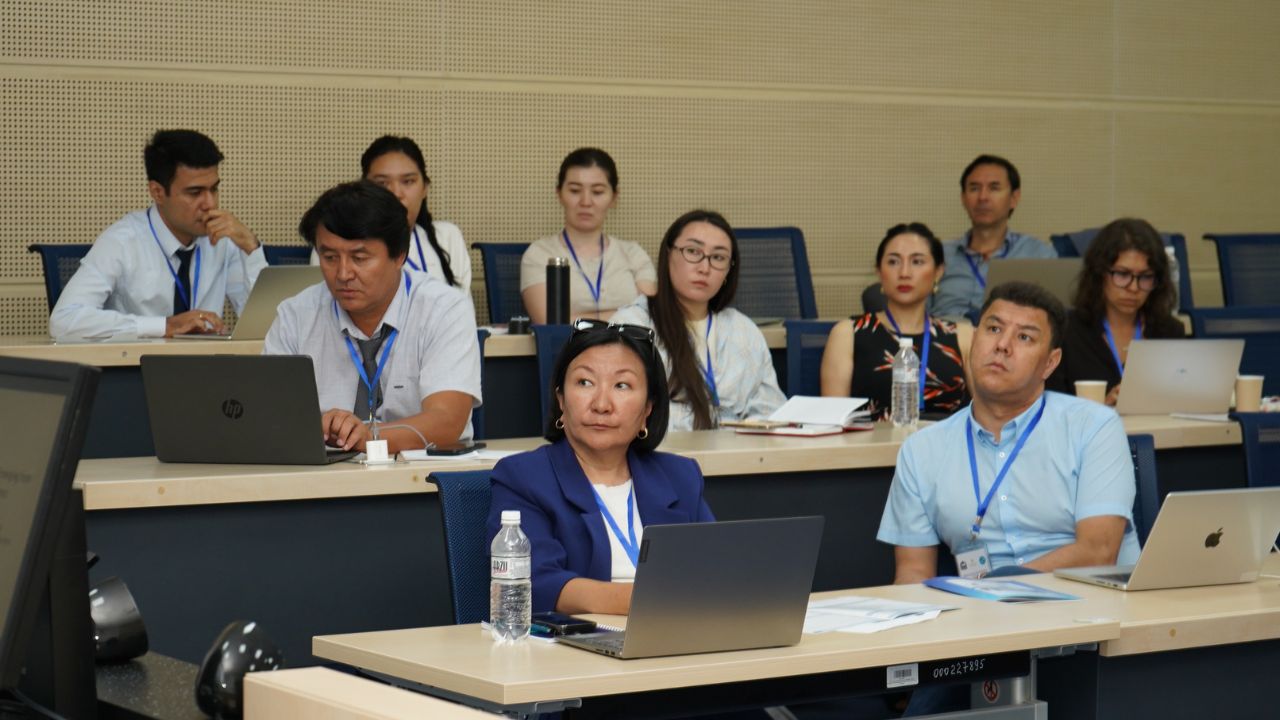
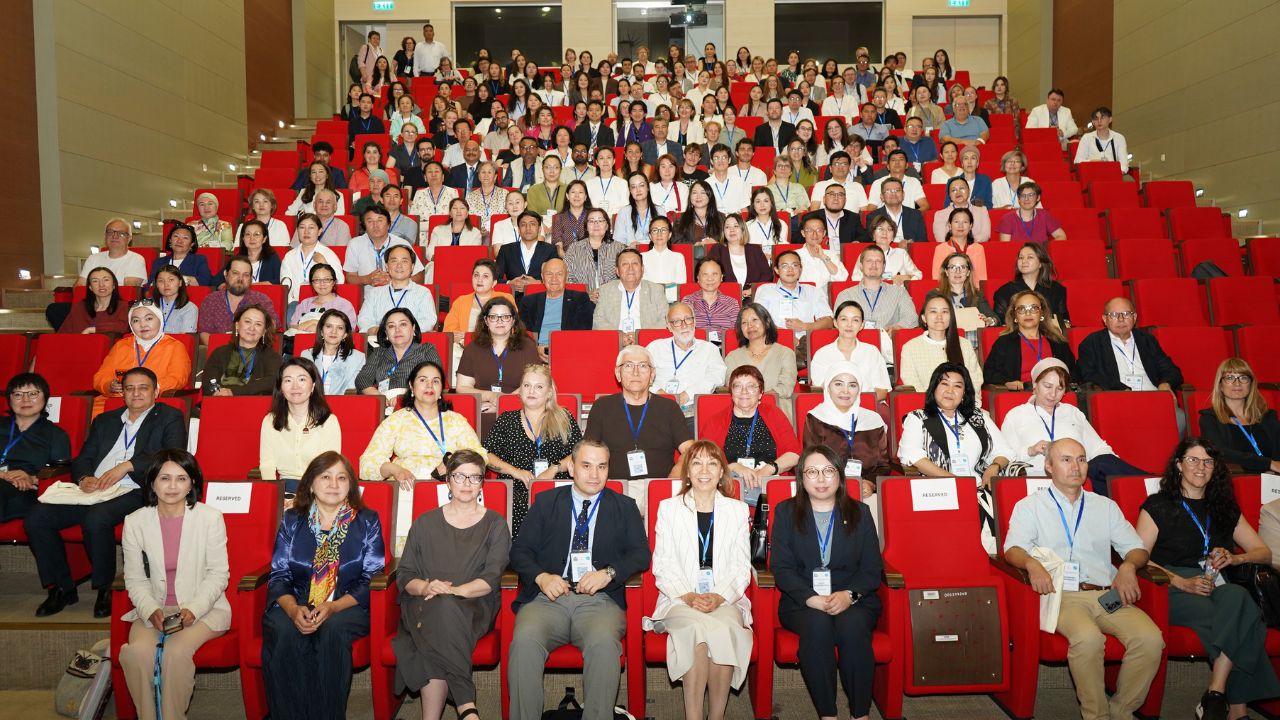


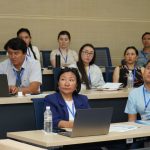
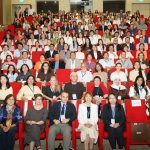
Nazarbayev University hosted the Central Eurasian Studies Society (CESS) Regional Conference 2026, “(Re)thinking Central Eurasia: Spaces, Societies, and Power.” Today, CESS unites more than 500 scholars worldwide and promotes academic collaboration in the field of Central Eurasian studies.
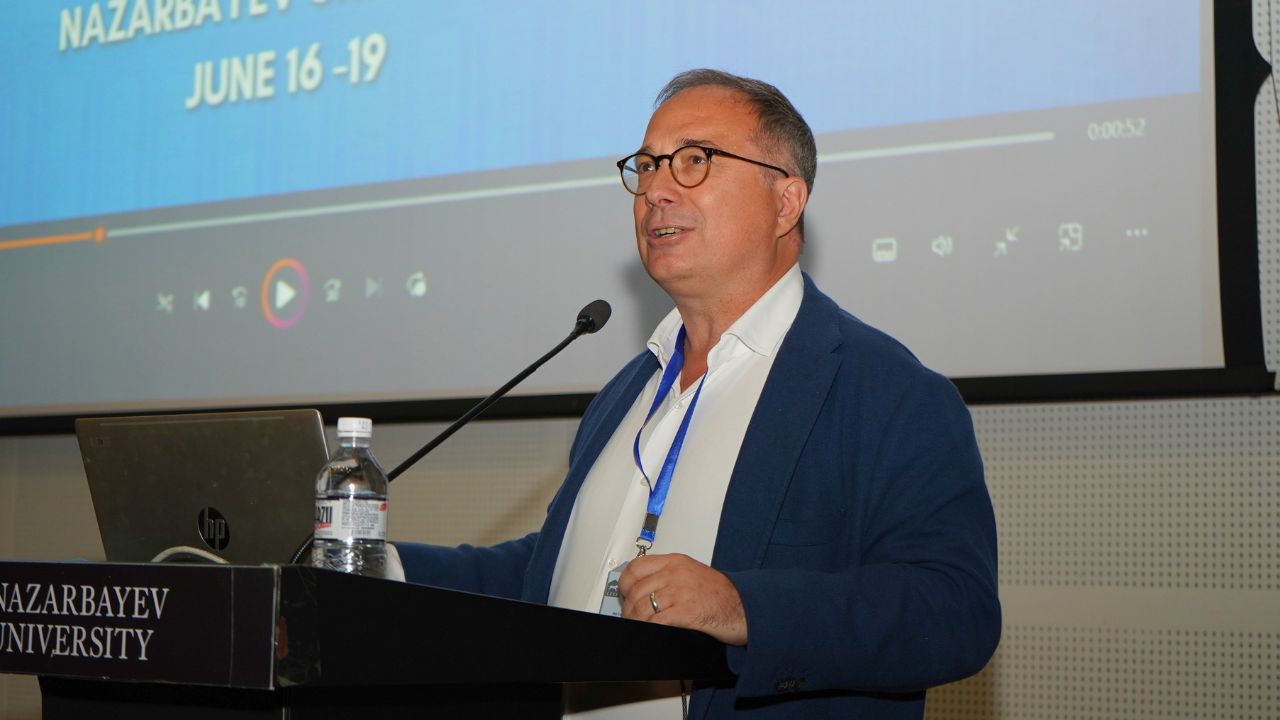
The conference opened with remarks by Dr. Gulmira Qanay, Vice President of Nazarbayev University, Dr. Riccardo Pelizzo, Dean of the NU Graduate School of Public Policy (GSPP), and Dr. Dina Sharipova, President of CESS for 2026 and Vice Dean for Research at GSPP.
“We are honored that the Central Eurasian Studies Society has chosen Nazarbayev University to host its regional conference. CESS has long played an important role in advancing scholarship on Central Eurasia, and we are proud to bring together researchers from around the world to address complex societal challenges, generate new ideas, and deepen our understanding of the region,” – said Dr. Gulmira Qanay.
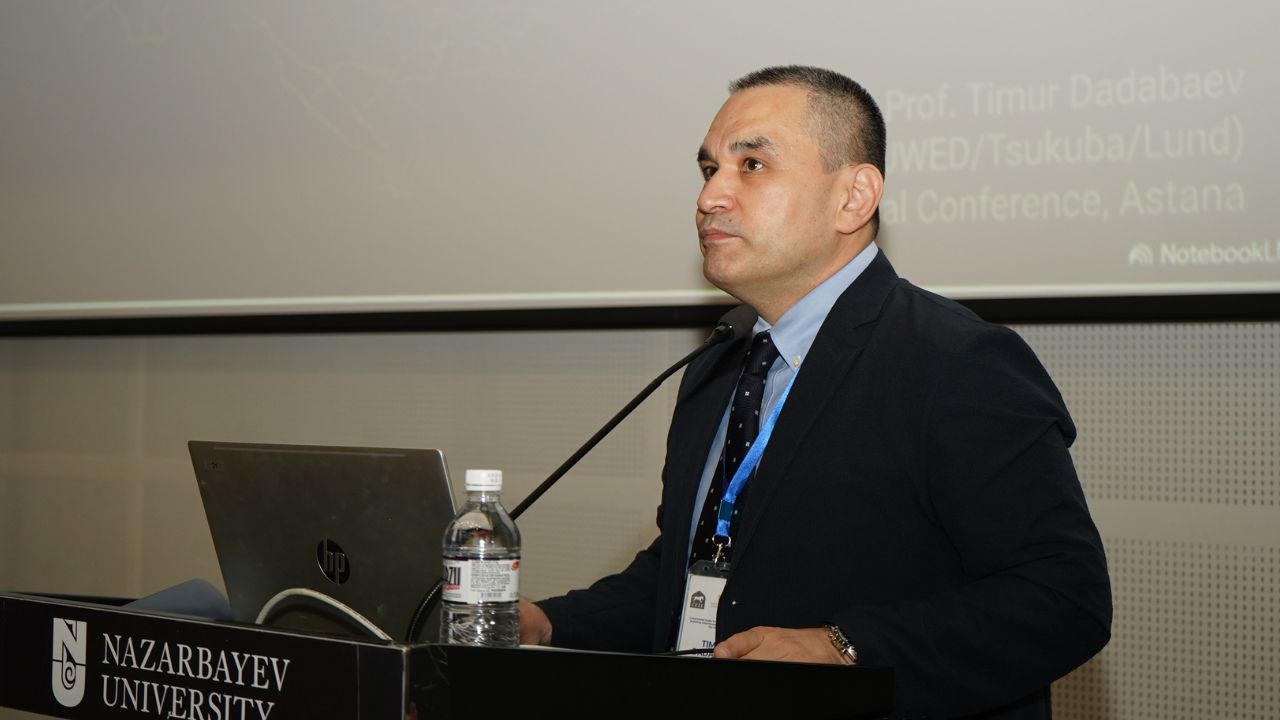
The keynote address was delivered by Timur Dadabaev, Professor of International Relations at the University of Tsukuba (Japan) and the University of World Economy and Diplomacy under the Ministry of Foreign Affairs of Uzbekistan. In his remarks, he discussed the evolving role of Central Eurasia in a changing global landscape.
“For decades, Central Asia has been portrayed as a corridor, a buffer zone, or a periphery, the object of great power rivalry. And we are very much lucky that the next generation of scholarship now emerged, which increasingly talks about the agency, the decolonial perspectives, local voices, and perceptions. We also talk about the alternative ways of knowing the region,” he noted.
According to Dadabaev, the region is developing its own model of regionalism based on the principles of sovereignty and good-neighborliness. This model includes several key elements: “strategic silence” as a diplomatic tool, “quiet regionalism” as a form of informal coordination without grand political declarations, and a network of overlapping neighborhood ties that help maintain stability without requiring deep integration.
“To be a nation in Central Asia is also to be a neighbor. Indeed, one can argue that national identity and regional relationships are mutually constitutive. To put it differently, a neighborhood defines your nationhood, not the other way around. In order for the state to be strong, it needs a stable neighborhood, and a successful national project depends upon regional coexistence,” Professor Dadabaev said.
He also emphasized that the concept of sovereignty is being reconsidered in Central Asia. States retain their independence, but exercise it through a system of stable regional relationships that contribute to the security and development of the region as a whole.
The conference welcomed more than 500 delegates from 39 countries, representing more than 180 universities, research centers, and organizations. Through research presentations, panel discussions, and networking sessions, participants exchanged ideas and explored interdisciplinary approaches to the study of society, identity, governance, mobility, and regional transformation.