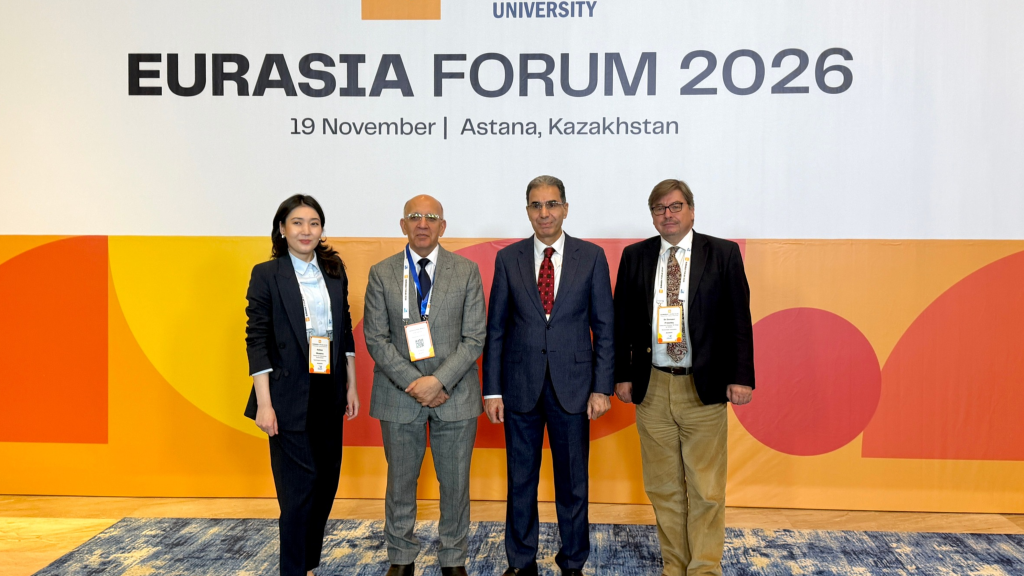



Nazarbayev University (NU) President Professor Waqar Ahmad took part in the QS Eurasia Forum 2026, held in Astana on November 19. During the panel session “The Road to the Top: How Universities Build Global Standing,” he shared NU’s experience in strengthening its international reputation, developing strategic partnerships and contributing to Kazakhstan’s higher education system.
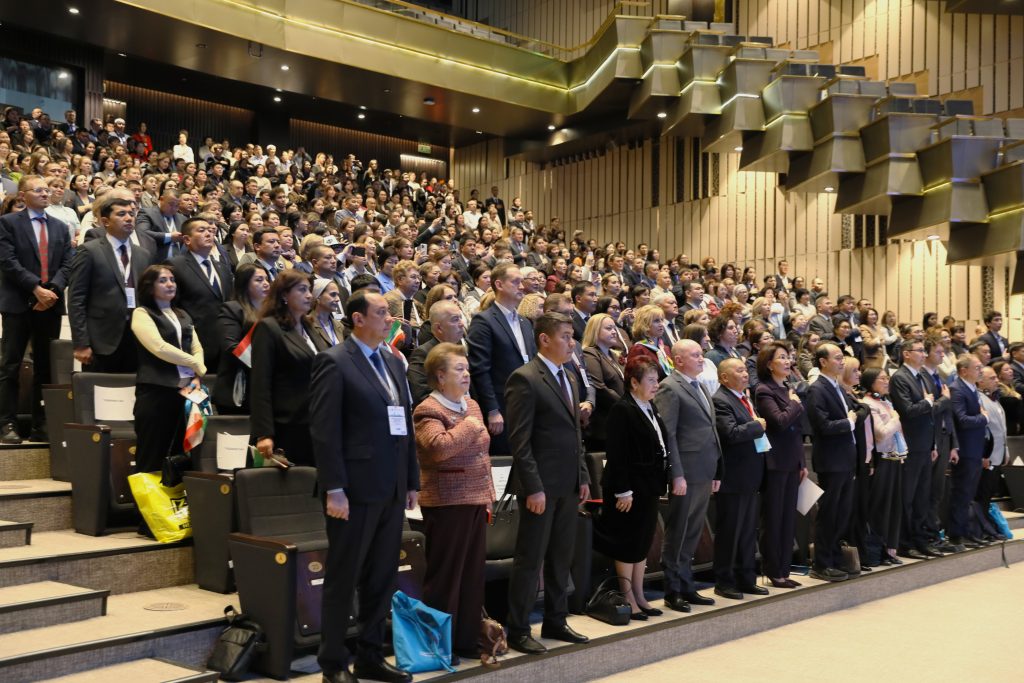
Held under the theme “Measuring What Matters,” the Forum brought together more than 500 participants from 35 countries, including university leaders, government representatives, employers and international higher education experts. Organised by QS Quacquarelli Symonds, the event explored how universities can use data to make informed decisions and adapt to changes in higher education. Discussions also covered global workforce trends, graduate employability, academic partnerships, institutional performance and the impact of artificial intelligence on teaching, learning and research.
Professor Ahmad emphasised that universities should assess their achievements in line with their own vision, mission and strategic priorities. For NU, this means combining international standards with a clear commitment to Kazakhstan’s development. He described this approach as “world-class made in Kazakhstan,” noting that universities should contribute to society and the economy, support the wider education system and work closely with industry.
Professor Ahmad also highlighted institutional autonomy and academic freedom as important foundations for NU’s development. These enable the University to respond to emerging priorities, introduce academic programmes and adapt its strategy. He further stressed the importance of attracting highly qualified international faculty, integrating teaching and research, and investing in the professional development of academic staff. In this context, he spoke about NU’s collaboration with Advance HE, through which University staff have received professional qualifications, including five Principal Fellowships.
Addressing international rankings, Professor Ahmad cautioned against treating them as the primary measure of a university’s success. While rankings can be useful tools for assessing institutional performance, they should not overshadow research and teaching quality, student outcomes or a university’s contribution to society.
As he put it, “For us, rankings are not a fetish. We have a rankings plan, but we don’t have a rankings strategy.”
Professor Ahmad also discussed the changing geography of NU’s international partnerships. While the University initially focused primarily on collaborations with institutions in North America and Europe, it is now expanding its engagement with leading universities and research organisations across Asia, including China and Singapore. He stressed that NU’s mission extends beyond its own development: the University seeks to strengthen Kazakhstan’s wider higher education and research system by sharing expertise, supporting regional universities and creating opportunities for their researchers and students.
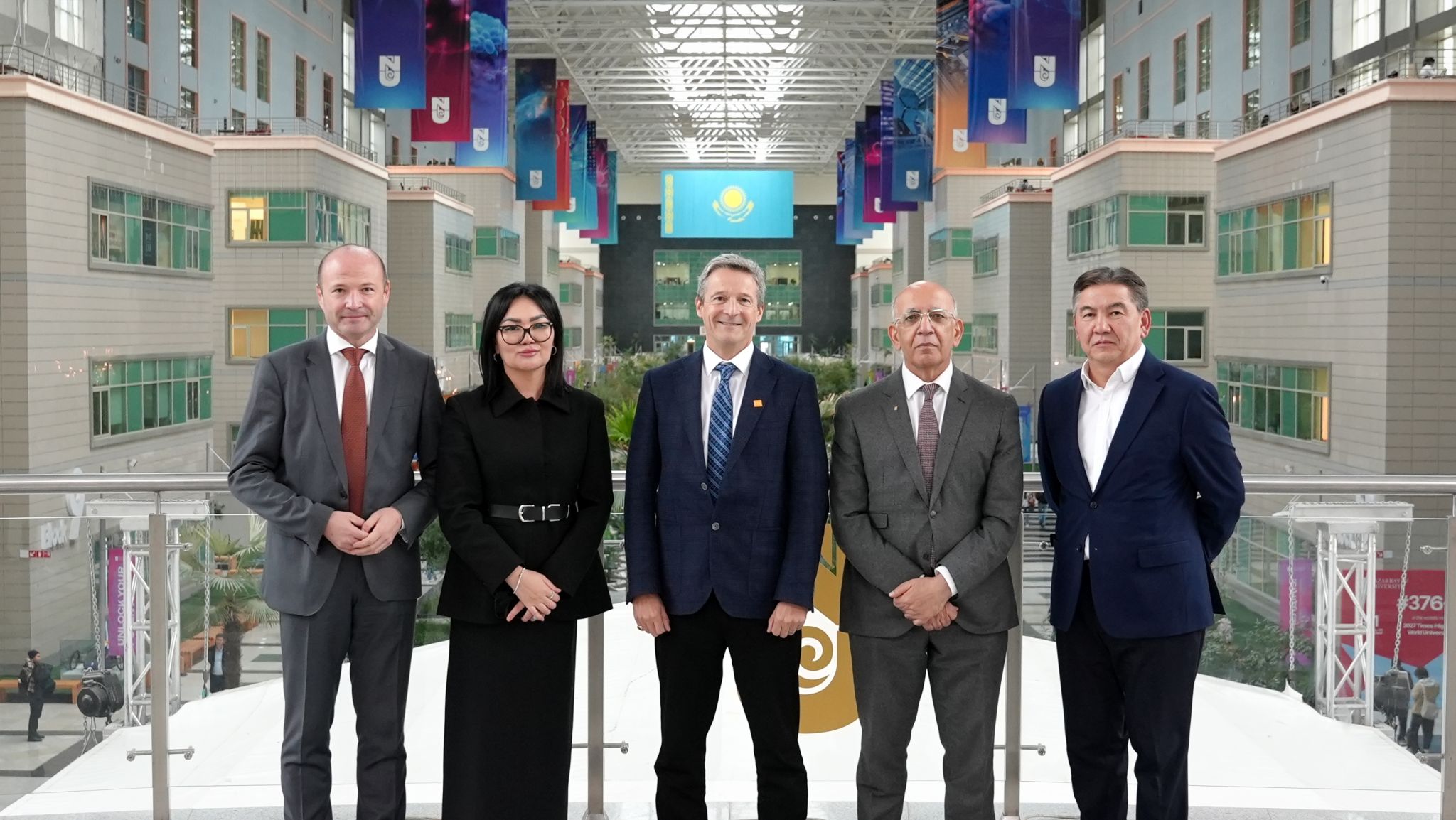
Ahead of the QS Eurasia Forum, NU welcomed Nunzio Quacquarelli, Founder and President of QS. During his visit, he learned about the University’s academic programmes, research infrastructure and strategic priorities. The two sides also exchanged views on international higher education trends and approaches to assessing university performance.