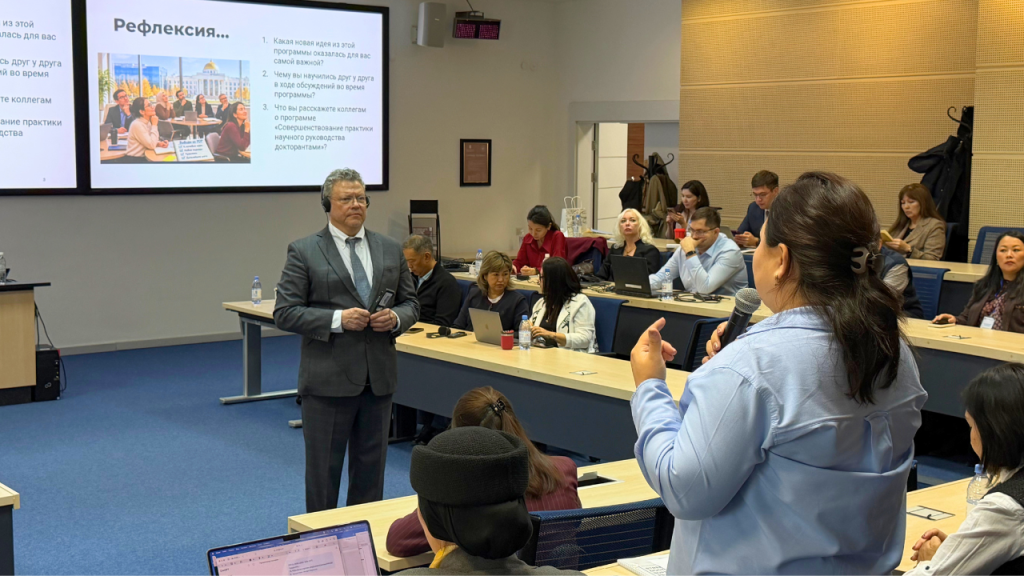
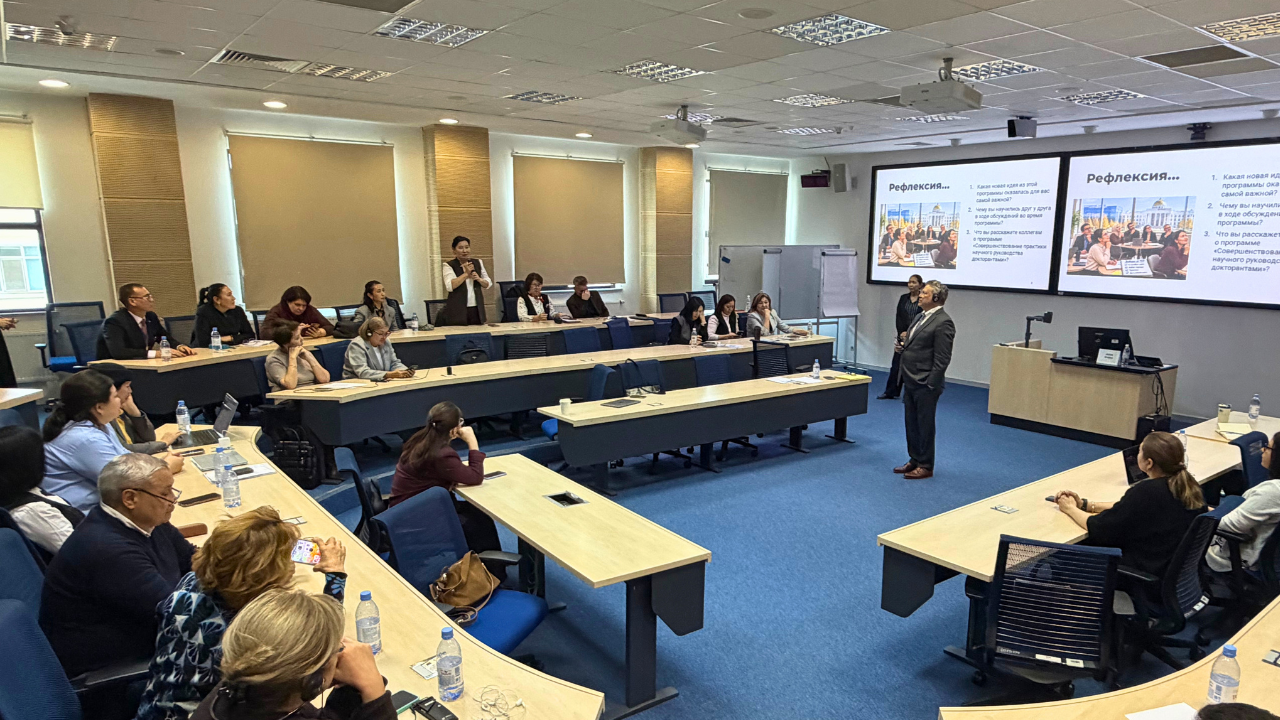
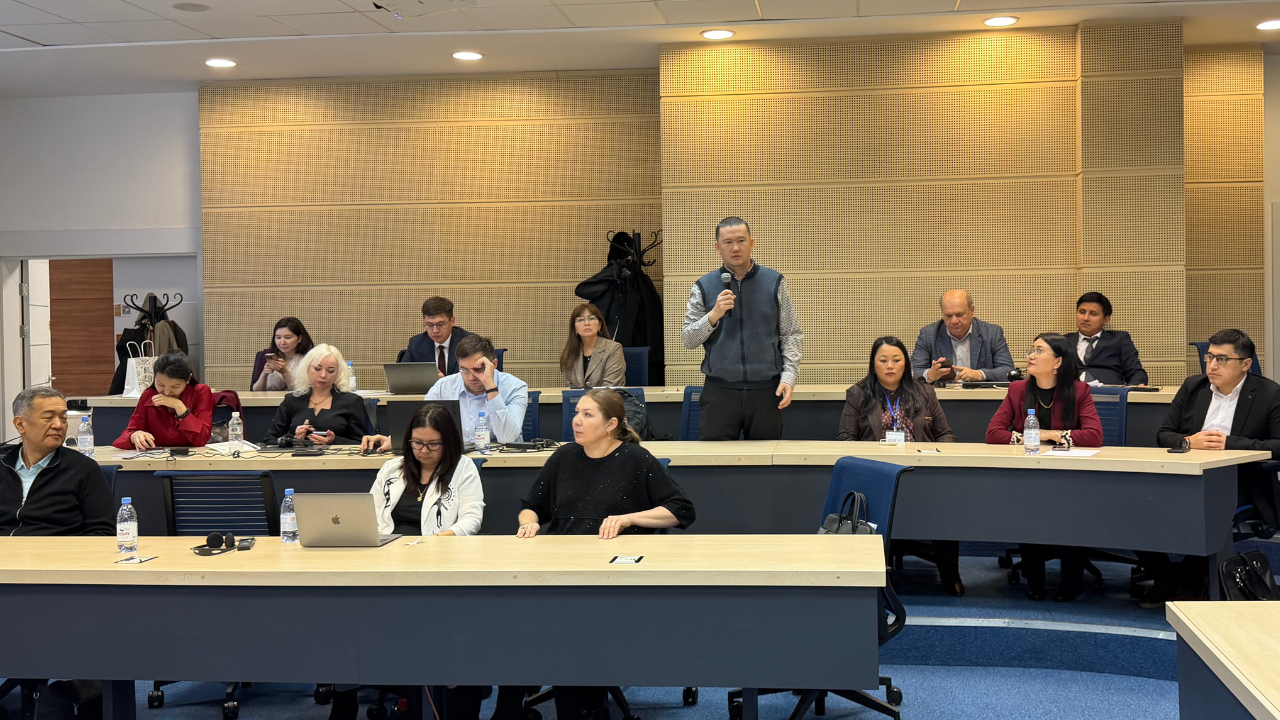
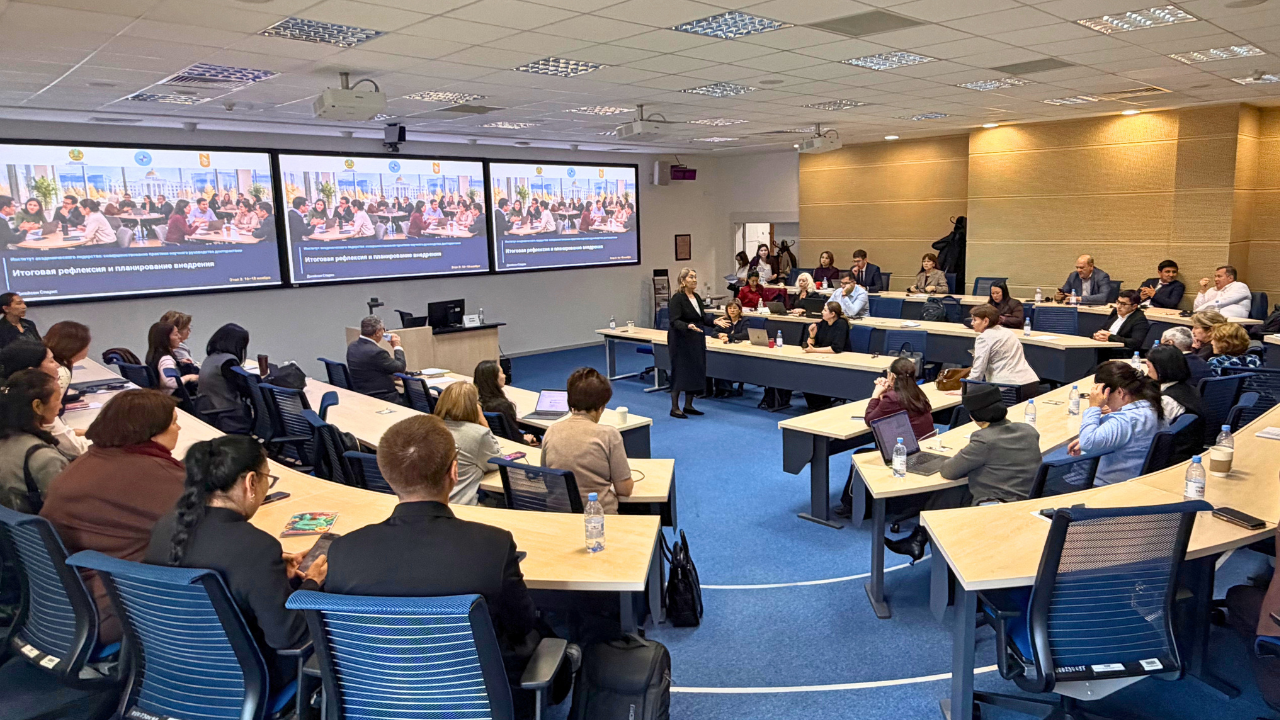
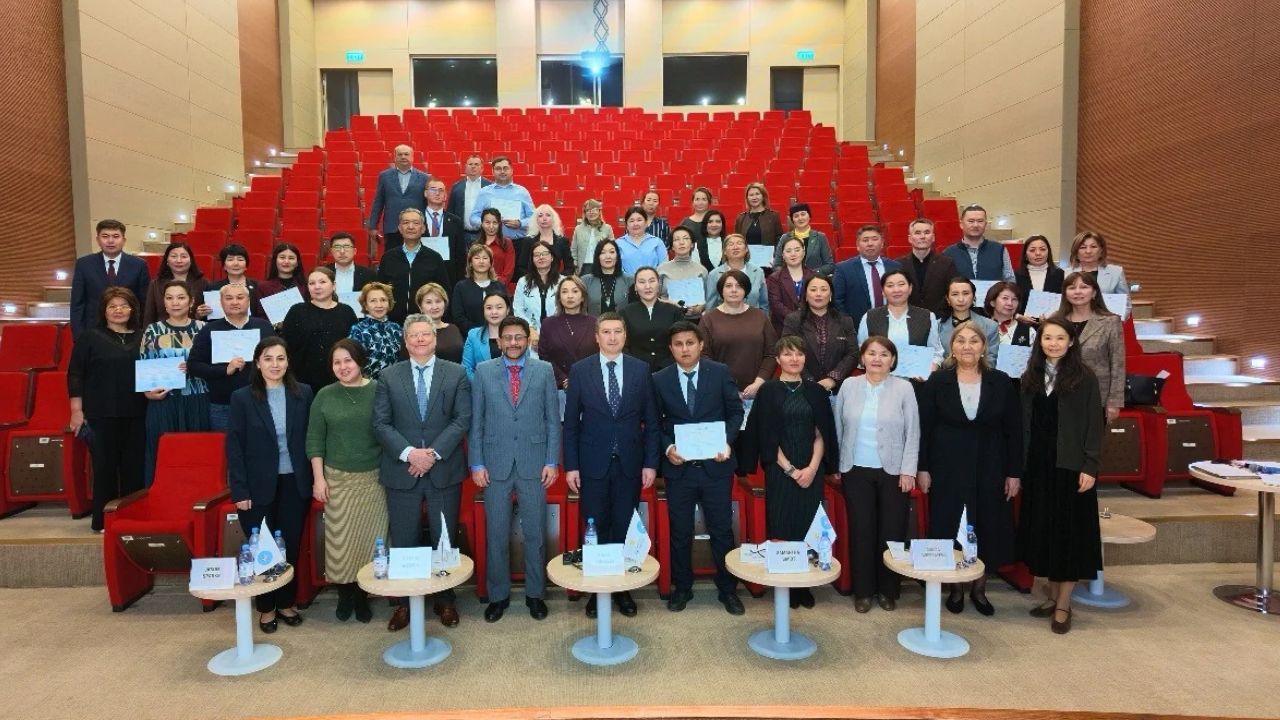
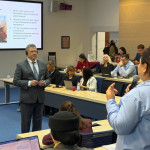
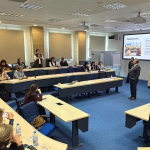
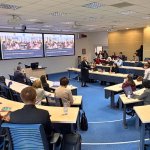
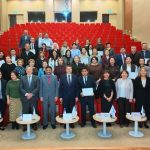
Nazarbayev University (NU) has completed Kazakhstan’s first professional development program focused on improving doctoral supervision. The program brought together 52 representatives from 23 Kazakhstani universities to explore contemporary approaches to research supervision and develop action plans for improving doctoral support at their institutions.
The Academic Leadership Institute program, titled “Strengthening Doctoral Supervision Practice,” was developed by NU’s Graduate School of Education (NUGSE) at the initiative of the Committee for Quality Assurance in Science and Higher Education under the Kazakhstan’s Ministry of Science and Higher Education.
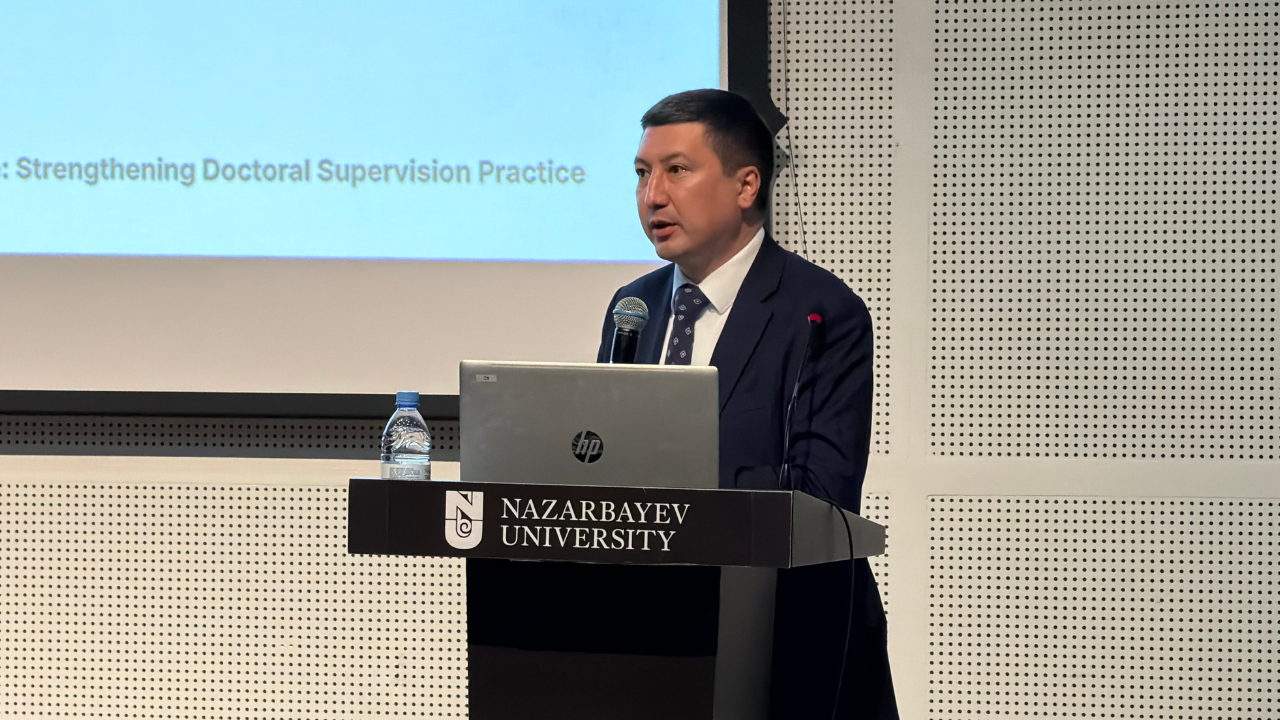
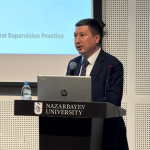
“The program’s main goal is to foster a modern culture of doctoral supervision and strengthen institutional support for doctoral students at every stage of their research training,” said Adlet Toibaev, chair of the Committee, at the closing ceremony.
Participants included university leaders, deans, professors, faculty members, doctoral program directors, research supervisors and representatives of the Ministry.
The NUGSE team developed the program after reviewing existing doctoral supervision practices. They conducted focus groups with faculty members and university leaders across Kazakhstan and examined the principles of the Bologna Process, taking into account the specific context of doctoral supervision in the country.
“We designed a practical program that combines theoretical learning with hands-on assignments. The theoretical component helped participants understand how doctoral supervision relates to the priorities of the Bologna Process and the current challenges facing doctoral education. We also structured the training around a project-based approach, dividing it into three stages,” said Jason Sparks, associate professor at NUGSE.
Launched in October 2026, the program comprised 80 academic hours, seven modules and three interconnected stages. It combined in-person sessions, independent study, institutional research and the development of practical solutions.
During the first stage, participants explored contemporary approaches to doctoral education, the roles and responsibilities of research supervisors, and methods for supporting doctoral students throughout their research. They then returned to their universities to assess existing supervision practices. In the final stage, participants presented their findings, exchanged experiences and developed action plans to improve doctoral supervision at their institutions.
The program also provided a platform for professional dialogue among universities. Yerbol Sarmurzin, vice rector for strategic development at E. A. Buketov Karaganda National Research University, said such training opportunities help universities share experience, discuss common challenges and build stronger professional connections.
“The program allowed us to learn not only from NU’s experience but also from the practices of other leading universities in Kazakhstan. Representatives of Narxoz University and Narikbayev University were also invited as speakers. This gave us a broader understanding of how doctoral education is organized across different institutions,” Sarmurzin said.
The program marks another step toward strengthening collaboration among Kazakhstani universities and improving the quality of doctoral education nationwide. The next stage is scheduled for spring 2027.