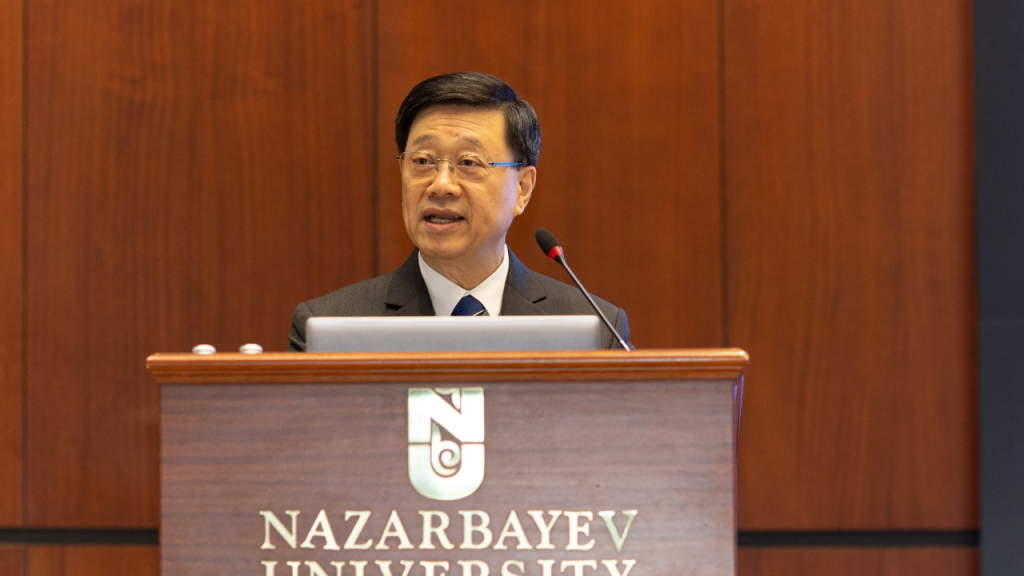
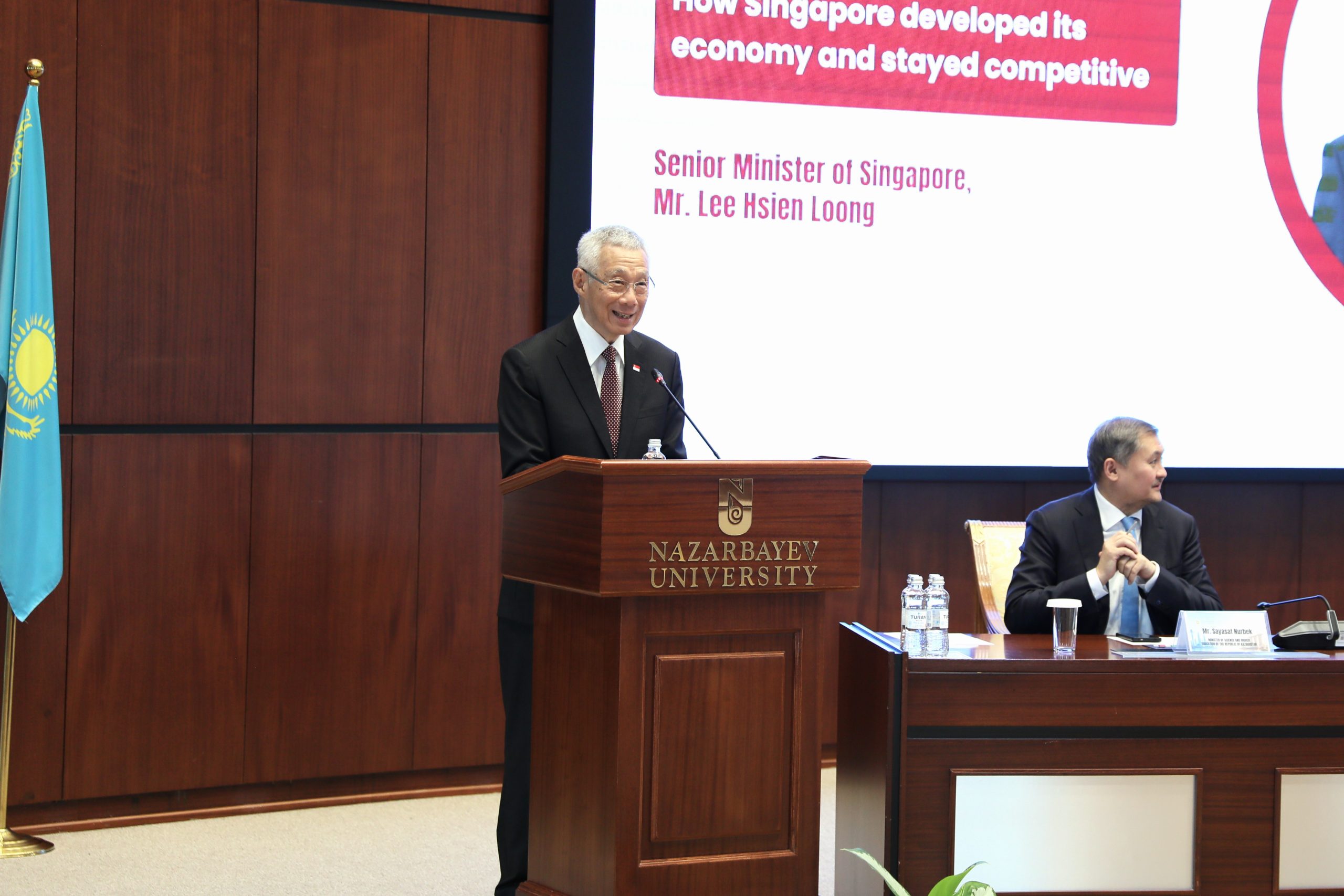
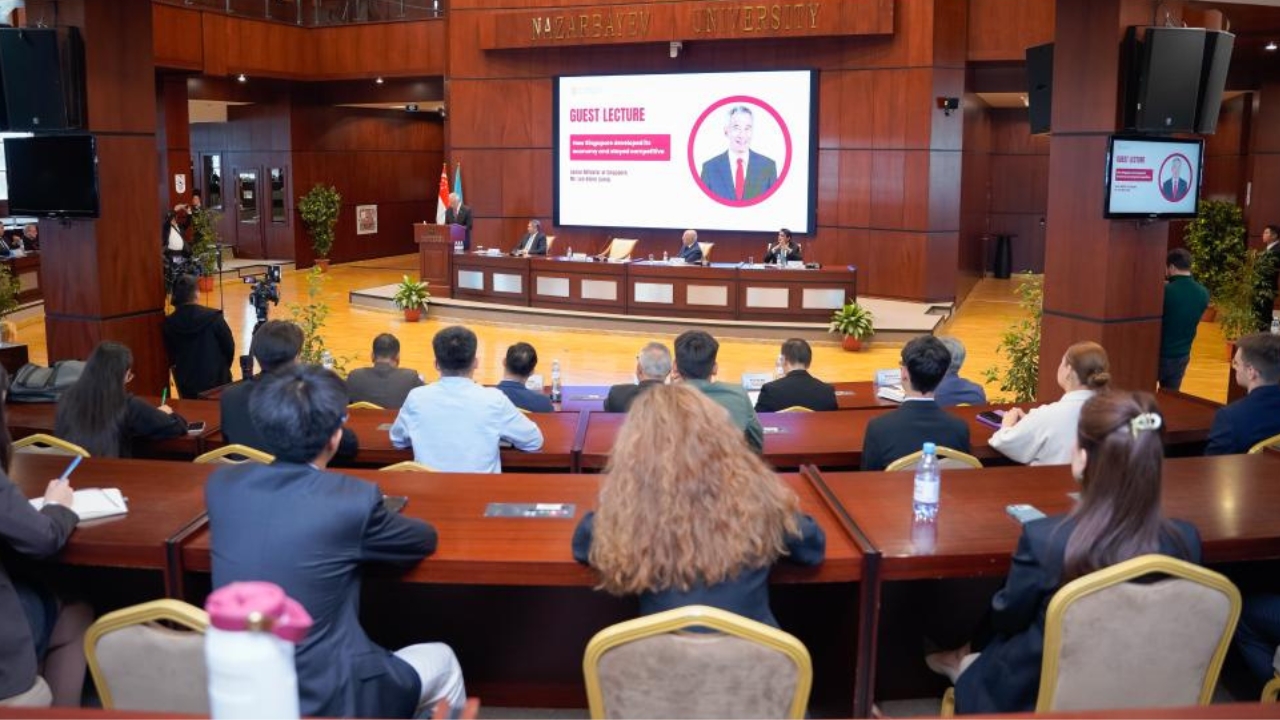
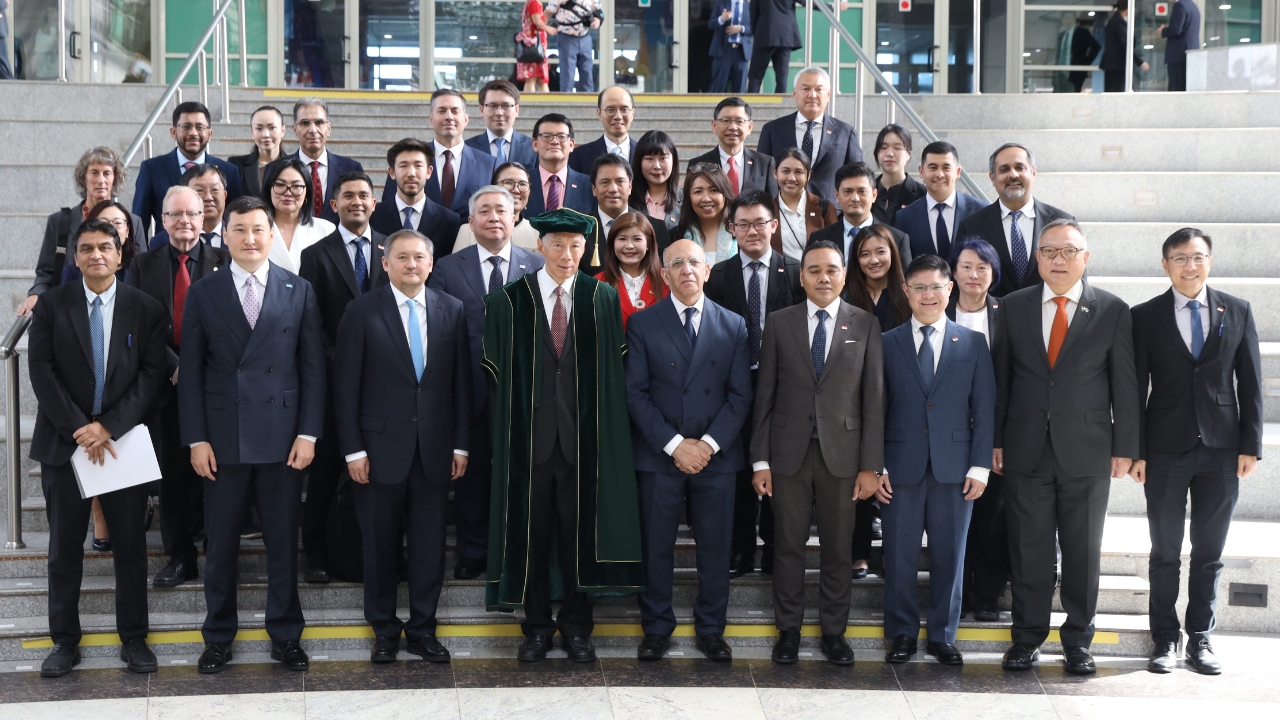
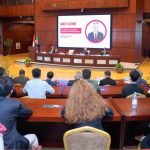
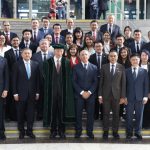
On 27 August, Senior Minister of Singapore Lee Hsien Loong visited Nazarbayev University as part of his first official visit to Kazakhstan. Speaking to students and faculty, he discussed Singapore’s economic development and the prospects for partnership with Kazakhstan.
He began his lecture with Singapore’s history from the 1950s. After the Second World War, the country faced high youth unemployment and rapid population growth — the response was industrialisation and the development of labour-intensive manufacturing. When a labour shortage emerged several years later, the course changed: rising wages pushed companies toward more technologically advanced production, while foreign specialists supplemented the local labour market. After weathering several crises, the country invested in both fundamental and applied research as well as in infrastructure.
“We invested in enabling infrastructure. Physical infrastructure – new airport terminals, a new integrated and automated container port, high-quality public transport and public housing. Digital infrastructure like Information Technology (IT), a nationwide fibre network for broadband internet, mobile networks, and digitalised Government services. These moves carried our economy from the early 2000s to the present,” the Senior Minister said.
Singapore’s relations with Kazakhstan span more than 30 years. Despite their different geographic positions and resources, the two countries share a similar approach: close ties with their neighbours alongside the active building of partnerships around the world. This connection dates back to before the collapse of the USSR: at that time Kazakhstan was visited by his father, then Senior Minister Lee Kuan Yew, who addressed the Supreme Soviet with ideas on the transition to a market economy.
Since then, Singapore’s experience has become one of the reference points for Kazakhstan — from the development of state institutions to investment in human capital and the creation of research universities.
“We are now embarking on this next chapter of our development, still inspired by Singaporeans’ story, because Singapore is also a great story of planned succession, of very well-formed sustainability, of investment in human capital,” Kazakhstan’s Minister of Science and Higher Education Sayasat Nurbek noted.
This influence is also visible at the institutional level. Lee Hsien Loong chairs Singapore’s Research, Innovation and Enterprise Council and its sovereign wealth fund — institutions that, together with the Agency for Science, Technology and Research (ASTAR), form the backbone of Singapore’s knowledge-based economy. NU maintains close ties with ASTAR as well: the Dean of the School of Medicine and Vice President for Medicine at NU, Professor Huck Hui Ng, previously served on A*STAR’s leadership and held the position of Vice President of the Singapore Academy of Sciences.
NU President Professor Waqar Ahmad highlighted Mr Lee Hsien Loong’s contribution and the central role of Singapore’s universities and A*STAR in the country’s national transformation, and emphasised NU’s commitment to learning from this example.
“Nazarbayev University maintains a strong and enduring strategic partnership with leading institutions in Singapore, most notably the National University of Singapore (NUS) and its Lee Kuan Yew School of Public Policy. As for NU’s relationship with Singapore, to date, hundreds of our students have studied at NUS as part of our partnership with the National University of Singapore. Many of them now serve within the Government of Kazakhstan, providing leadership in key sectors,” Professor Waqar said.
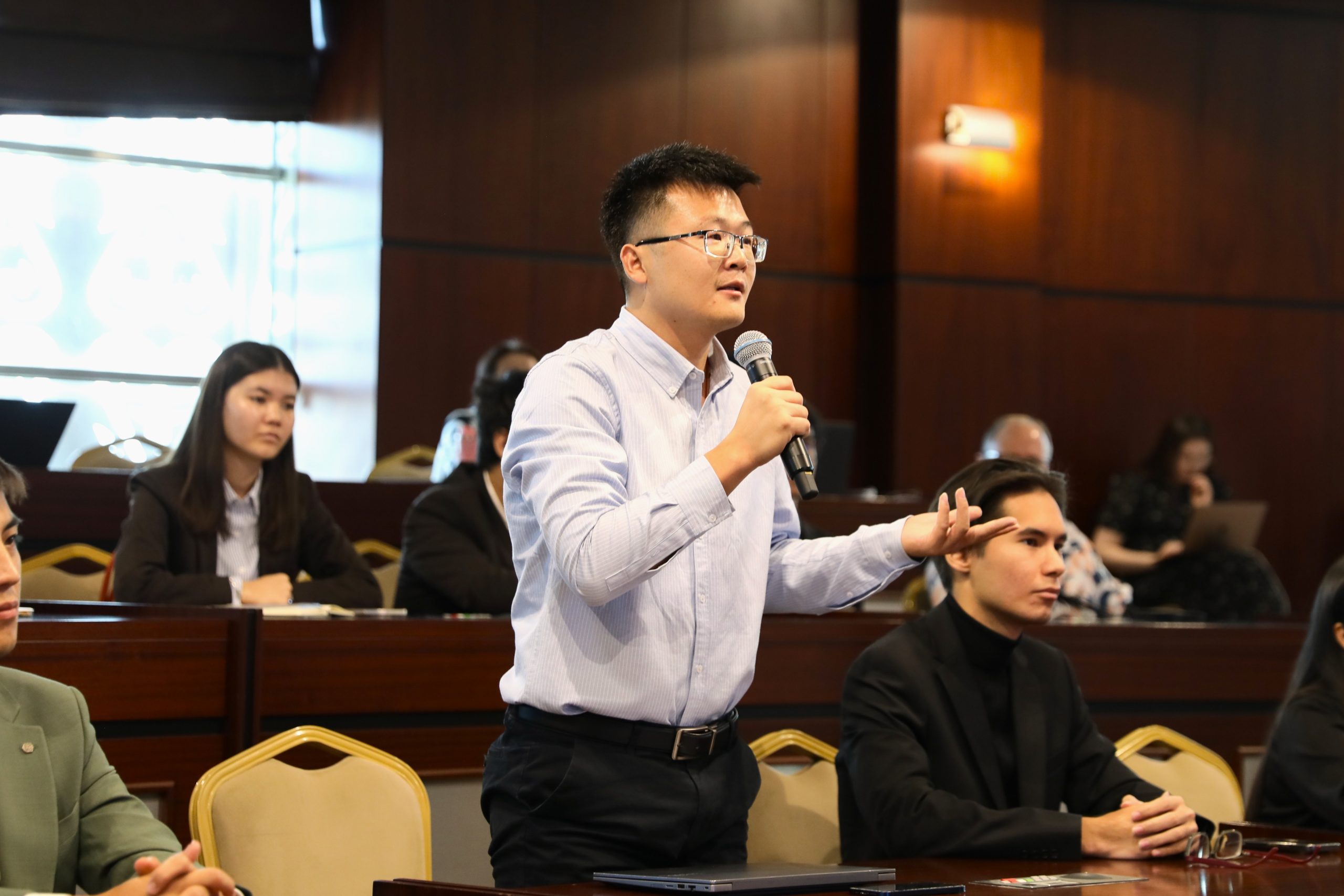
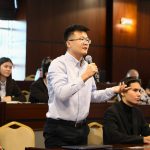
Mr Lee Hsien Loong took questions from students, stressing the importance of talent development, public trust in government, and the state’s ability to adapt to change.
“Singapore has not progressed in a straight line… Kazakhstan and Singapore face quite different circumstances. Singapore’s policy choices reflect our unique context. Kazakhstan may well have to make different choices. But what is more broadly applicable is the need to build systems capable of continuously adapting and readapting,” he pointed out.
He also added that Singapore today faces new challenges requiring active government policy — for example, helping companies adopt AI and preparing workers for change, including support for those who have lost their jobs or are changing professions.
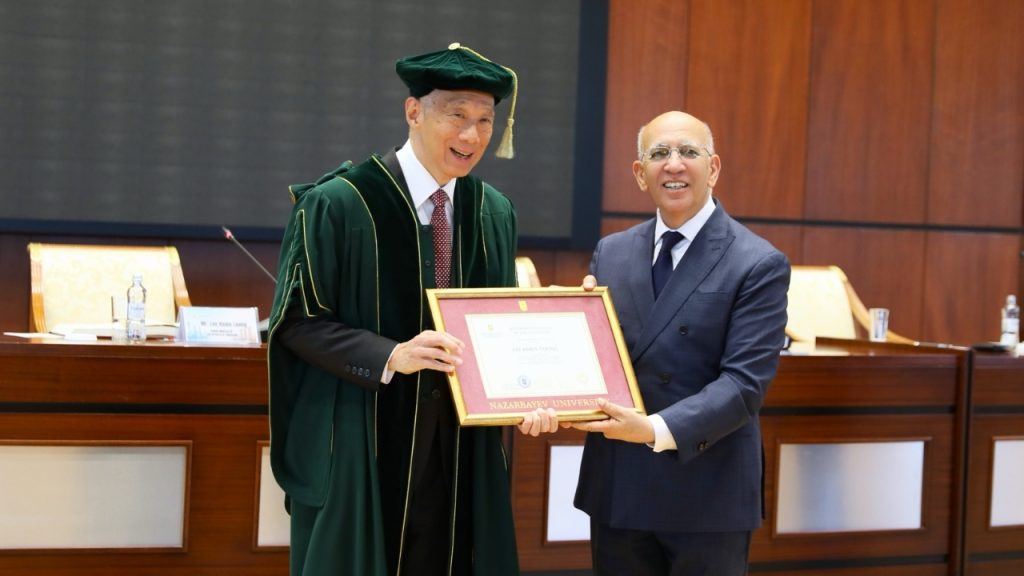
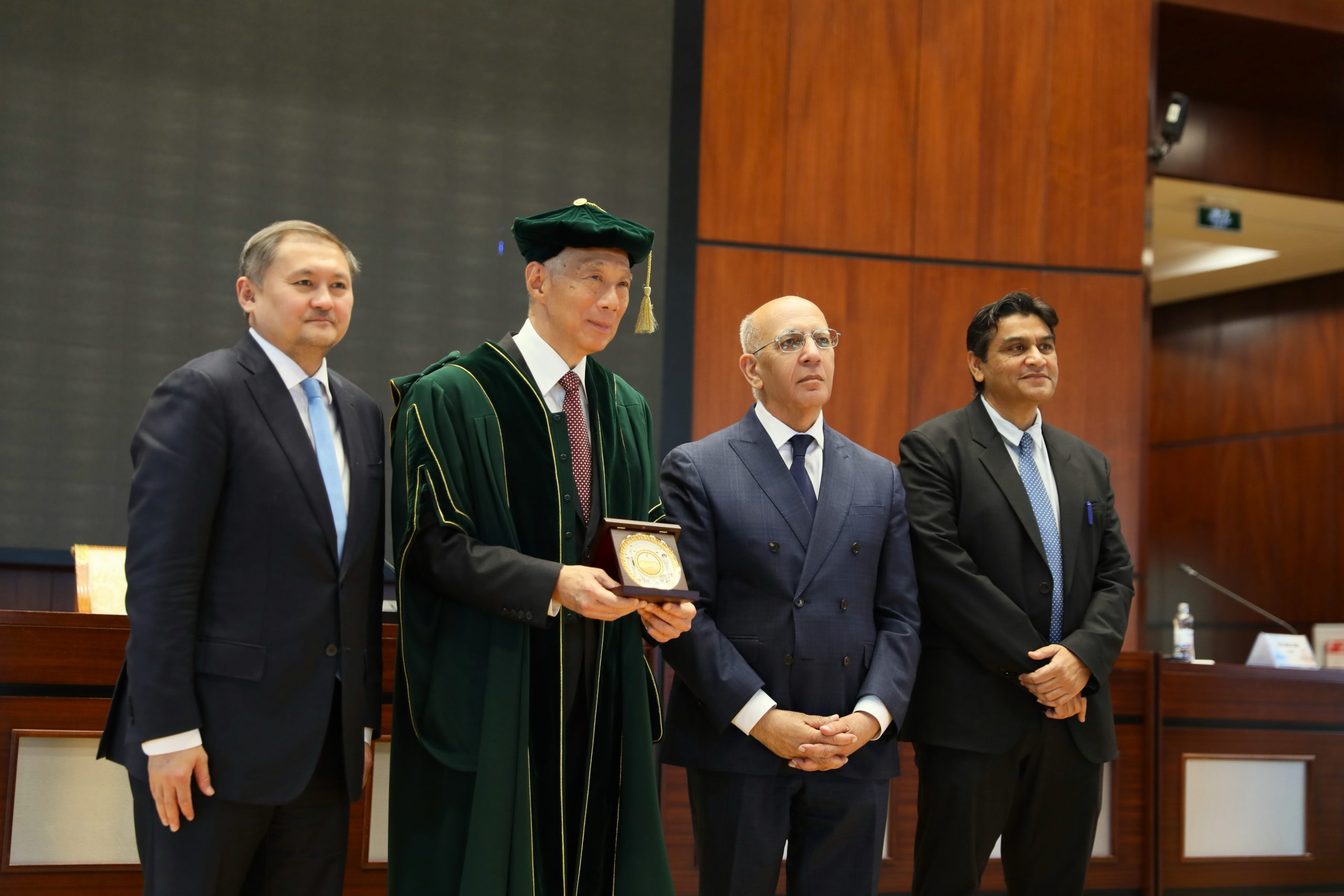
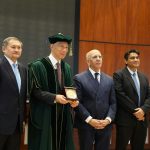
At the conclusion of his visit, Nazarbayev University conferred on Mr Lee Hsien Loong the title of Honorary Professor in recognition of his contributions. He is only the eighth person to receive this title in the university’s 16-year history. Previous recipients include Chinese President Xi Jinping and former Japanese Prime Minister Shinzo Abe.