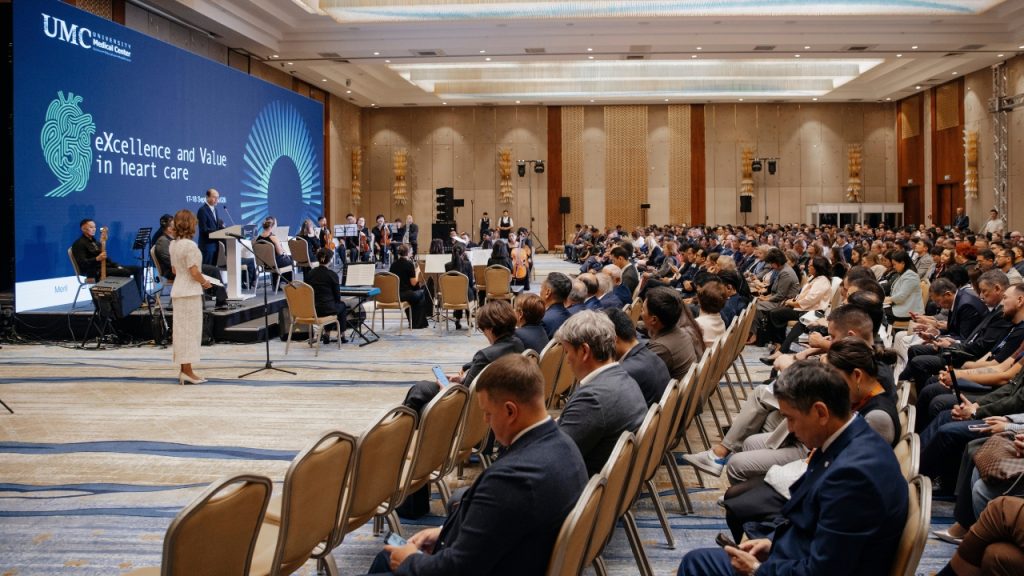
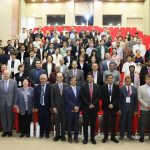
The Second International Conference on Artificial Intelligence and Robotics — AIR 2026 — brought together leading researchers, innovators, and industry experts from across the globe in Astana to discuss the future of AI, robotics, and medical technologies. At the heart of the event, the Center for Excellence in Medical Robotics and Rehabilitation Research (CEMRR) at Nazarbayev University showcased their homegrown developments spanning rehabilitation robotics, surgical systems, and AI-driven healthcare technologies.
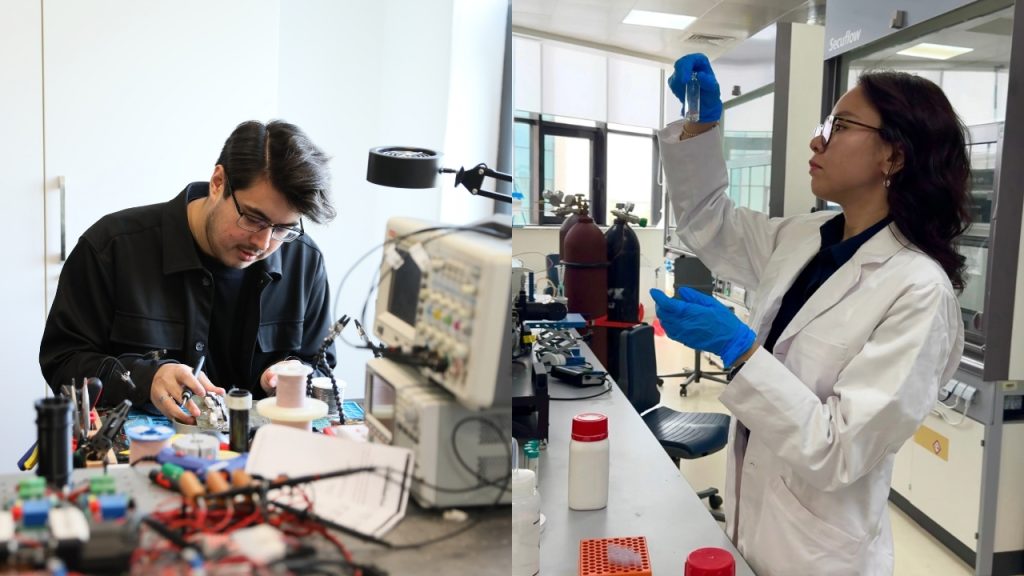
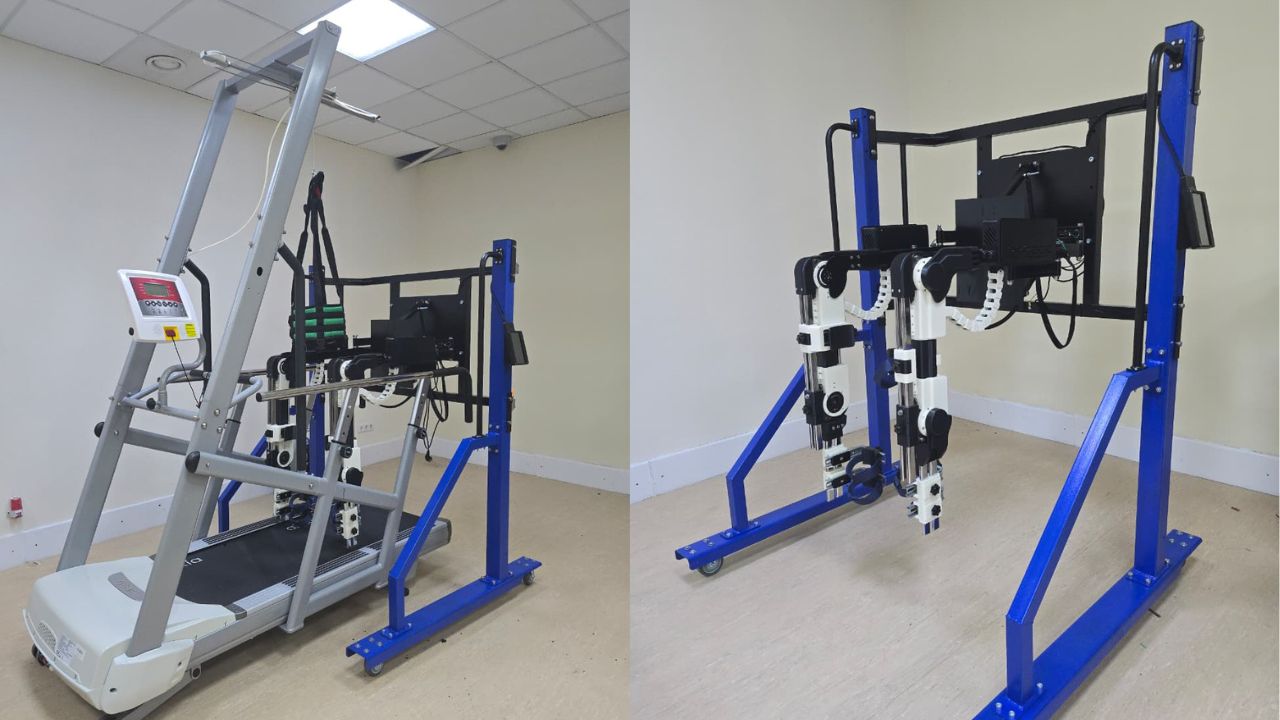
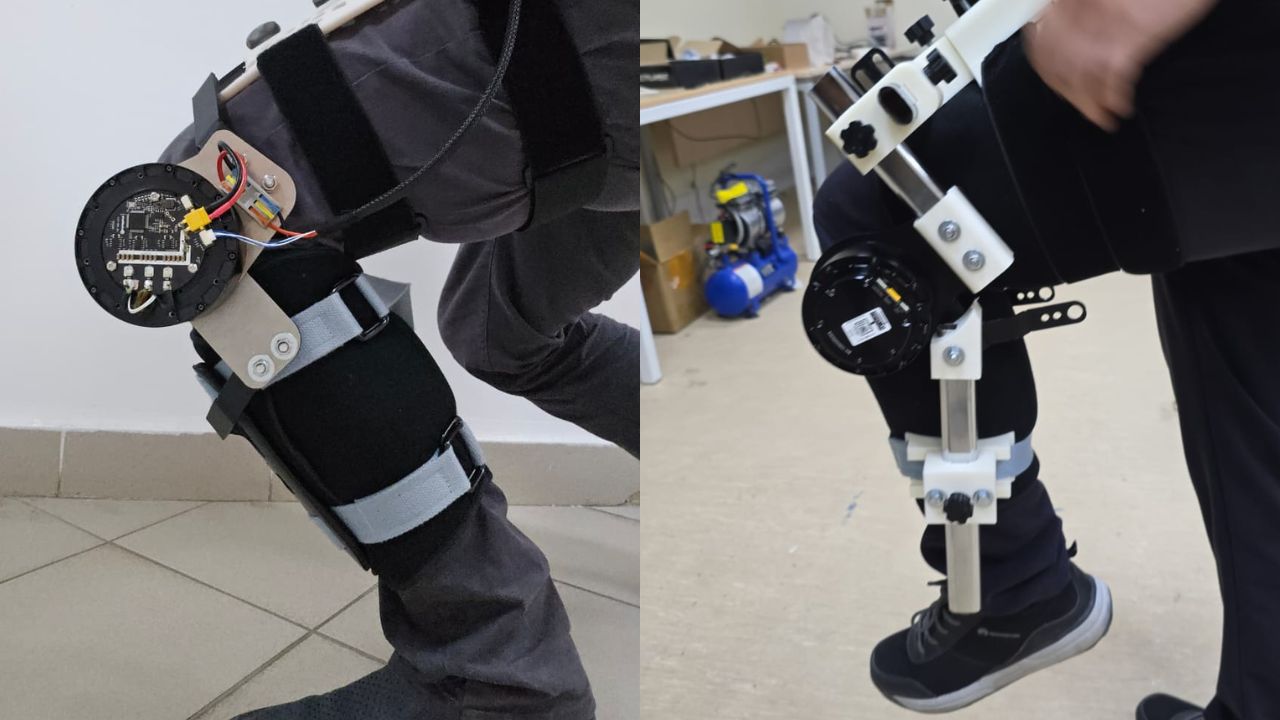
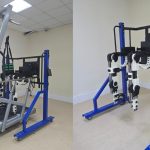
CEMRR researchers are developing next-generation robotic rehabilitation systems designed to restore upper- and lower-limb function in patients with musculoskeletal disorders. Among the highlights was an adaptive body-support device that enables children with disabilities stand independently and distribute body weight evenly through intelligent robotic foot platforms. The system is currently advancing through experimental trials.
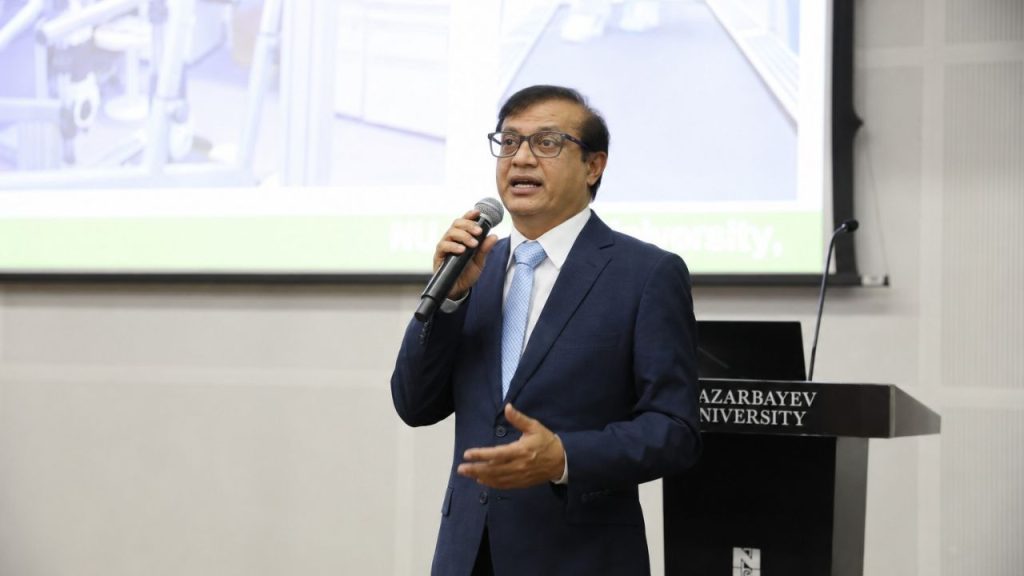
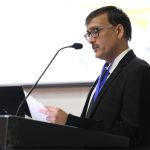
“We work across two major areas: robotics and artificial intelligence,” said Prashant Jamwal, Professor at NU and Director of CEMRR. “By combining these technologies, we are developing transformative solutions for treatment and rehabilitation, including for patients with disabilities, cancer, orthopedic, and cardiovascular diseases. Our center is focused not only on research and innovation, but on translating these technologies into real clinical impact and commercialization.”
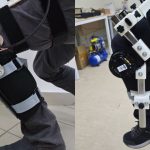
The center has also developed a robotic system that enhances gait stability and balance through precision-controlled force interaction during walking. In surgical domain, the team is advancing a robotic platform for high-precision femoral fracture reduction, one of the most technically demanding orthopedic procedures, with an ambition toward fully autonomous, minimally invasive operations.
Addressing the needs of children with cognitive and communication disabilities, CEMRR has deployed a humanoid robot capable of interacting with patients in both Kazakh and Russian. An indigenous mobile application has also been developed for this purpose to replace the use of an expensive humanoid robot. To date, more than 100 children have benefited from these programs.
The center’s AI research is equally ambitious. The teams are building 3D anatomical models based on MRI and CT scans for preoperative surgical planning thorough 3D imaging and printing. Center also creating a deep learning and computer vision systems for medical image analysis, oncology imaging, pathology diagnostics, and clinical decision support, directly addressing some of the most pressing challenges in modern healthcare.
Beyond clinical rehabilitation, CEMRR is integrating NU’s sports infrastructure into post-stroke recovery programs for children and adults, supported by trainers and psychologists. A parallel initiative is under development to enhance youth athletic performance through AI-powered biomechanical assessment and personalized training recommendations.
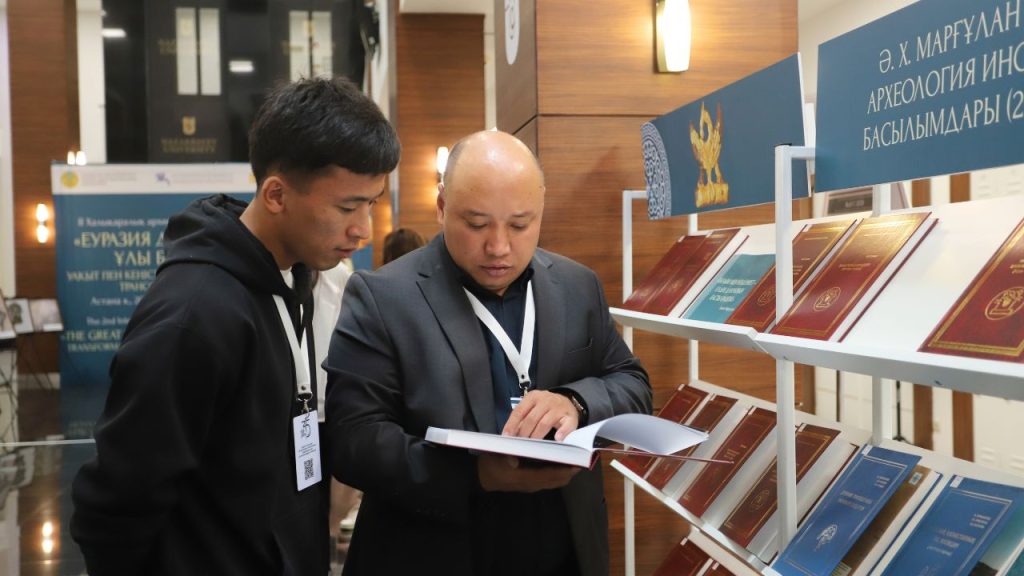
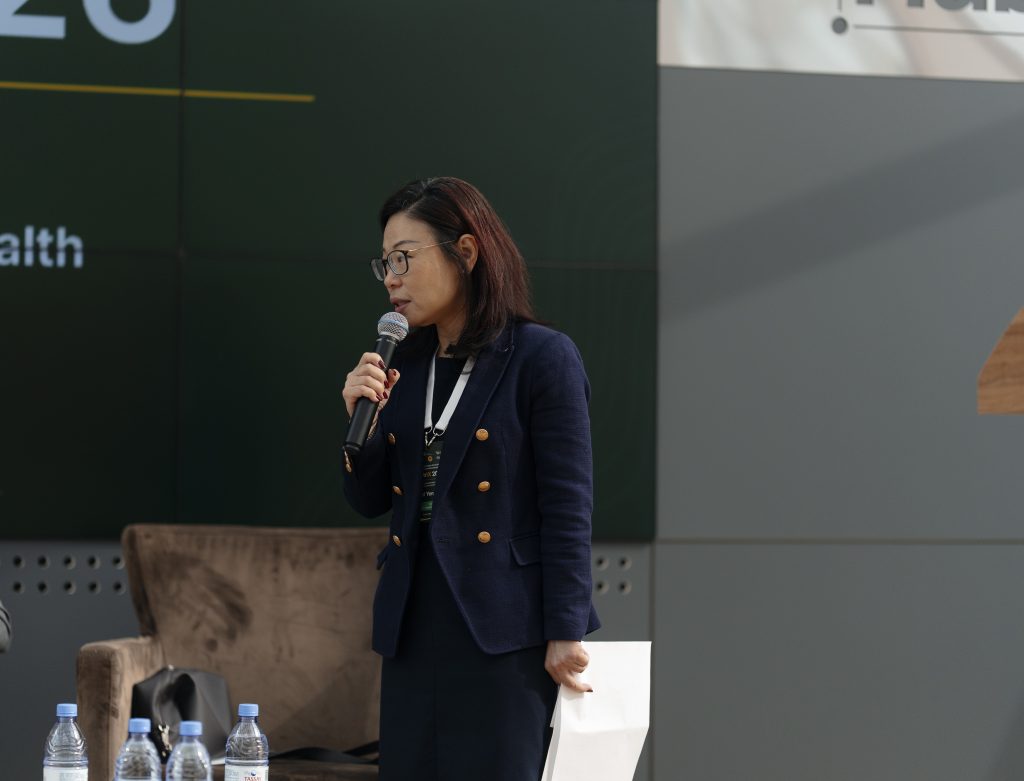
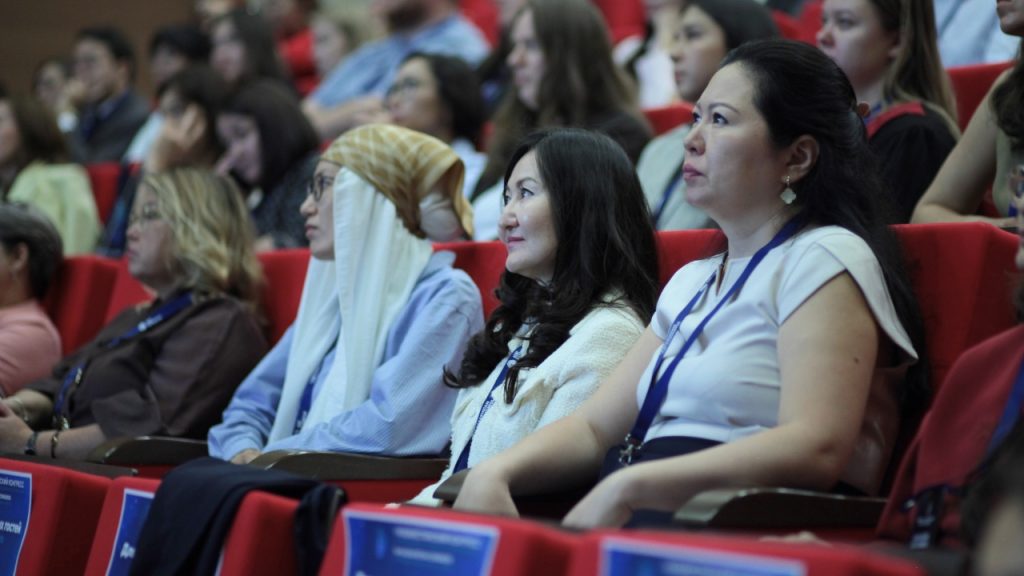
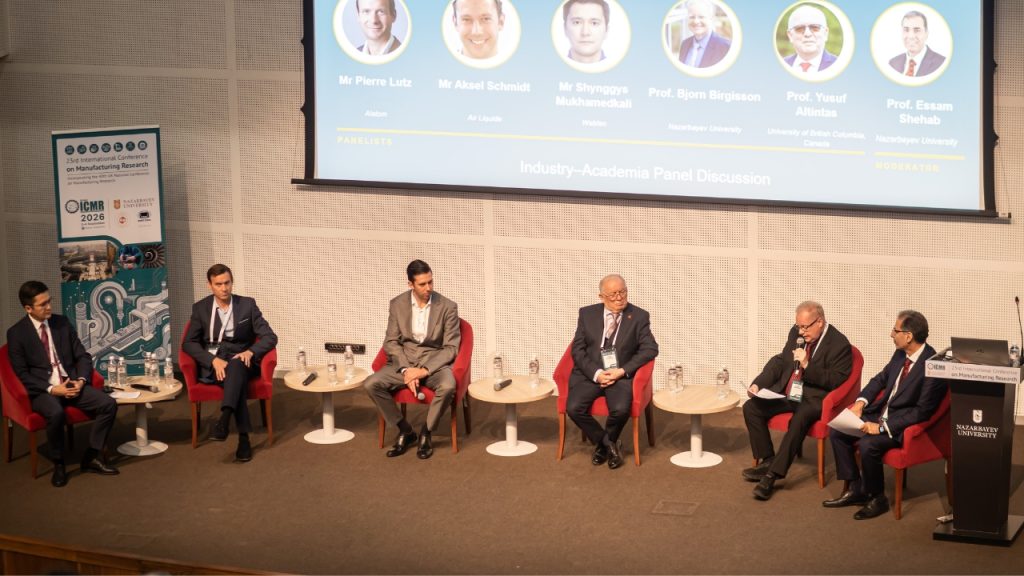
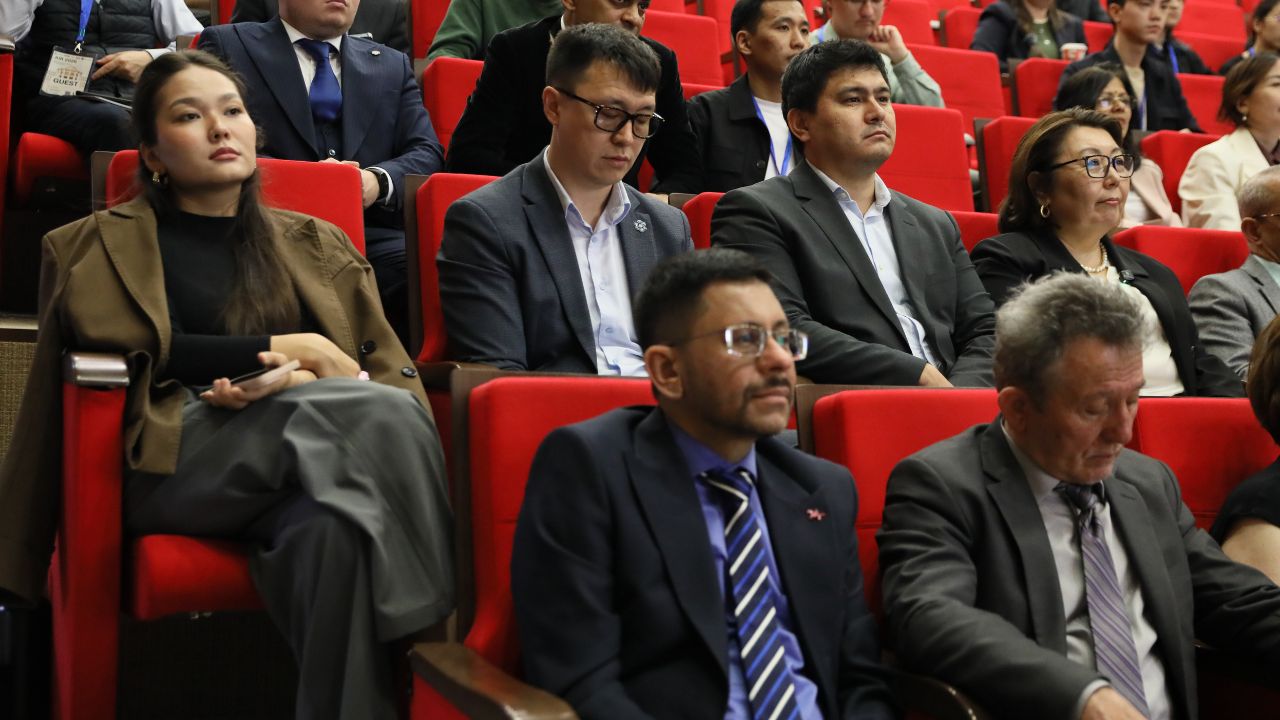
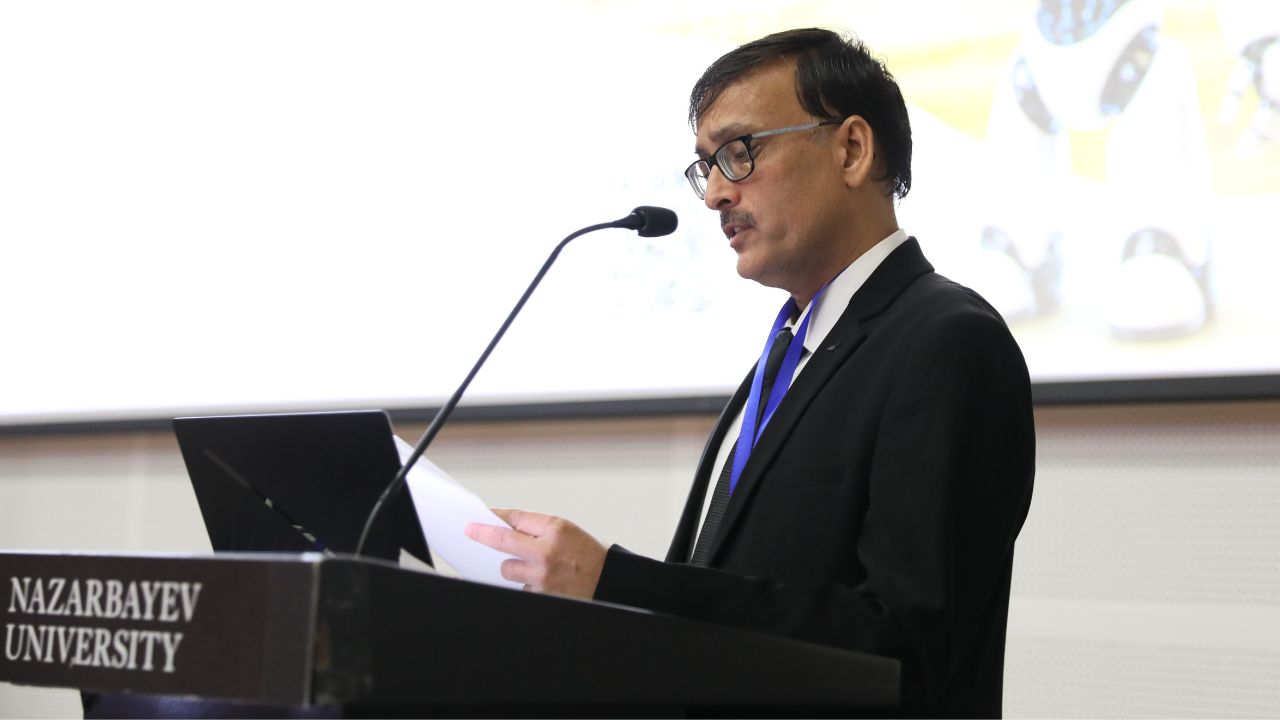
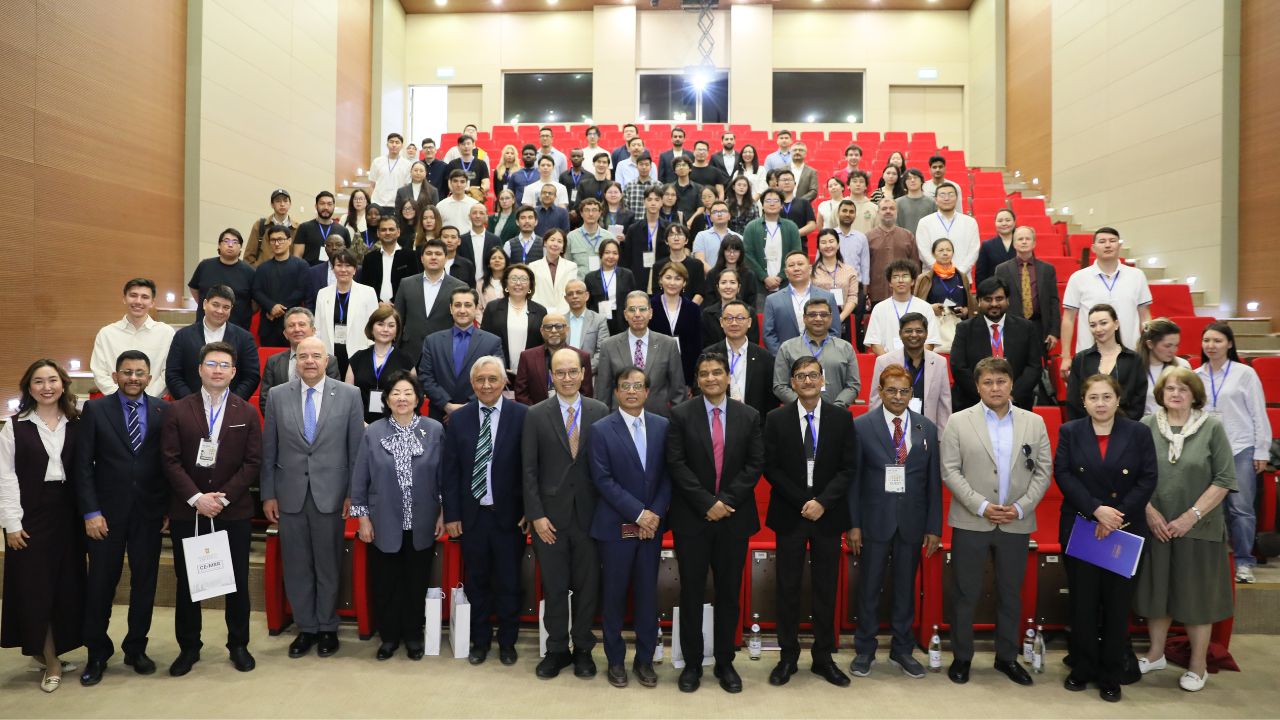
Over two days, AIR 2026 brought together professors, researchers, students, startup founders, and industry leaders from multiple countries to advance the frontiers of computer vision, machine learning, intelligent healthcare systems, and human-centered engineering. The conference drew internationally recognized keynote speakers including Paulette van Vliet and Shahid Hussain (Australia), Axel Schneider (Germany), and Peiwu Qin (China).
The scale of scholarly interest underscored the conference’s growing global stature: approximately 1,200 scientific submissions were received from 18 countries, with only 99 papers selected for presentation, a rigorous acceptance rate reflecting the conference’s high scientific standards. AIR 2026 affirmed Nazarbayev University’s position as a regional hub for cutting-edge research at the intersection of artificial intelligence, robotics, and medicine.