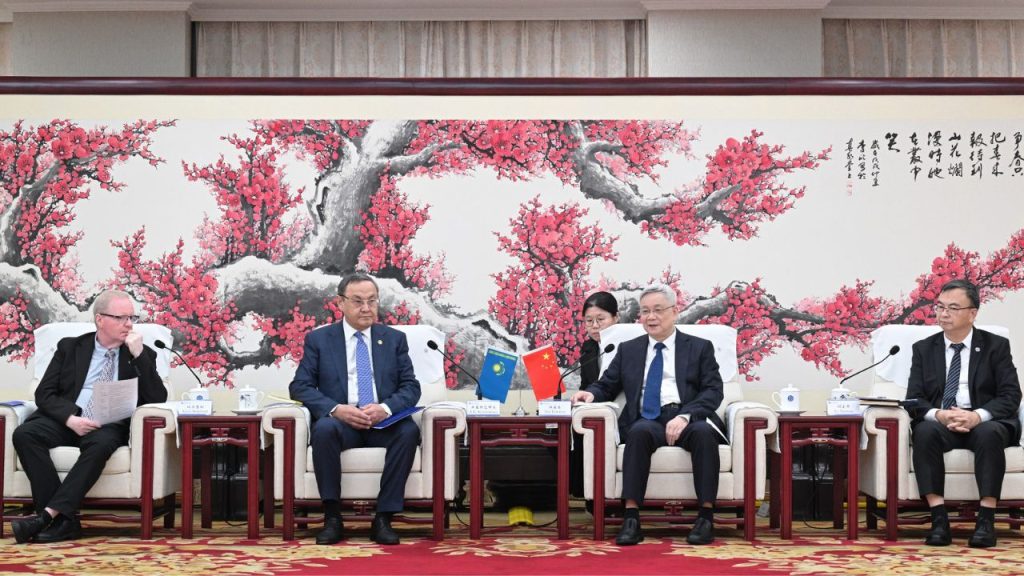
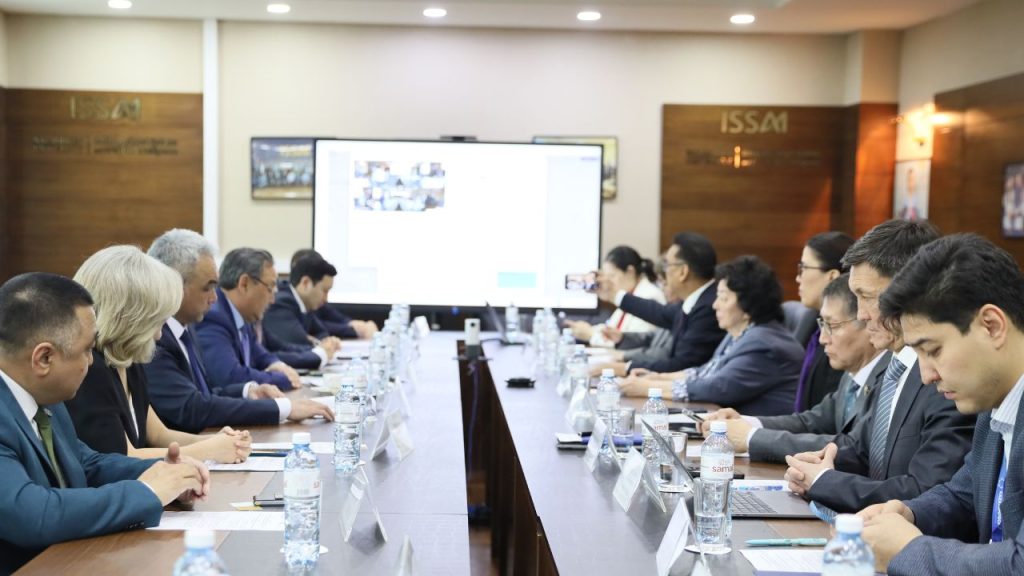
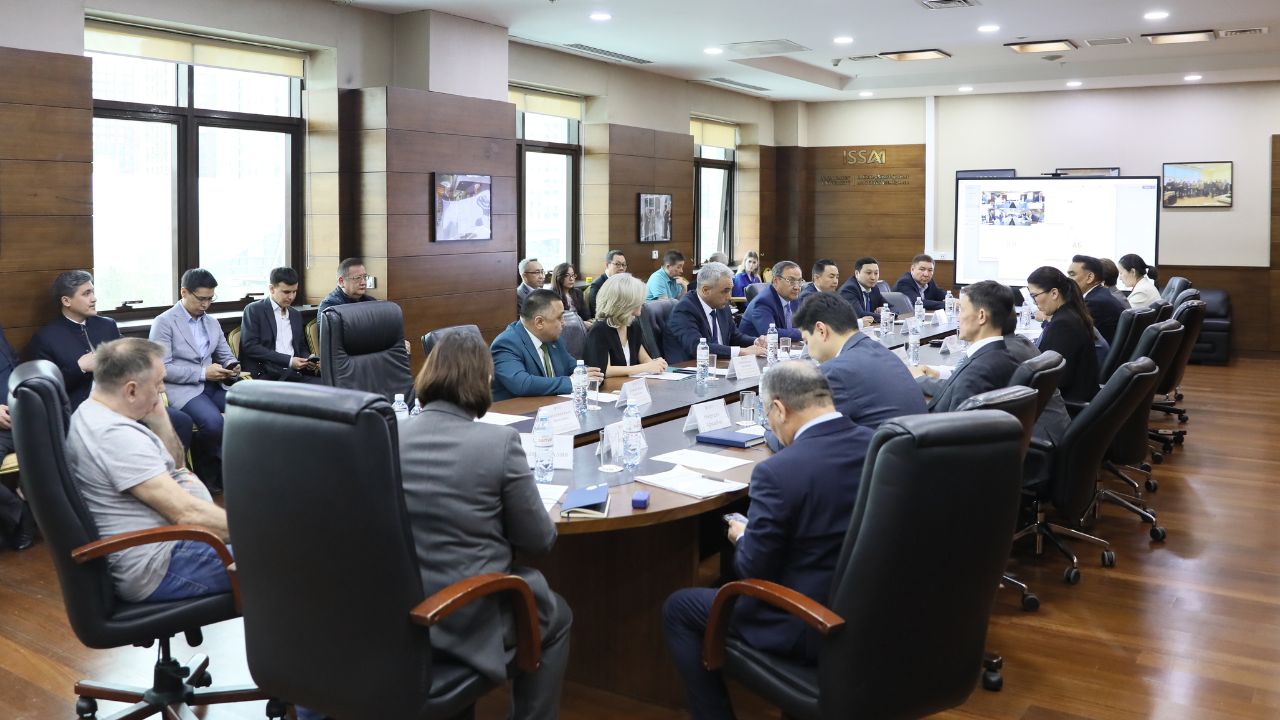
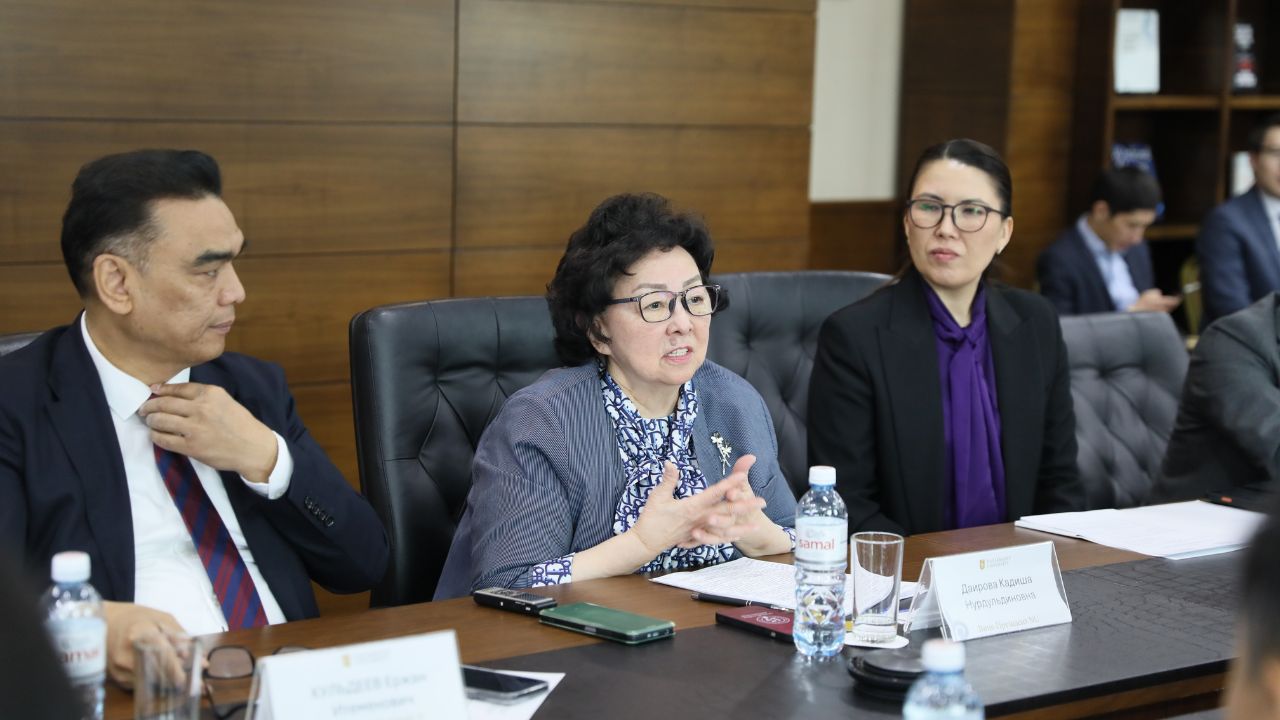
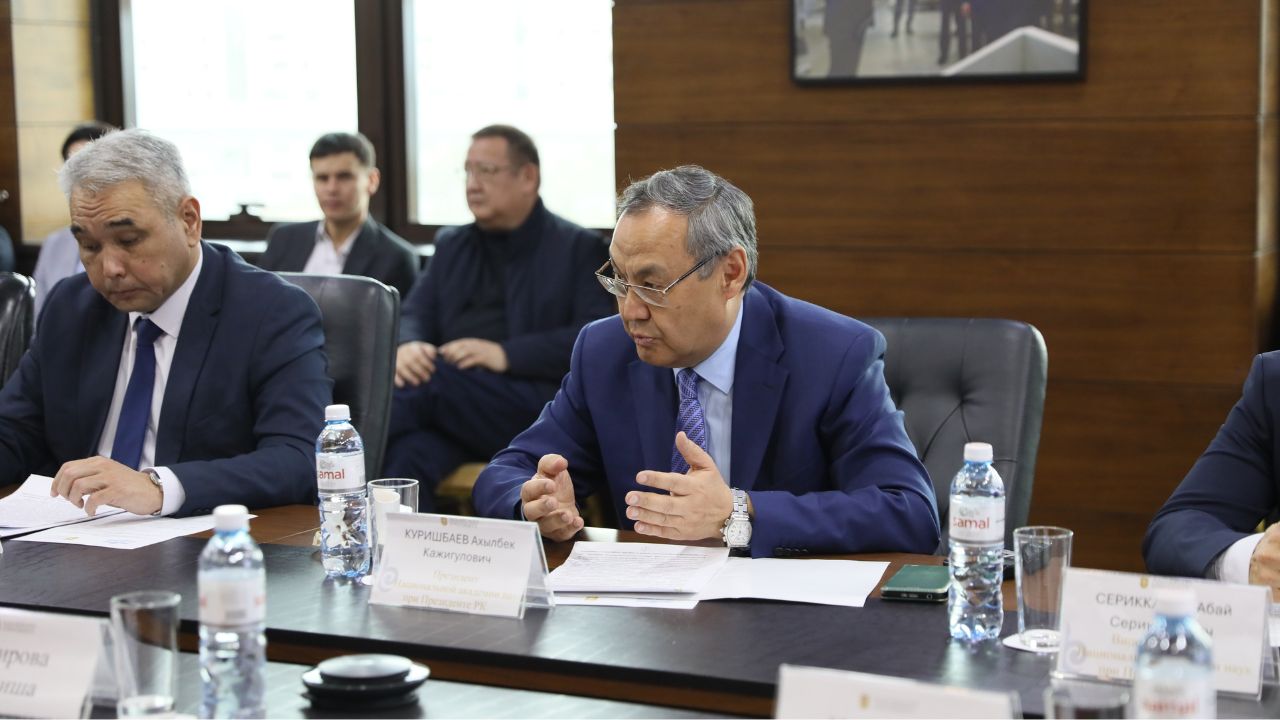
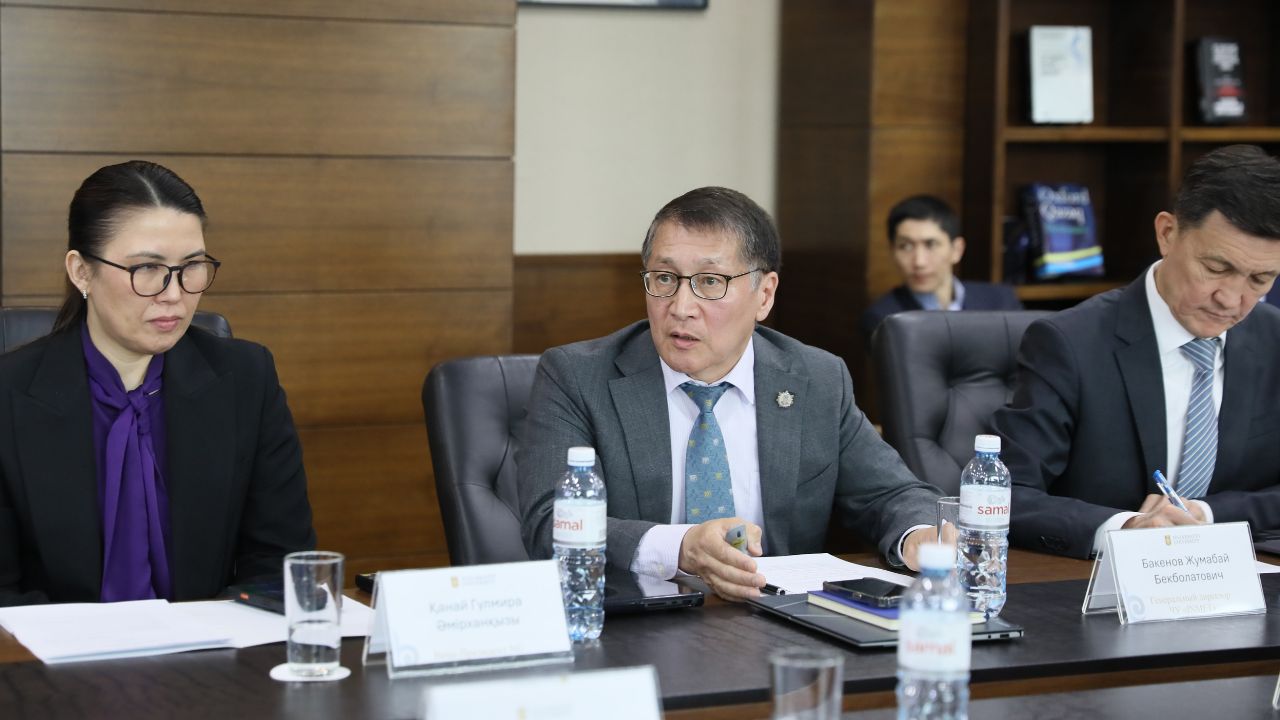




Representatives of Kazakhstan’s Atomic Energy Agency, ministries, and leading research institutes gathered at Nazarbayev University to discuss the implementation of a flagship five-year scientific program focused on rare and rare earth materials. The program is supported by the National Academy of Sciences under the President of the Republic of Kazakhstan.
The initiative aims to shift Kazakhstan from a raw-material export model toward the deep processing of rare and rare earth metals, enabling the production of high-tech components for nuclear, hydrogen, and emerging thermonuclear energy sectors.
Opening the meeting, Akhilbek Kurishbaev, president of the National Academy of Sciences, underscored the strategic importance of the sector. “Today, rare and rare earth metals are not merely a question of geology or raw material processing for Kazakhstan. They are central to technological independence, energy development, the creation of new industries, and ultimately the competitiveness of the national economy,” he said.
The program has been developed at the Institute of New Materials and Energy Technologies (INMET) at Nazarbayev University, whose research infrastructure and talent base enable globally competitive work.
“Over the past 15 years, more than 160 NU graduates have completed STEM training at leading universities worldwide. This talent pool can be mobilized for projects of this scale. The development of high-tech industries is becoming a key driver for attracting young professionals,” said NU Vice President Kadisha Dairova.
Zhumabay Bakenov, CEO of INMET and a professor at NU, outlined the program’s core areas. “The program focuses on assessing the resource base, developing extraction and processing technologies, and applying them in areas such as small modular reactors. It also includes the localization and expansion of green hydrogen production based on Kazakhstan’s raw materials,” he said.
Participants also discussed proposals for launching the flagship scientific and technical program for 2027–2031, including the establishment of an interagency working group, the definition of priority areas and pilot projects, and the development of an implementation roadmap.