

Researchers at Nazarbayev University have unveiled the first digital food atlas of Central Asia – an innovative tool designed to improve how diets in the region are measured and studied. The development is expected to strengthen research in public health and nutrition.
Developed by the Central Asia Food Innovation Lab (CAFI Lab), the atlas addresses a long-standing gap in public health research: the lack of accurate, region-specific data on what people actually eat. As the researchers emphasize, even minor errors in estimating portion sizes can lead to significant distortions in calculating calorie and nutrient intake.
Until now, specialists in Central Asia have largely relied on Western or East Asian dietary databases. Meanwhile, the structure of the regional diet, characterized by a high consumption of red meat, flour-based foods, and dairy products, limits the accuracy of such tools.
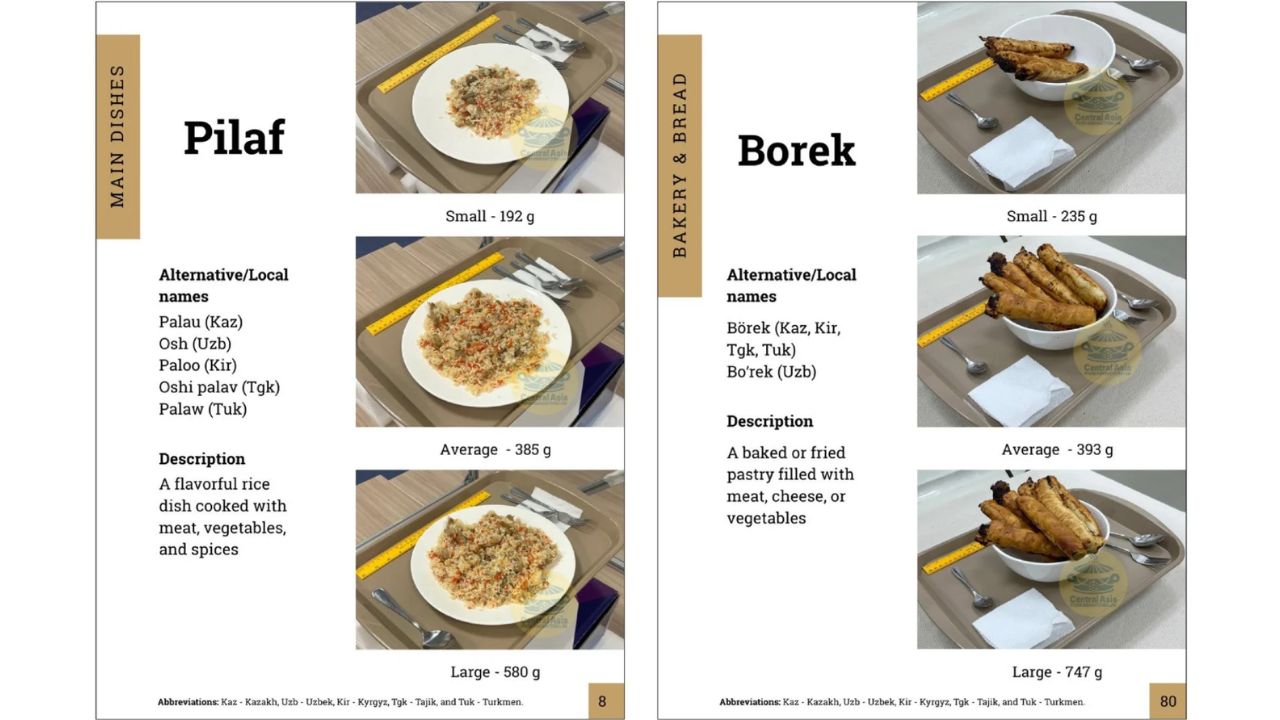
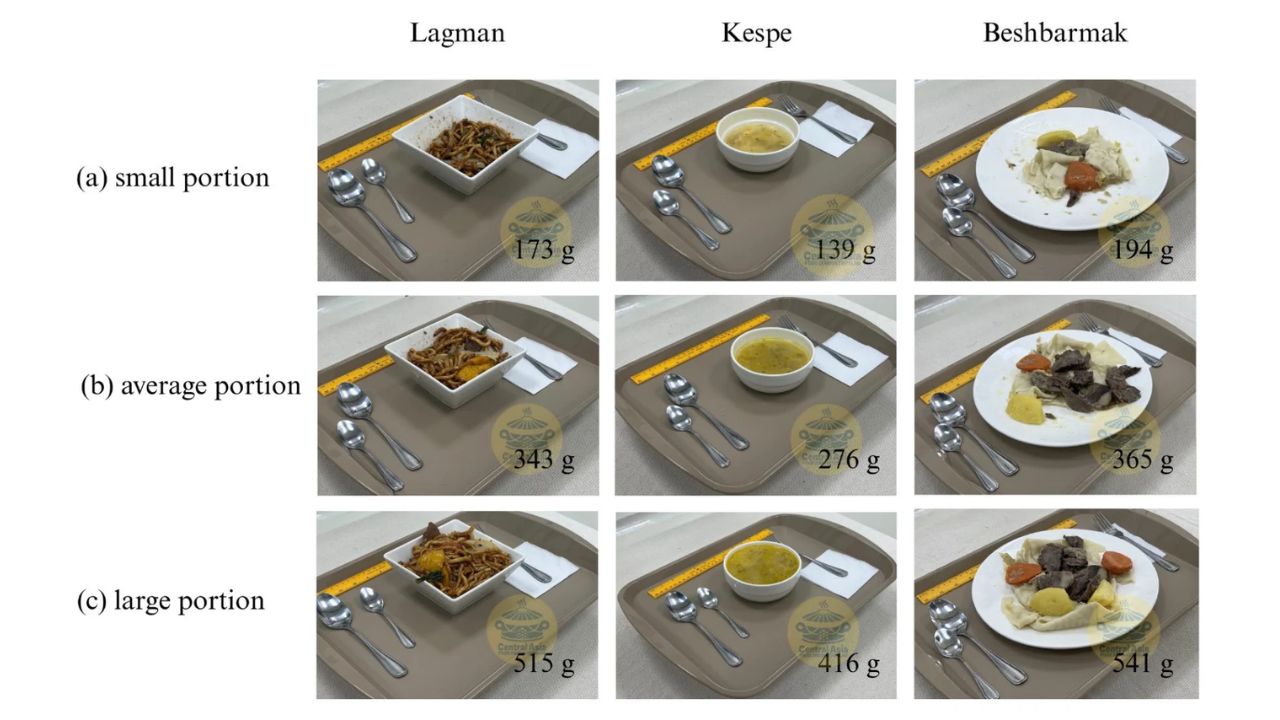
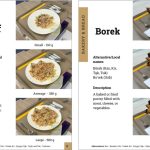
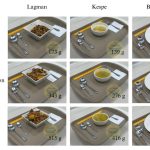
The atlas introduces a standardized approach built on two previously developed region-specific datasets: the Central Asian Food Dataset (CAFD) and the Central Asian Food Scenes Dataset (CAFSD). It includes 115 items, ranging from traditional dishes such as beshbarmak, plov, and manty to commonly consumed foods like pizza, cereals, and ice cream. Each item has been digitized under laboratory conditions with precisely measured portions — an essential factor for accurate dietary assessment.
“This is not just a visual guide,” said Dr. Mei Yen Chan, assistant professor at the NU School of Medicine. “It aligns with international standards and allows researchers in Central Asia to generate data that will be globally comparable.”
At the same time, the atlas represents only a first step. It does not directly calculate calorie content and requires an additional analytical layer. As the authors note, regional dishes vary widely in composition and preparation methods, while “hidden” components—such as fats, broths, and density—make precise assessment difficult. In theory, caloric value is calculated as the sum of the energy provided by all ingredients (e.g.4 kcal per gram of protein and carbohydrates, and 9 kcal per gram of fat). In practice, however, accurate calculation would require weighing every ingredient—an approach rarely feasible in real-life settings. Visual atlases, therefore, serve as a practical compromise, helping estimate portion’s size and approximate calorie intake, albeit with some margin of error. Even AI-based systems still struggle to accurately analyze complex, multi-ingredient dishes.
In this context, the project’s significance extends beyond calorie counting. By standardizing portion sizes, the atlas addresses a fundamental prerequisite for reliable dietary assessment and the advancement of digital nutrition technologies.
Beyond research, the atlas supports the development of AI-driven health applications. The datasets are already being used to train machine learning models, including multi-task deep learning models, capable of recognizing dishes, estimating nutritional value, and supporting digital health tools — from mobile apps to telemedicine platforms. The findings have been published in the international peer-reviewed journals Nutrients, IEEE Access, and Scientific Reports, and are available in open access. The research team is currently working to expand the project by incorporating detailed nutritional data and is seeking additional funding to translate these findings into practical solutions for the Kazakhstani populations.