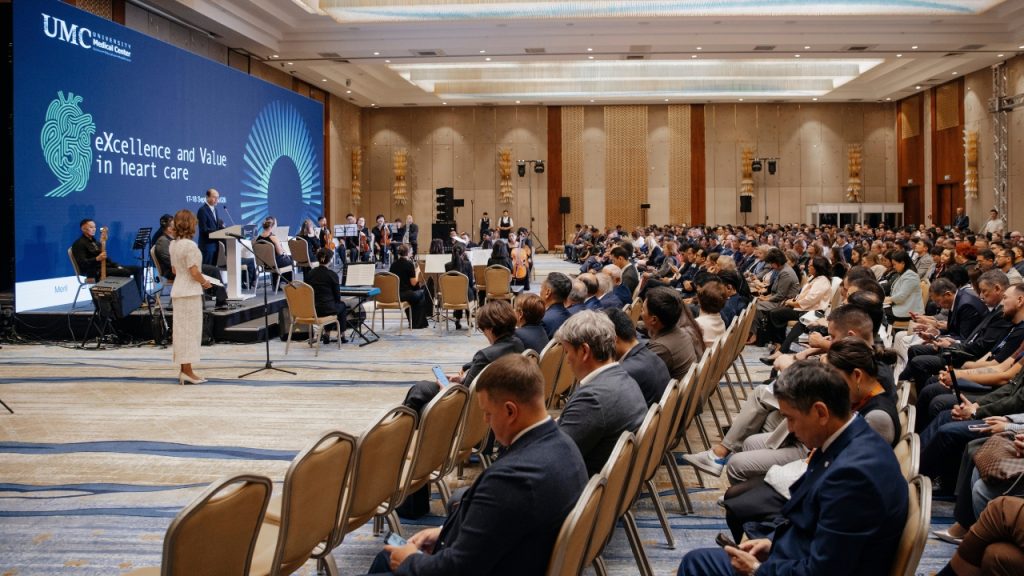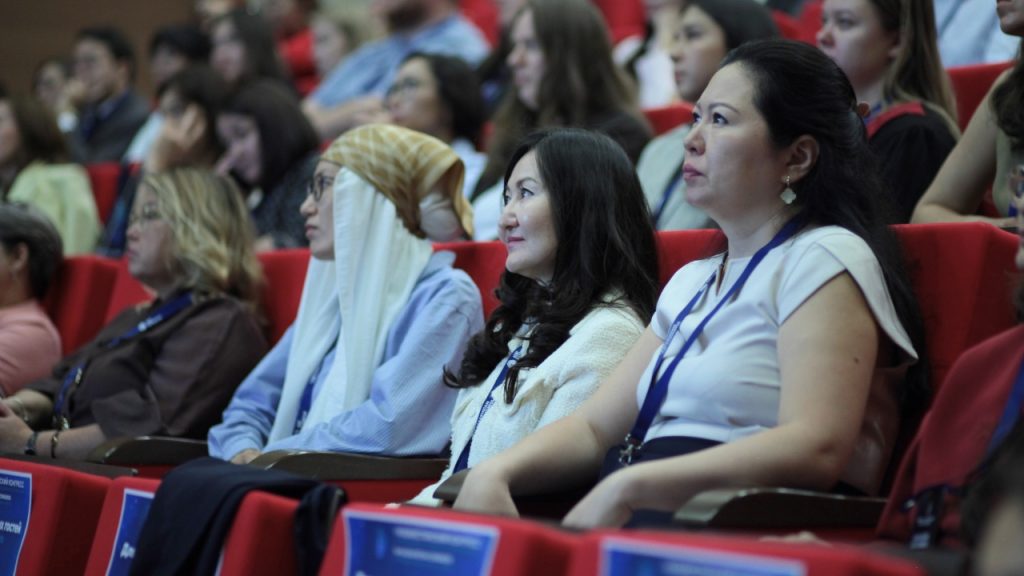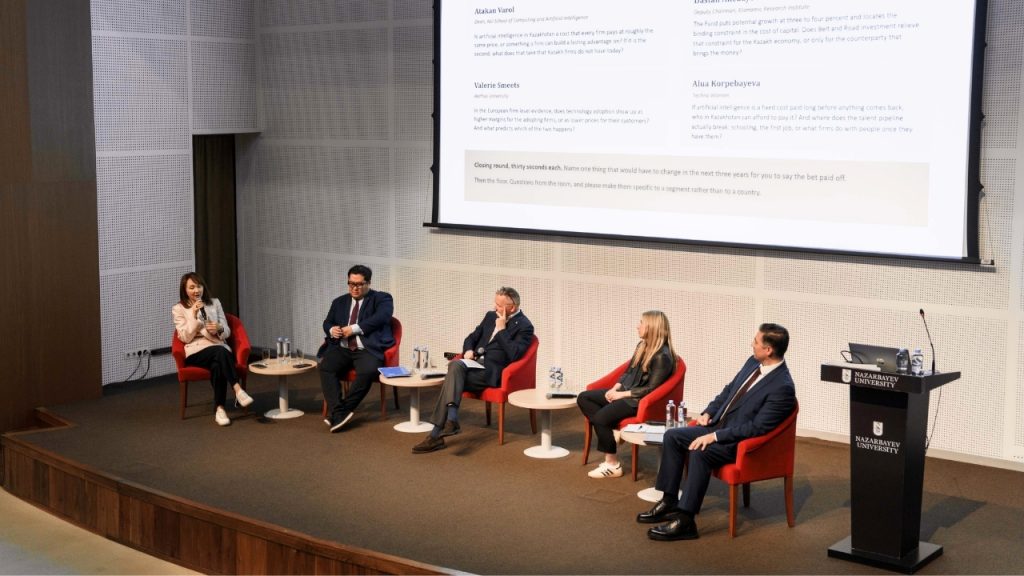
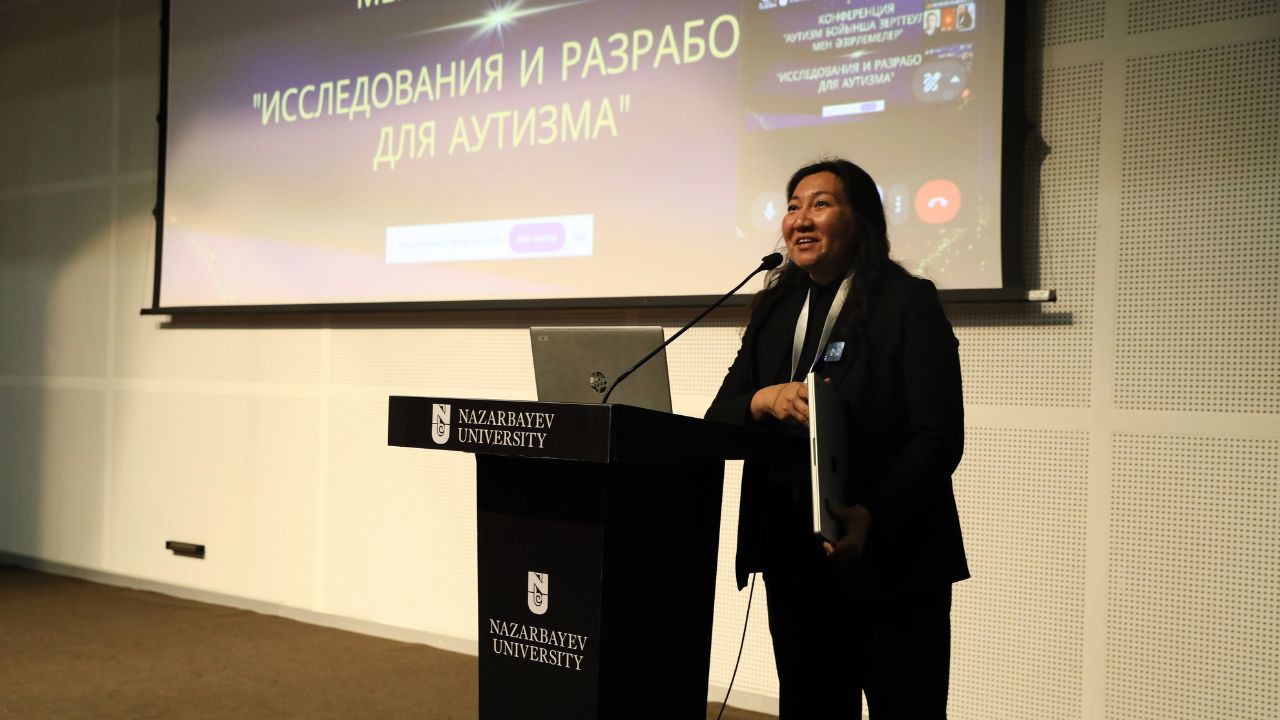

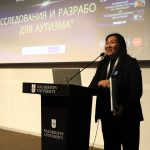
Nazarbayev University hosted a conference on research and development for autism, bringing together scientists, clinicians and experts to discuss modern approaches to supporting children on the autism spectrum.
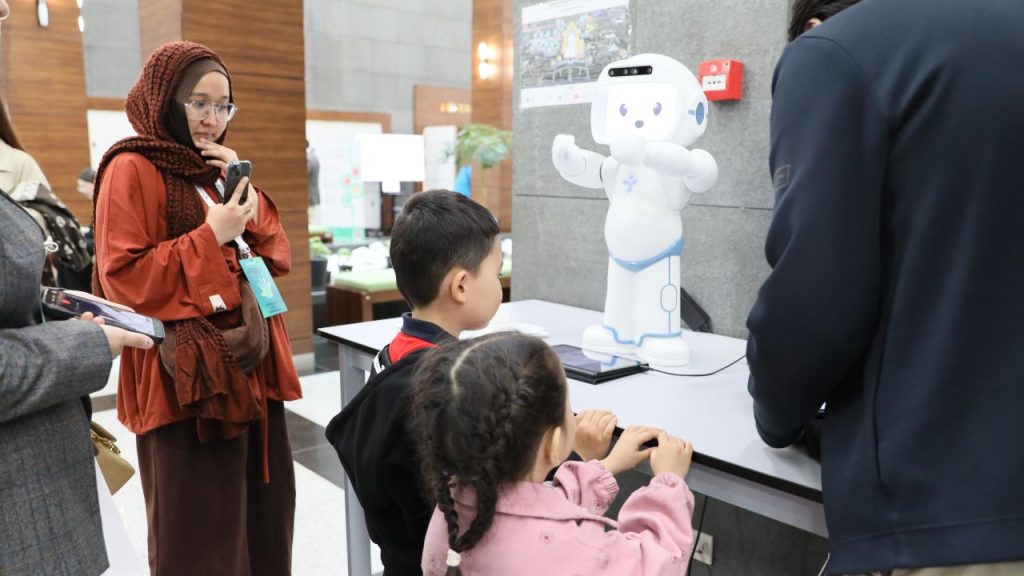
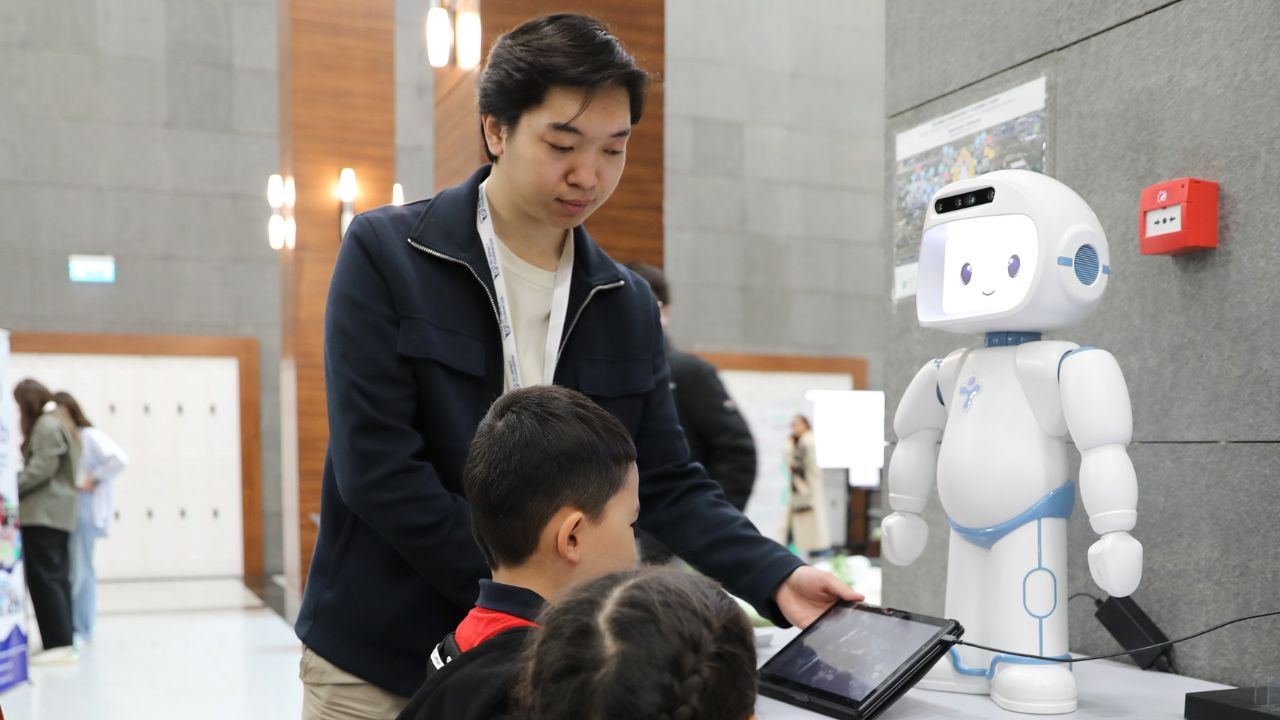
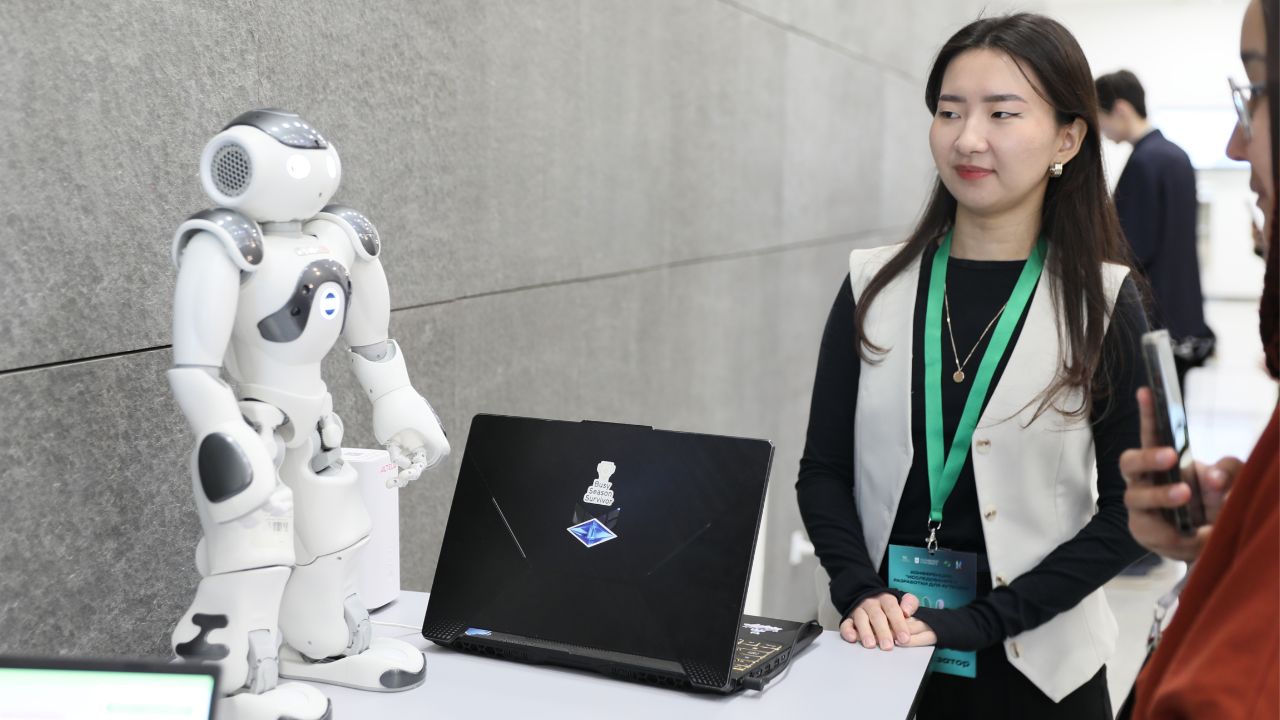
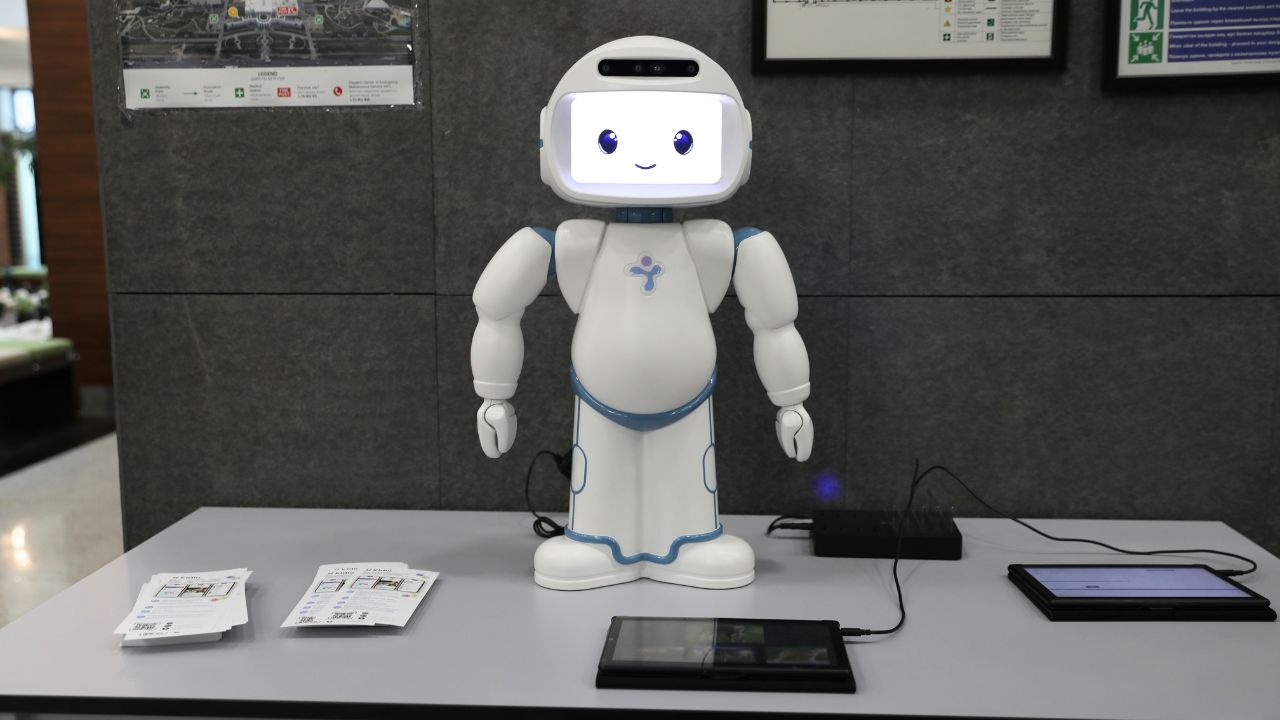
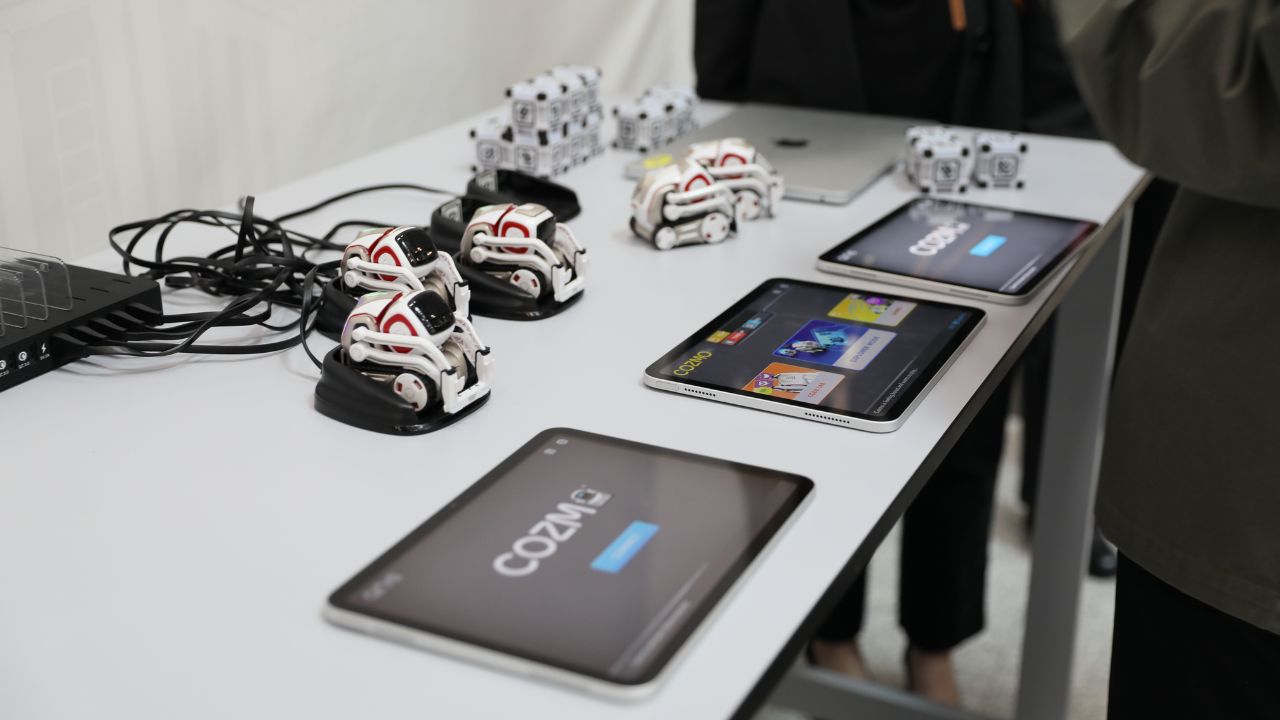
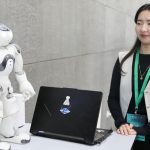
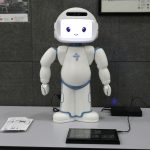
One of the central themes was robot-assisted therapy. Participants were introduced to APRIL, a system that combines social robots, an AI platform with 10 autism-focused tools and an evidence-based approach to skills development.
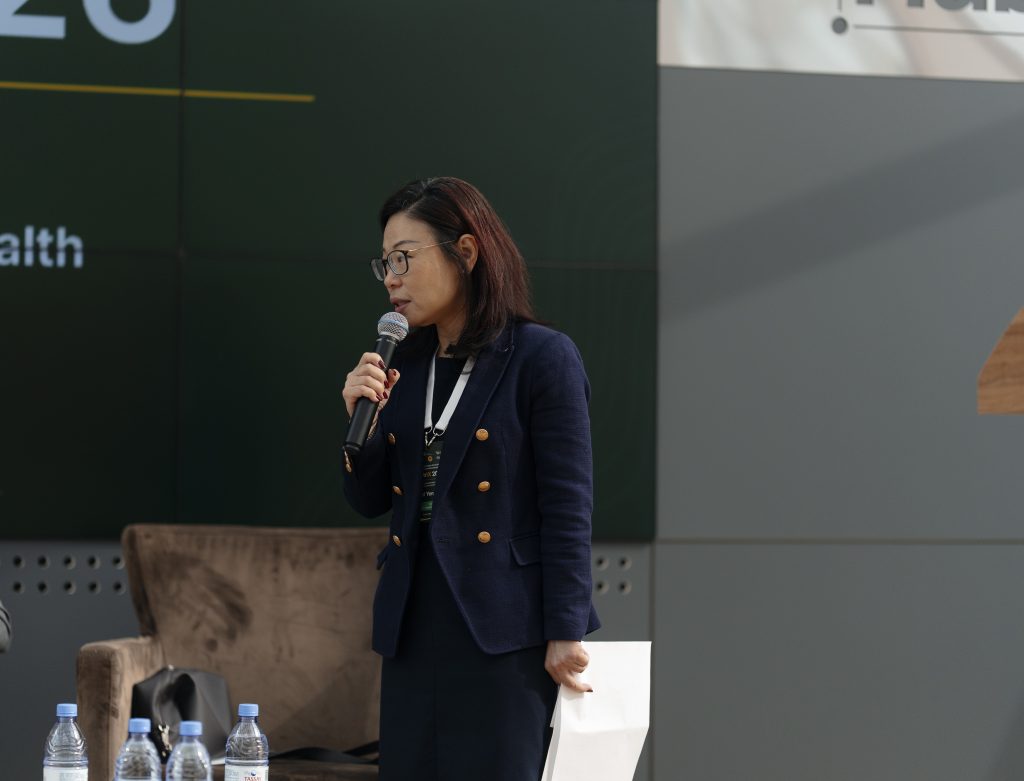
Vice President Assel Uvaliyeva emphasized the broader social importance of such initiatives. “Research is not only about publications; it is about real impact on people’s lives,” she said. “This discussion brings together researchers, doctors, educators, engineers and industry representatives. Such dialogue forms the basis for addressing complex and pressing challenges.”
According to Anara Sandygulova, head of the Child Robotics Lab at NU, specialized robots help children establish contact more quickly, maintain attention and even begin to speak. “A seven-year-old girl began making eye contact with her mother after several sessions,” said Sandygulova, an associate professor at NU. “Previously, she avoided eye contact. She first engaged with the robot, which uses gaze-tracking, and then transferred this skill to communication with her mother.”
The robots enable therapists to conduct hundreds of standardized exercises and tailor sessions to each child’s needs. The technology is already used in seven rehabilitation centers across Kazakhstan and has supported more than 500 children. The AI platform tracks progress in social and cognitive skills through a personalized dashboard, where parents can also access training, assessments and questionnaires.
Since 2019, the research team, including students, has collected and analyzed video data over five years. The findings have been published in leading international Q1 journals. In 2023, the team launched its first therapy room in Pavlodar and received a major award at an international conference in Switzerland. Kazakhstan is now among the countries integrating robot-assisted therapy into autism care.
The conference also featured EZPECS, a digital platform designed to support speech, communication and reading skills. Developers emphasized that such technologies complement the work of specialists and aim to improve rehabilitation outcomes.
Participants also discussed evolving perspectives on autism. Experts noted the growing use of the neurodiversity approach, which views autism not as a disorder but as a lifelong developmental difference.
Nariman Amantayev, an NU graduate with a PhD from McGill University, explained that autism diagnosis is based on behavioral observation rather than laboratory tests. He also highlighted ongoing discussions about moving away from stigmatizing language. “Terms such as ‘autistic people’ or ‘people on the spectrum’ reflect the neurodiversity perspective and the preferences of part of the community,” he said. “This helps reduce stigma and ableism. The term ‘autism spectrum disorder’ is not widely accepted within the autistic community because of the word ‘disorder.’”
Globally, the number of children diagnosed with autism spectrum conditions continues to rise. In Astana, about 4,200 children receive treatment each year at the National Center for Children’s Rehabilitation, according to neurologist Zulfia Akhmetzhanova. More than 400 of them have an autism diagnosis, while another 400 are admitted with conditions that may mask autism. “Our multidisciplinary team includes a physician-coordinator, psychiatrist, audiologist, occupational therapist, speech therapist, special education specialist and psychologist,” she said. “We design personalized rehabilitation programs and train parents to better understand their child’s needs.”
The conference also featured leading experts in autism, including researcher Aida Amir, Dinara Gaplan, chair of the Bolashak Charity Board of Trustees, Azamat Bakhytbekov, head of the Bala Center, and Assel Zhassanova, chair of the Balama-ai Foundation. Discussions covered early diagnosis, the development of symbolic thinking, collaboration between government, society and business, and social inclusion.