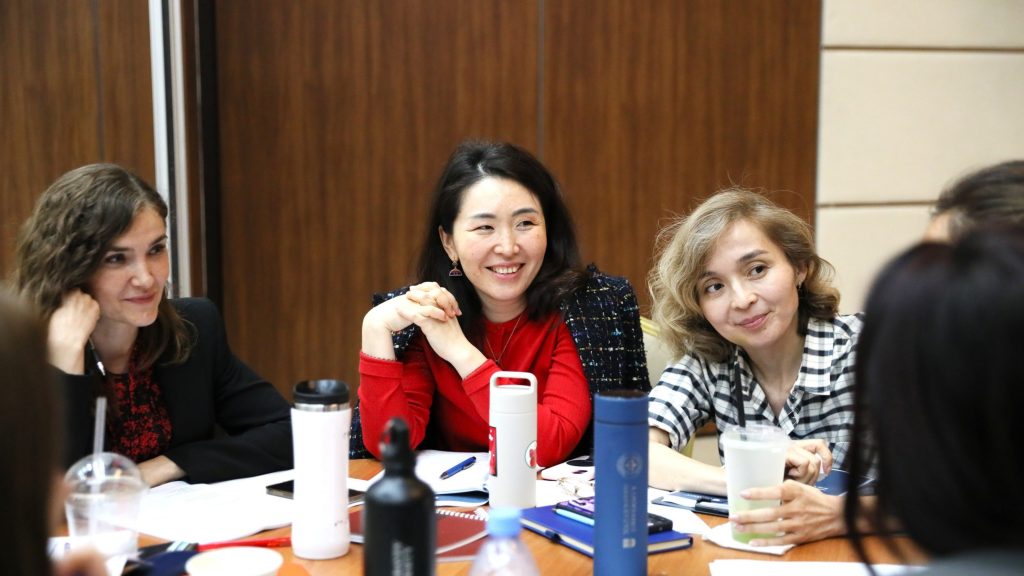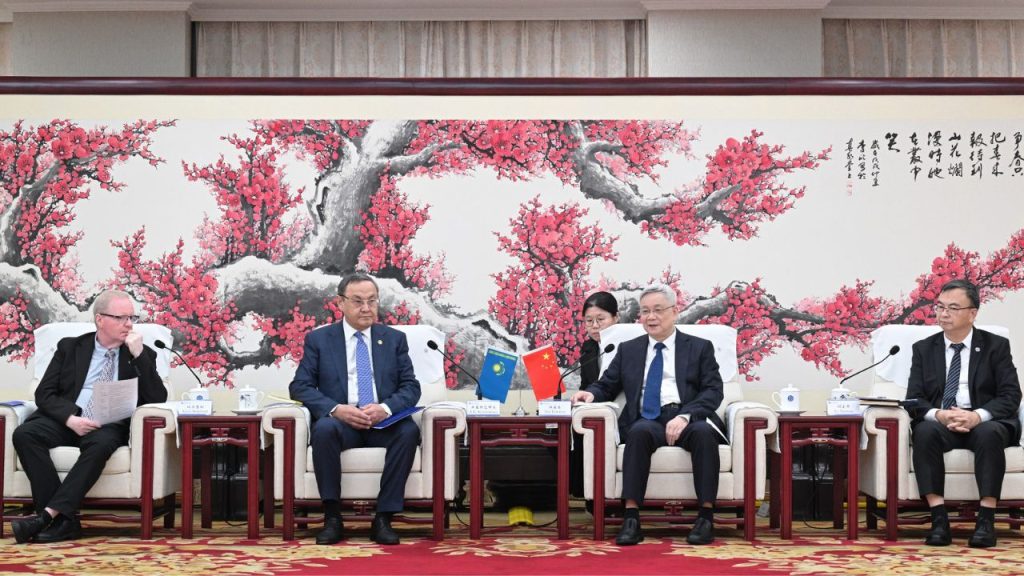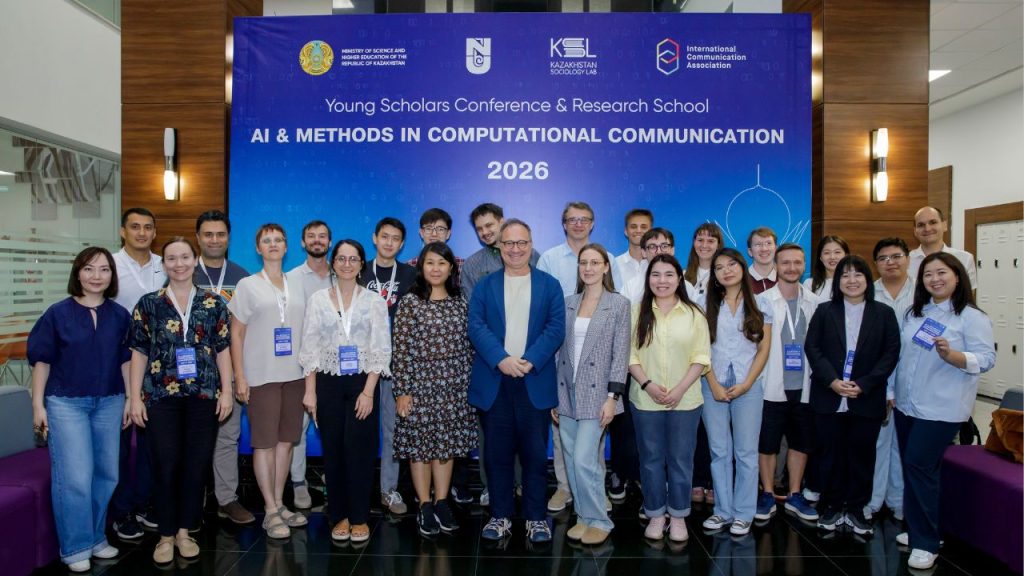


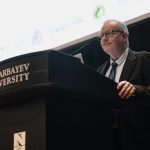
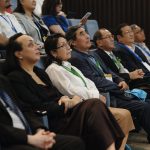
How do new materials become the foundation for cleaner energy, better healthcare, and future technologies? This question brought together researchers, industry experts, and innovators at NU for the 5th International Symposium on Emerging Materials and Devices.
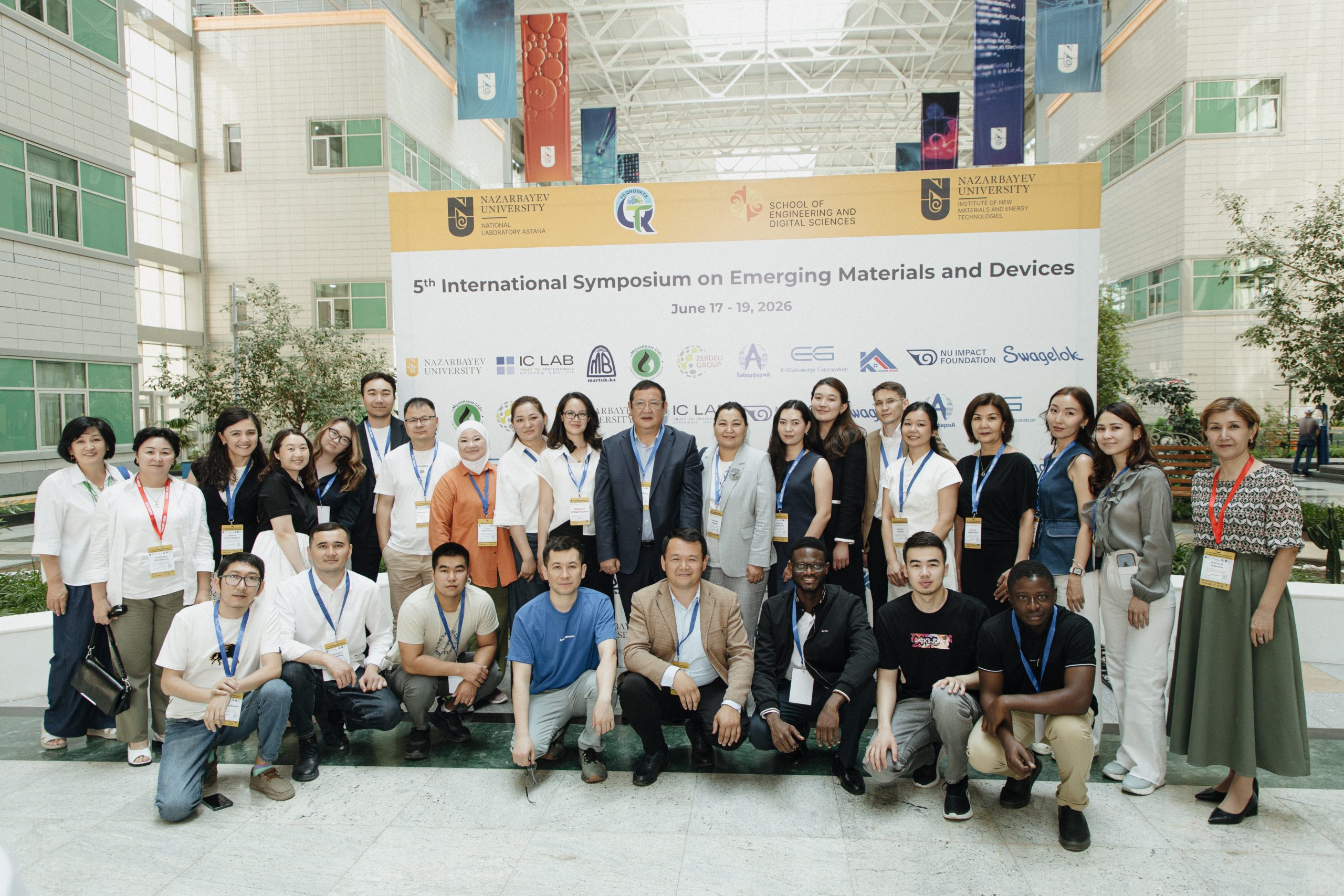
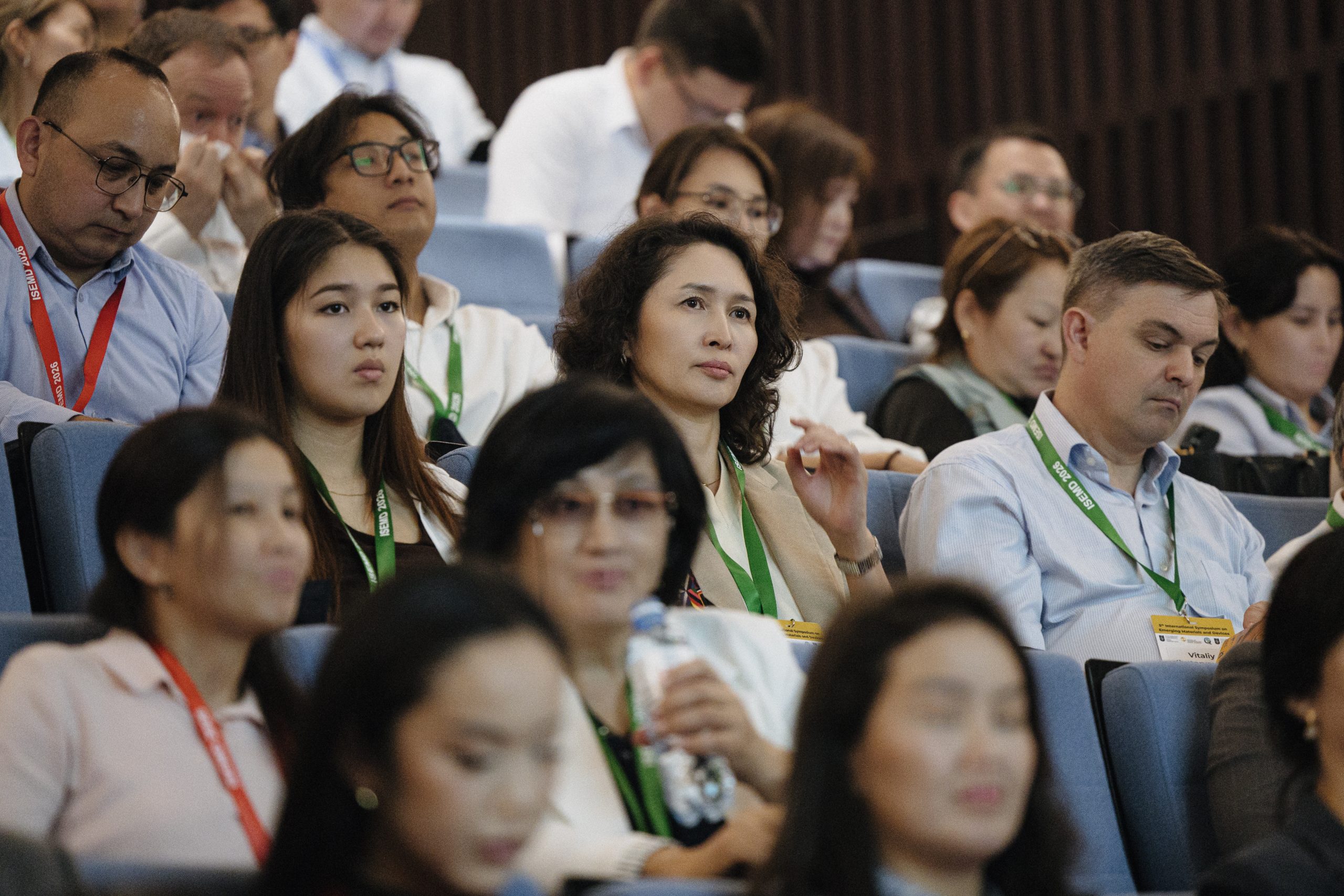
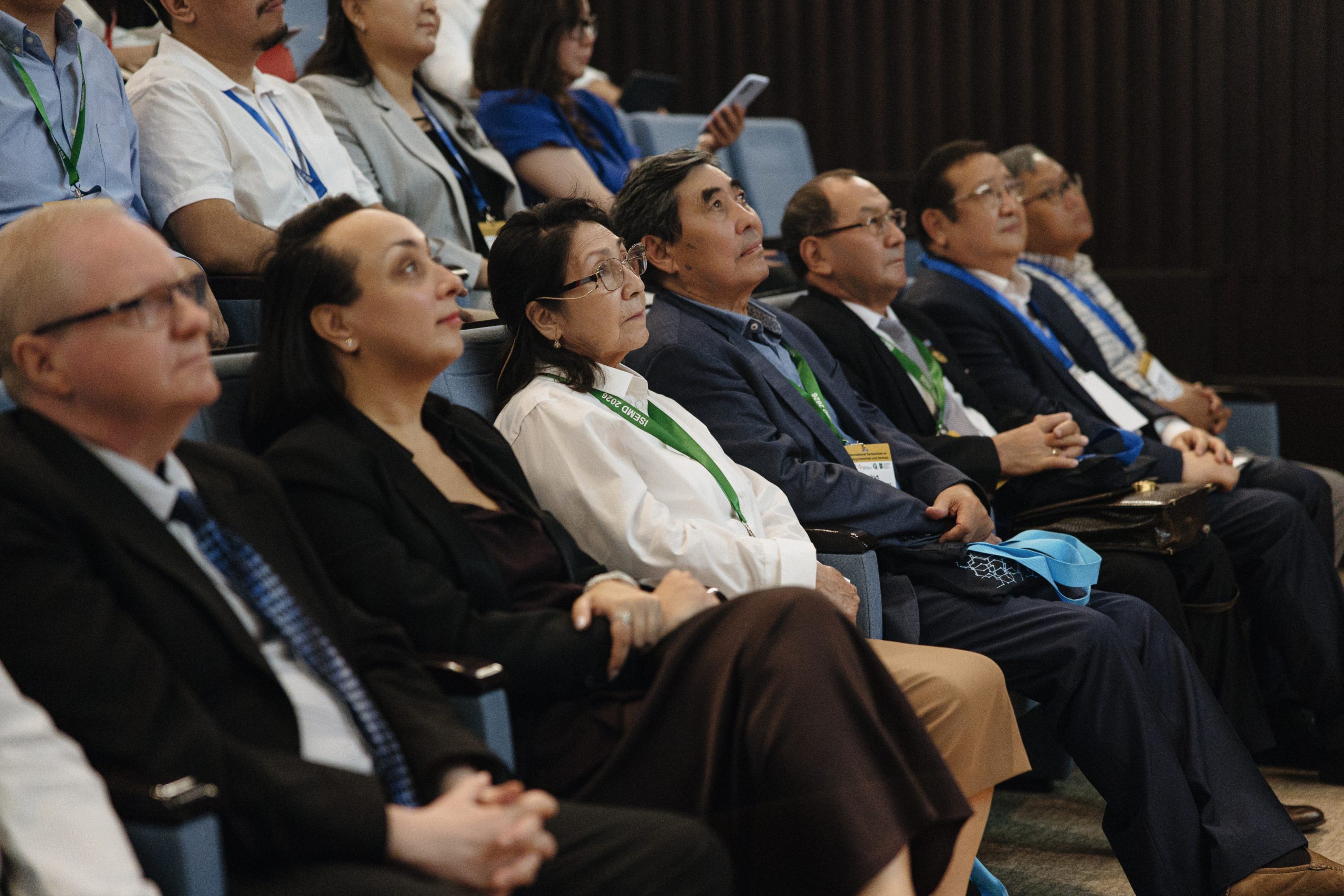
The event welcomed invited speakers and participants from across the world, including the United Kingdom, China, South Korea, Türkiye, Malaysia, Georgia, Uzbekistan, and Singapore.
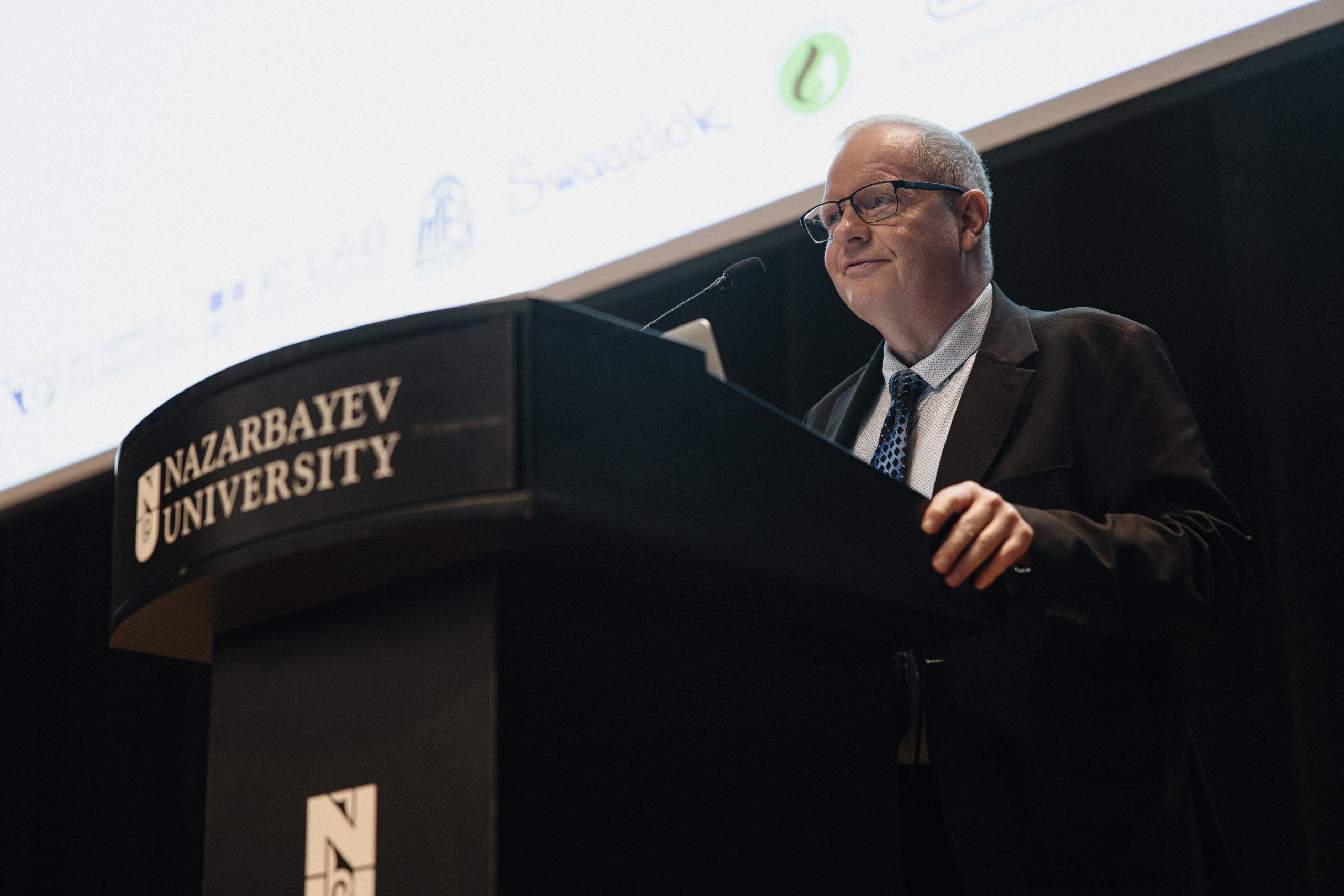
Opening the symposium, Kazakhstan’s Minister of Science and Higher Education Sayasat Nurbek emphasized the strategic importance of materials science in shaping future industries and improving quality of life.
“New materials are not just a niche discipline. They are infrastructure. Every clean energy transition, every medical breakthrough, every next generation device begins with someone asking what a new material can do that no other material has done before.
The researchers in this very room are asking that question at the highest scientific level. Kazakhstan is building the conditions for that work to happen here, not just to host international symposia or conferences, but to produce the science itself,” he said.
The Minister further noted that Kazakhstan continues to strengthen its scientific and innovation ecosystem through investment in research capacity, international partnerships, and infrastructure supporting advanced research and technology development. He also highlighted the increasingly interdisciplinary nature of scientific progress and the growing role of artificial intelligence in accelerating materials discovery and enabling new approaches to research.
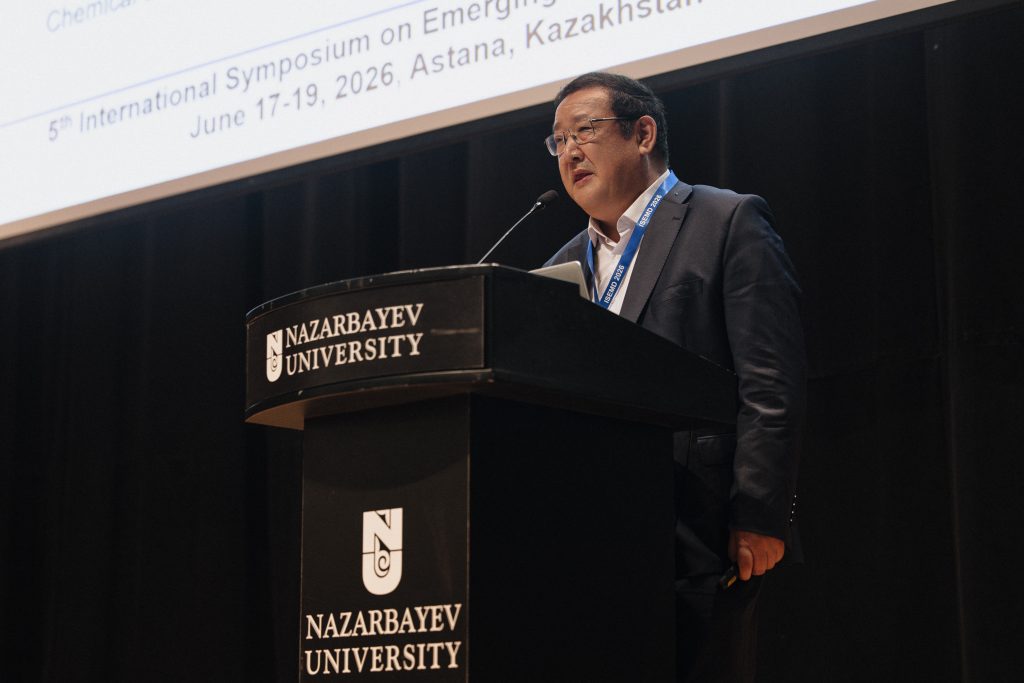
Professor Nurxat Nuraje, Head of the Renewable Energy Lab at National Laboratory Astana, reflected on the laboratory’s progress and the broader direction of the symposium. He emphasized that one of its strongest priorities is shortening the path from scientific discovery to real-world application. Discussions focused on both scientific discovery and the pathways that enable technologies to move beyond the laboratory into practical use.
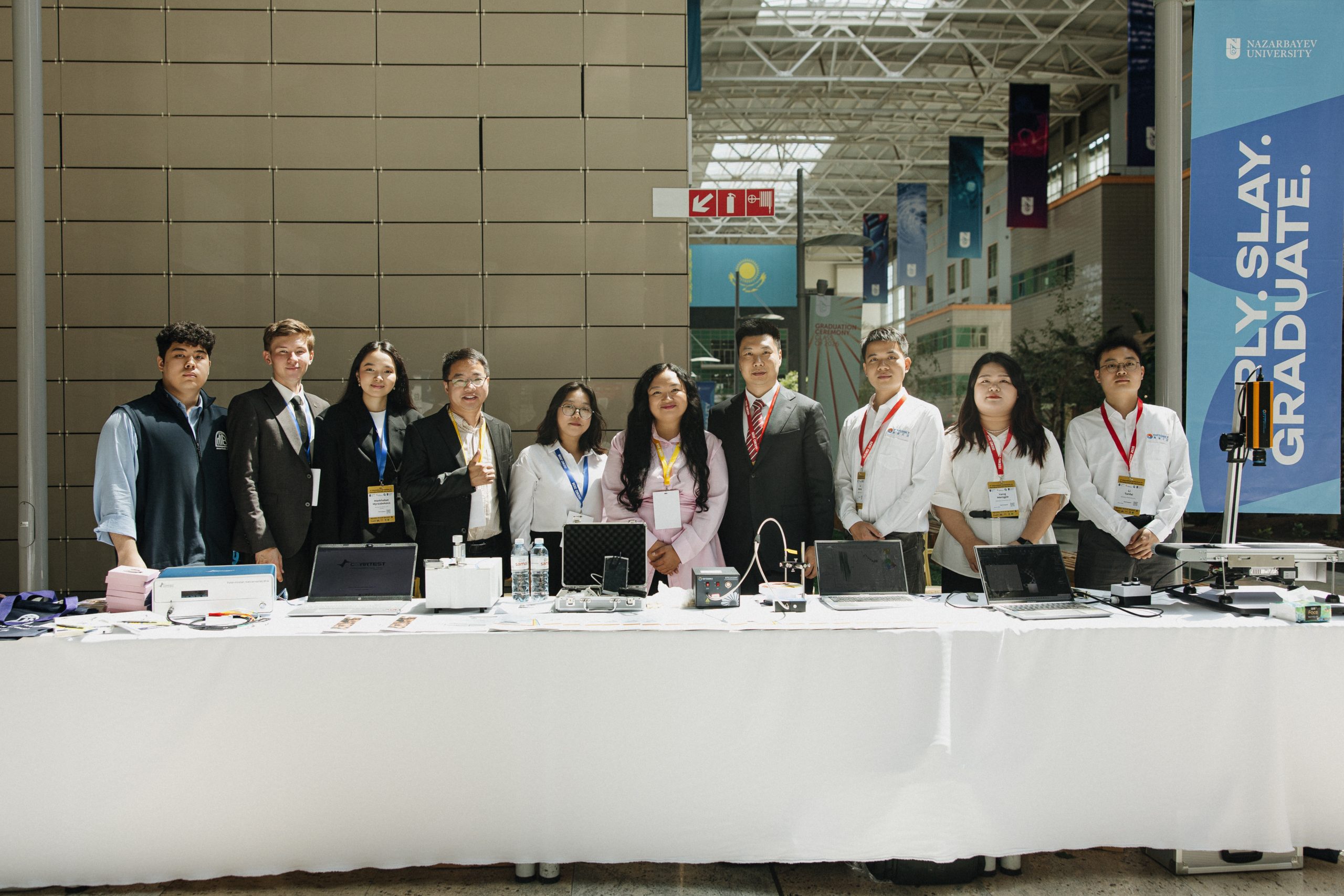
He noted that the laboratory has expanded its work in novel solar-sensitive and multifunctional materials while advancing research in areas including solar energy, hydrogen generation and storage, biomass conversion, and sensing technologies. The laboratory continues to build international collaborations and pursue research with practical and commercial potential.
Held at NU since 2019, the symposium continues to serve as a platform connecting researchers, industry, and international partners while advancing dialogue on scientific challenges with global relevance.