

Kazakhstan is facing a growing challenge in water management. More than 14,000 kilometers of the country’s irrigation canals require urgent rehabilitation, while an estimated 12 to 15 cubic kilometers of water are lost every year through leakage and seepage. That volume is comparable to the annual flow of a major river.
Much of the problem stems from aging canal infrastructure. Conventional concrete linings often crack under harsh winter conditions, where temperatures can drop to −30°C, and deteriorate in saline soils. In many cases, they remain effective for only five to ten years before requiring major repairs or replacement.
Researchers at Nazarbayev University are exploring innovative approaches to address this challenge.
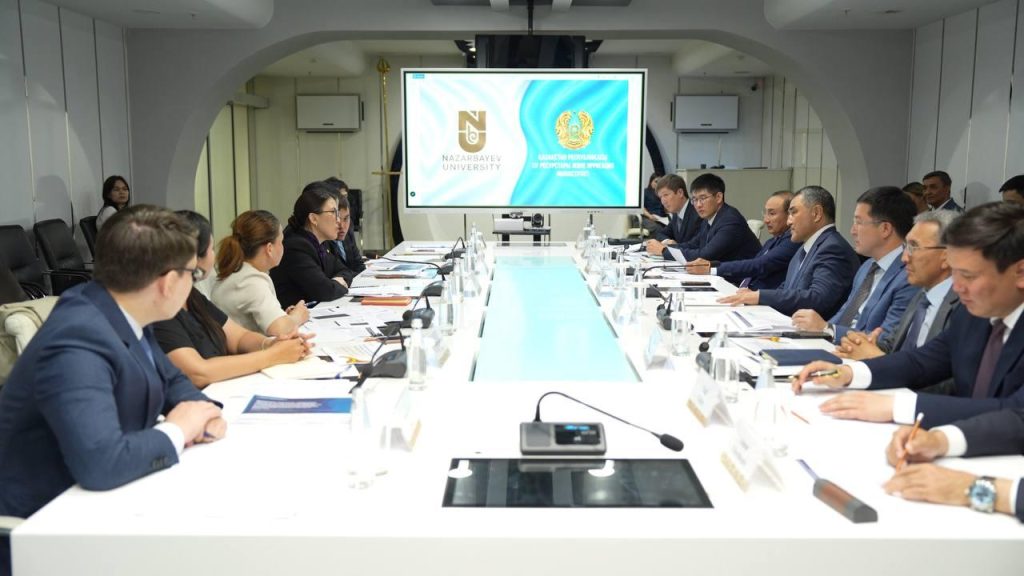
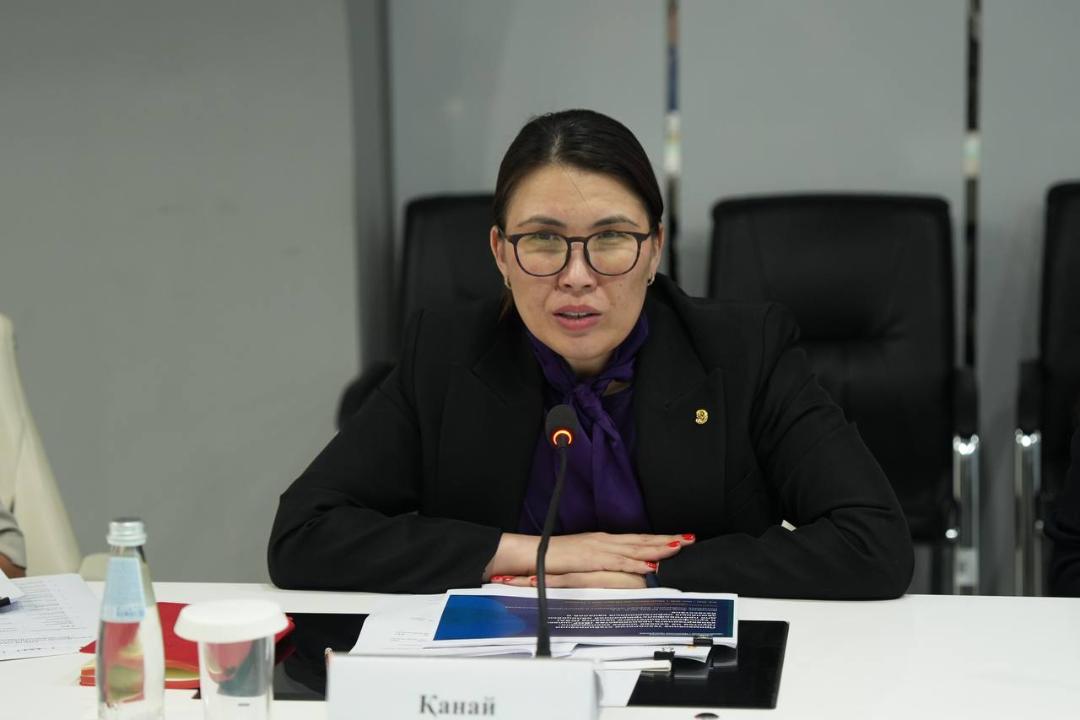
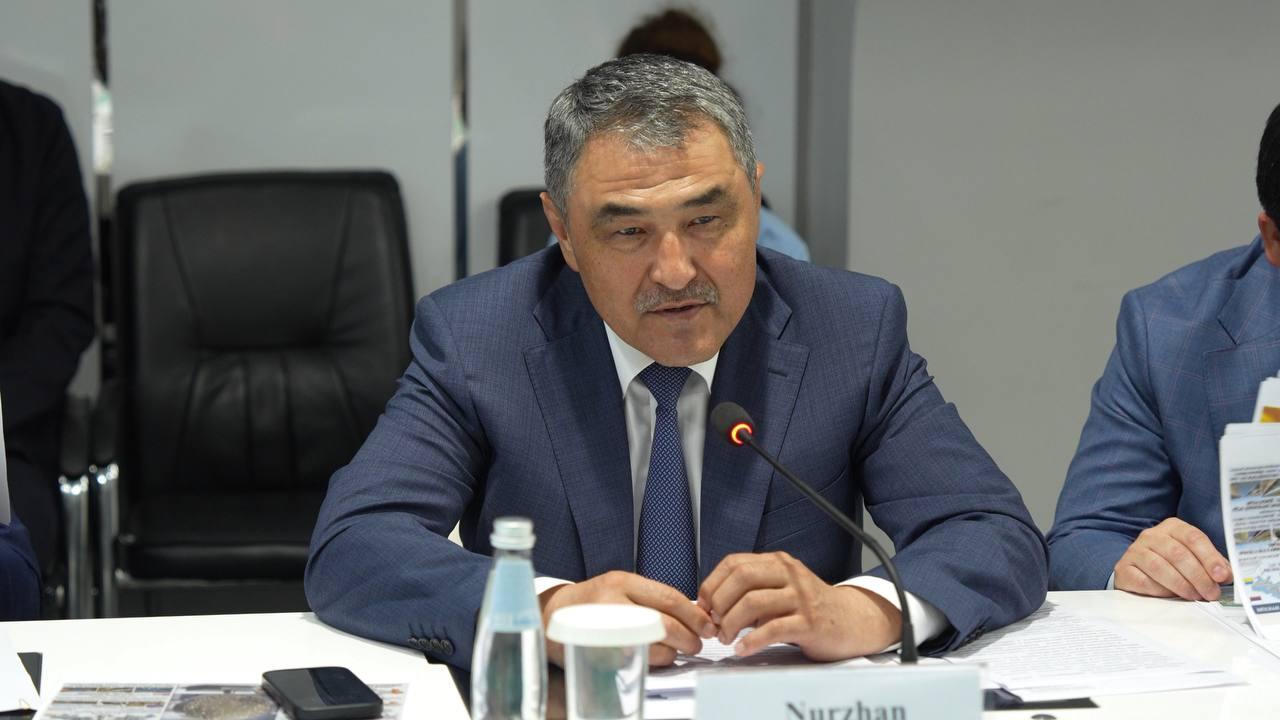
On July 7, 2026, NU Vice President Gulmira Qanay met with Minister of Water Resources and Irrigation Nurzhan Nurzhigitov to discuss two research projects aimed at reducing water losses and improving the reliability of Kazakhstan’s water infrastructure. Both initiatives are being coordinated in partnership with the Ministry’s Information and Analytical Center for Water Resources.
The first project is led by Associate Professor Sung-Woo Moon of the School of Engineering and Digital Sciences, together with Professors Alfrendo Satyanaga and Woojin Lee. The research team is investigating the use of basic oxygen furnace (BOF) slag and calcium sulfoaluminate (CSA) cement to create impermeable canal linings that can reduce seepage losses. The project includes laboratory testing, water quality and environmental safety assessments, and pilot-scale field trials. In the long term, the results could contribute to the development of Kazakhstan’s first national technical standard for this technology.
The second project is being developed by Associate Professors Chang-Seon Shon, Dichuan Zhang, and Alfrendo Satyanaga together with postdoctoral researcher Saken Sandybay. Their team is working on climate-adapted canal linings based on geopolymer materials produced from industrial and agricultural waste. The project also incorporates satellite and geospatial monitoring of water losses, as well as assessments of the environmental and economic impacts of irrigation system modernization.
During the meeting, Minister Nurzhigitov proposed exploring the possibility of combining the two initiatives into a single integrated project. The participants also discussed involving the Kazakh Research Institute of Water Economy and conducting laboratory studies and field trials at Kazvodkhoz facilities in different regions of the country.
“The Ministry highly values its partnership with NU and looks forward to long-term, mutually beneficial cooperation,” Minister Nurzhigitov said.
The findings from the two projects are expected to help identify effective solutions for modernizing Kazakhstan’s irrigation infrastructure and reducing water losses. As water scarcity becomes an increasingly important challenge for the country, such innovations could play a significant role in strengthening the resilience and sustainability of Kazakhstan’s agricultural sector.