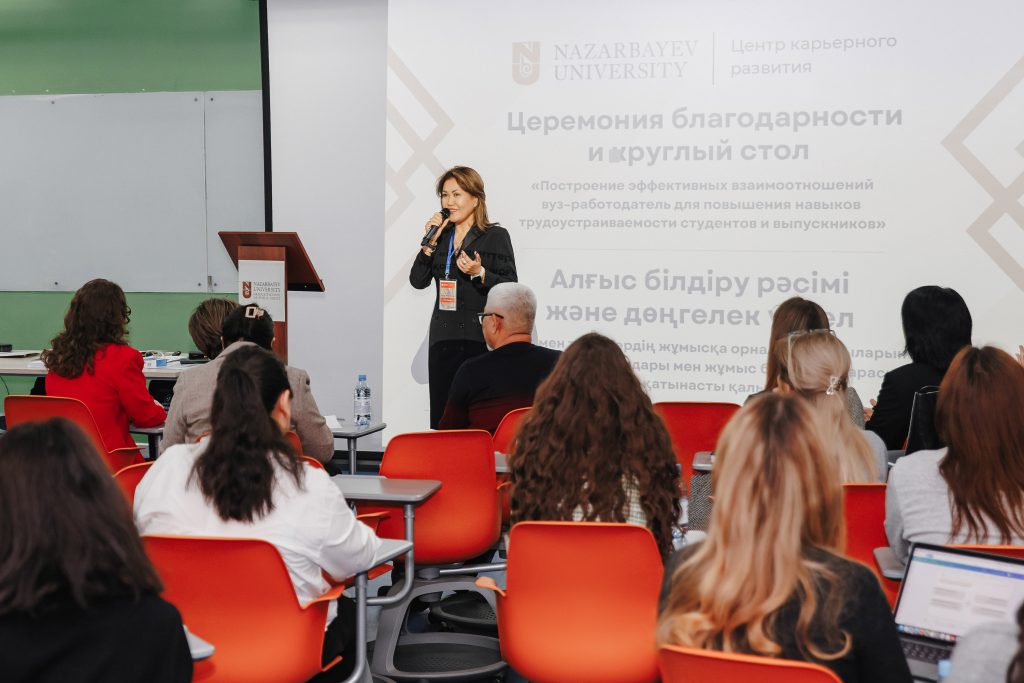
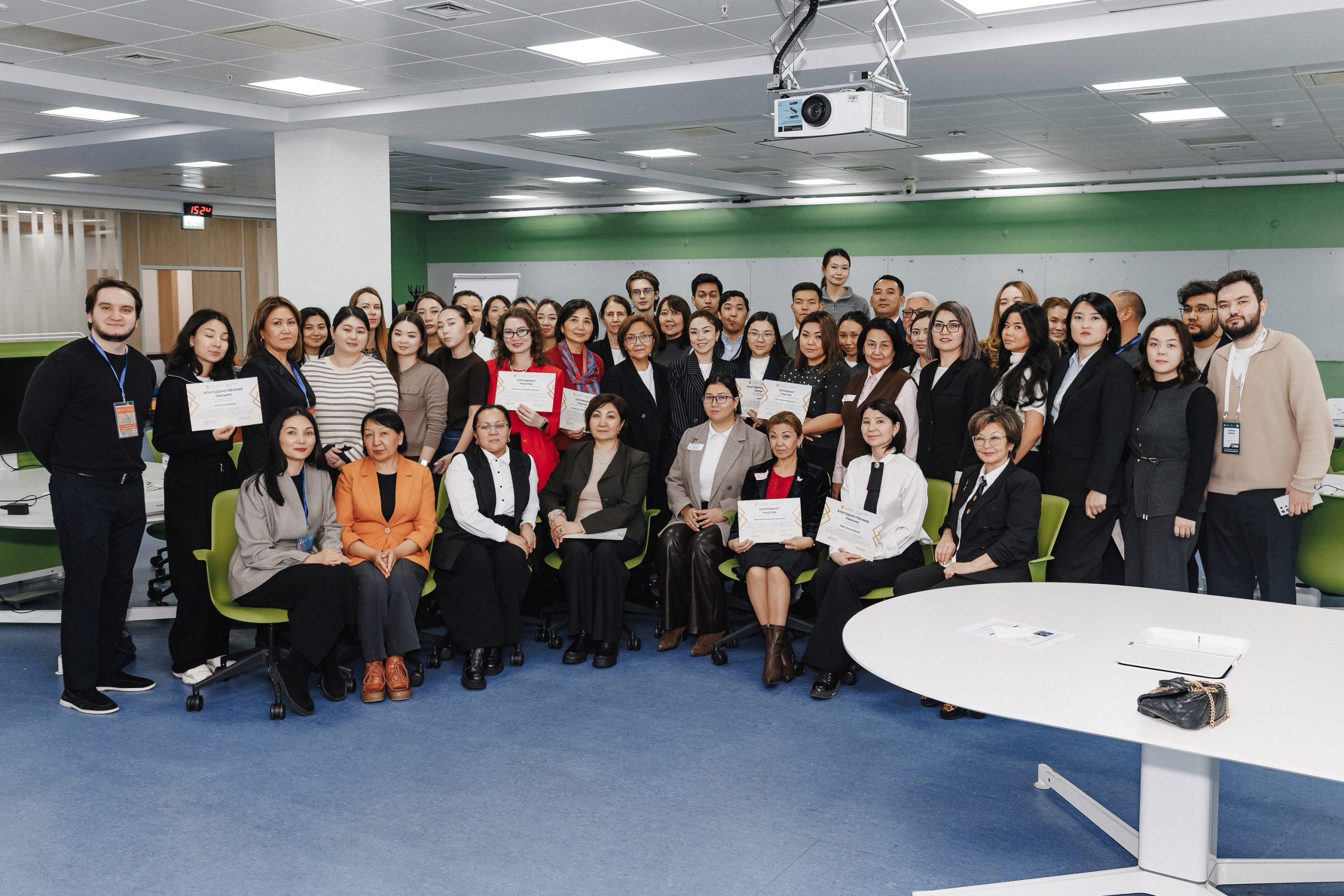

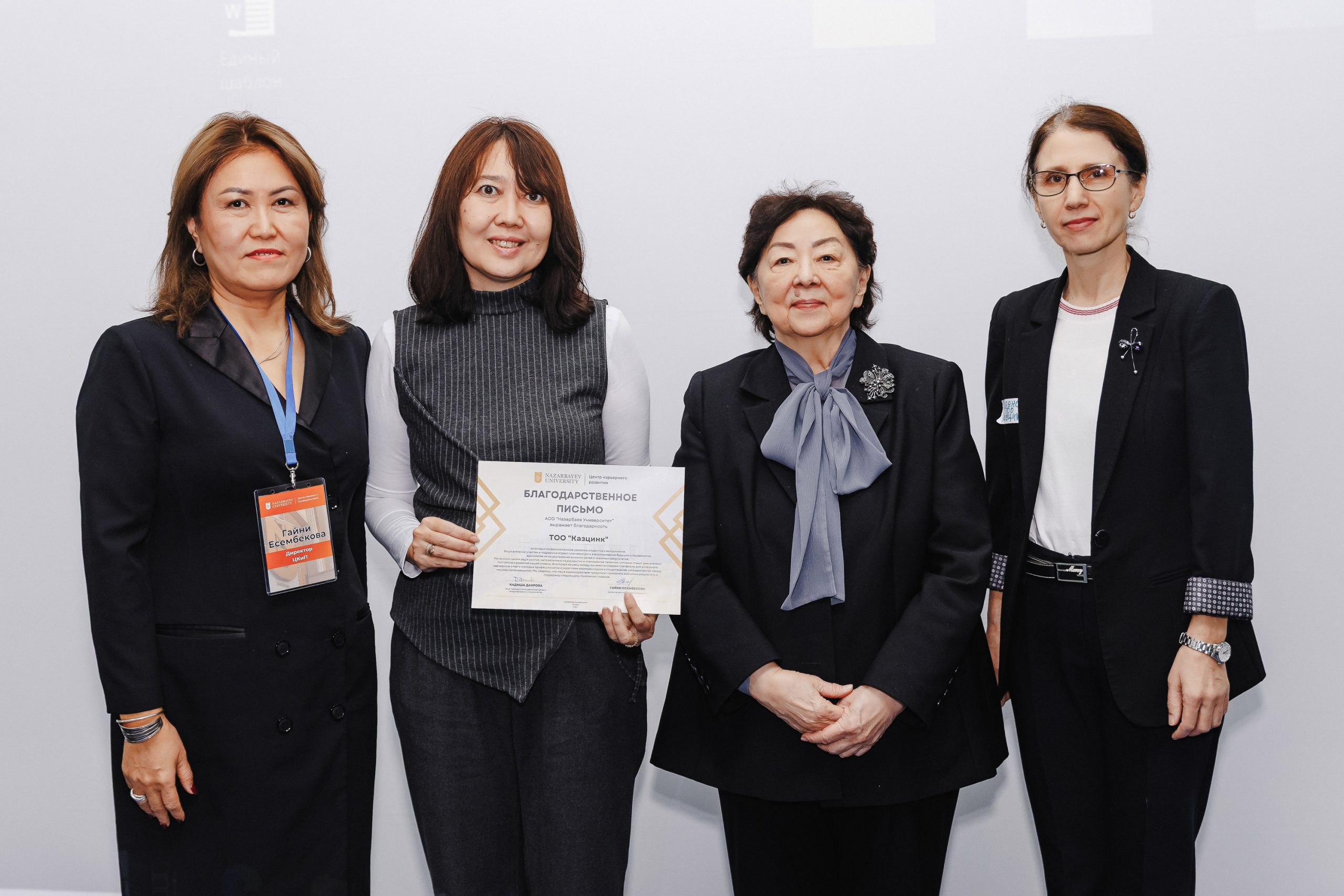





What skills do graduates need to make a confident start to their careers? Does a university education provide enough preparation to tackle real-world business challenges? And how is artificial intelligence reshaping employers’ expectations? These questions were at the heart of a roundtable titled “University–Employer Engagement: Preparing Graduates for Today’s Labour Market” at Nazarbayev University (NU).
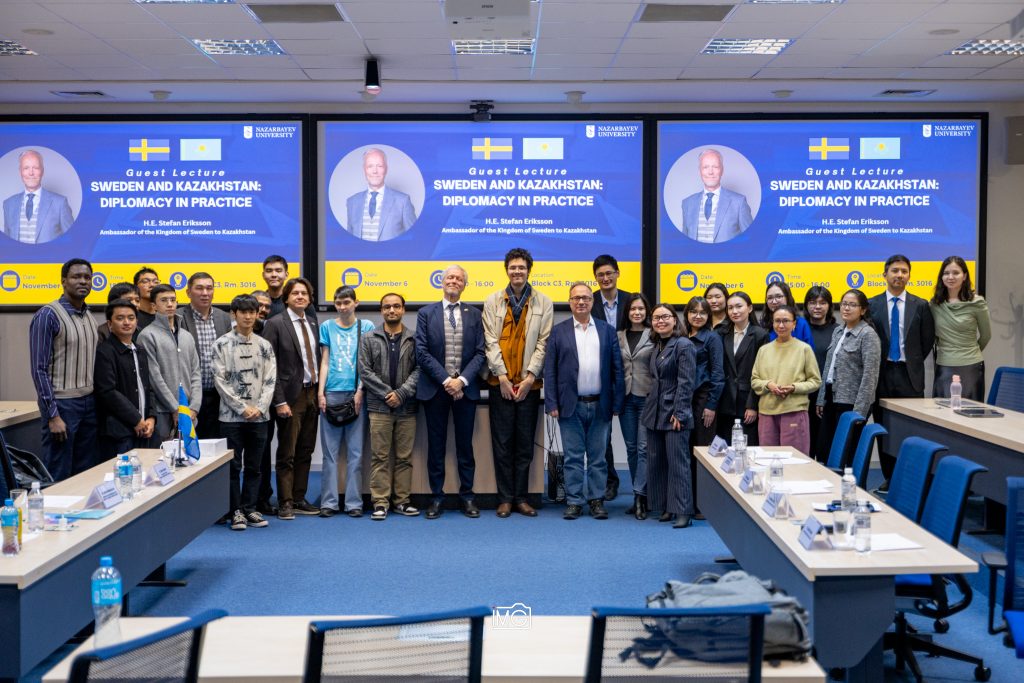
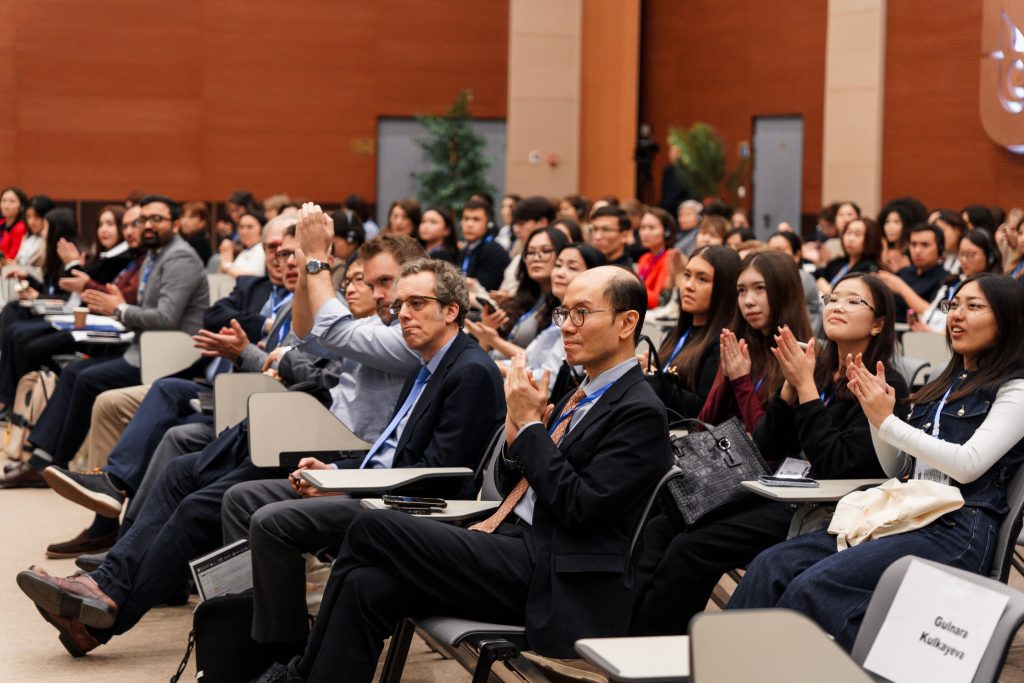
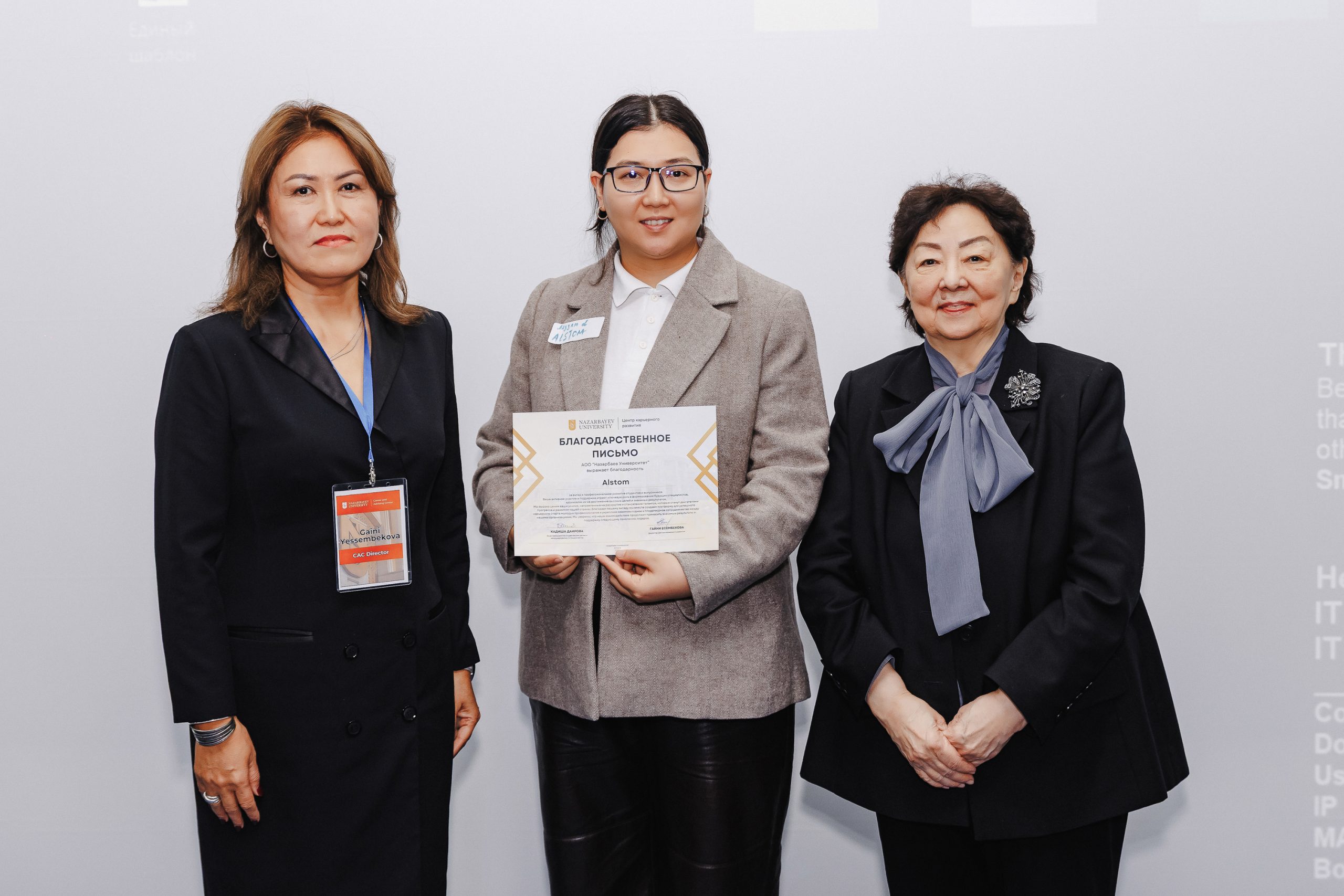
Organized by the NU Career Development Center, the roundtable brought together representatives from companies, universities across Kazakhstan, professional communities, and the student body. Participants included representatives of Beeline, Alstom, KAZZINC, PwC, EPAM Solutions, 2GIS, and other organizations, alongside delegates from more than ten universities across the country. During a dedicated “Student Voice” session, representatives of the NU Student Government shared their perspectives on preparing for professional life.
The practical part of the event featured five thematic working groups. Discussions focused on the skills and competencies most sought after by employers, research capabilities, the impact of artificial intelligence on professional practice, and ways to strengthen partnerships between universities and industry. Particular attention was given to bridging the gap between academic learning and the challenges businesses face in practice.
Employers highlighted the importance of data literacy, information analysis, critical evaluation of sources, and the ability to apply research findings to real-world problems. Among the proposals were incorporating real business cases into university courses, expanding practice-oriented capstone projects, and creating more opportunities for internships and mentorship.
Artificial intelligence was another key topic of discussion. Participants noted that proficiency in AI tools is becoming an increasingly important part of professional readiness. However, its use must go hand in hand with independent thinking, ethical responsibility, personal data protection, and the ability to verify the accuracy and reliability of AI-generated outputs.
The discussions underscored the need for sustained, structured collaboration between universities and businesses. Proposed measures included establishing a shared repository of real-world business cases provided by employers, involving industry more actively in the educational process, expanding joint projects and paid internship opportunities, and measuring the effectiveness of partnerships through tangible outcomes, including graduate employment rates.