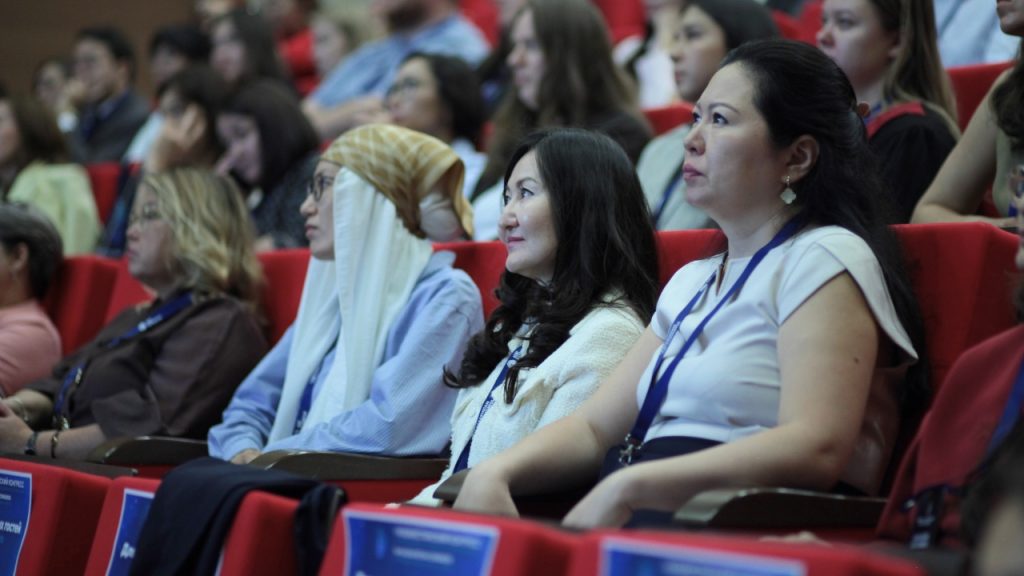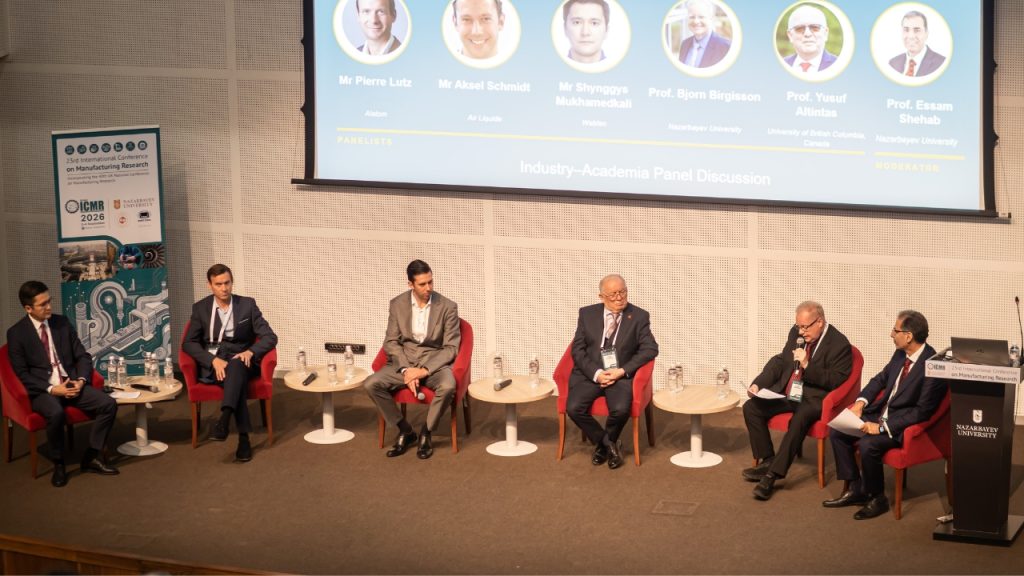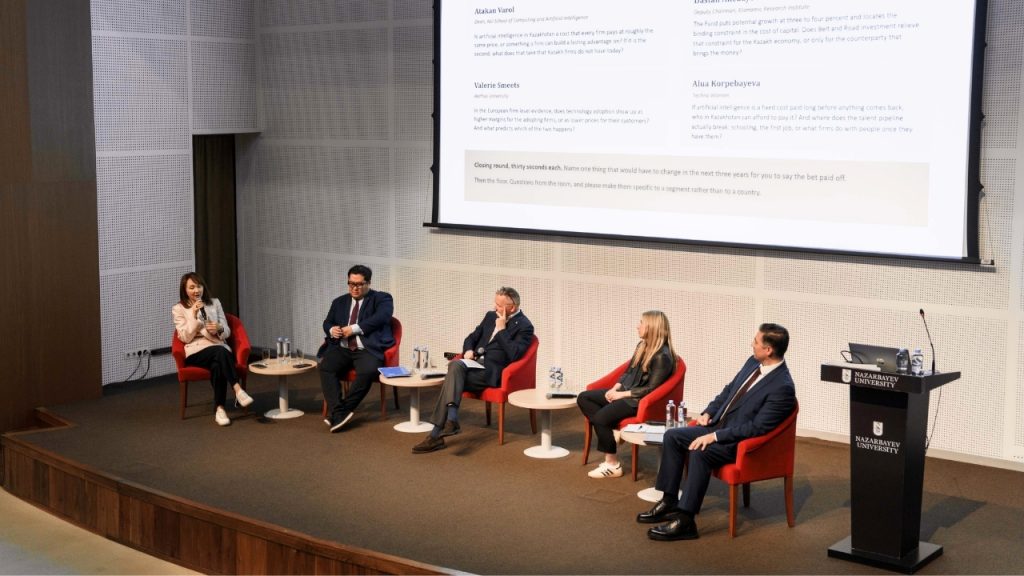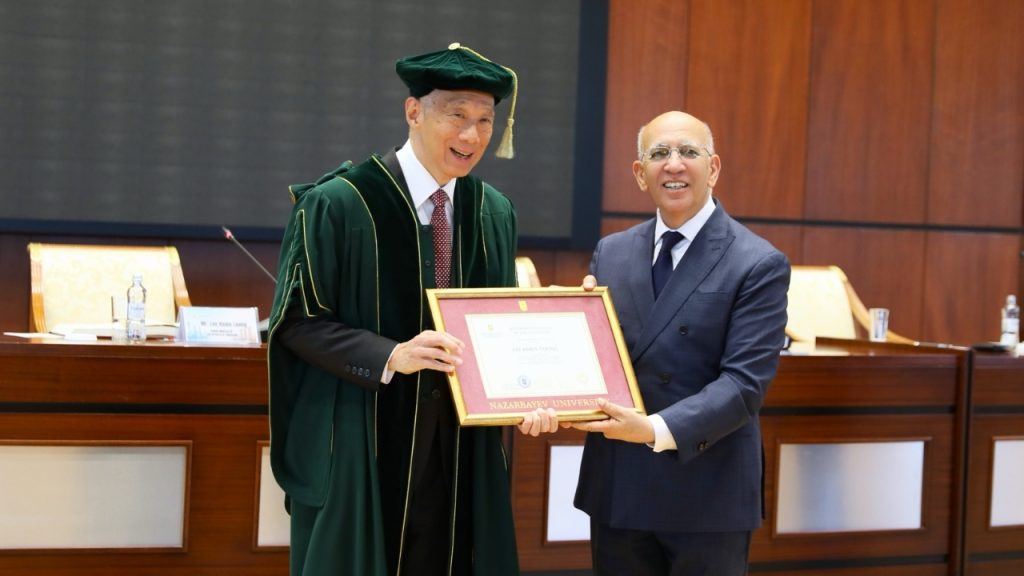
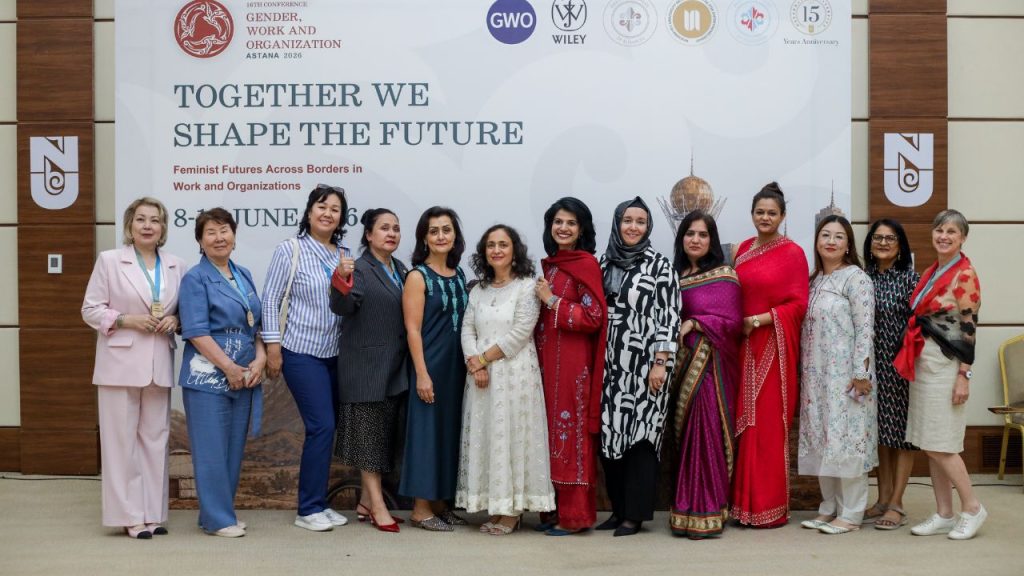
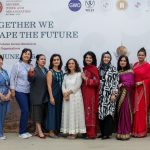
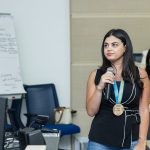
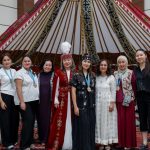
From June 8 to 10, Nazarbayev University hosted the 16th Gender, Work & Organization (GWO) 2026 international conference, bringing together scholars, practitioners, and representatives of the creative industries to discuss contemporary issues in gender studies and the organization of work. The event was organized by NU’s Research Centre for Entrepreneurship.
The theme of the 2026 conference, “Voices at the Margins: Rethinking Gender, Labor, and Belonging,” highlighted emerging viewpoints from underrepresented regions and communities. This year, Kazakhstan welcomed more than 400 participants from around the world, including over 20 leading international experts in gender studies. Key speakers included London School of Economics and Political Science professors Naila Kabeer and Lucinda Platt, as well as Pumla Dineo Gqola, professor at Nelson Mandela University, alongside other distinguished researchers.
“Hosting the Gender, Work & Organization international conference reflects our commitment to dialogue, inclusivity, and interdisciplinary collaboration. As a regional hub for knowledge exchange, Nazarbayev University currently supports more than 20 conferences and events spanning fields such as astrophysics, materials science and energy, intelligent systems and artificial intelligence, medical robotics and assistive technologies, as well as literature, education and development, gender, work, and society. Through these discussions, we are not only generating new knowledge but also building bridges across regions, cultures, and experiences,” said NU President Professor Waqar Ahmad in his welcoming remarks.
The GWO conference has been held since 1994, following the establishment of the academic journal Gender, Work & Organization. Over the years, it has become a major international platform for examining how gender relations shape labor processes, organizational structures, and broader social change.
The Editors-in-Chief of Gender, Work & Organization also emphasized the significance of holding the conference in Kazakhstan, noting that the country stands at the intersection of empires and ideas, nomadic traditions and socialist legacies, post-socialist transformations, and emerging global connections.
“Expanding engagement with scholars from the so-called Global South has been one of our key strategic priorities, and hosting this conference in Central Asia reflects that commitment. Until now, the region has remained underrepresented within GWO, and we hope this conference will help bring its perspectives more fully into our collective conversations,” they noted.
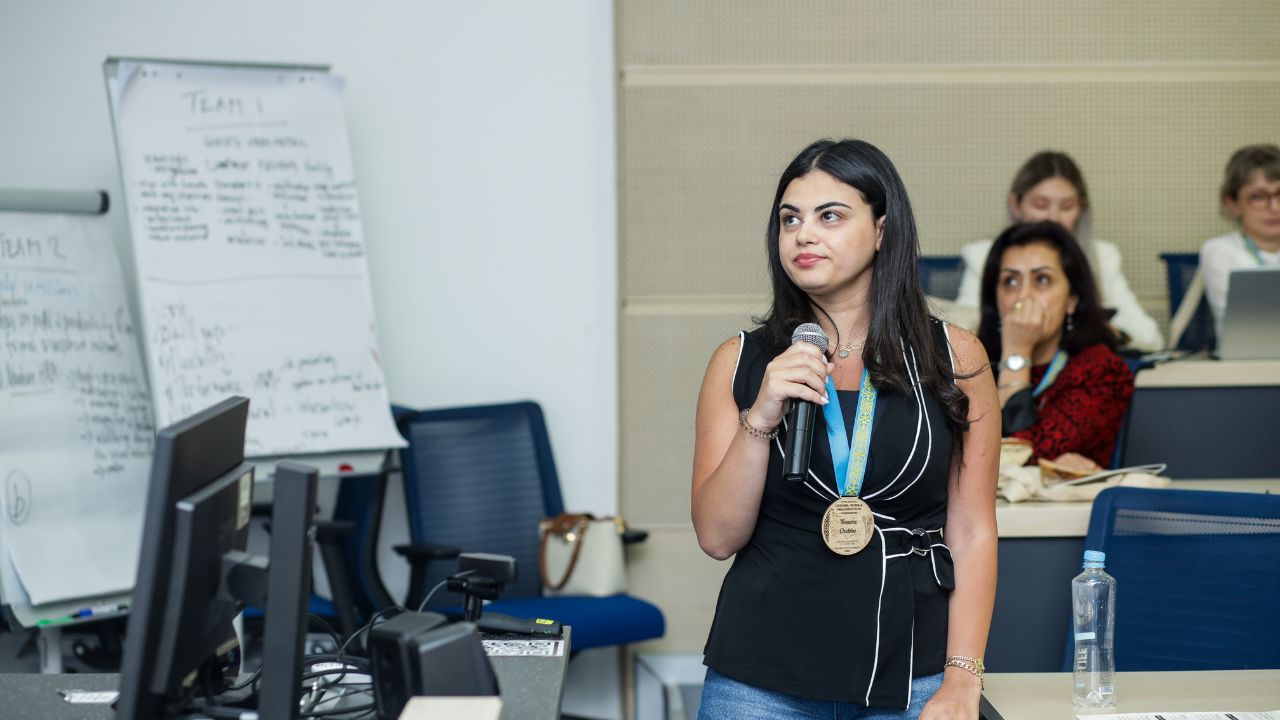
Over the course of three days, the conference featured 30 parallel thematic sessions dedicated to various aspects of the gender agenda, including education, motherhood, the experiences of Muslim women, workplace inequality, women’s migration, and other topics.
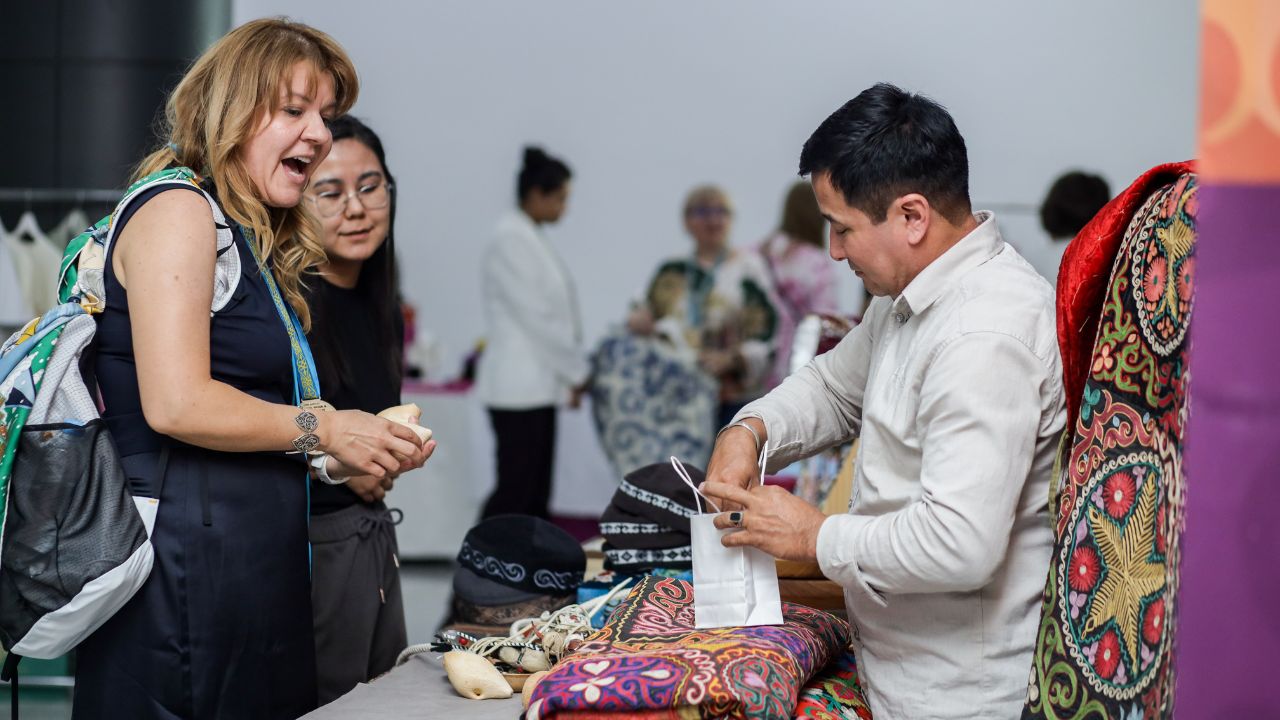
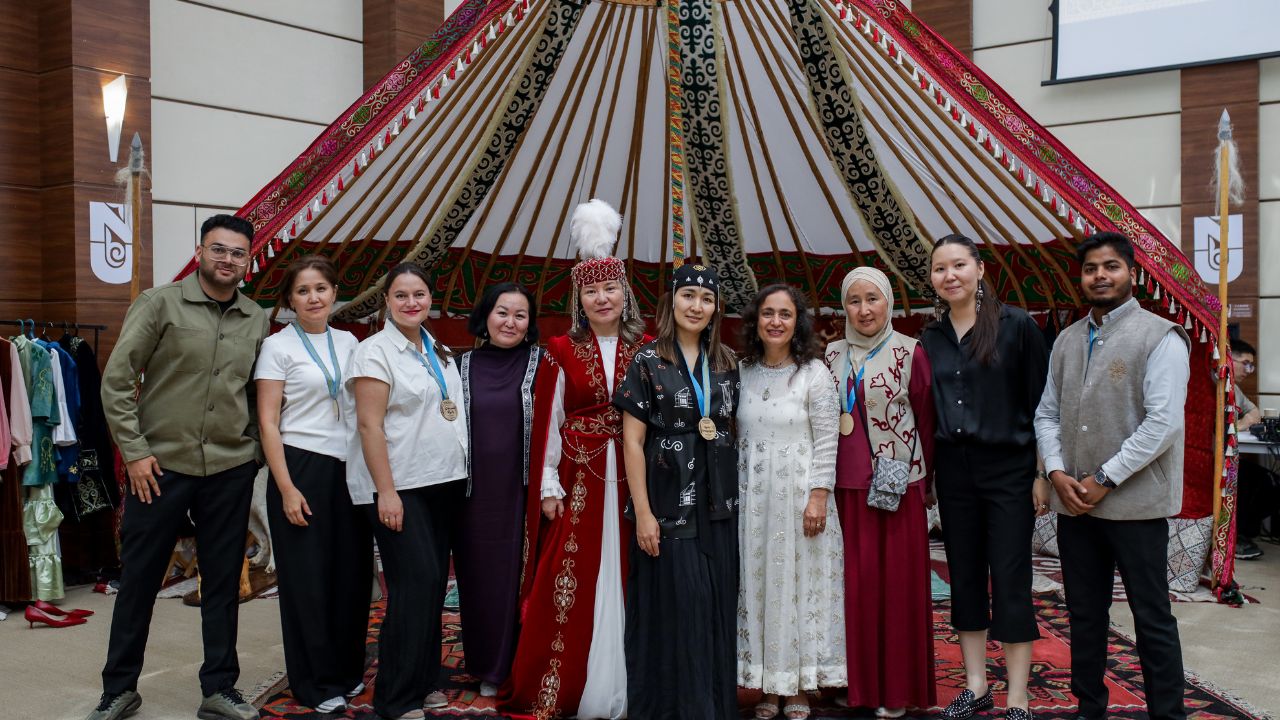
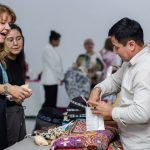
In addition, the conference hosted the Tamyr Bazar, where women entrepreneurs showcased traditional handicrafts and artisanal products. Participants also had the opportunity to attend workshops on national embroidery and traditional ornament drawing.