Prime Minister Olzhas Bektenov chaired a meeting of the Supreme Board of Trustees of Nazarbayev University (NU), Nazarbayev Intellectual Schools (NIS), and the Nazarbayev Fund.
During the meeting at NU Өnergy, reports on the institutions’ activities were presented and future development plans were reviewed.
A central item on the agenda was the consideration of the draft NU Long-Term Development Strategy for 2026–2031. The strategy is aimed at strengthening the university’s position as the country’s leading research and innovation center, expanding international cooperation, and commercializing scientific developments. The document outlines five key priorities: reforming higher education, advancing academic and research leadership, developing the academic healthcare system, and transferring research outcomes into industry.
Over the past year, the university has significantly strengthened its position in the global academic arena. In the Times Higher Education World University Rankings 2026, Nazarbayev University rose by approximately 100 positions and is currently ranked among the world’s top 401–500 universities.
The meeting also approved the 2025 implementation report on the NIS Development Strategy. It was noted that the schools continue to demonstrate strong academic performance: students consistently achieve leading results in national and international Olympiads and robotics competitions, while teachers excel in professional contests. NIS is also strengthening its international recognition, actively expanding the export of educational services and cooperation with international organizations, contributing to Kazakhstan’s positioning as a hub for advanced educational practices.
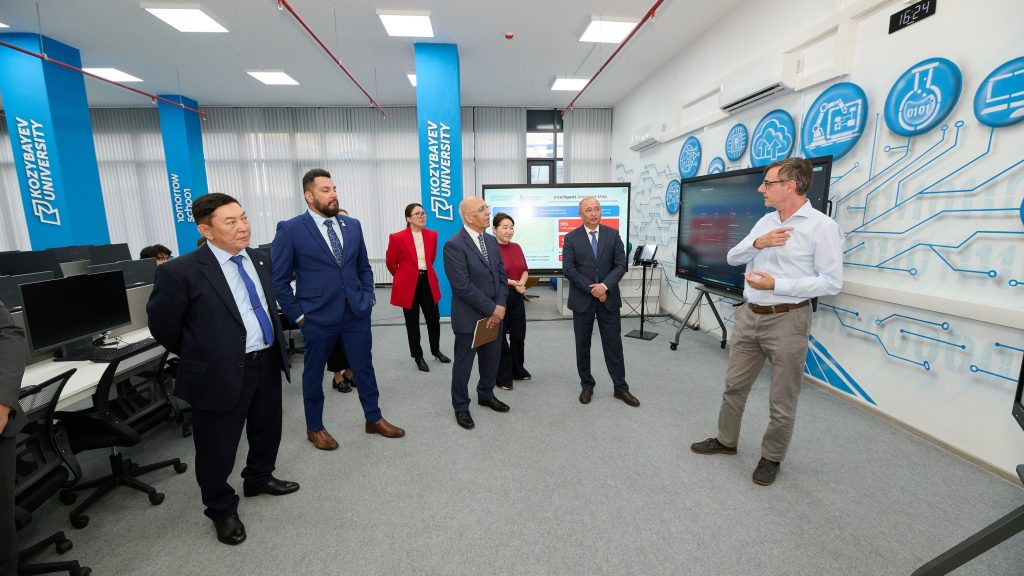
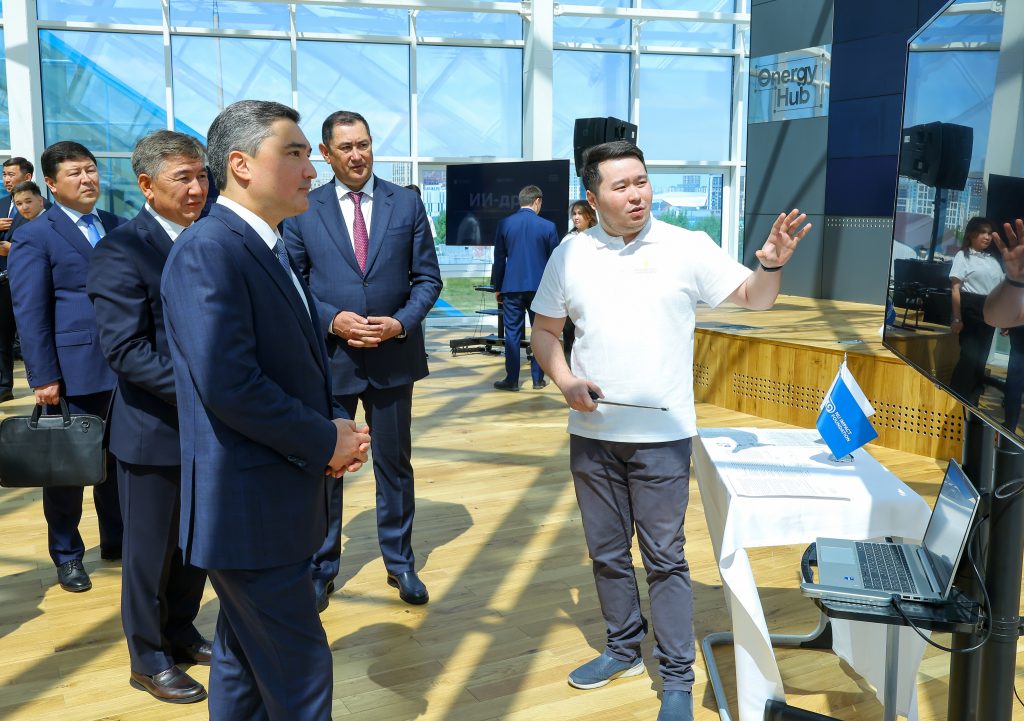
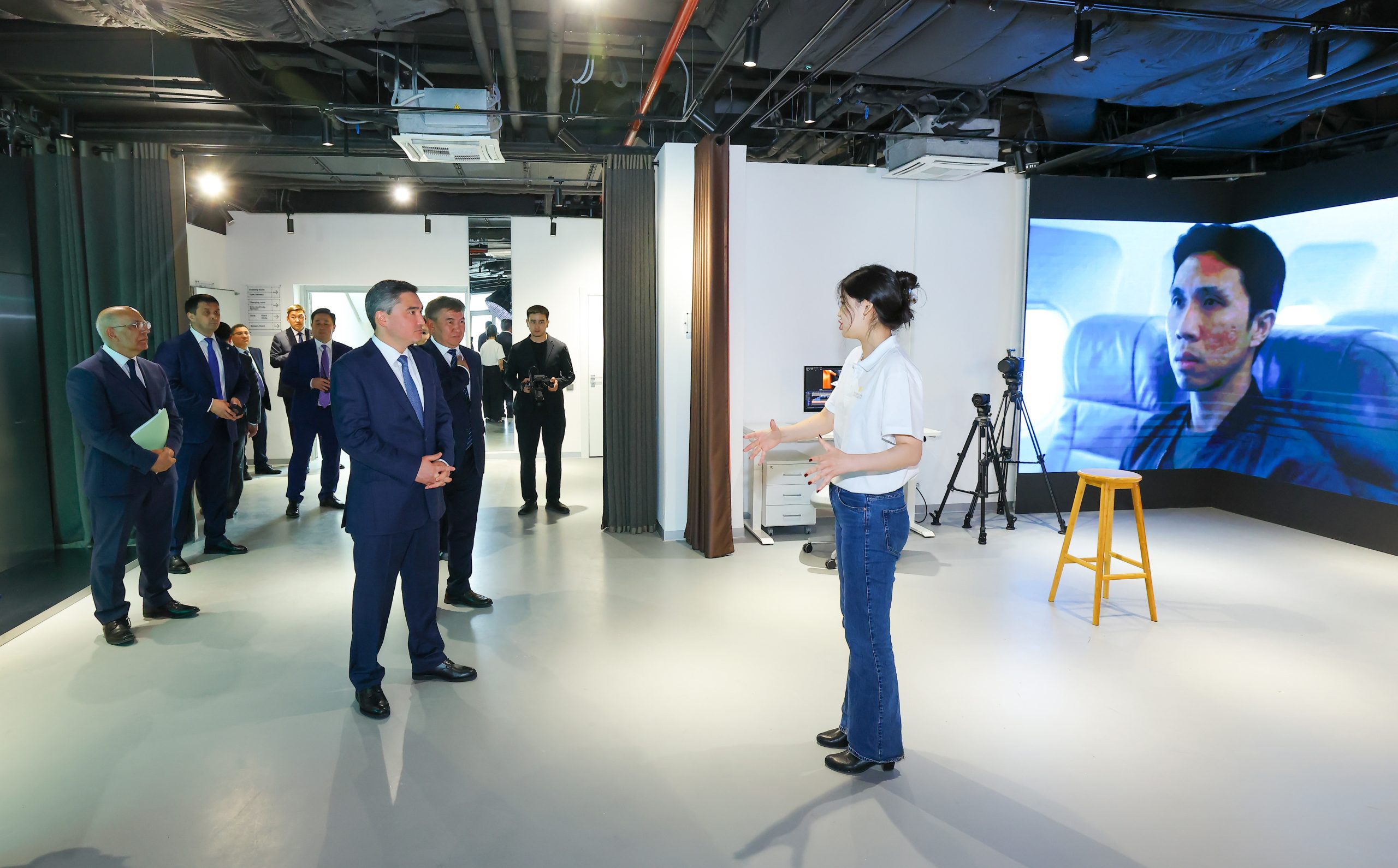
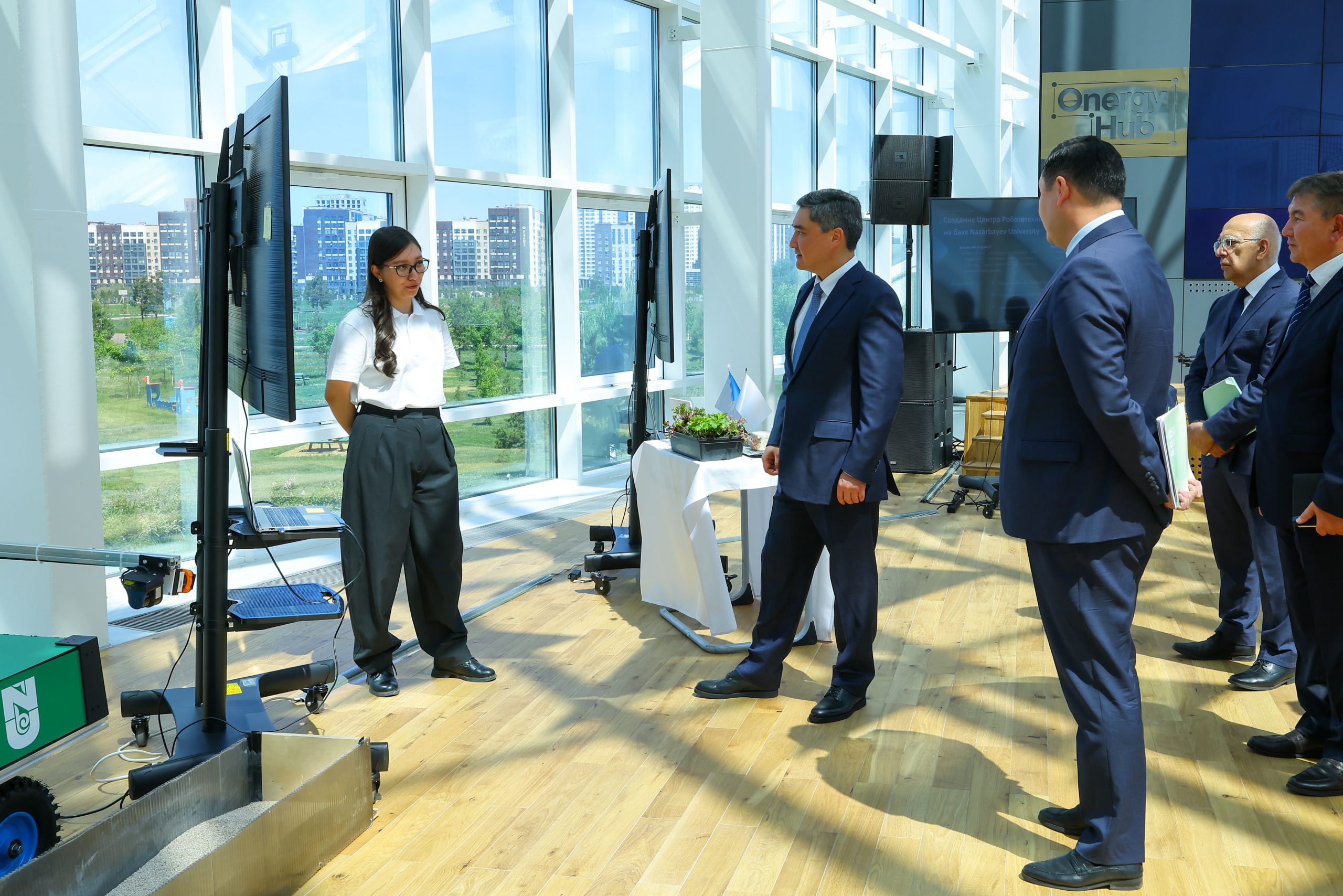
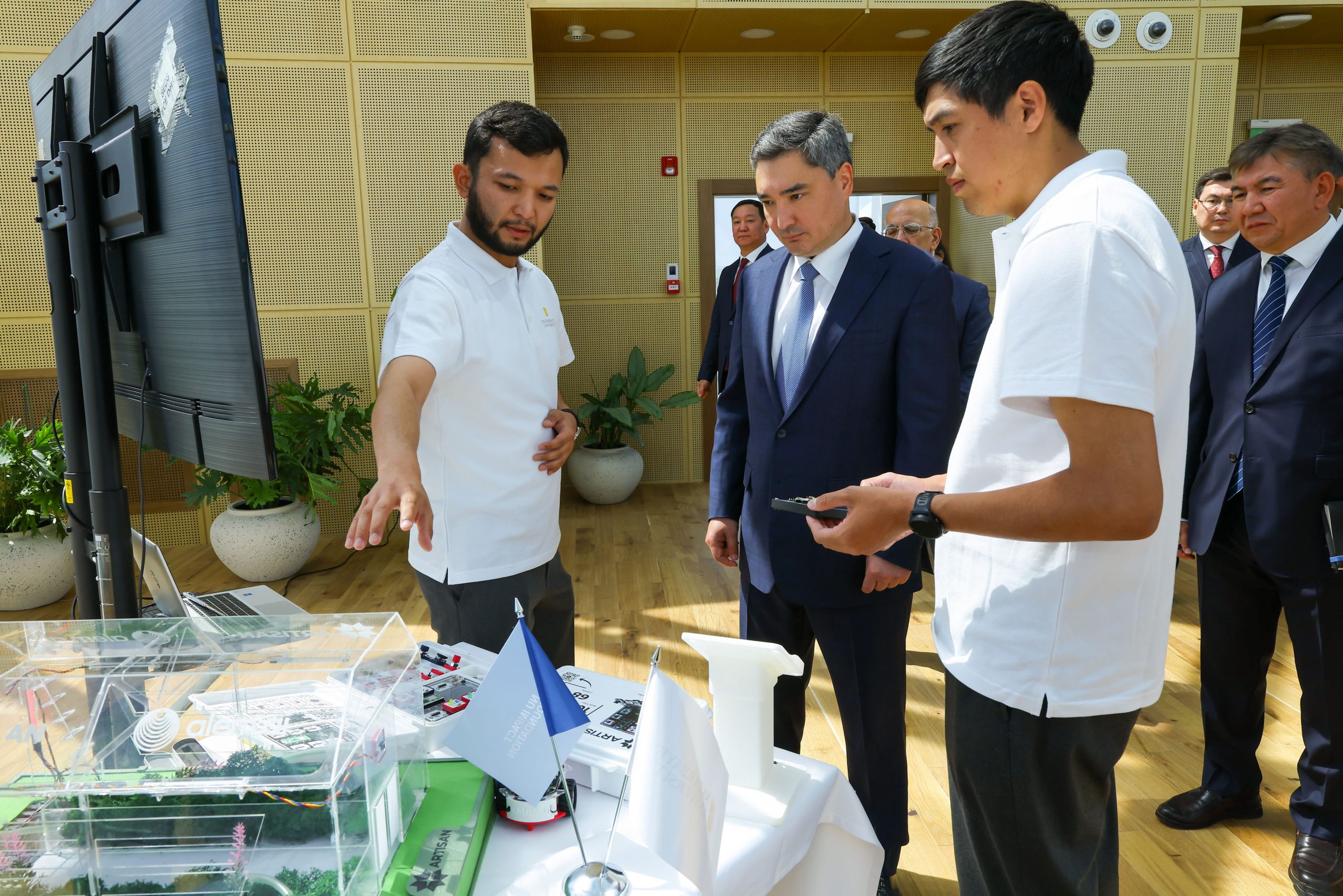
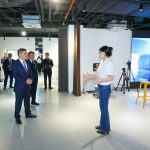
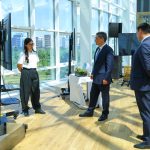
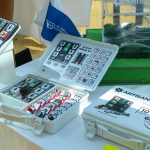
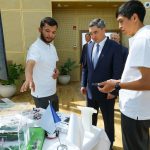
During a visit to the NU Өnergy Creative Hub the Prime Minister reviewed advanced scientific developments, startups, and high-tech projects in the fields of artificial intelligence, education, medicine, biotechnology, agriculture, sports technologies, and cultural heritage preservation.
The Head of Government was presented with a number of promising science-intensive projects, while particular attention was paid to the progress of projects previously showcased to the Prime Minister.
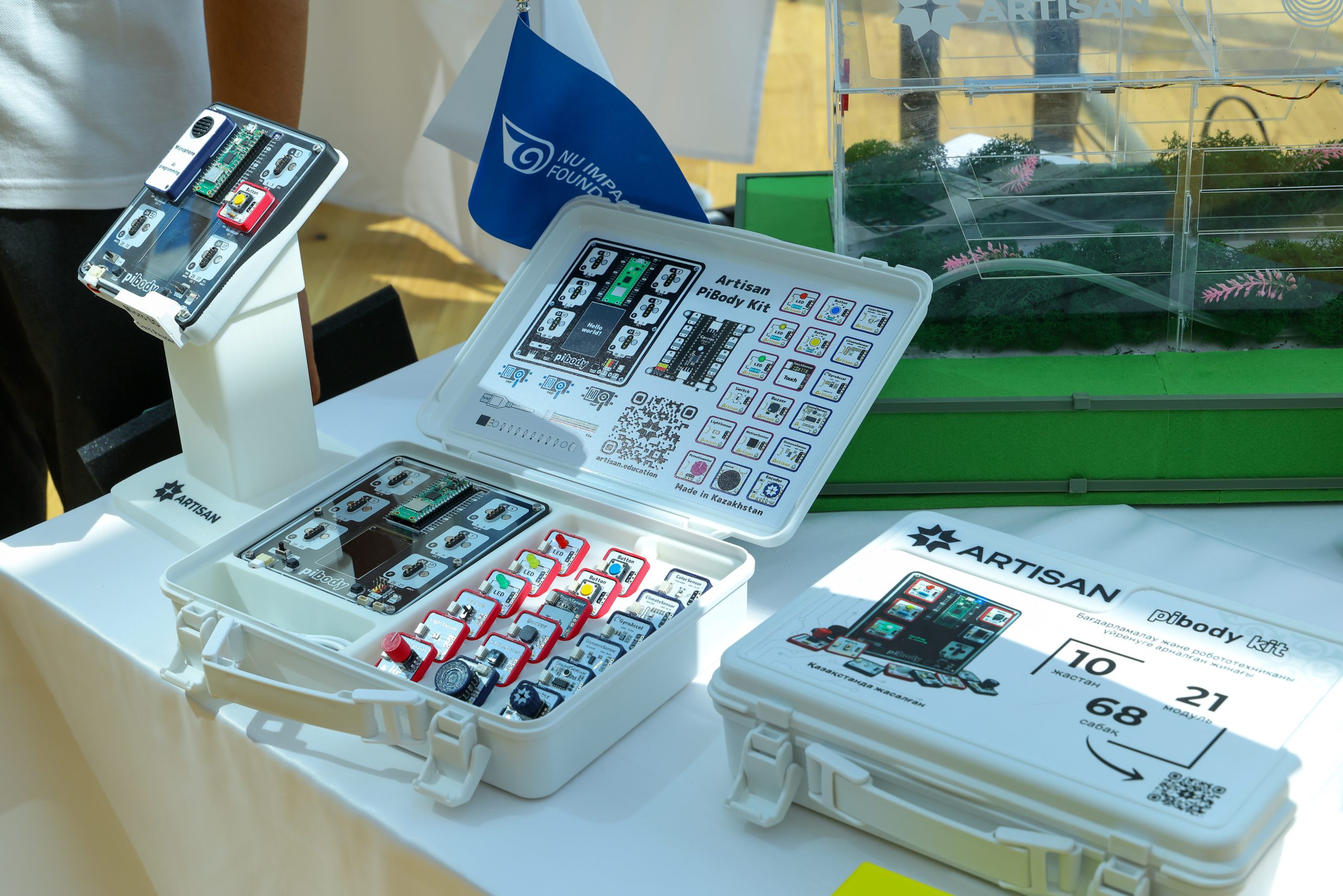
Among the featured initiatives was the Artisan Education platform, which has already reached more than 200 schools across Kazakhstan and is entering the markets of ten countries. Other projects included the Mirai Tech biomechanical athlete analysis system based on smart insoles, already working with Kazakhstani football clubs and currently piloting in Europe and the United States; and the A-GEAR medical exoskeleton, which has completed certification and entered commercial supply.
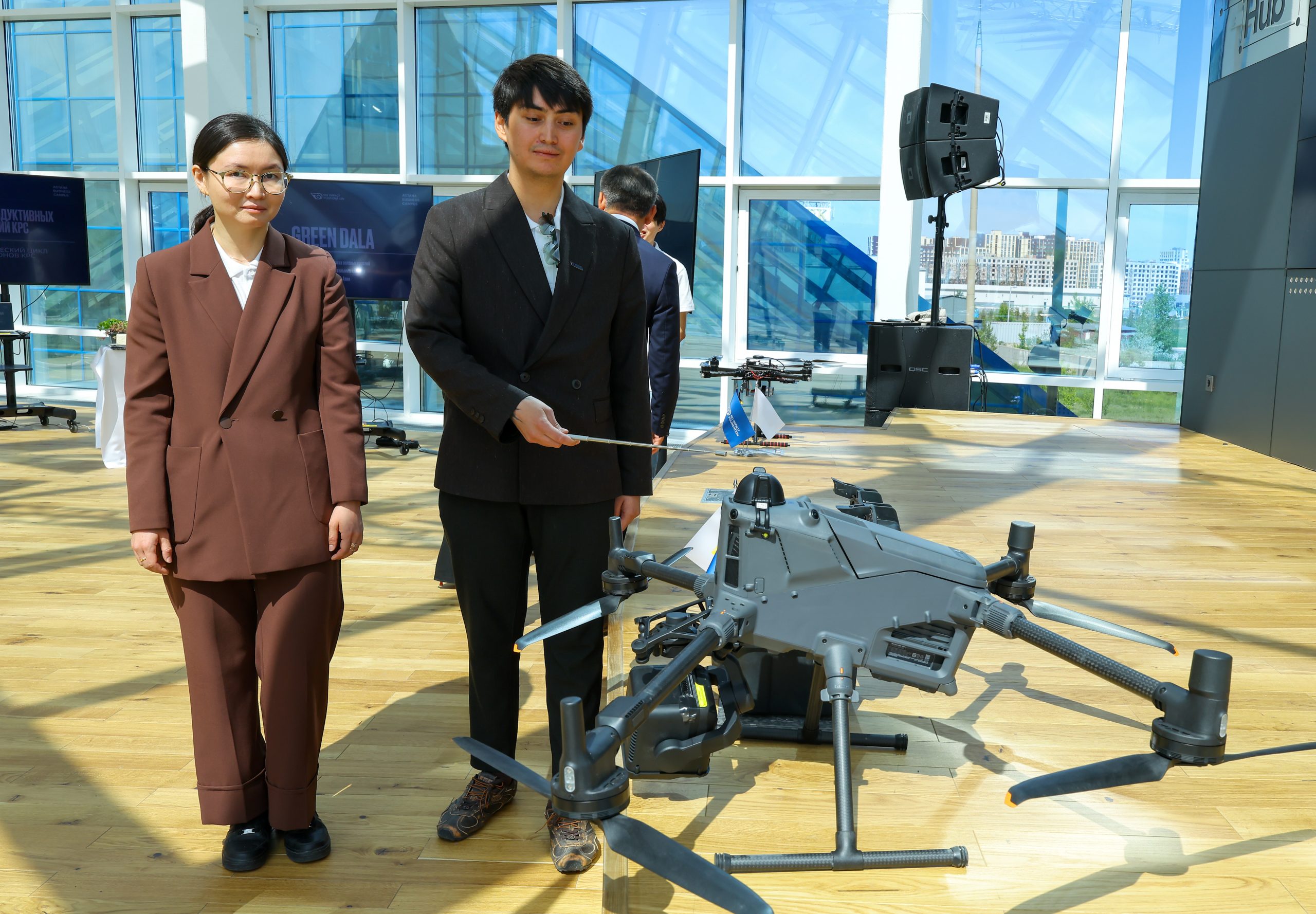
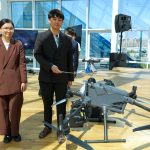
In the agricultural sector, presentations included BunkSense, the first AI-powered livestock feeding monitoring system in the CIS region, and the Cattle Reproductive Biotechnology Laboratory. The exhibition also featured an autonomous drone capable of operating in the Kazakh language without GPS or cloud connectivity, the Green Dala eco-project focused on urban greening infrastructure, and the National Program for Digital Documentation of Architectural Heritage using LiDAR and drone technologies.
Background Information (Progress of Previously Presented Projects):
The Artisan Education platform provides equal access to modern technological education for students from both rural and urban schools. Through its implementation in 2024–2025, a total of 3,252 students from 235 educational institutions across 10 regions of Kazakhstan completed training programs, with 68% of participants representing rural schools. According to the platform’s developers, the initiative has increased children’s interest in technology by 30%. New targets for 2026–2029 include expanding coverage to up to 90% of rural and small-class schools, as well as launching at least 10 technology startups.
Mirai Tech’s development in sports medicine is aimed at addressing the subjectivity of athlete selection and reducing injury risks caused by the gap between static test data and real-game workloads. As part of the project, smart insoles only 2 mm thick have been developed to capture objective indicators of movement, asymmetry, and athlete fatigue under real field conditions. The technology establishes a unified digital interaction framework for coaches and rehabilitation specialists. The solution is currently being tested in cooperation with several professional sports clubs.
The medical field also featured the A-Gear exoskeleton designed for effective gait rehabilitation of patients with musculoskeletal disorders. Production has already been established at the NU technopark. Efforts are currently underway to launch mass production and further integrate the exoskeleton into the healthcare system.
Arlan Biotech is an AI-powered antibody development platform generating antibody and nanobody sequences for cancer treatment. The technology accelerates the drug discovery process by more than 100 times and demonstrates a world-leading efficiency rate of approximately 30%. With Amazon’s support, an AI agent has been launched on servers in the United States, Europe, and the United Kingdom. The University has already obtained an academic license, while patent applications are underway in the United States. The first commercial contract worth approximately $1 million is expected in 2026. Plans are also in place to establish a pharmaceutical laboratory at the University.
Background Information (New Projects):
A Digital Archive of Historical Monuments was presented as a national digital heritage platform utilizing high-precision LiDAR scanning and 3D archiving technologies. The project has already digitized a number of sacred and historical sites, including the Mausoleum of Khoja Ahmed Yasawi, the underground mosques of Shopan-Ata and Beket-Ata, the Tamgaly petroglyphs, as well as burial mounds and ancient settlements in the Zhambyl, Almaty, and Mangystau regions. The platform envisions the creation of digital replicas of museums, monuments, and archaeological sites using VR/AR solutions, the development of 3D mapping projects and educational programs, as well as the establishment of Kazakhstan’s own market for digital expertise in cultural heritage preservation.
Solutions in the field of intelligent monitoring and security systems were also introduced. The autonomous Drone AI project with AVLM (Audio-Vision-Language) control was developed based on Kazakhstan’s Qolda technology and is aimed at advancing intelligent monitoring and emergency response systems. The technology enables the system to recognize images, text, and audio in the Kazakh language without relying on cloud services or data centers. The solution is expected to be applied in the areas of security, monitoring, and emergency response.
Green Dala biotechnology solutions for urban infrastructure were developed under the Biodesign Lab initiative. The project introduced “Green Roof” technology adapted to the sharply continental climate of Central Asia. The initiative aims to address the urban heat island effect in Astana, where the population is expected to increase by one million people and 4.8 million square meters of housing are projected to be commissioned by 2030. Green roofs reduce roof surface temperatures by 20–35°C, decrease building energy consumption by 15%, lower noise levels by 8 dB, and extend roof lifespan by two to three times.
In the agro-industrial sector, a Сattle reproductive biotechnology laboratory was presented to strengthen the country’s food security by establishing a full technological cycle for producing highly productive cattle embryos. Kazakhstan’s current cattle reproduction rate stands at only 60–65%, while annual losses from diseases reach 15%. By 2030, the project is expected to produce 5,000–8,000 embryos annually, ensuring the birth of up to 75,000 elite calves each year. The projected economic impact includes an increase of up to 150,000 tons of milk or 20,000 tons of meat annually, savings of over $3 million on imported breeding materials, and growth in value added within the agro-industrial sector by 25–40 billion tenge.
Another solution for the agro-industrial sector is the BunkSense system for autonomous AI-based monitoring of feed residues at feedlots, aimed at improving the efficiency of beef cattle farming. The technology enables real-time analysis of feed bunk conditions, reduces feed waste, and minimizes human error. Currently, livestock specialists estimate feed residues visually, with inaccuracies of up to 10% and daily walking distances of up to 15 km, leading to feed overconsumption and losses of up to 7% in cattle weight gain. BunkSense utilizes Intel RealSense RGB-D cameras and AI-powered 3D segmentation models to scan feed bunks and create a unified digital twin of the feedlot in real time. The technology can save up to 100 million tenge annually on feed costs for a 10,000-head cattle operation while increasing livestock weight gain by up to 7%.
The FoodLab Onergy Creative Hub operates with scientific support from the NU School of Medicine. The laboratory includes metabolic, sensory, and 3D-printing divisions, as well as the experimental gastronomy platform FoodLab implementing the “Culinary as Medicine” concept. A pilot project on personalized perioperative nutrition in hospitals based on international ESPEN and ERAS protocols was presented. The introduction of national nutrition programs and dietary recommendations is expected to significantly reduce the burden of non-communicable diseases and generate substantial savings for the healthcare system.