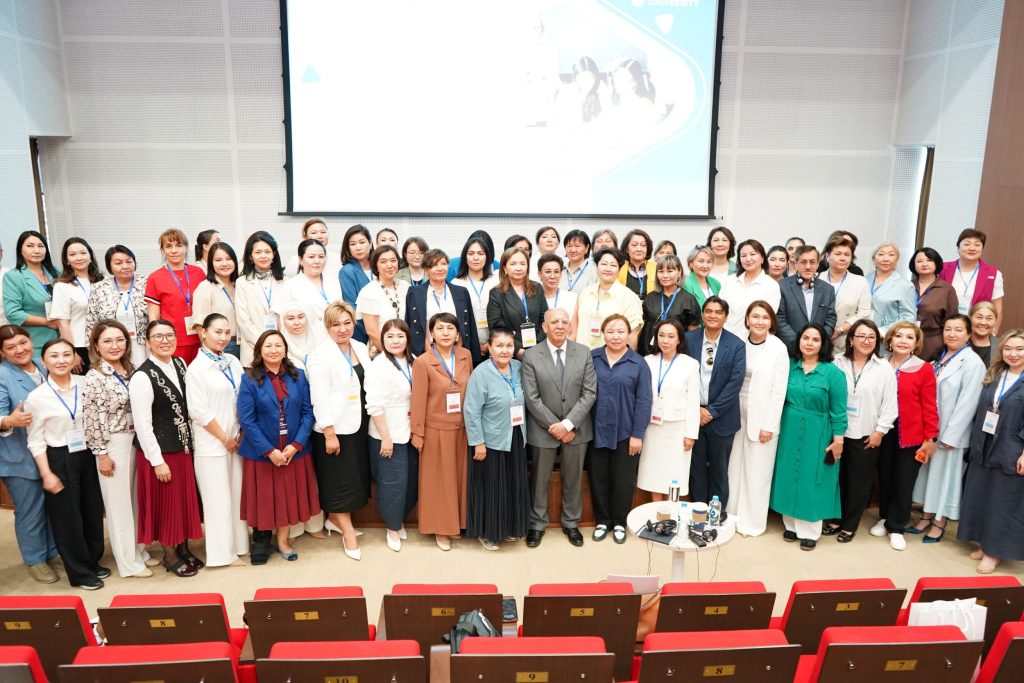
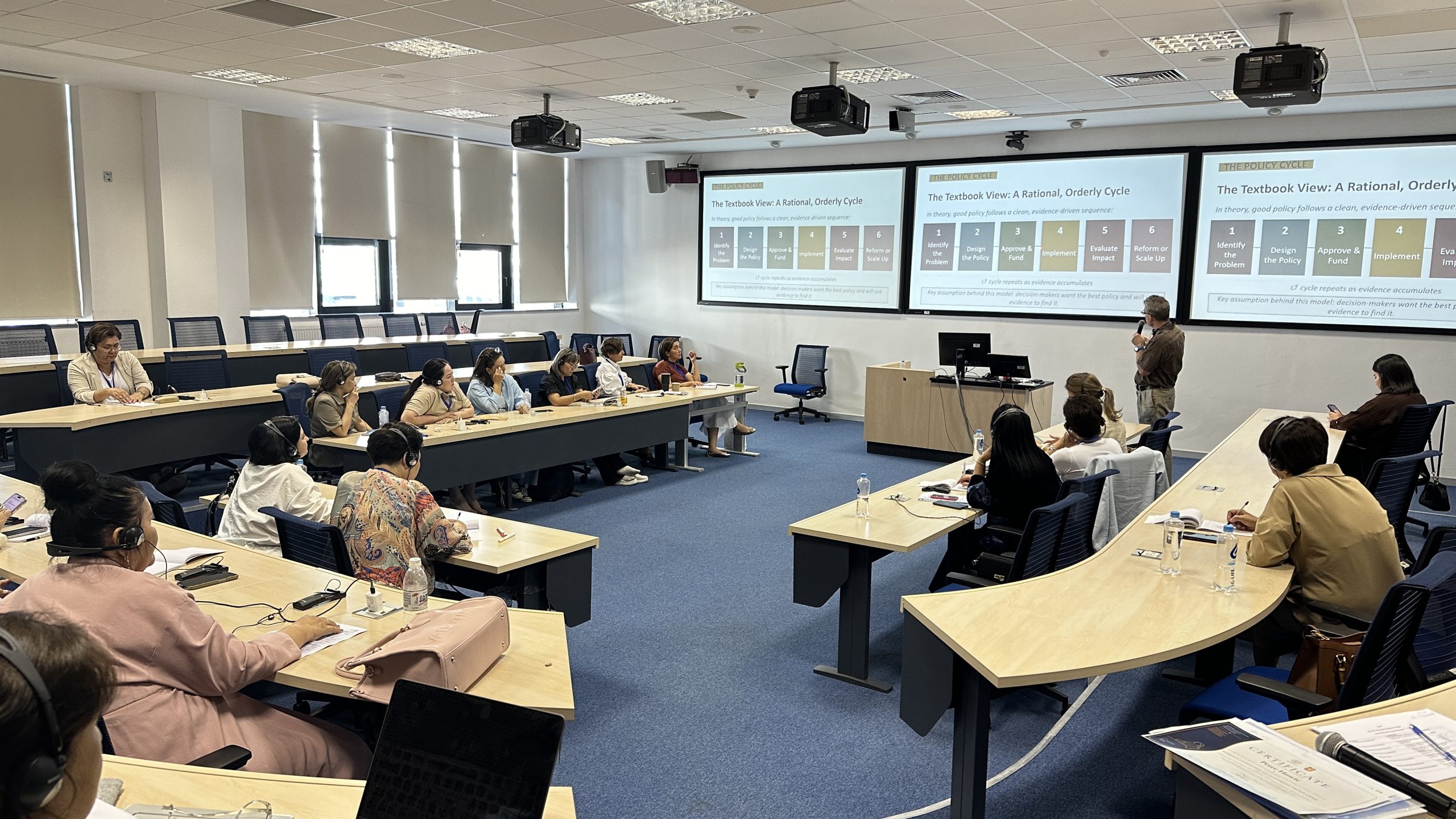
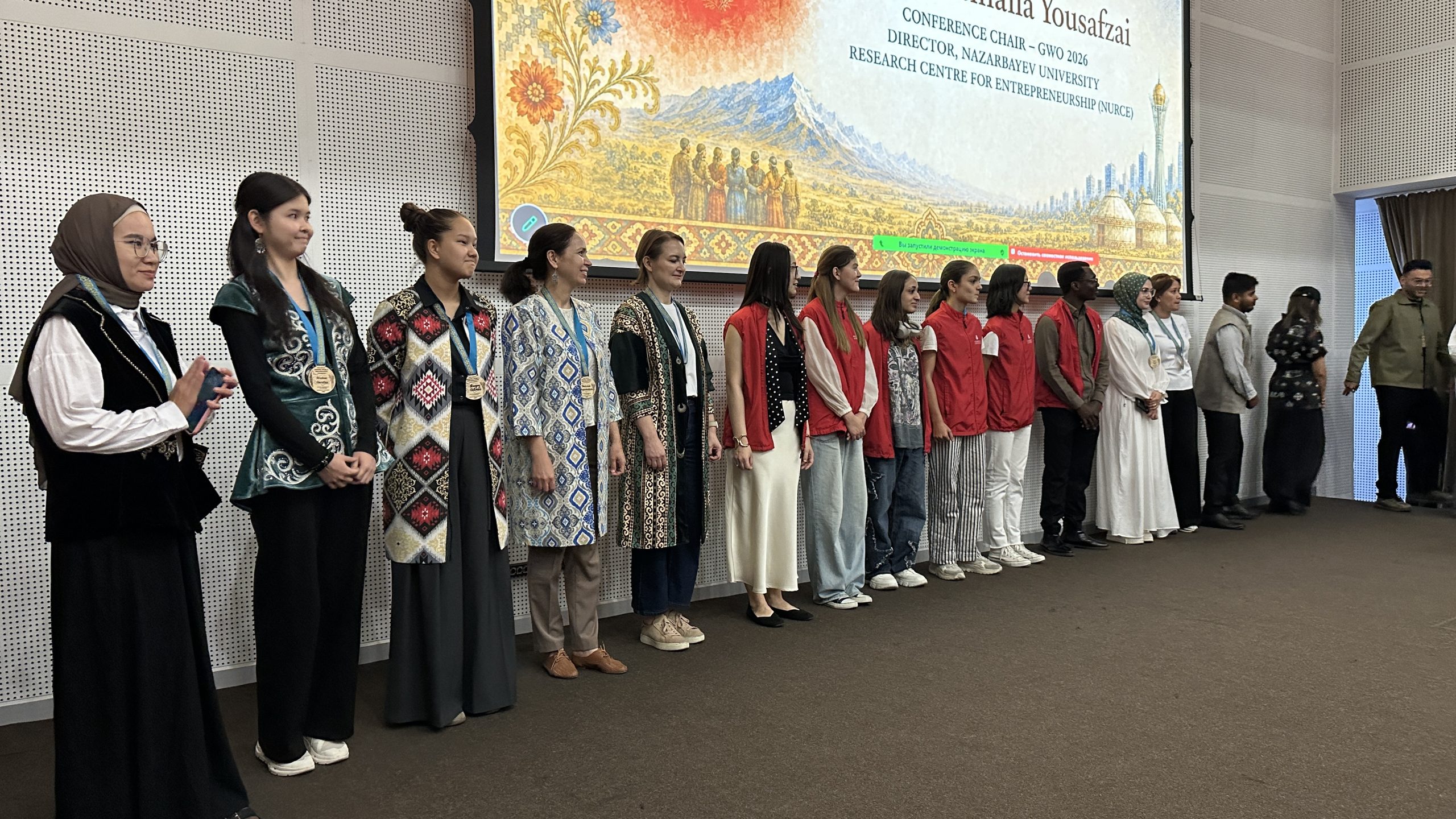
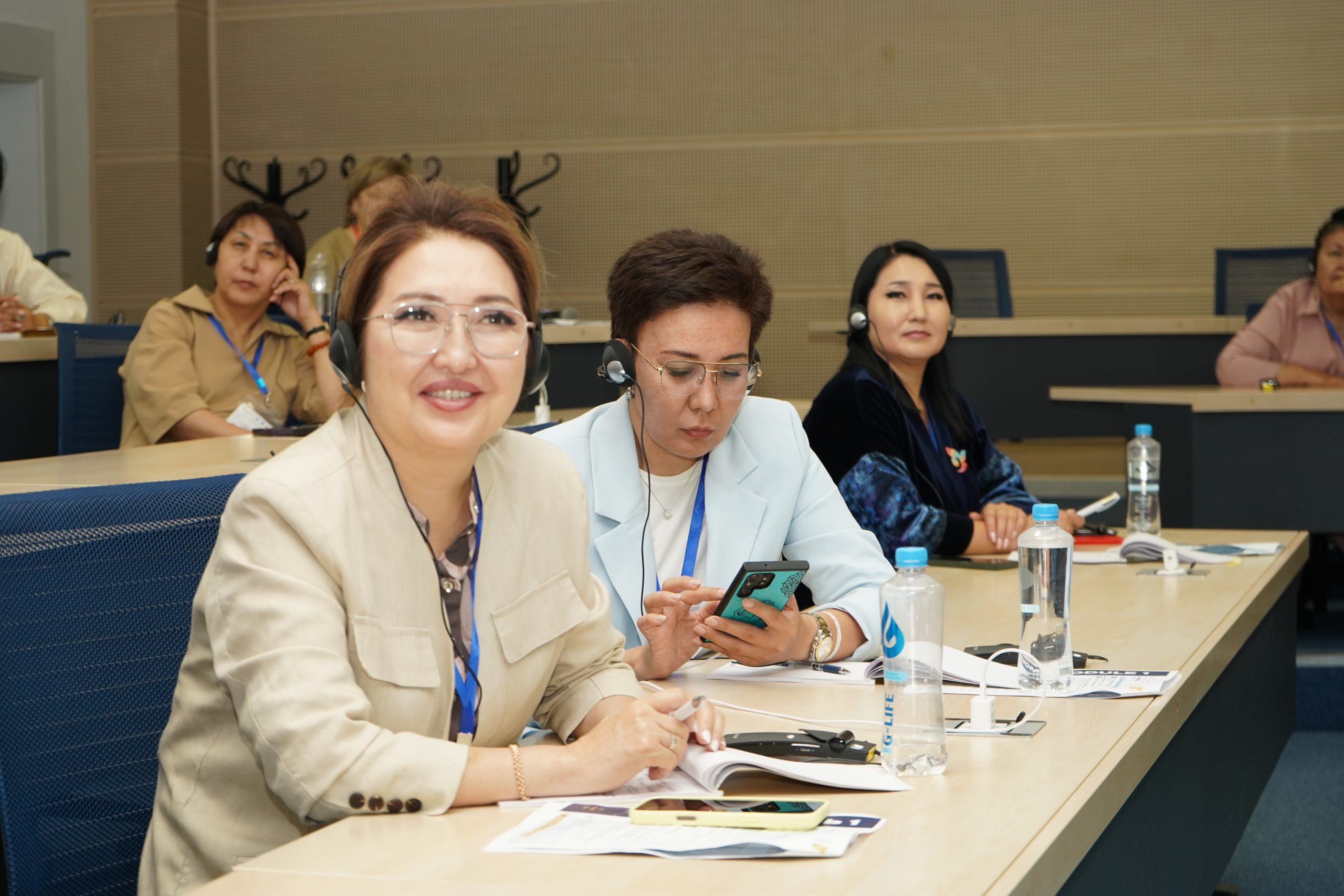

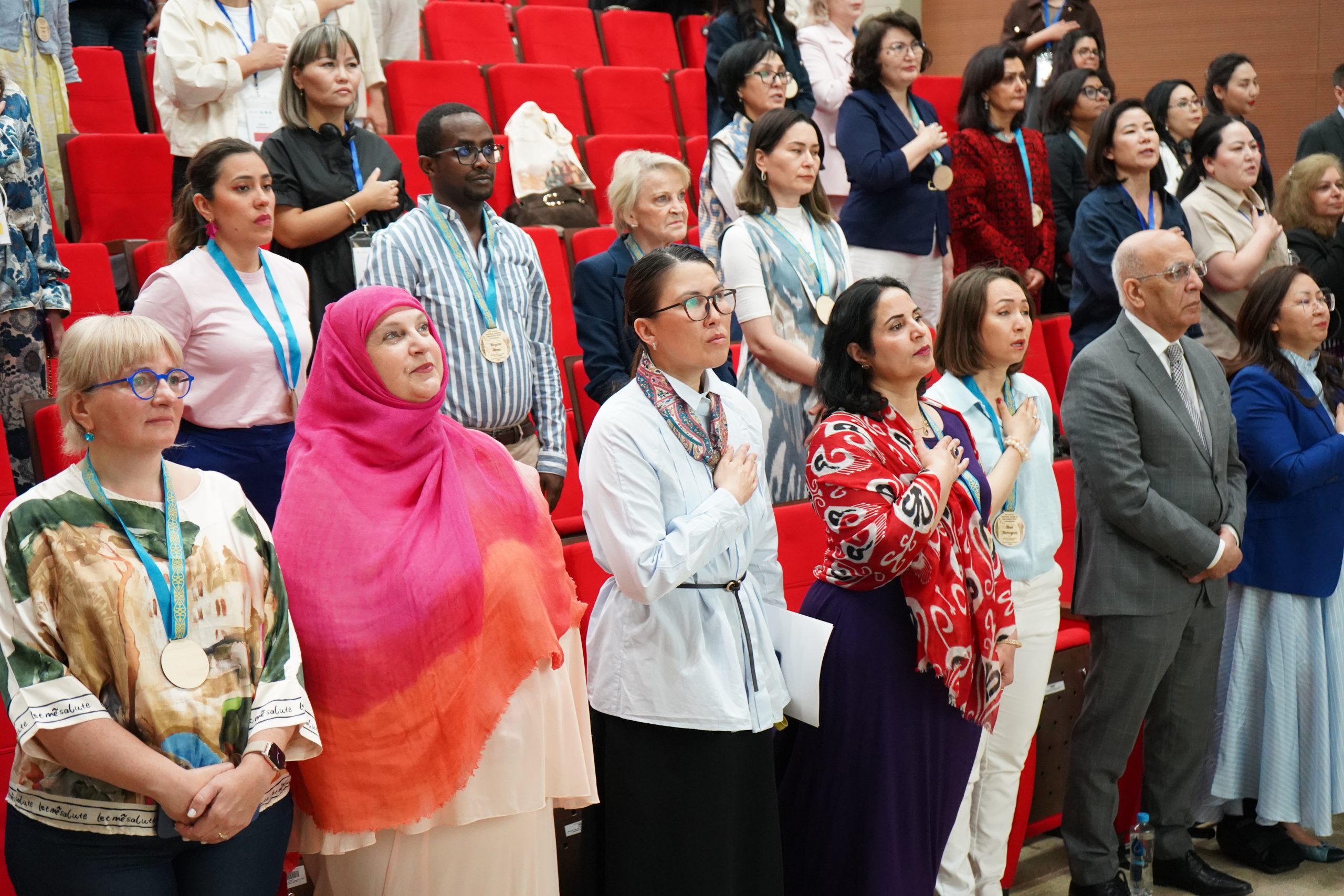



Nazarbayev University (NU) announces the launch of the Women Leadership Development Programme (WLDP), a new executive education initiative aimed at strengthening the leadership capacity of women in Kazakhstan and supporting the development of a sustainable pipeline of leaders across key sectors of society.
The programme is designed for women leaders and emerging professionals working in higher education and science, public administration and policy, business and entrepreneurship, as well as in non-governmental and regional organizations focused on human capital and leadership development.
Speaking at the launch, NU President Waqar Ahmad addresses current challenges with increasing the representation of women in technical and scientific academic fields.
“We are a technical university and it is very difficult to hire women as professors in areas such as physics, chemistry, mathematics, engineering and so on. Our hope is that as our own graduates go on to do Masters and PhDs in these fields, we will hire more of them back here. I have seen recently a few universities going to hire faculty and they are advertising for only female applicants. It is something that we want to experiment with. So, this is a start.”
Vice-President Gulmira Qanay highlights on the programme outcomes:
“This is an opportunity for career advancement, which we will pilot for our female staff members at NU. For participants from business and public policy, the initiative will enable networking and institutional collaboration, drawing on international best practices. This is particularly timely in the context of the upcoming electoral cycle for the National Kurultai, where new avenues for civic participation and leadership are expected.”
The programme plans to support career mobility across sectors, including transitions from business into public policy, as well as broader shifts in leadership trajectories shaped by participants’ evolving professional goals.
NU Provost Rehan Sadiq shared insight from his experience in engineering education, noting that women make up about 17% of the engineering profession in Canada, compared to approximately 52% in civil engineering at NU, highlighting significant differences in gender representation across contexts. He emphasized that while progress exists, increasing women’s participation in STEM fields remains a long-term priority globally.
Chairperson of the Kazakhstan Institute of Social Development Zhuldyzai Iskakova noted that women account for around 48% of small and medium-sized business ownership in Kazakhstan and about 55% in individual entrepreneurship, but remain underrepresented in political leadership, with parliamentary representation at approximately 17–18%. She added that Kazakhstan performs relatively strongly in the region but has declined to 92nd place in the Global Gender Gap Index, mainly due to faster progress in other countries, and emphasized that political representation remains the key structural challenge.
The WLDP is positioned as a long-term investment in human capital development, aimed at equipping participants with advanced competencies in leadership, strategic management, decision-making, negotiation, and organizational transformation.
WLDP is jointly developed by the Graduate School of Education, the Graduate School of Public Policy, and the Graduate School of Business at NU, in partnership with the National Commission on Women and Family-Demographic Policy under the President of the Republic of Kazakhstan.
The initiative will bring together more than 80 participants selected through a competitive process. It is delivered in a blended learning format and comprises 120 hours of training, combining academic instruction, applied leadership development, mentoring, cross-sector networking, and a final Capstone Leadership Project. The programme has been launched on 6-8 June, 2026.