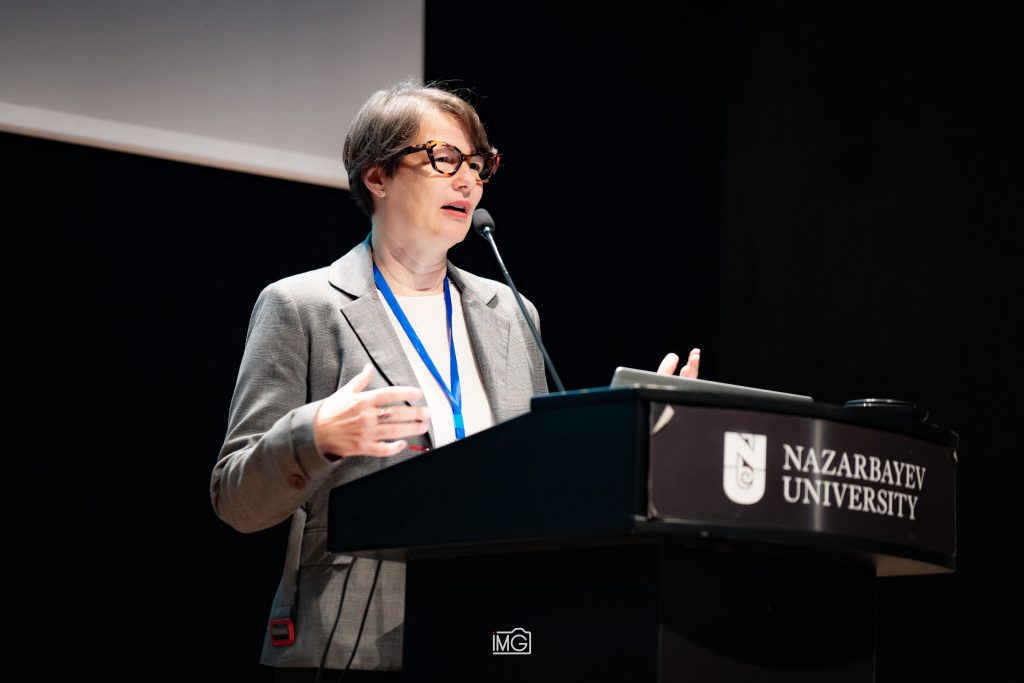
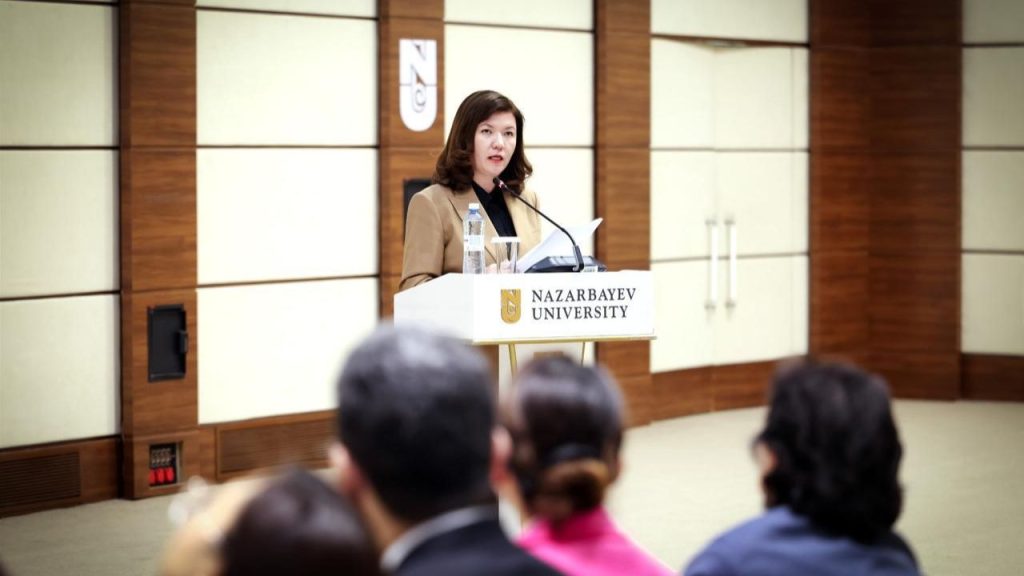
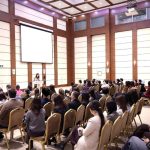
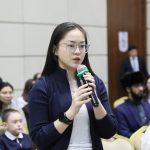

The Minister of Education of Kazakhstan, Zhuldyz Suleimenova, delivered a guest lecture at Nazarbayev University at the invitation of the university’s graduate students. The lecture was titled “Educating for the AI era: How artificial intelligence is transforming education”
At the beginning of her remarks, the minister emphasized that the country’s greatest asset is human capital.
“Our future wealth lies not in the metals beneath the ground, but in a literate, educated, value-oriented, and patriotic young generation. Students entering the first grade this year will graduate from school only in 2037. What will the labor market look like by then? What values, academic knowledge, and competencies will be in demand? Today we cannot provide exact answers to these questions. However, the rapid development of artificial intelligence is already opening new horizons. Today, here at NU, we have gathered to discuss the most pressing issues related to the development of human capital and public policy,” the minister noted in her opening remarks.
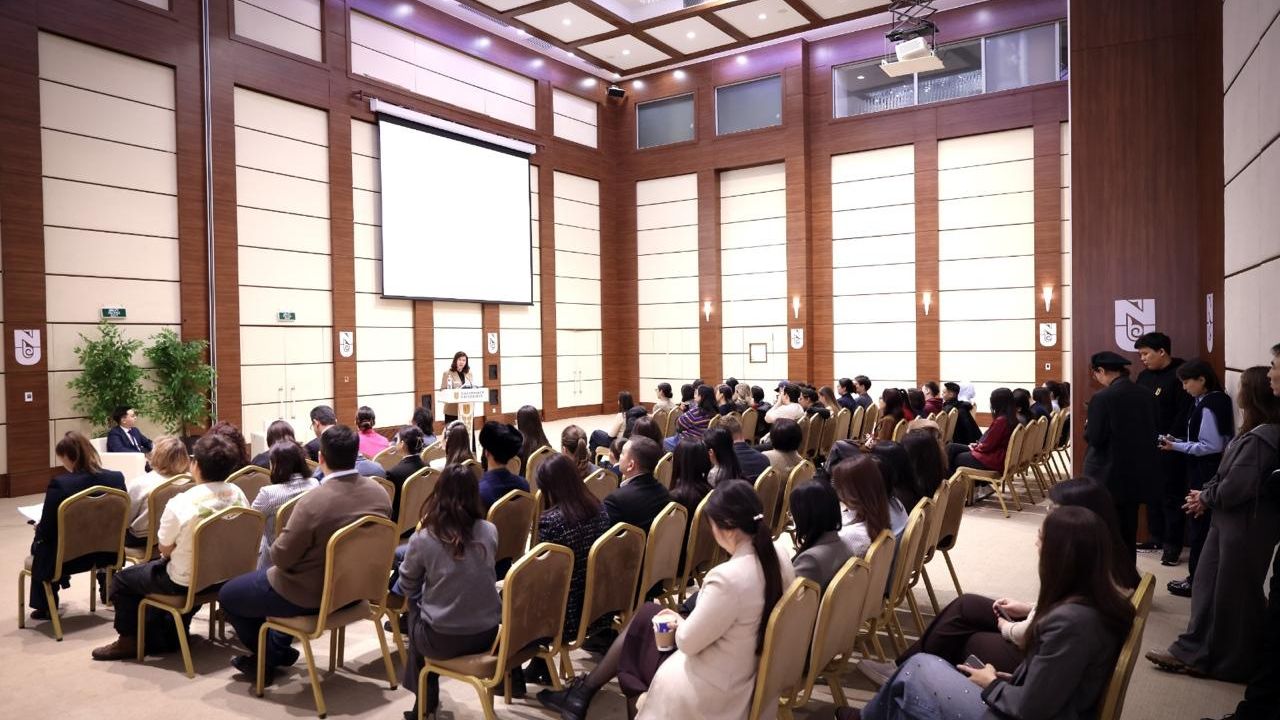
The event brought together students and faculty members whose professional work is connected with the field of education. During the lecture, the minister presented key priorities of the Ministry of Education aimed at developing Kazakhstan’s preschool and school education system.
“Artificial intelligence and digital technologies have the potential to increase the productivity of education systems by 10–15% by 2030 through the automation of routine tasks, the analysis of educational data, and the personalization of learning. Schools are no longer solely places for transferring knowledge; they are becoming spaces for developing competencies essential for the digital economy, including critical thinking, project-based learning, and information literacy,” Zhuldyz Suleimenova said.
According to her, artificial intelligence will become a key platform for the emergence of new professions, the transformation of the labor market structure, and the development of digital competencies among people of all generations.
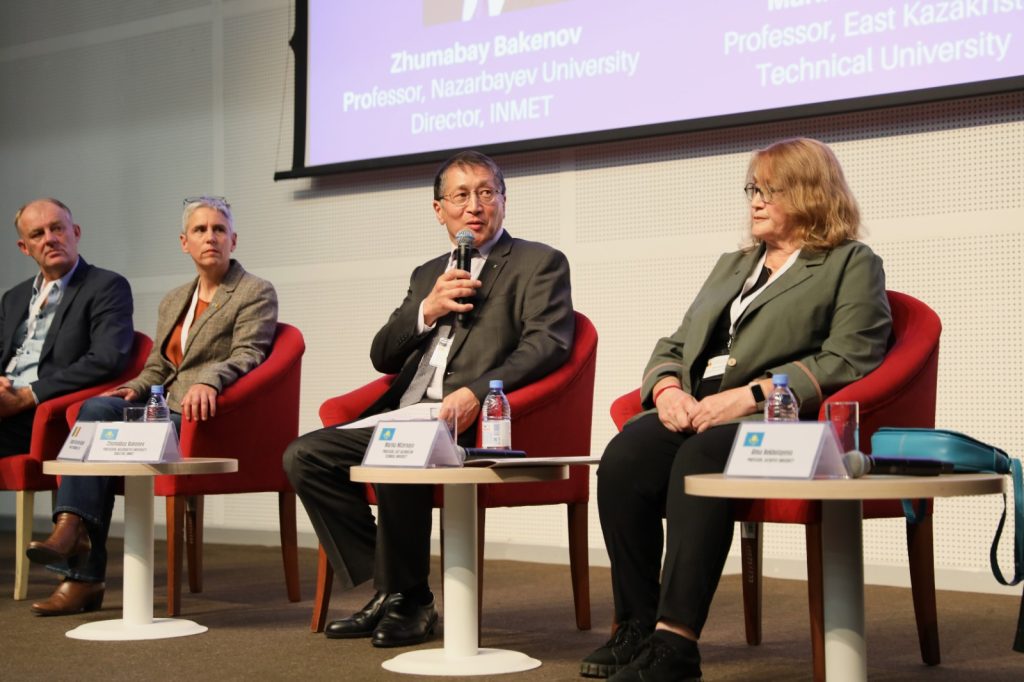
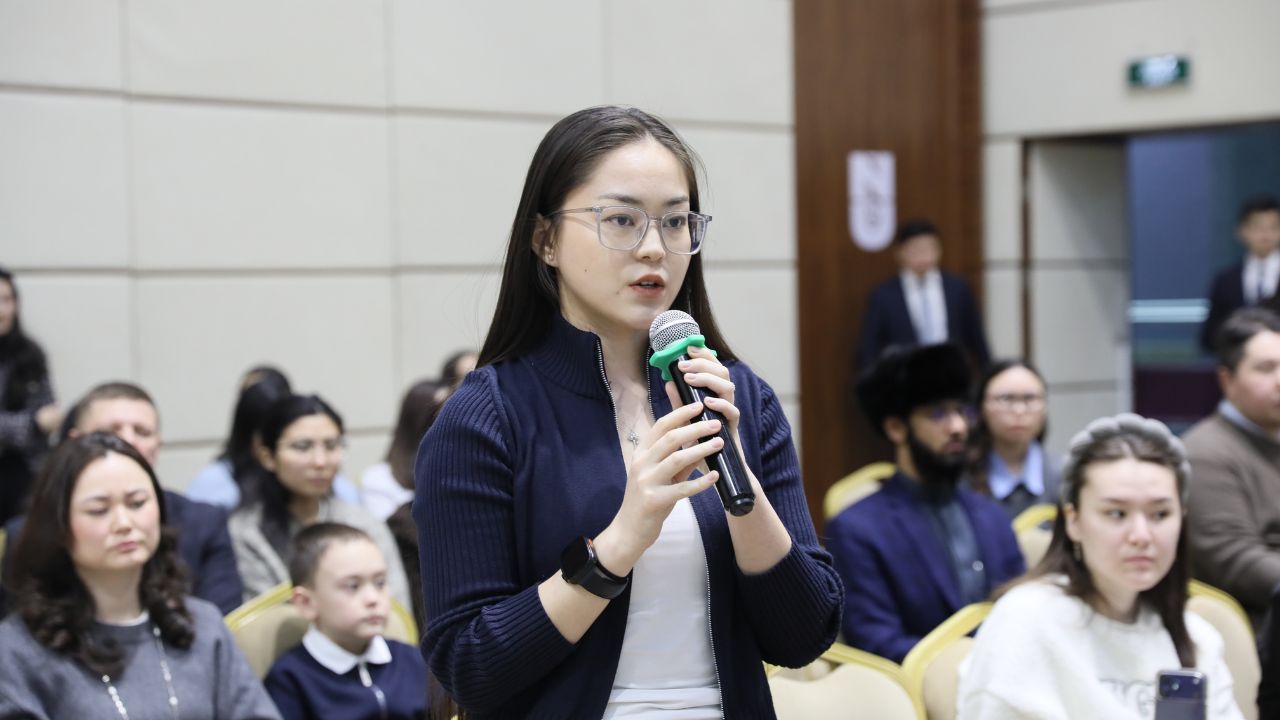
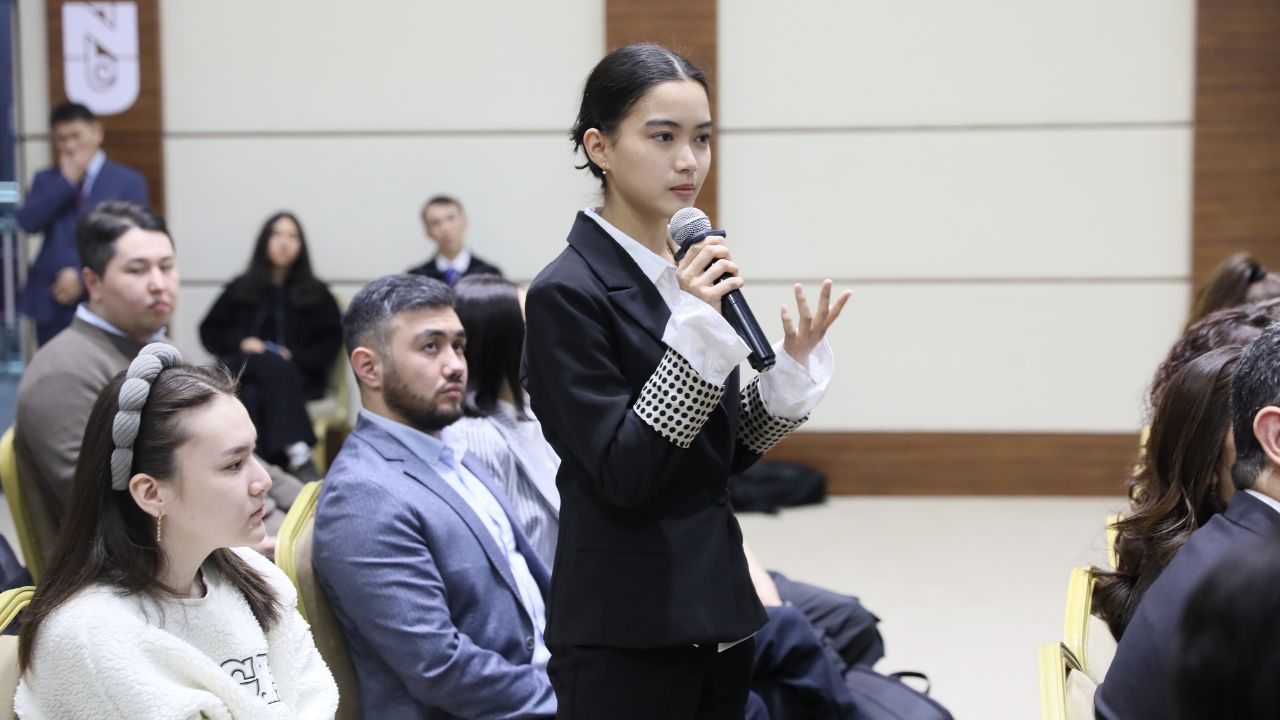
Following the lecture, participants had the opportunity to ask the minister questions during a Q&A session. Some attendees also shared their proposals for improving preschool and school education. In particular, one participant raised concerns about translation quality and the presence of errors in Kazakh-language textbooks. Other participants spoke about their own educational projects and expressed interest in cooperating with the ministry.
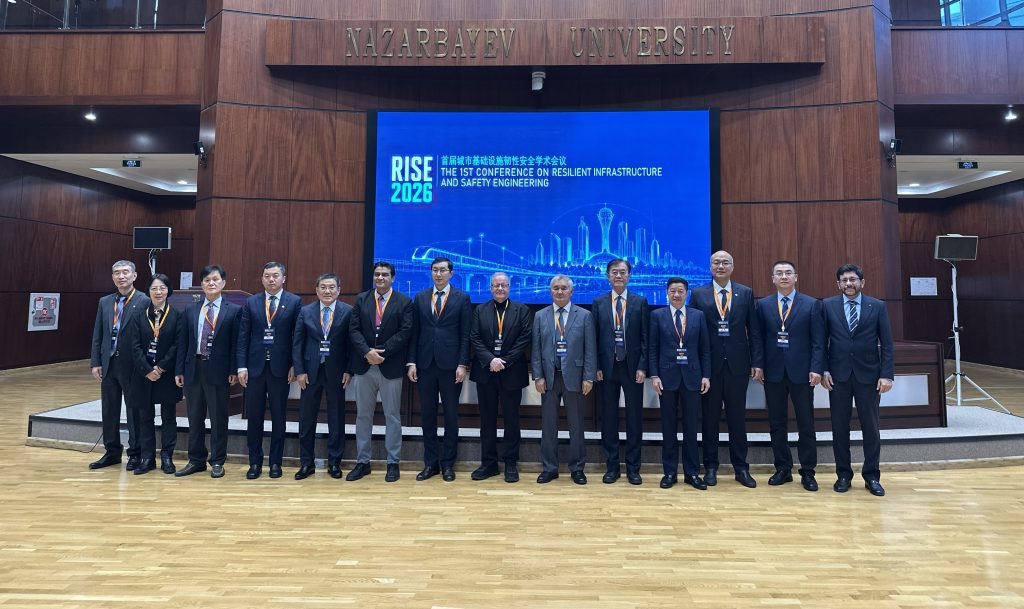
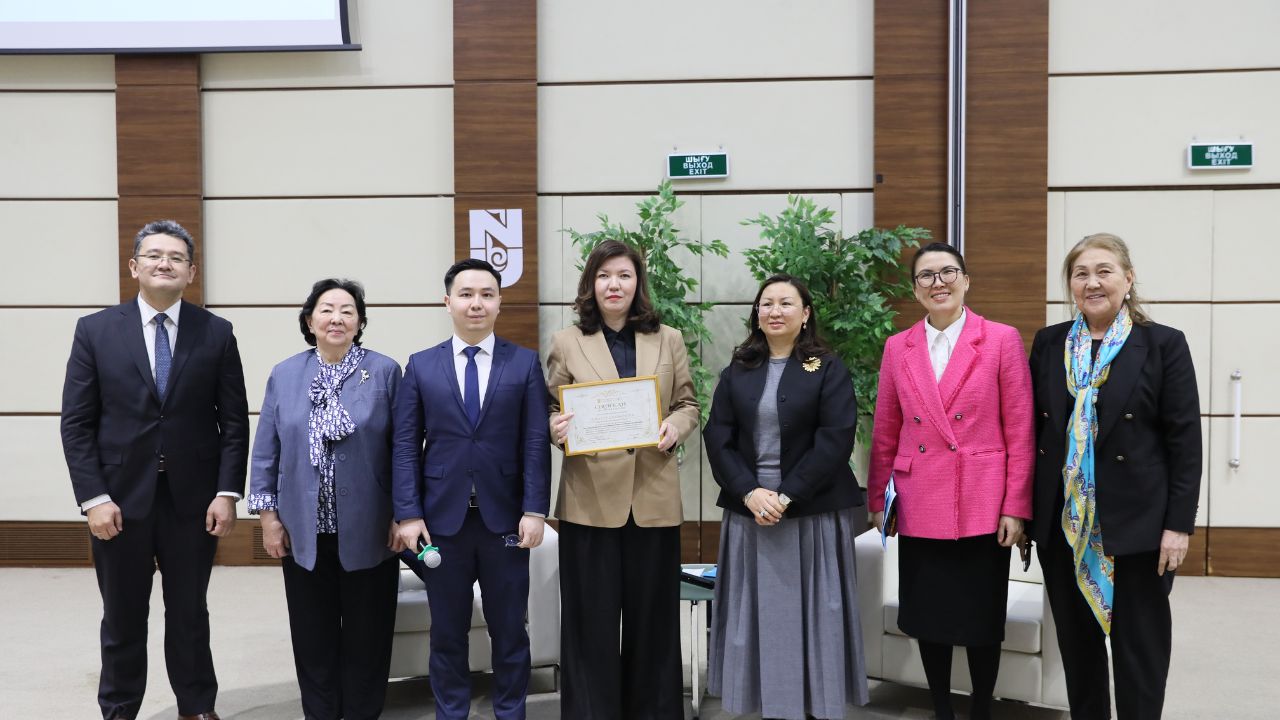
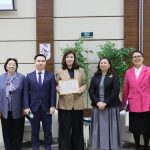
At the conclusion of the meeting, the minister was presented with a letter of appreciation, after which a group photo was taken with the participants.
It should be noted that the Graduate School of Education at Nazarbayev University is ranked among the top 200 globally in the Times Higher Education rankings. In addition to its academic programs, the School organizes training sessions and seminars for school principals, contributing to the professional development of educators across the regions of Kazakhstan.