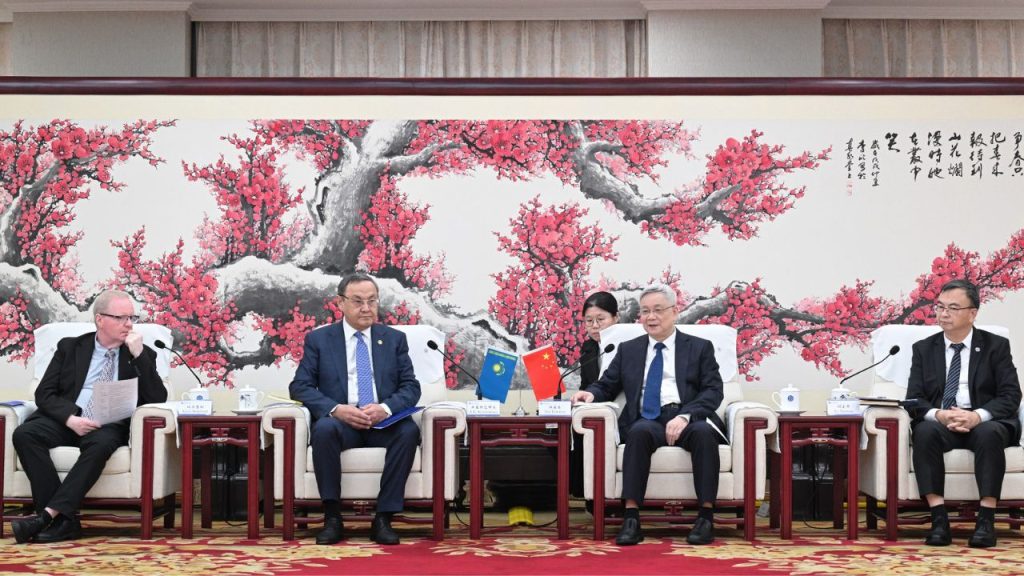
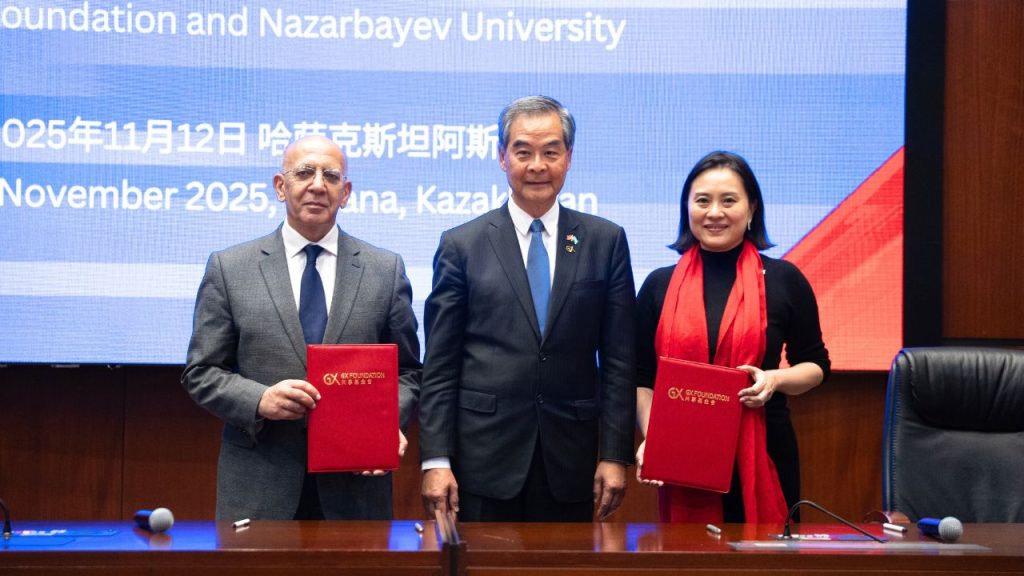
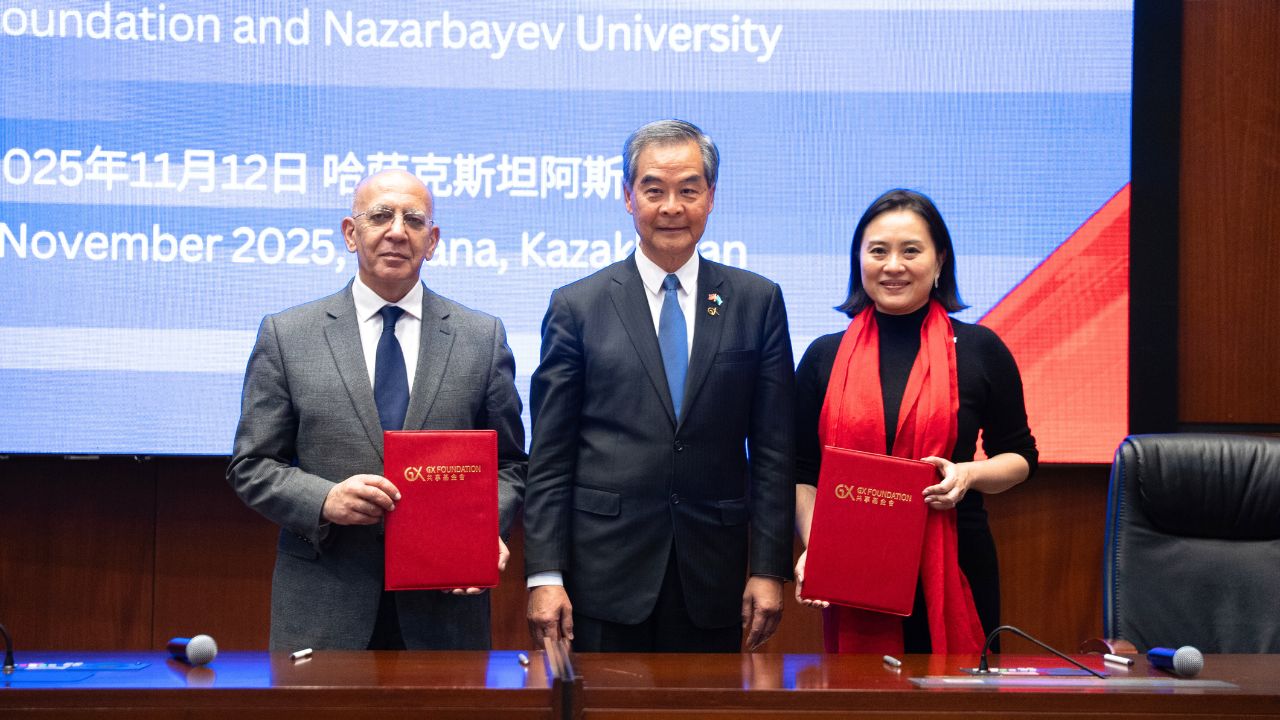
Nazarbayev University (NU) and the GX Foundation, an international non-profit organization based in Hong Kong that provides medical and public health humanitarian assistance across Belt and Road countries, have signed a Memorandum of Understanding (MoU).
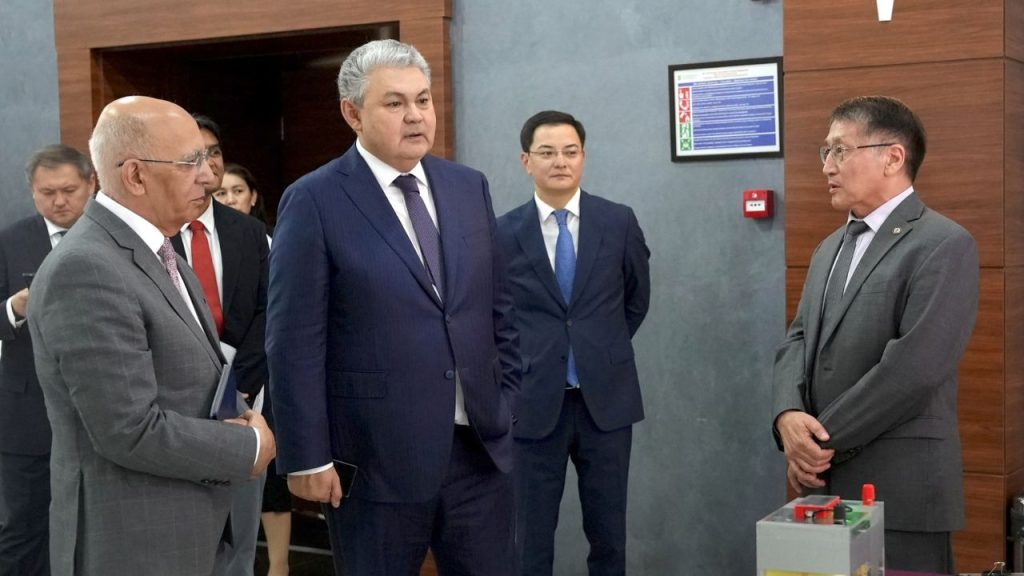
The GX Foundation delegation was led by Dr. Emily Chan, CEO of the Foundation and Professor at the Faculty of Medicine at the Chinese University of Hong Kong, and Mr. Leung Chun Ying, Foundation Chair and Vice Chairman of the National Committee of the Chinese People’s Political Consultative Conference (CPPCC). The guests were welcomed by NU President Professor Waqar Ahmad, Vice President Kadisha Dairova, Acting Dean of the School of Medicine Dr. Antonio Sarria-Santamera, and other university leaders.
“The Foundation does remarkable work in public health — from research to practical interventions addressing challenges such as vector-borne diseases and cataract blindness. While the Foundation’s focus so far has not extended to Central Asia, this partnership opens new possibilities for collaboration, both within the region and beyond,” said Professor Ahmad during the meeting.
The memorandum was signed by CEO of the Foundation Dr. Chan, who also holds visiting appointments at the University of Oxford and other leading global institutions, and Professor Ahmad in NU’s Senate Hall, a symbolic venue where Chinese President Xi Jinping first announced the Belt and Road Initiative in 2013.
The two parties agreed to collaborate in several areas, including professional exchanges, joint academic research, seminars, and training programs. The partnership will also create internship and employment opportunities for NU students. Together with the GX Foundation, the university aims to advance interdisciplinary research and contribute to solving pressing global health challenges.
The visit concluded with a public lecture by Mr. Leung Chun Ying, who spoke about the Foundation’s research and humanitarian work built on compassion and mutual support.
Notably, NU has established and is consistently developing partnerships with Tsinghua University, Peking University, and the Hong Kong University of Science and Technology (HKUST), including within the framework of the Asian Universities Alliance (AUA).