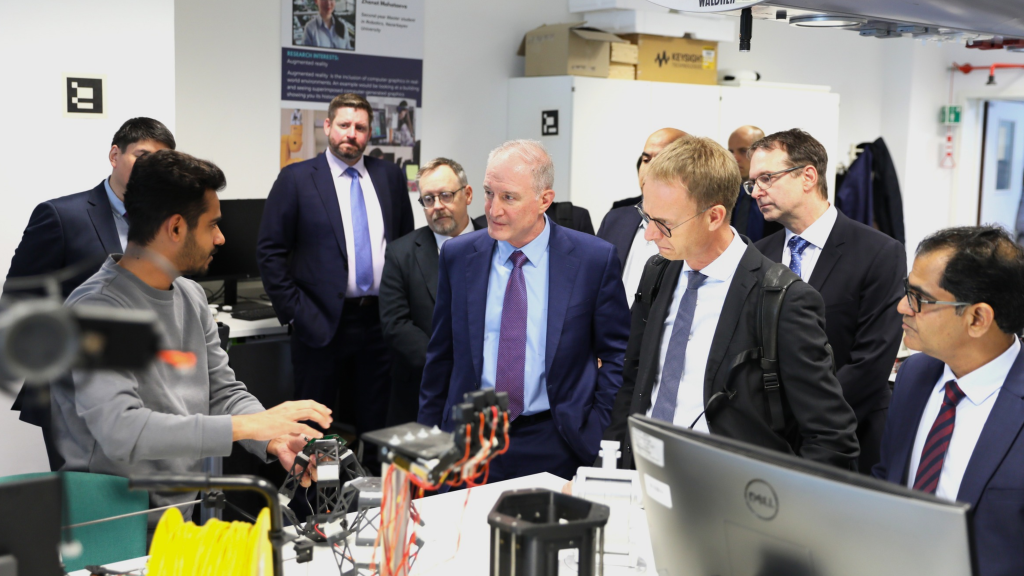



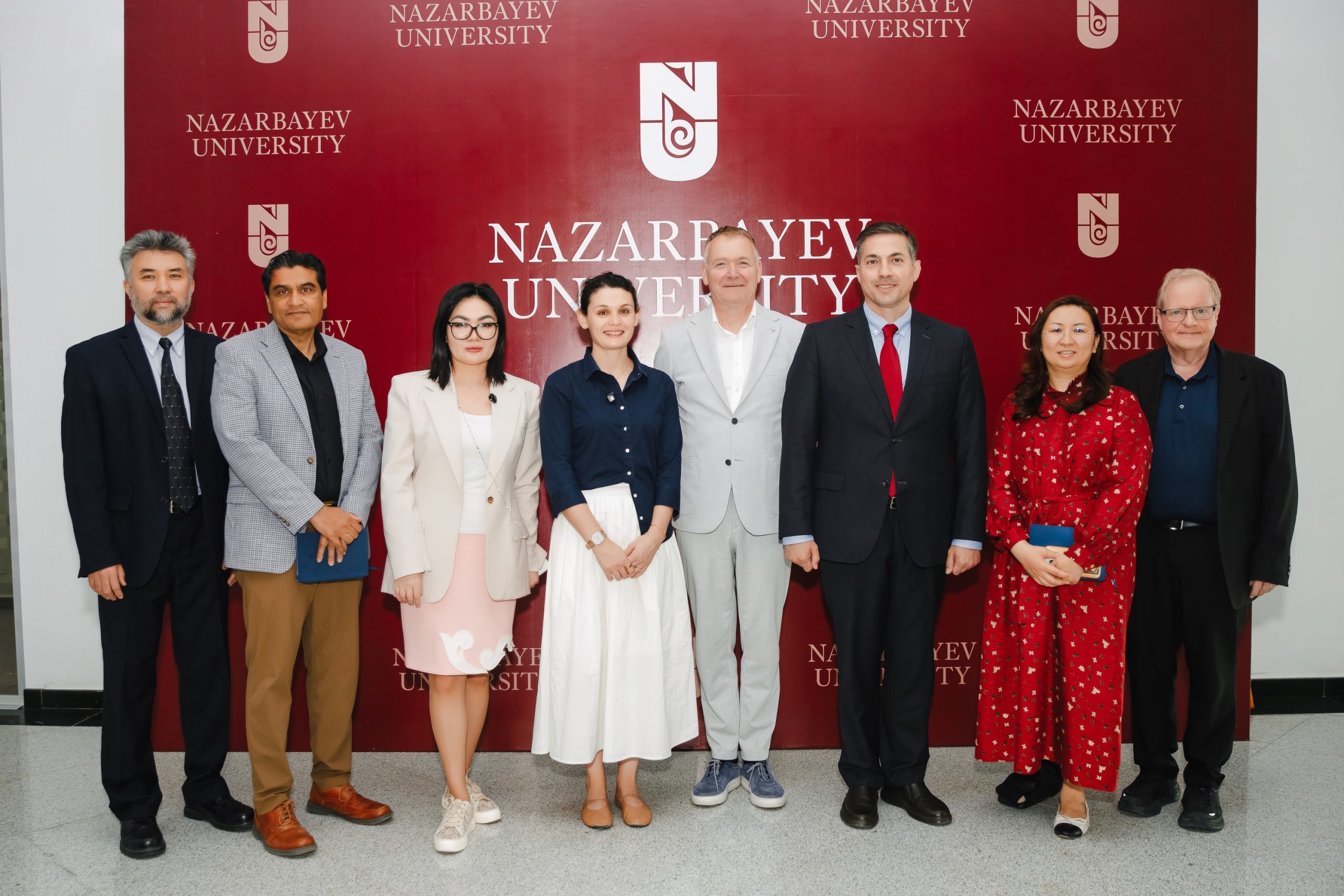
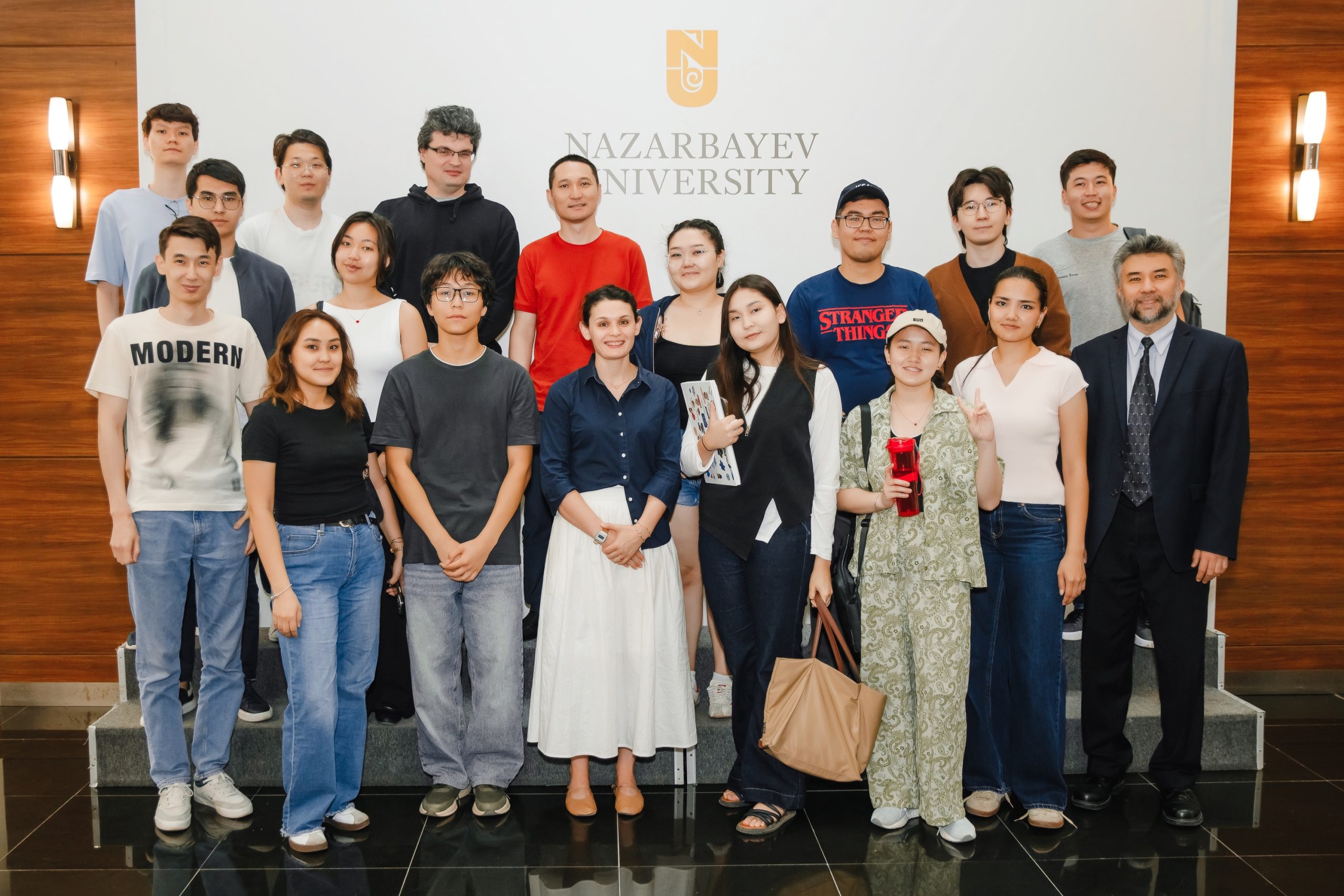
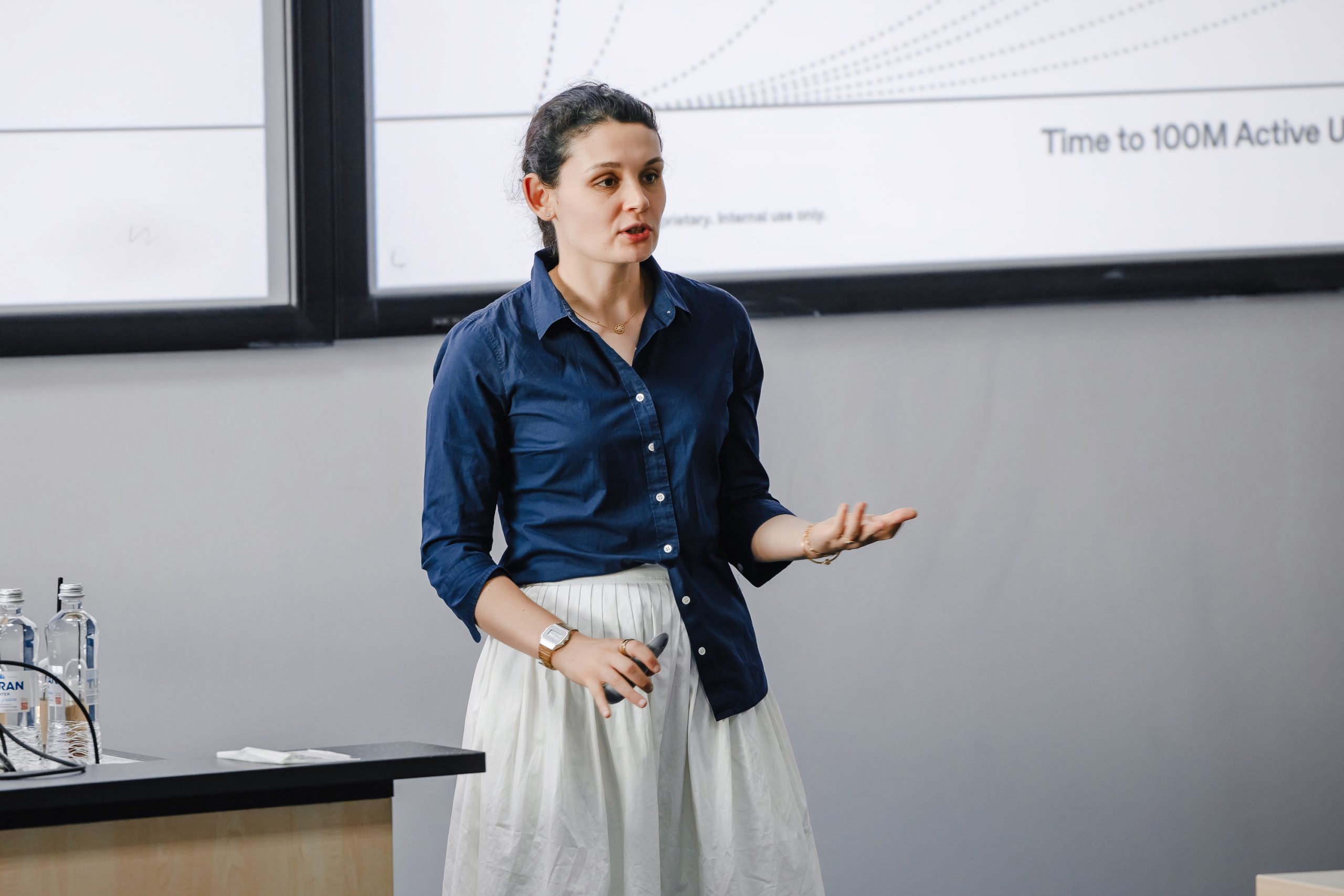






As part of OpenAI’s official visit to Kazakhstan, Rachel Brown, the company’s head of Economic Impacts and Interactions, delivered a lecture to NU students and faculty. Brown shared data highlighting Kazakhstan’s rapid growth as a ChatGPT market: Kazakh has become one of the fastest-growing languages on the platform, and users aged 18 to 24 account for around 70% of all usage in the country. She described this as a significant advantage for Kazakhstan’s workforce, positioning its young population among the most AI-literate demographics in the region.
The lecture also examined uneven AI adoption across sectors. Finance and insurance lead in overall adoption rates, while public administration shows the highest intensity of use once onboarded. Brown acknowledged that measuring AI’s precise economic impact remains challenging given the pace of technological change, but noted that GDP growth projections tied to AI vary widely — with some estimates reaching as high as 18%.
Responding to student questions about job displacement, Brown identified healthcare, education, and physical labour as the occupations least vulnerable to automation, and emphasised that AI is simultaneously generating new roles.
“The most important thing is to stay flexible — so many of our jobs are going to change, and you have to be ready to move forward with that,” she said.
OpenAI’s visit to Kazakhstan reflects the company’s broader commitment to understanding AI’s real-world economic impact across different countries and regions, as well as supporting the integration of artificial intelligence into education systems.