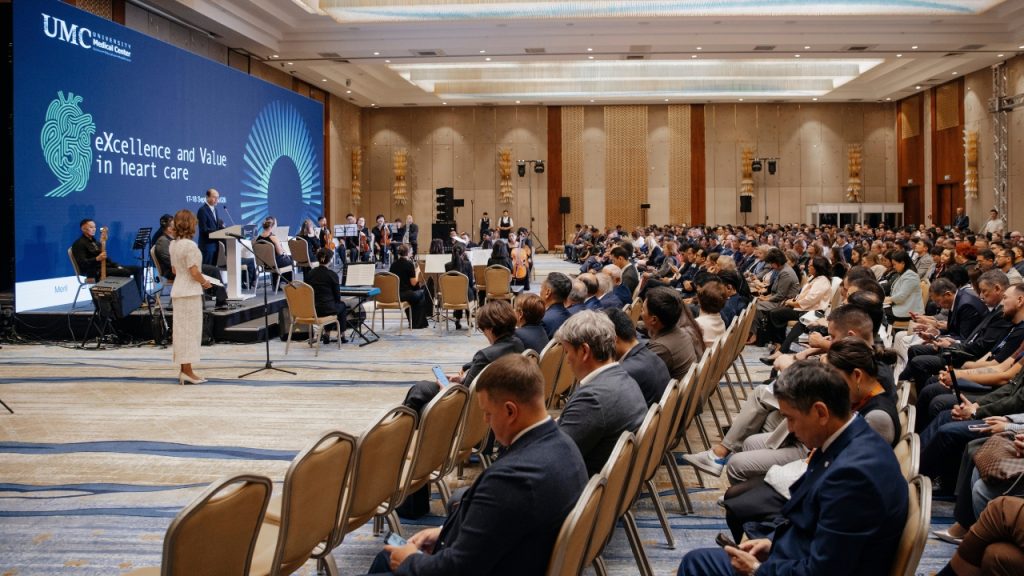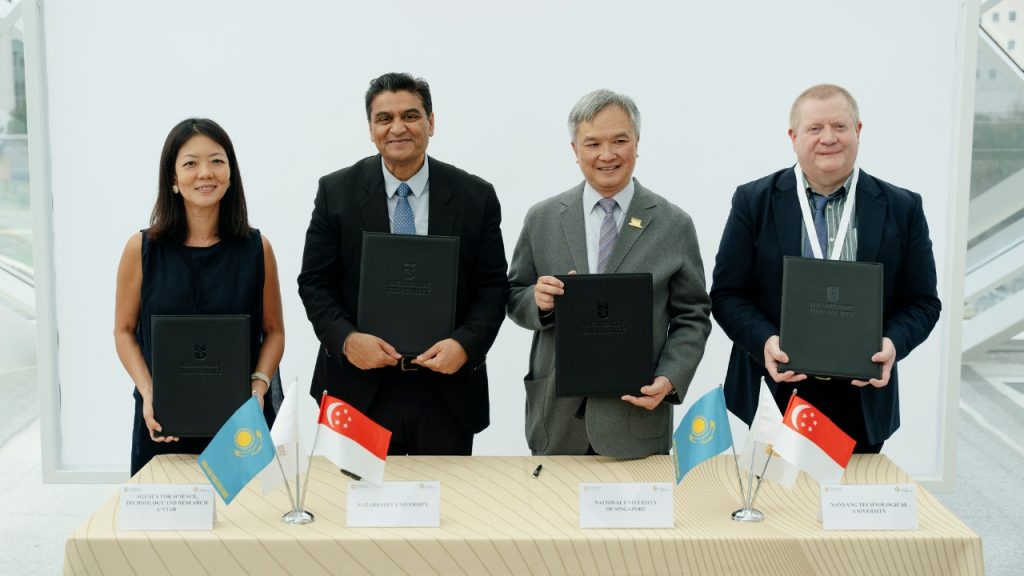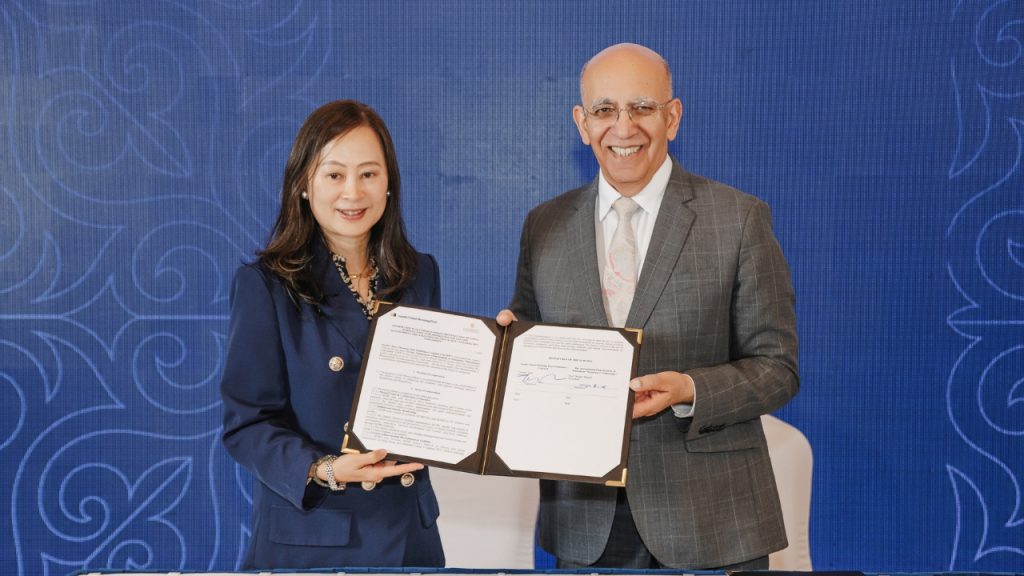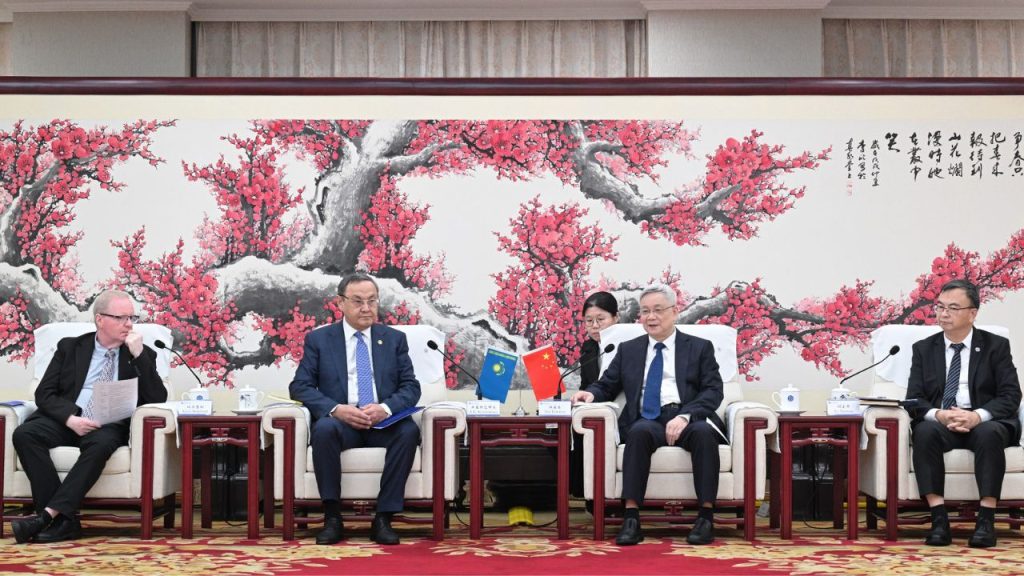
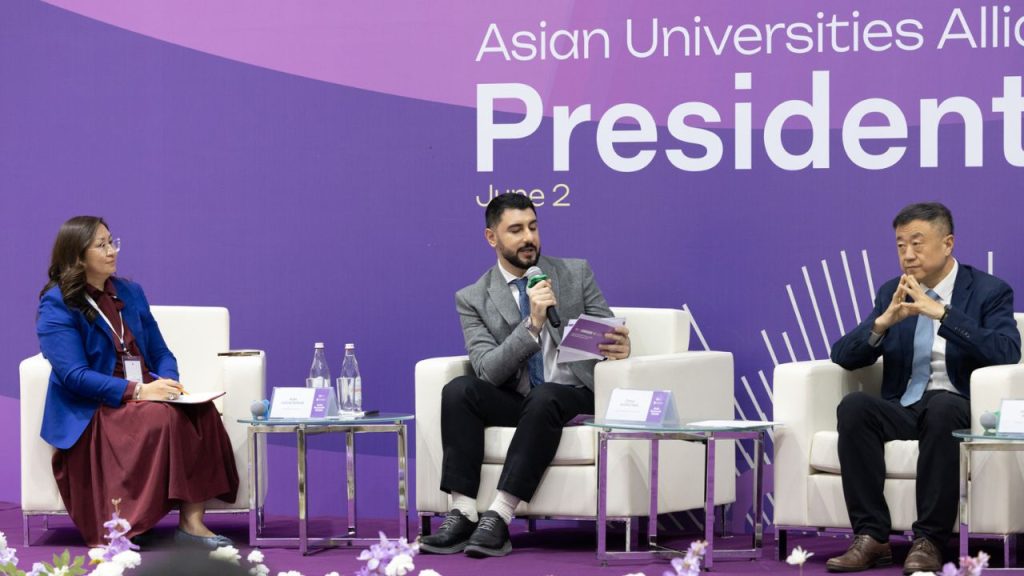
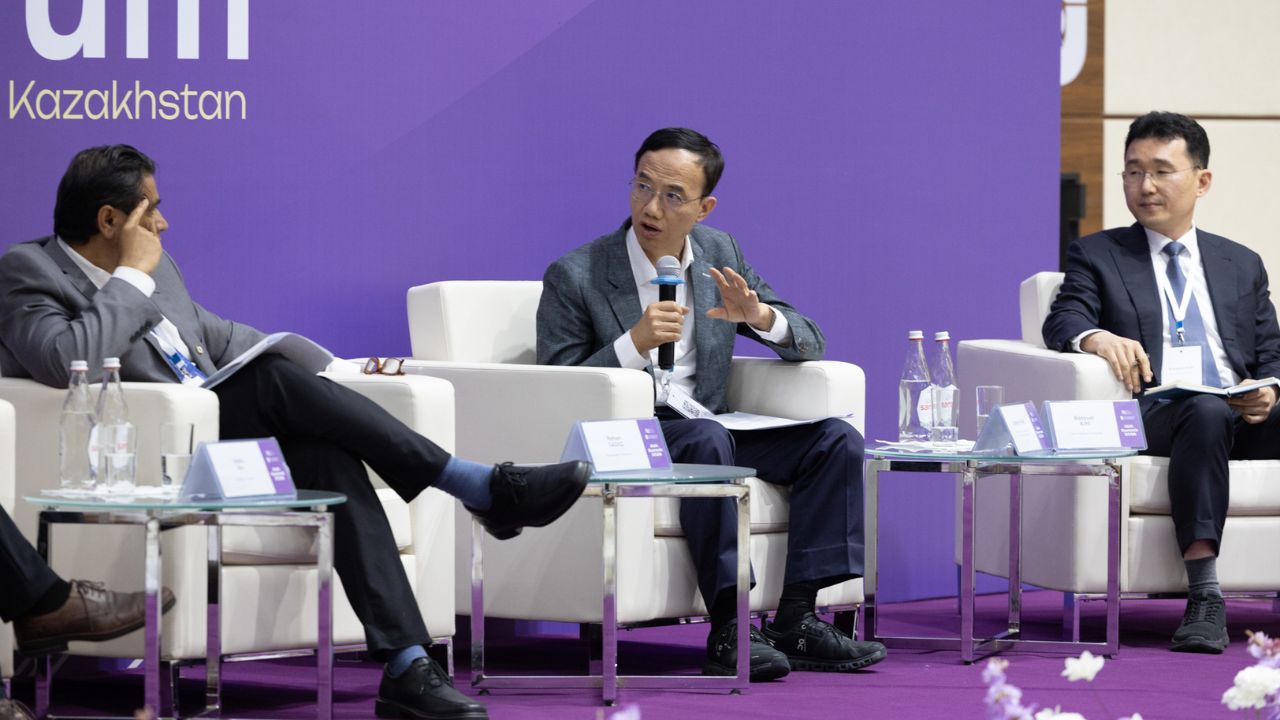
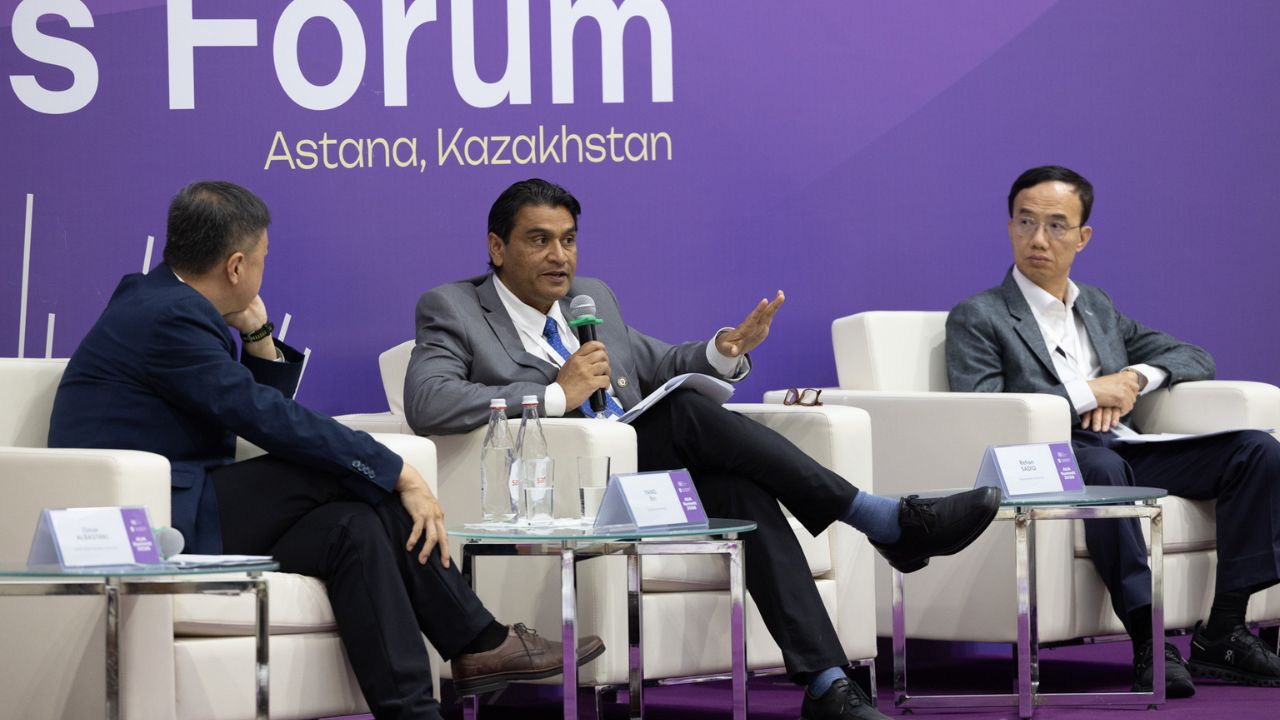
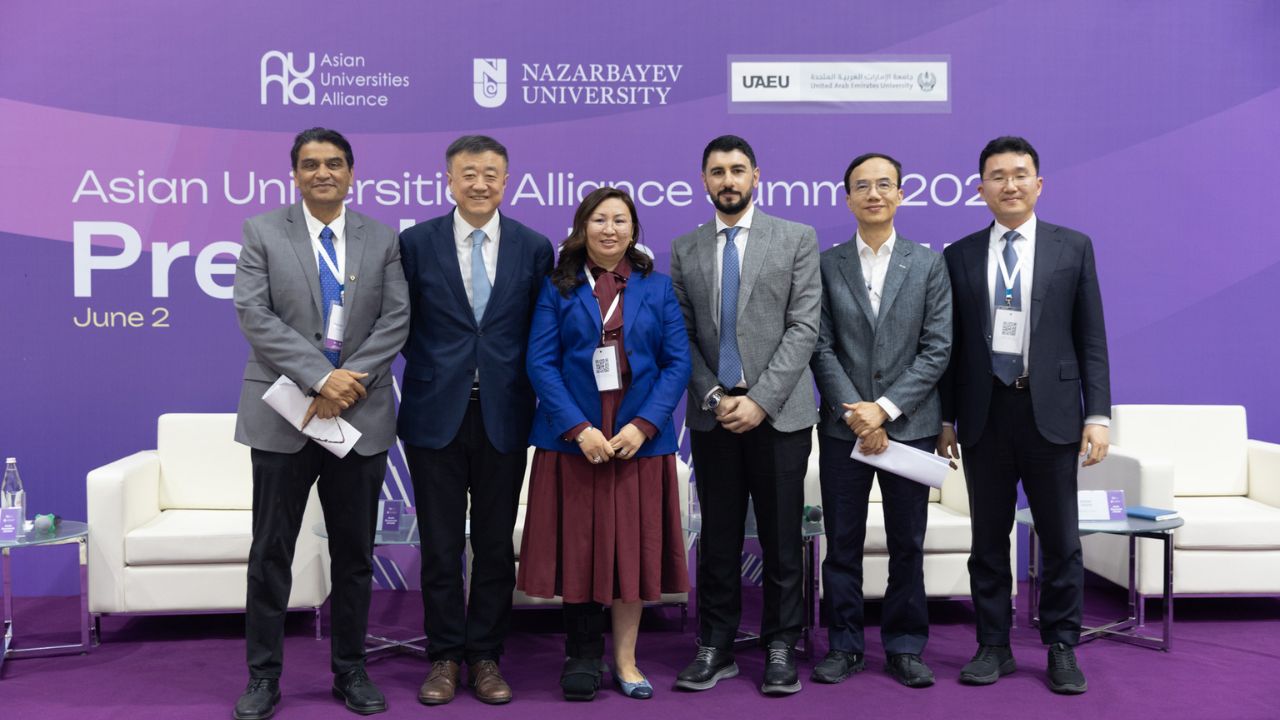


How universities can strengthen collaboration with industry and better prepare graduates for a rapidly changing job market was a central topic at the plenary session of the Asian Universities Alliance (AUA) Presidents Forum 2026, held at Nazarbayev University on June 1–2.
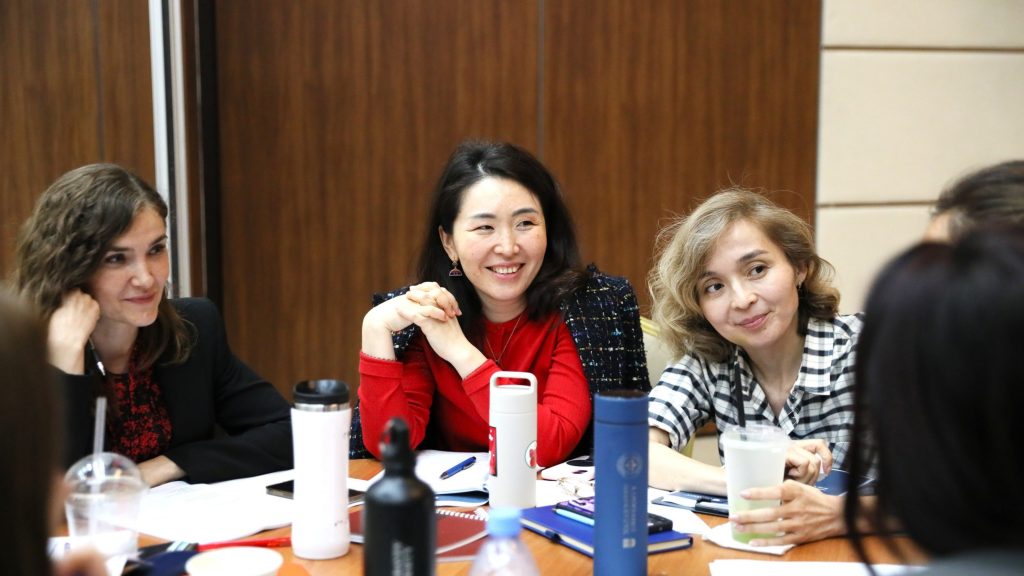
Leaders from leading Asian universities shared experiences in partnering with businesses and explored ways to balance practical workforce preparation with the core values of higher education. The session was moderated by Dr. Omar Albastaki, Assistant Dean of Student Affairs at the College of Business and Economics, United Arab Emirates University.
Prof. Bin Yang, Vice Chancellor of the Tsinghua University Council, presented a new model of engineering doctorate education designed around solving real-world industrial challenges. The program targets startup founders, chief engineers and senior researchers from industry. Rather than completing a traditional dissertation, participants are evaluated based on the innovative outcomes and practical impact of their work.
According to Prof. Yang, successful university–industry collaboration should begin long before graduation. “If companies help identify the most promising candidates and feel involved in the program from the very beginning, they become much more active in training students and later supporting graduate employment,” he said.
Prof. Rehan Sadiq, Provost of Nazarbayev University, noted that university–industry engagement can take many forms, ranging from guest lectures to joint research initiatives and innovation ecosystems.
“The most advanced form of collaboration is the creation of a complete innovation ecosystem where universities. We see successful examples in China, where science parks and research clusters are formed around universities in line with national development priorities. In such a model, universities, industry, and government remain in continuous dialogue and jointly create new knowledge, technologies, and opportunities for training specialists,” he said.
Prof. Booyuel Kim, Deputy Vice President of Global Affairs at Seoul National University, shared how universities are adapting to emerging workforce needs. He highlighted the university’s School of Transdisciplinary Innovation, established two years ago to address growing demand in areas such as digital healthcare, semiconductor technologies and data science. At the same time, he emphasized the importance of preserving academic independence.
“We are open to new forms of industry collaboration while remaining committed to the fundamental values of university education,” he said.
Prof. Jimmy Fung, Associate Provost (Teaching and Learning) at The Hong Kong University of Science and Technology, stressed the importance of leadership development and entrepreneurial thinking.
“Universities should create environments for developing leadership skills and fostering a community of young people capable of leading others and working for the good of society,” he said.
Closing the session, Dr. Aida Sagintayeva, Vice Provost for Academic Planning and Budget and Dean of the Graduate School of Education at Nazarbayev University, noted that universities across Asia are increasingly developing their own approaches to higher education rather than simply adopting models created elsewhere.
“Across the region, universities are experimenting with new governance models, new partnerships and new approaches to technology, and new ways of serving society. That should give us confidence. Because the future of higher education will not be written in one country, not in one university, and not even in one region,” she said.
Thus, the forum became an important part of the ongoing dialogue on whether universities are ready to change alongside the world and to respond independently to the challenges of their own transformation.
About the Asian Universities Alliance
Founded in 2017 at Tsinghua University in Beijing, the Asian Universities Alliance brought together 15 leading universities across the region. Nazarbayev University — ranked in the 401–500 band and recognized as the top university in Central Asia and the Caucasus in the Times Higher Education World University Rankings 2026 — is one of the alliance’s founding members.