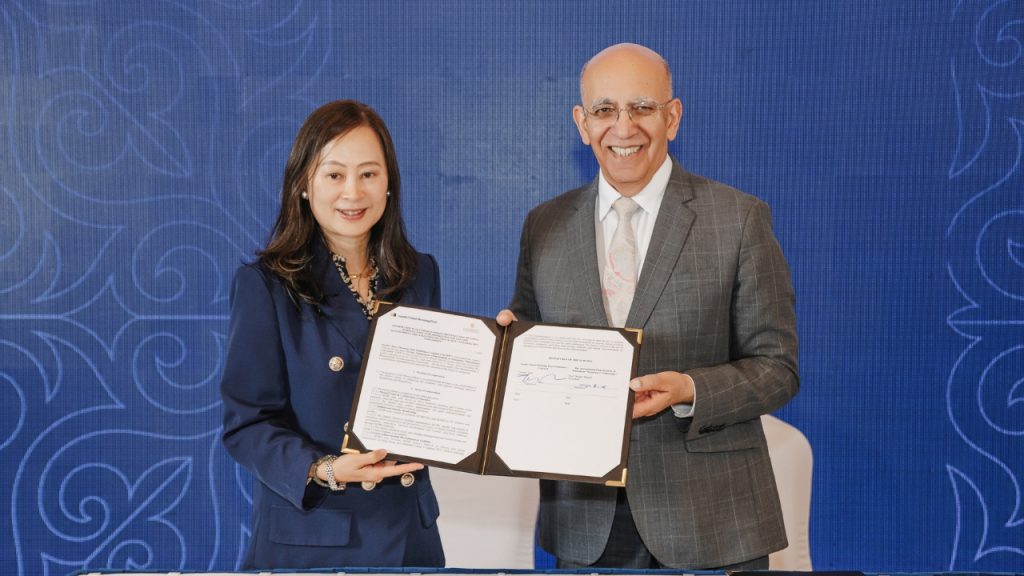
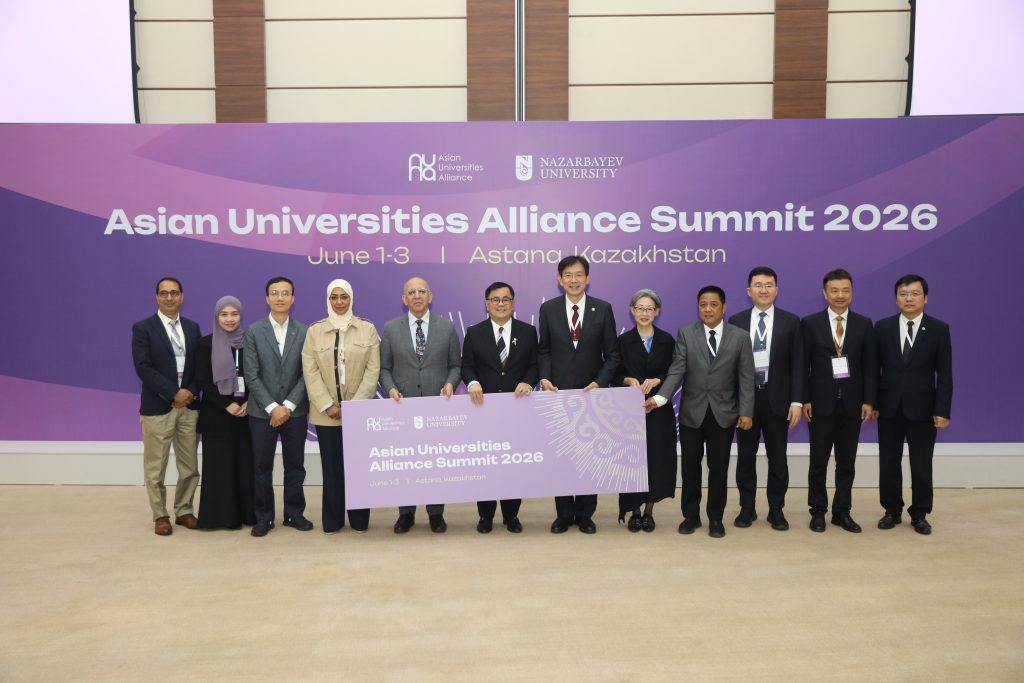
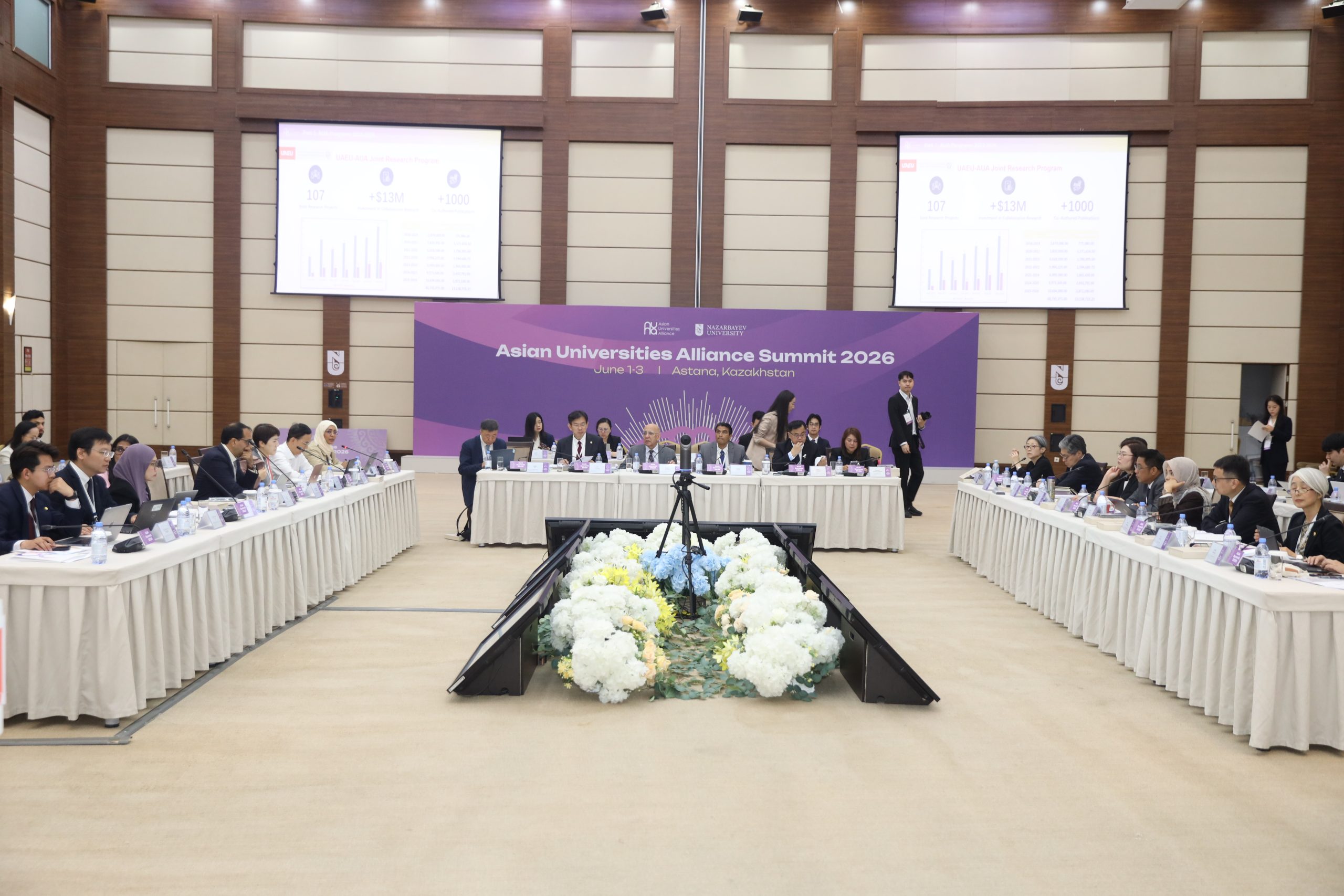
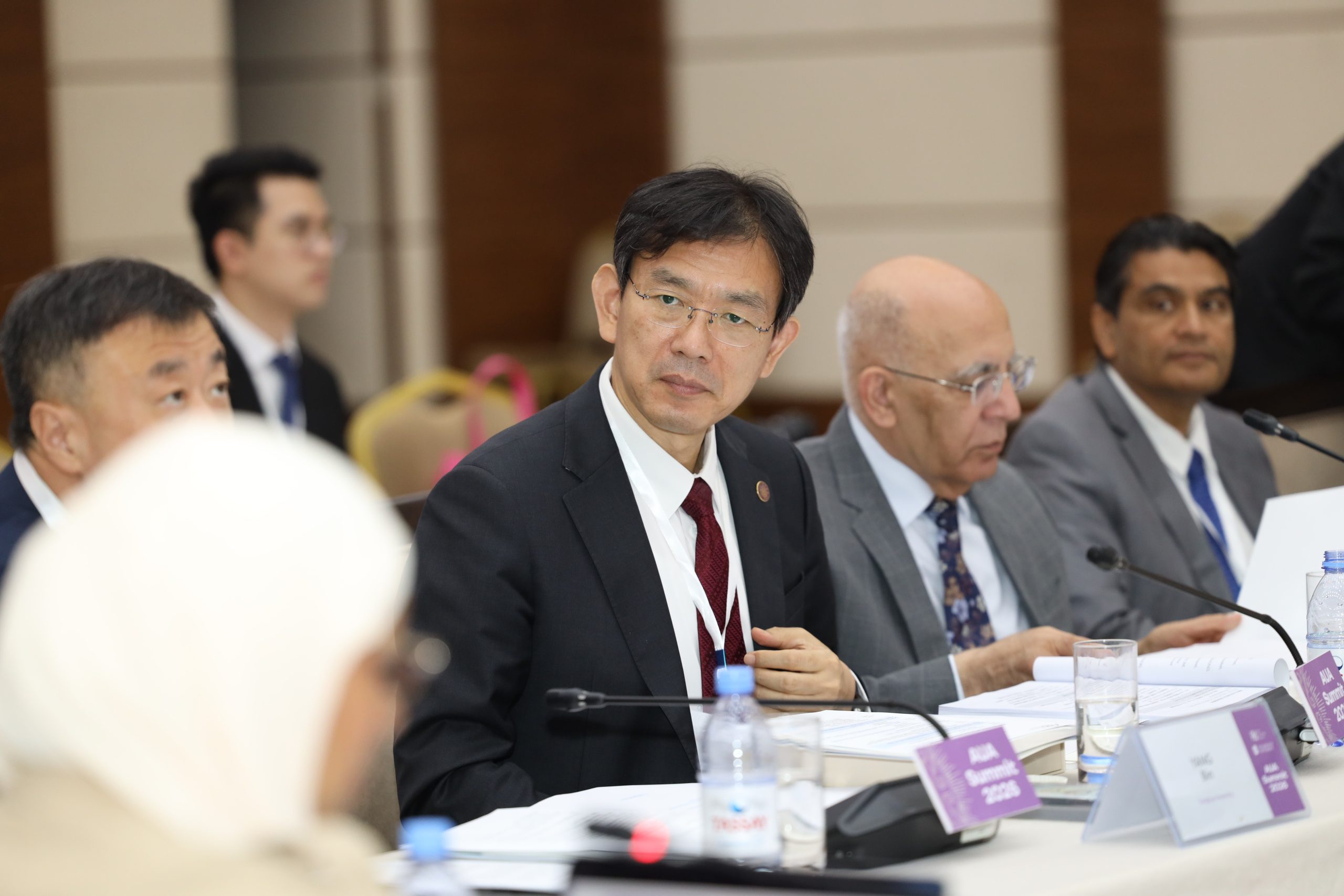
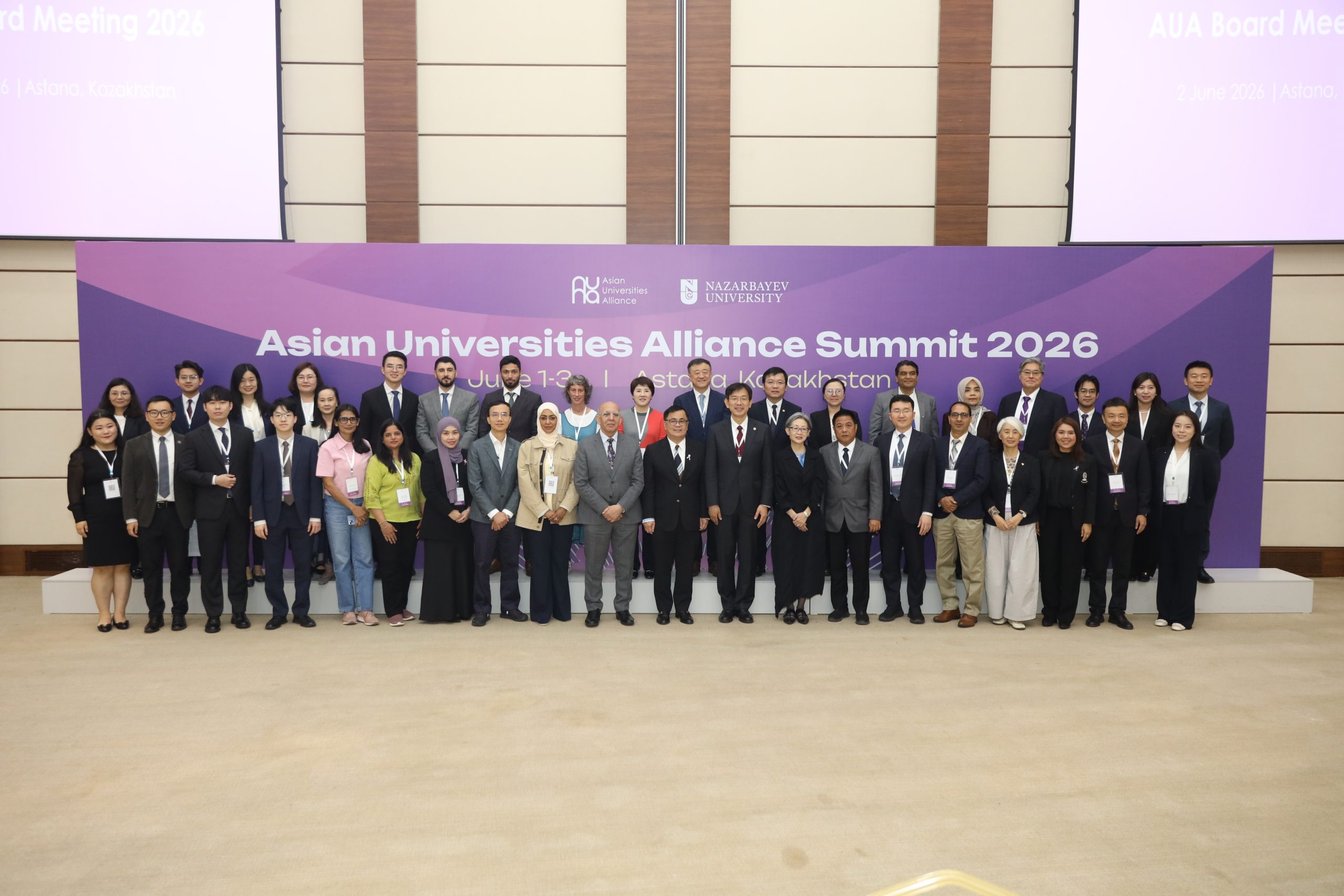


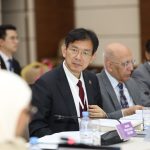


As universities worldwide navigate rapid technological change, shifting workforce demands, and growing societal expectations, academic leaders from across Asia convened in Astana for the Asian Universities Alliance (AUA) Presidents Forum 2026.
The forum featured university leaders from leading institutions across Asia and beyond, including Tsinghua University, The Hong Kong University of Science and Technology, Nazarbayev University, United Arab Emirates University, Chulalongkorn University, The University of Tokyo, Vietnam National University, and Seoul National University.
Originally scheduled to take place in the United Arab Emirates, the summit was relocated to Astana due to regional instability. The decision reflected both Kazakhstan’s growing international engagement and confidence in Nazarbayev University as a leading research university in the region.
Welcoming participants, Kazakhstan’s Minister of Science and Higher Education Sayasat Nurbek emphasized that the country is steadily advancing a future-oriented higher education system.
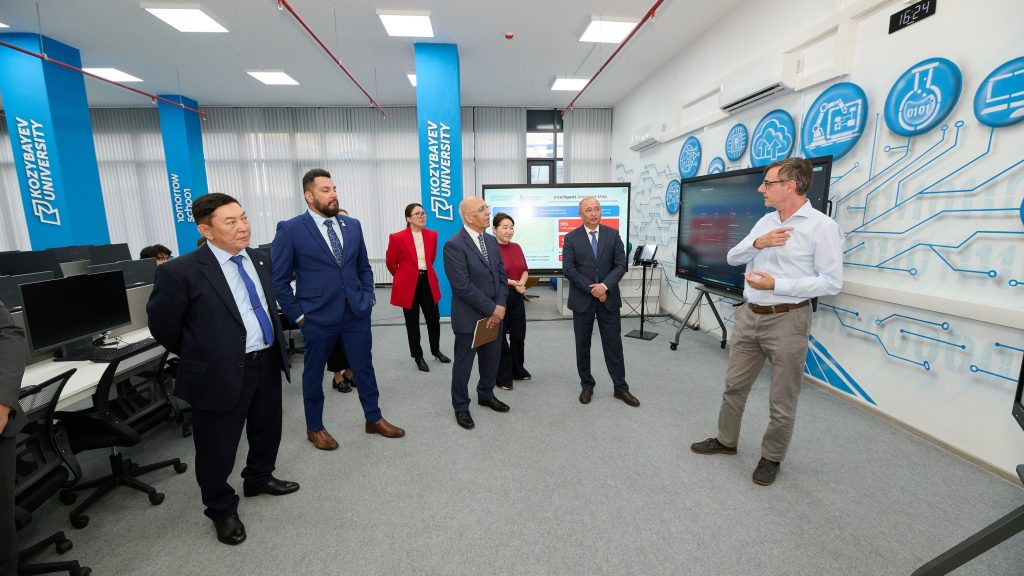
“For Kazakhstan, the development of higher education and science is a matter of national resilience and economic competitiveness. We believe that tomorrow’s universities cannot simply teach AI, they must be driven by it. The AI-enabled university model is already becoming a reality in Kazakhstan, where a distributed academic cluster of four national universities is anchored by the Nazarbayev University ecosystem,” noted the Minister of Science and Higher Education.
Minister Sayasat Nurbek also underscored Kazakhstan’s openness to expanding cooperation with universities across Asia and working together to address the challenges of the future.
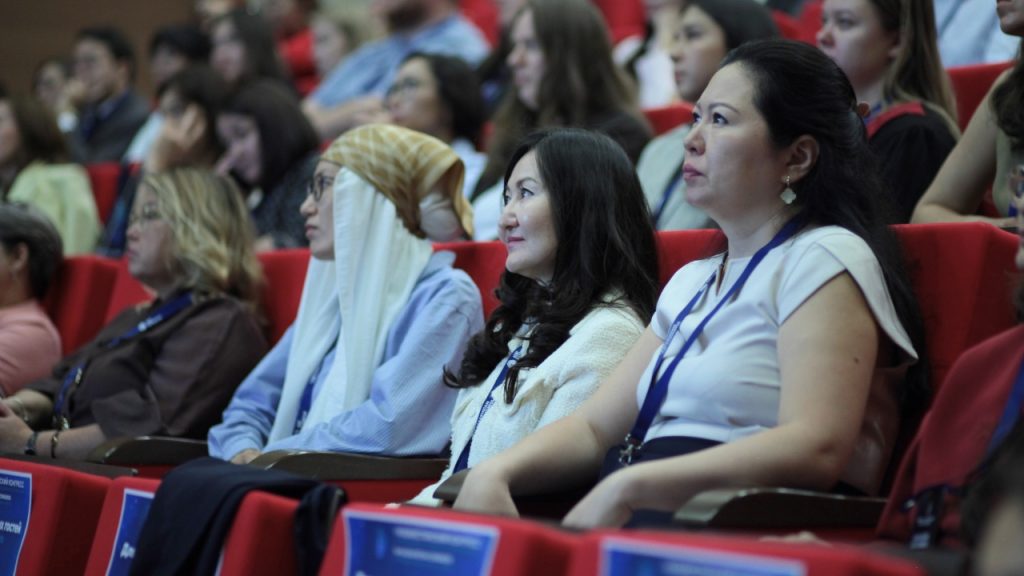
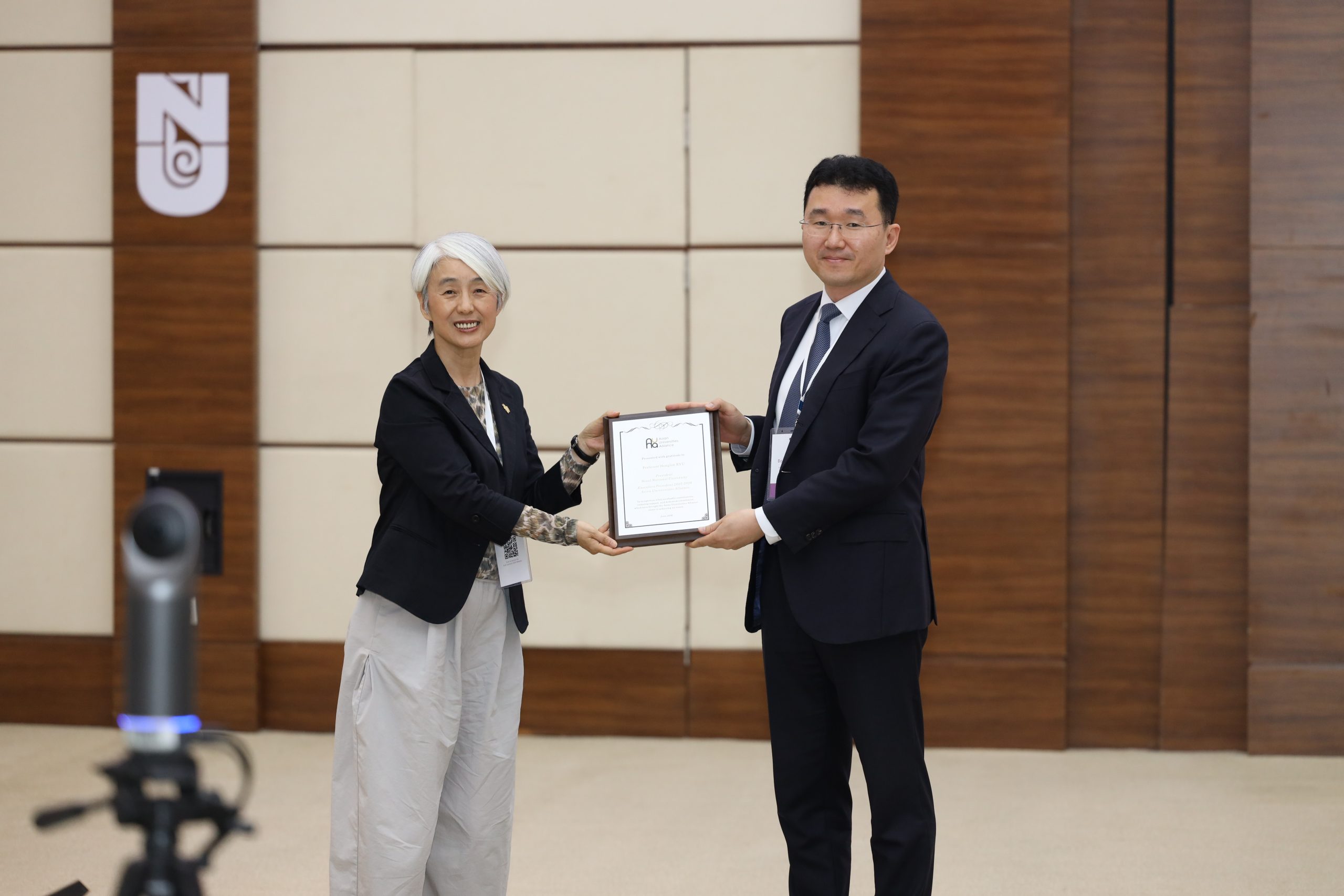
The forum brought together presidents, provosts, and senior university leaders to explore how higher education institutions can remain resilient, innovative, and relevant in an increasingly complex world. The program included working sessions focused on the AUA’s financial sustainability and the development of its three-year strategic plan. Discussions addressed the alliance’s progress to date, timelines for future initiatives, and strategic priorities for the next phase of collaboration. During the summit, the presidency of the Alliance transitioned from United Arab Emirates University to Chulalongkorn University.
Held under the theme “Shaping Future Universities: Industry Engagement and Governance Innovation,” the forum focused on two key questions facing universities today: how governance models must evolve to support institutional agility and how stronger partnerships between universities and industry can better prepare students for the future.
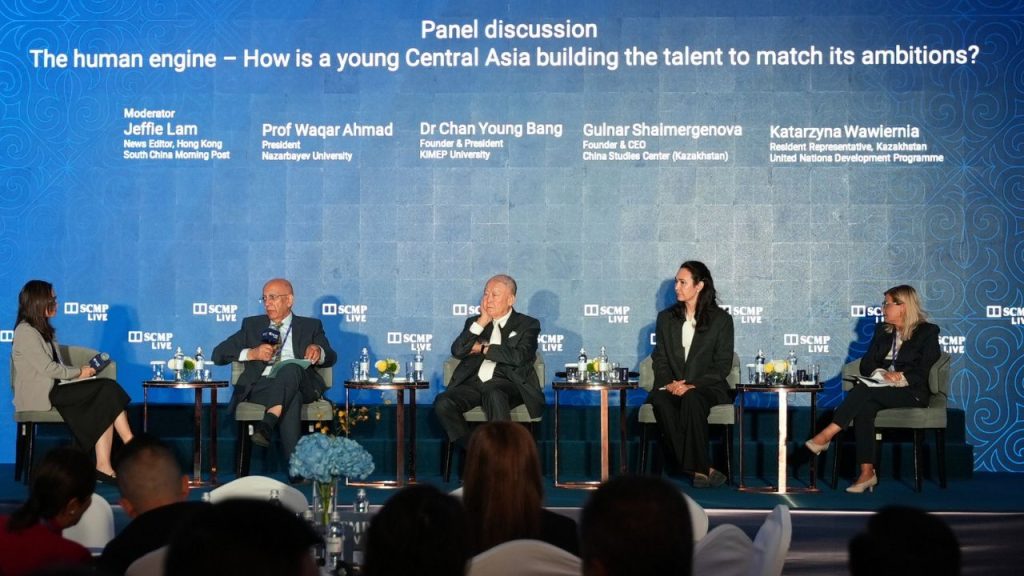
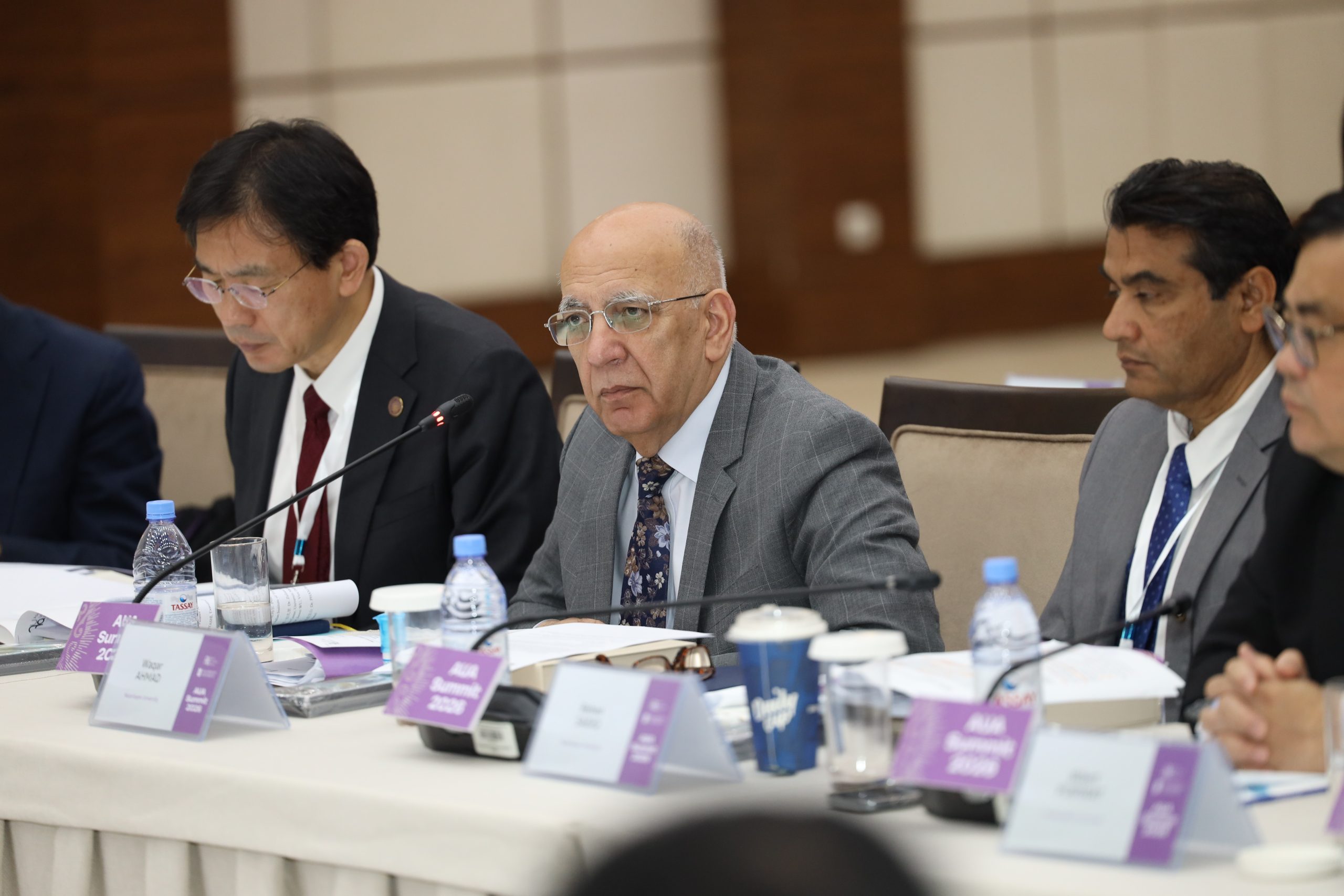
“The centre of gravity of higher education has shifted in the last two or so decades. Today, some of the most dynamic and globally relevant research-intensive universities are in Asia. The fifteen Asian Universities Alliance members include both established powerhouses such as Tsinghua University, Peking University, the University of Tokyo, Seoul National University and the Hong Kong University of Science and Technology, and smaller, more focused centres of excellence such as the Indian Institute of Technology Bombay and Nazarbayev University. What keeps us together is our commitment to collaboration on addressing global challenges through research and teaching”, said Prof. Waqar Ahmad, President of Nazarbayev University.
The forum featured two thematic sessions. The first, “Future University Governance Models,” examined how universities are redesigning leadership and decision-making structures in response to digital transformation, financial pressures, and evolving stakeholder expectations. Discussions focused on institutional flexibility, academic autonomy, governance innovation, and leadership models for future-ready universities.
The second session, “Role of Industry in University Education — Practice and Challenges,” focused on collaboration between universities and industry. Participants discussed how partnerships can strengthen teaching and learning, support work-based education, and align academic programs with labour market needs while maintaining academic integrity and long-term sustainability.
The discussions generated practical insights and strengthened collaboration among member institutions of the Asian Universities Alliance. More broadly, the forum contributed to an ongoing international conversation on how universities can adapt while preserving their core academic mission.
About the Asian Universities Alliance
Founded in 2017 at Tsinghua University in Beijing, the Asian Universities Alliance brought together 15 leading universities across the region. Nazarbayev University — ranked in the 401–500 band and recognized as the top university in Central Asia and the Caucasus in the Times Higher Education World University Rankings 2026 — is one of the alliance’s founding members.