What if a single material could help clean polluted rivers and also deliver medicine inside the human body?
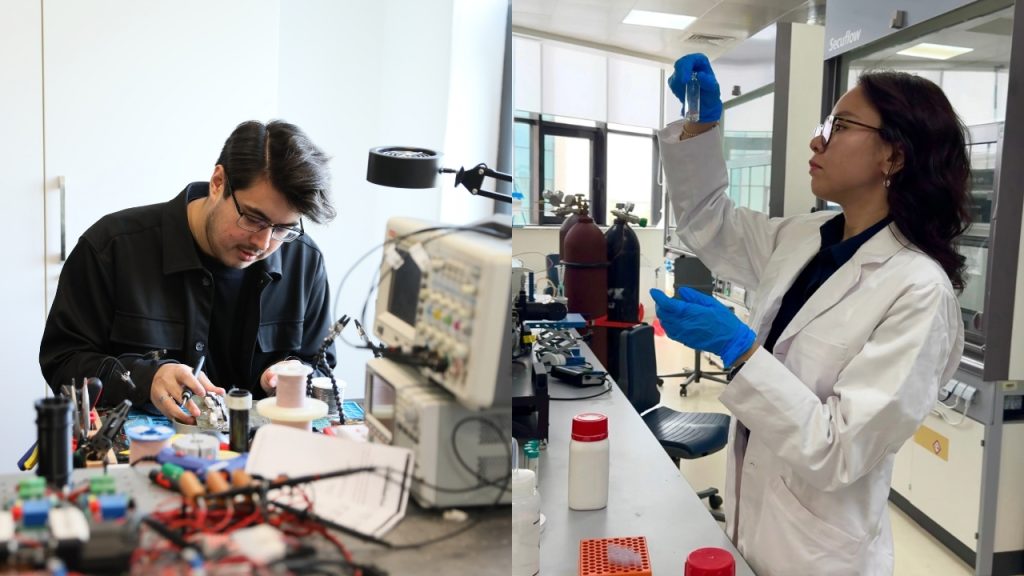
This is the kind of question driving the work of Assistant Professor Irshad Kammakakam from the Department of Chemistry at Nazarbayev University (NU), who has been named an Emerging Investigator by the Royal Society of Chemistry (RSC).
“This award is a reflection of the hard work of our chemistry research team and the world-class facilities provided by NU,” said Dr. Kammakakam. “It is an honor to represent Kazakhstan’s chemistry community in this inaugural global collection of articles.”
The distinction is awarded to early-career researchers whose work is pushing the boundaries of materials chemistry. As part of this recognition, Dr. Kammakakam has been invited by Editor-in-Chief Emily Pentzer to contribute to the inaugural “Emerging Investigators” collection in the journal RSC Applied Polymers, placing his research within a select group of global scientific contributions in polymer science.
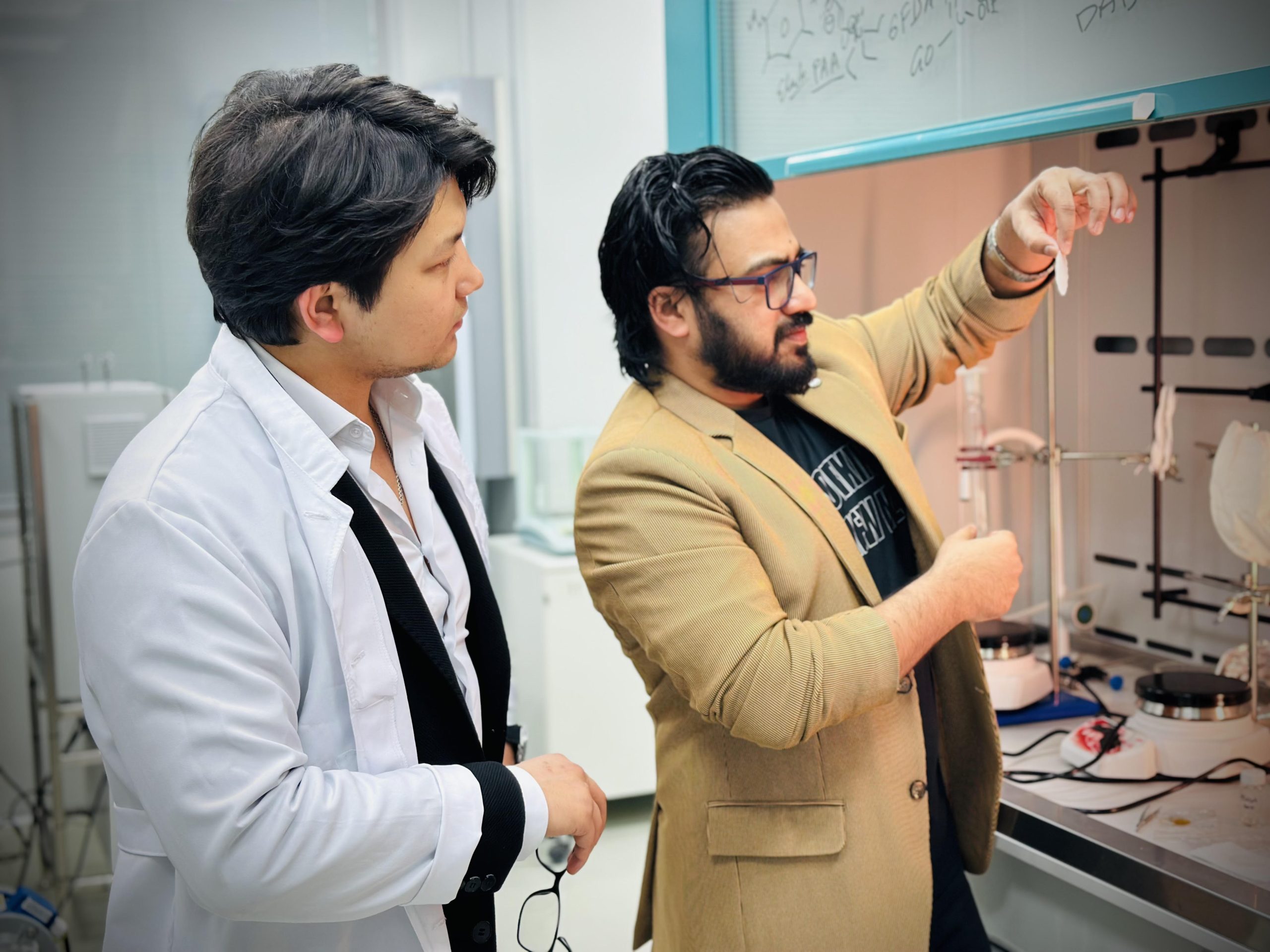
At the center of this work are hydrogels — cross-linked polymer networks that can absorb and retain vast amounts of water, swelling dramatically while maintaining their structure. Because of these unique properties, hydrogels have attracted wide interest in fields ranging from biomedical engineering and soft robotics to environmental separation technologies.
In practice, this means they can act like intelligent molecular sponges: efficiently capturing pollutants from contaminated water, showing high-performance adsorption of industrial dyes, and at the same time enabling controlled drug delivery in biomedical applications.
Such multifunctionality makes them promising candidates for addressing two major global challenges — environmental pollution and advanced healthcare delivery — through a single materials platform.
The study was conducted at NU in collaboration with Zhaksylyk Suiindik, Muhammed Yoosuf, Sudhir Ravula and Jason E. Bara.
The Royal Society of Chemistry (RSC) is an international professional body and not-for-profit organization with over 54,000 members worldwide. It is dedicated to advancing the chemical sciences through research, publishing, education, and global scientific collaboration. RSC operates internationally across the United Kingdom (UK), United States of America (USA), China, Germany, India, and Japan.