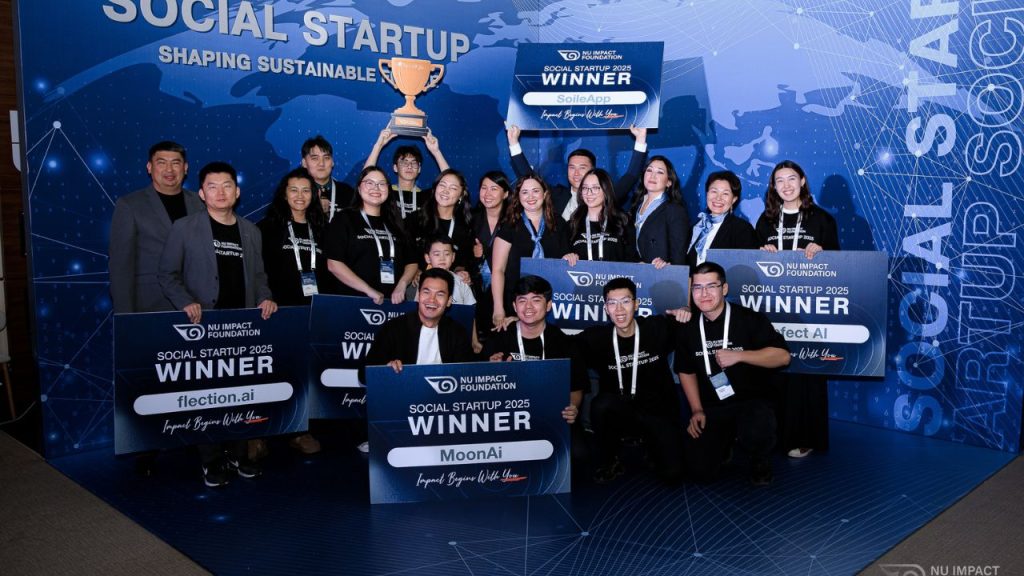
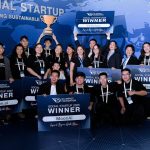

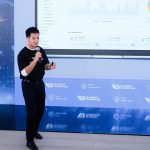

Nazarbayev University (NU) announced the results of Social Startup 2025, a national grant program implemented by the NU Impact Foundation to support early-stage ventures addressing social challenges through technology and entrepreneurship.
This year, ten finalist teams were selected from 153 participants. The program targeted projects that had already reached the minimum viable product (MVP) stage or beyond, demonstrating a working prototype, pilot, early sales, validated user demand, and a clear business model. Each participating team was required to include at least one NU student. Over eight weeks, they advanced from initial ideas to validated solutions, received mentorship and project tracking, visited operating social enterprises, and completed training modules on sustainable business models, social impact measurement, AI-driven tools, and scaling strategies.
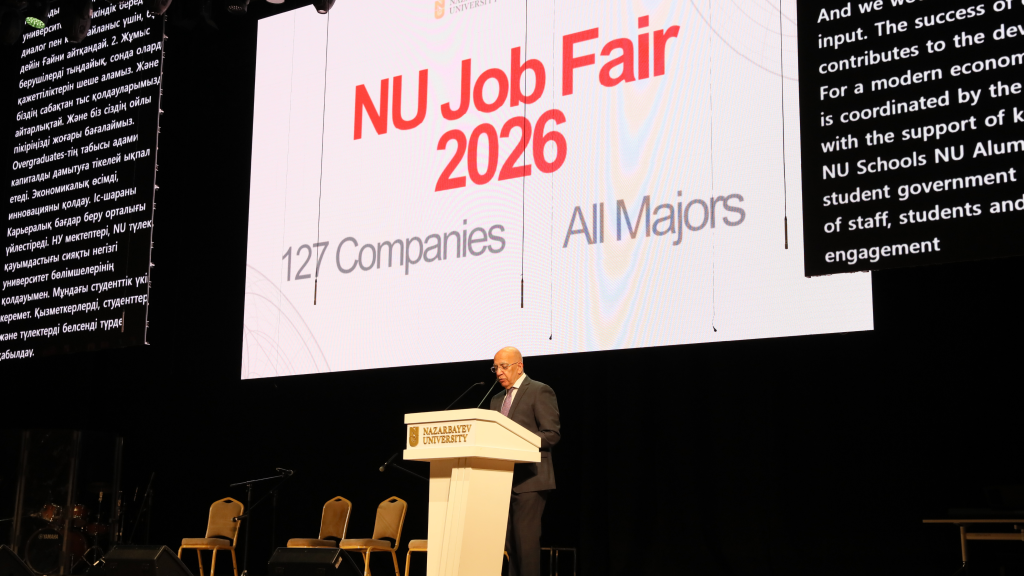
In his opening remarks, NU President Professor Waqar Ahmad noted that the Foundation has become an important component of the University’s innovation ecosystem and significantly expands opportunities for projects with social impact.
“The teams here today are not only building startups, they are building hope, resilience, and responsible leadership for the future. I congratulate all participants, and especially the winning teams. Your dedication, creativity, and commitment to social impact reflect the very spirit of our university. You demonstrate that innovation is not only about technology, it is about people, values, and responsibility,” said NU President.
A panel of expert judges evaluated submissions across several criteria, including social impact, relevance, business model quality, team competency, and long-term sustainability.
2025 Grant Recipients:
- Kunde Robot Cafe – an inclusive employment model featuring robotic coffee stations and barista training for people with disabilities.
- FoodSave – a technology platform that helps businesses reduce food waste by redistributing unsold products at reduced prices.
- flection.ai – an AI-driven online rehabilitation platform offering accessible post-stroke recovery using a standard webcam.
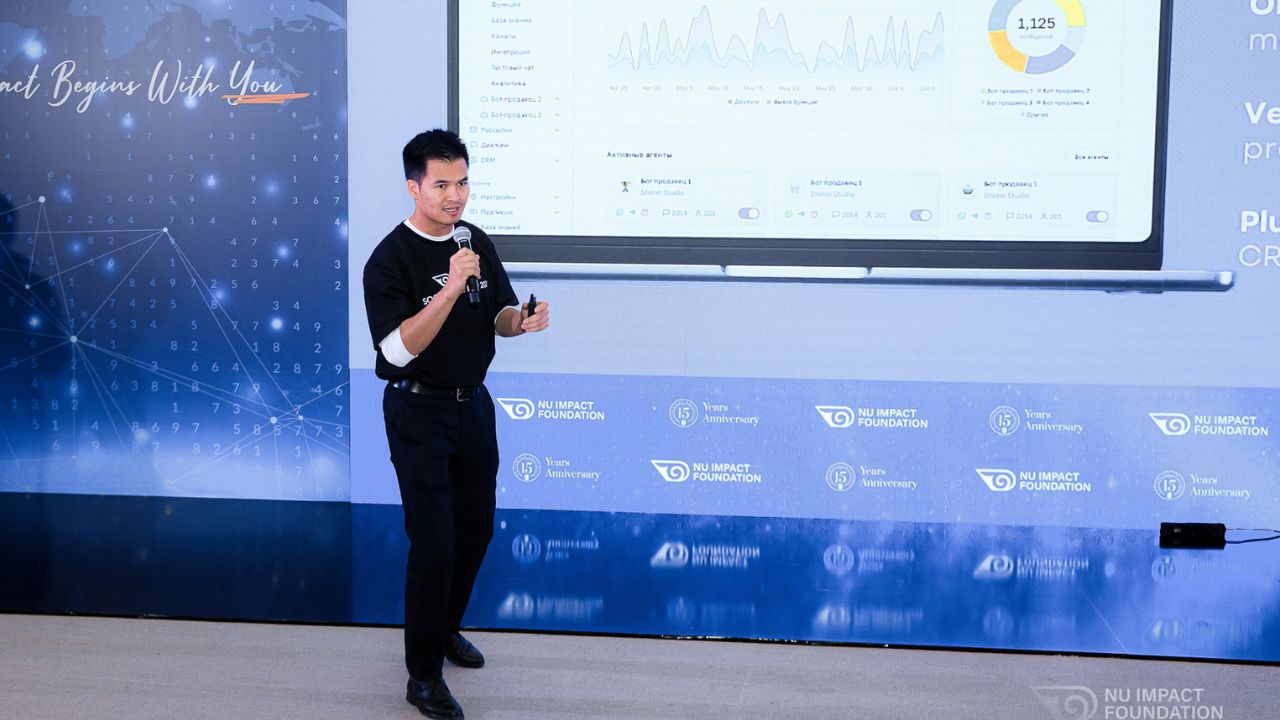
- MoonAi – a no-code builder for AI agents that supports small businesses and opens new career pathways in AI integration.
- ZhanymAI – an emotional well-being platform that provides 24/7 AI-based support for students and employees.
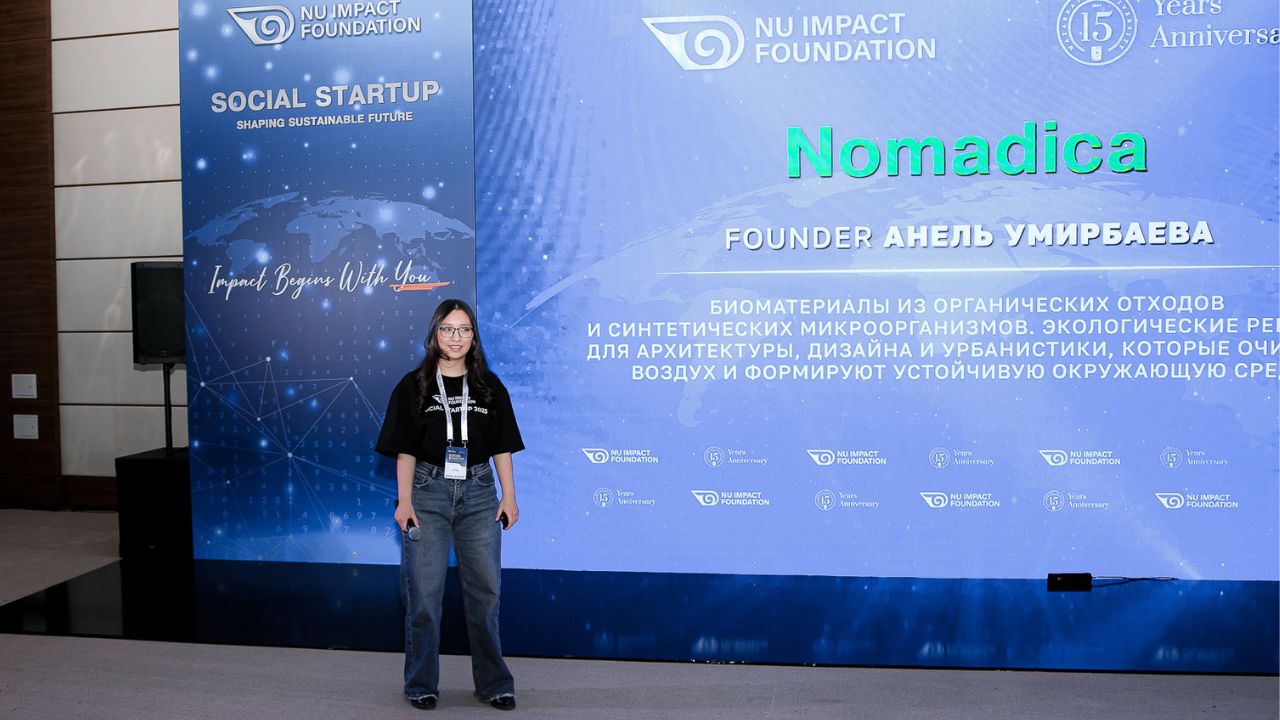
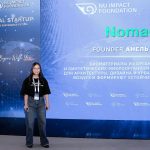
- Nomadica – eco-friendly biomaterials made from reed, wool, and agricultural waste for sustainable interior design.
- VBOX – the first inclusive vending machine system in Kazakhstan, featuring products made by people from vulnerable social groups.
- SoileApp – the first Kazakh-language screen reader with neural speech synthesis for users who are blind or visually impaired.
- AR Sana – an AI-powered speech therapy app with a virtual speech-language pathologist for children aged 3–7.
- Defect AI – an AI platform that automates the review of medical records, reducing errors and freeing clinicians’ time for patients.