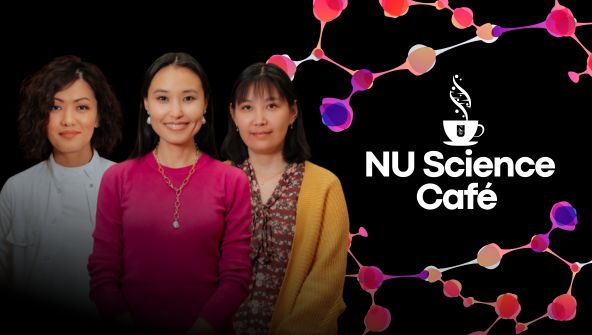
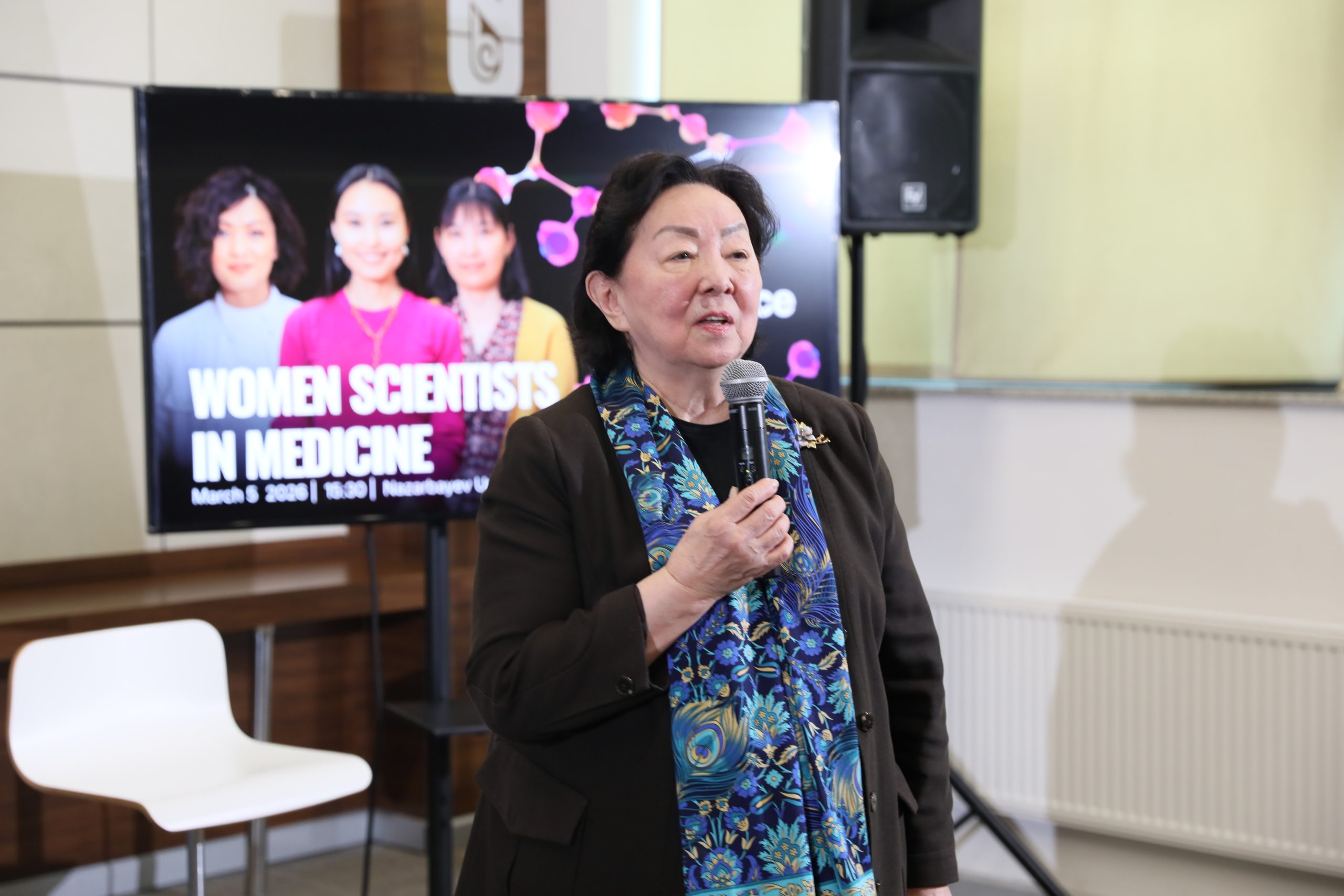
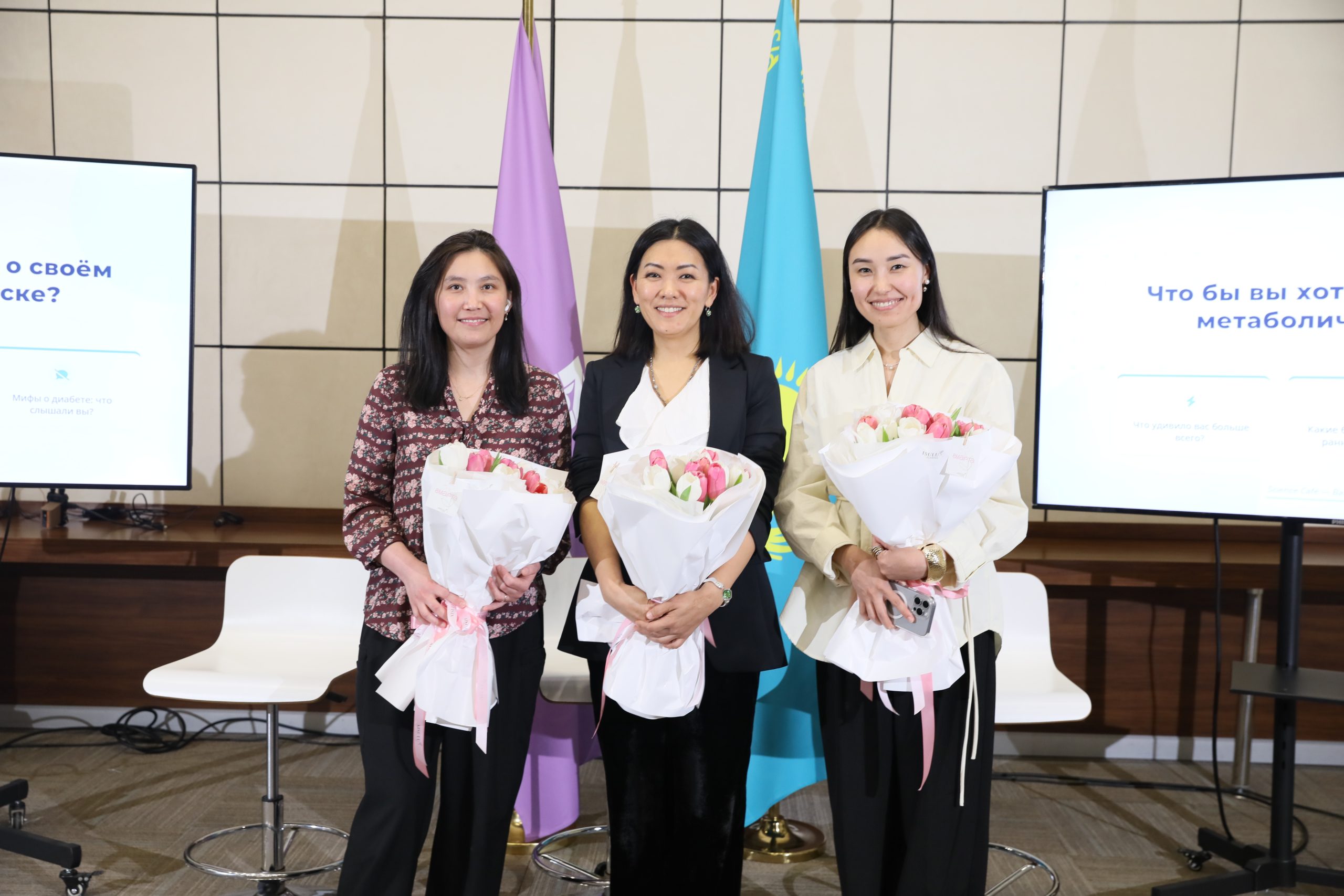
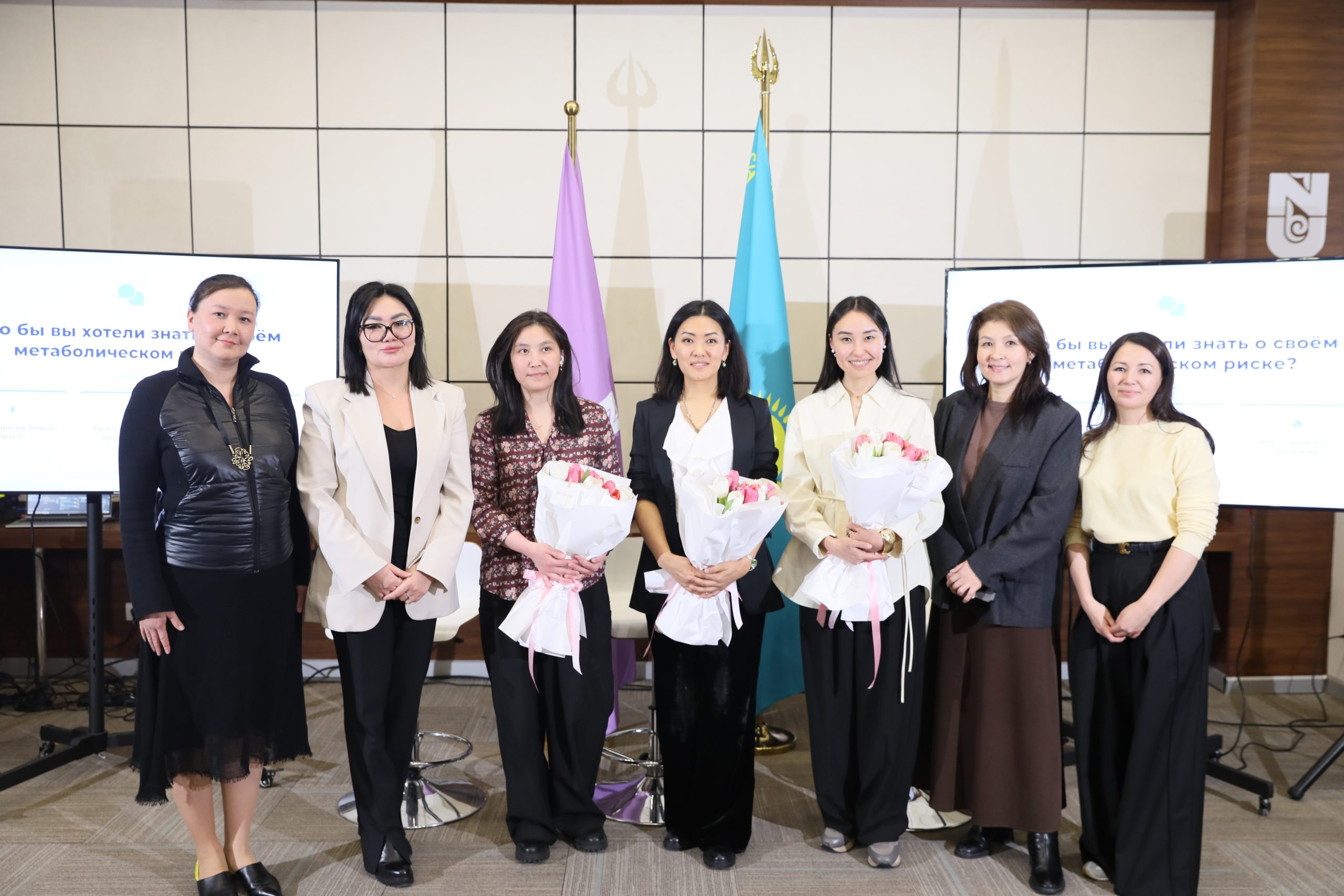
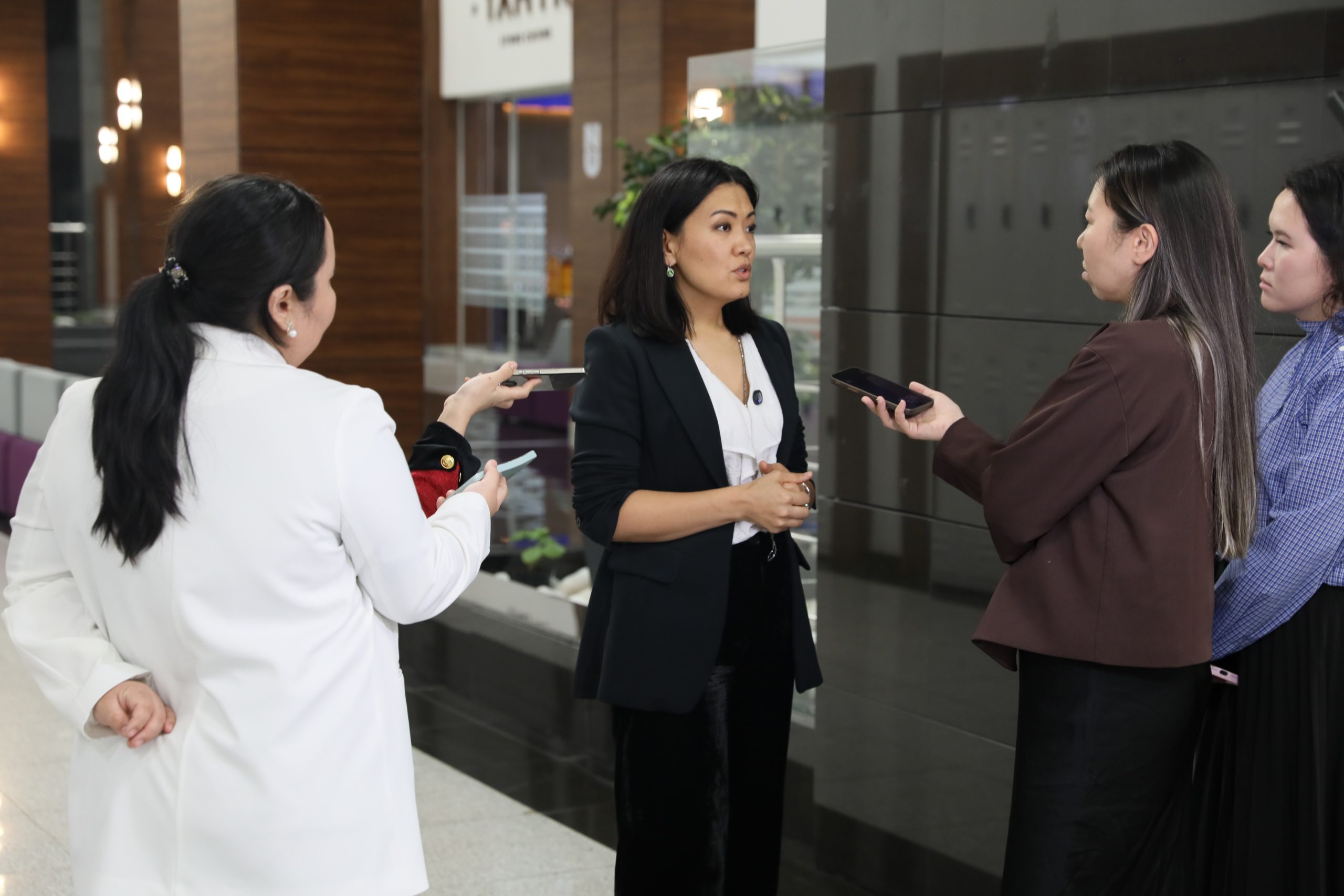
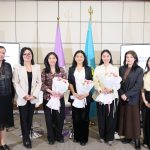
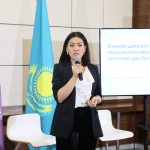
A new session of Science Café was held at Nazarbayev University (NU) — a format where scientists explain research in accessible language. On the eve of International Women’s Day, the NU Press Office organized a meeting for journalists with women professors — practicing physicians who spoke about contemporary research in medicine and healthcare.
The session focused on the role of women in science and medicine and brought together three NU professors whose research addresses key challenges in healthcare, biomedical science, and medical innovation.
Opening the event, Vice President Dr. Khadisha Dairova emphasized the importance of making scientific knowledge accessible to the wider public:
“Science should not remain behind laboratory doors. It must become part of public dialogue. Platforms like Science Café help create a culture where journalists and researchers interact directly so that scientific knowledge reaches society clearly, responsibly, and meaningfully.”
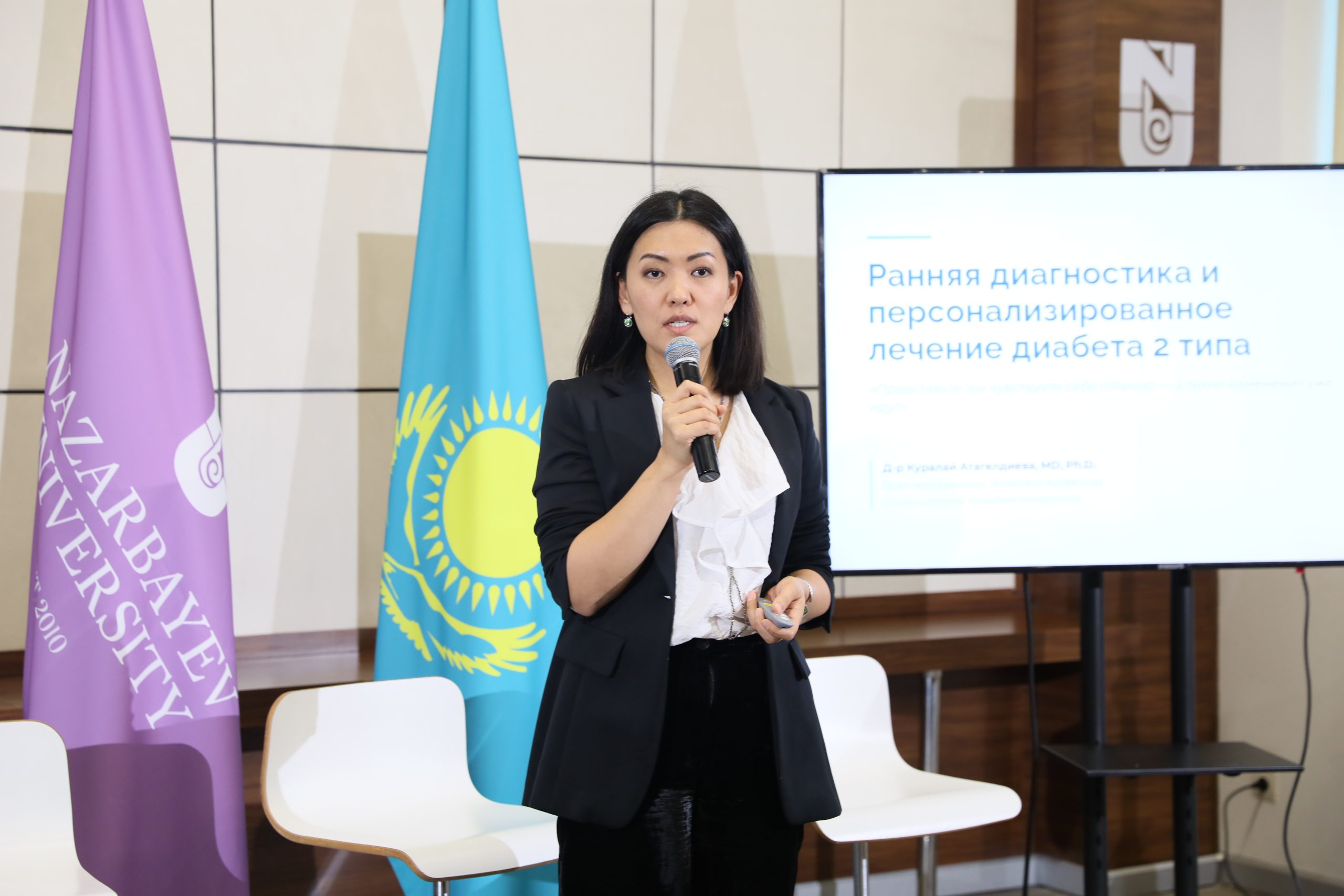
Prof. Kuralay Atageldiyeva explained how early diagnosis and truly individualized treatment can transform the future of care for patients with Type 2 diabetes. She highlighted why it is important to move beyond the “one-size-fits-all” approach and transition toward preventive and targeted therapy. By combining early metabolic markers, patient-specific risk profiling, and personalized therapeutic strategies, Prof. Atageldiyeva demonstrated how interventions can occur earlier, complications can be prevented, and long-term treatment outcomes significantly improved.
Prof. Dinara Galiyeva explored the relationship between nutrition, gut health, and overall wellbeing. She explained how trillions of bacteria in the intestines — collectively known as the gut microbiome — produce short-chain fatty acids that help regulate inflammation and support metabolism. Prof. Galiyeva also clarified the concept of increased intestinal permeability and its potential role in chronic inflammatory diseases. Importantly, she demonstrated how practical, evidence-based nutritional strategies can positively influence these biological processes and improve the course of chronic conditions.
Prof. Kamilya Kokabi discussed autophagy — a fundamental cellular process often described as “cellular renewal.” She explained how this mechanism is tightly regulated to maintain cellular balance and enable adaptation to stress. Prof. Kokabi has conducted research on how autophagy responds to stress, particularly in cancer biology. In her lecture, she presented current scientific evidence, highlighted key areas where further research is needed, and emphasized the importance of rigorous, evidence-based interpretation when translating scientific findings into medical recommendations and policy.
The Science Café initiative at Nazarbayev University was launched earlier this year by the NU Press Office as part of the university’s efforts to strengthen science communication. The idea behind the project is to create a space for direct dialogue between scientists and journalists about science and its significance for society.
The first Science Café session focused on the topic of space debris removal and attracted significant attention from both Kazakhstani and international media. The discussions were covered by leading outlets including TV BRICS, Astana Times, Kazinform, Khabar, Qazaqstan, and many others.