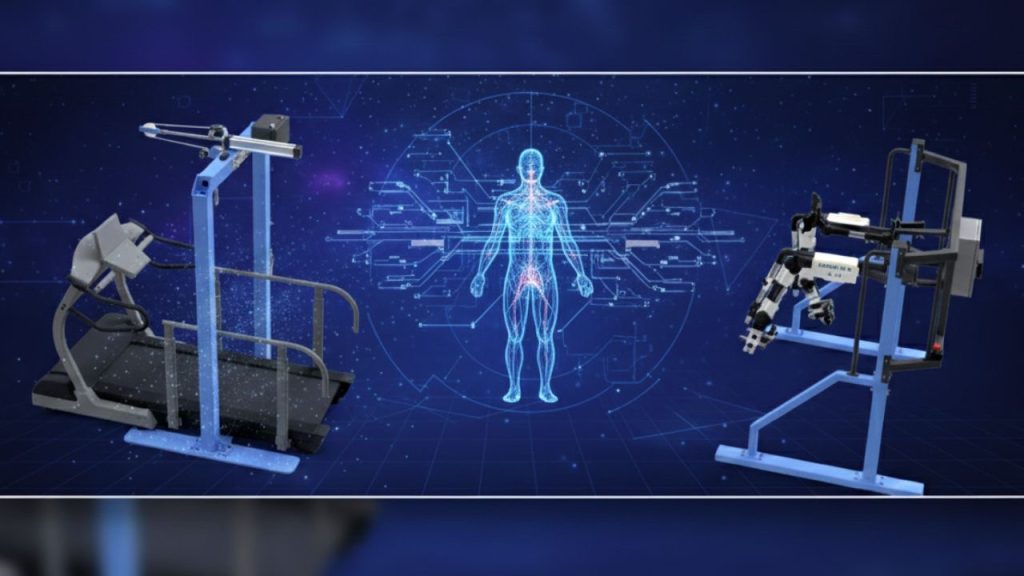
Astana Gait Exoskeleton Assisted Rehabilitation (A.GEAR), an innovative medical device developed by researchers at Nazarbayev University (NU), has completed all stages of state registration and is now ready for mass production.
Designed to support rehabilitation for stroke survivors and people with musculoskeletal disorders, the device has received regulatory approval following a positive review by Kazakhstan’s National Center for Expertise of Medicines and Medical Devices (NDDA).
A.GEAR stands among the few domestically developed high-tech medical devices fully prepared for clinical use. Because it costs several times less than comparable imported systems, it expands access to advanced rehabilitation technologies across Kazakhstan’s health care system and reduces dependence on expensive foreign equipment.
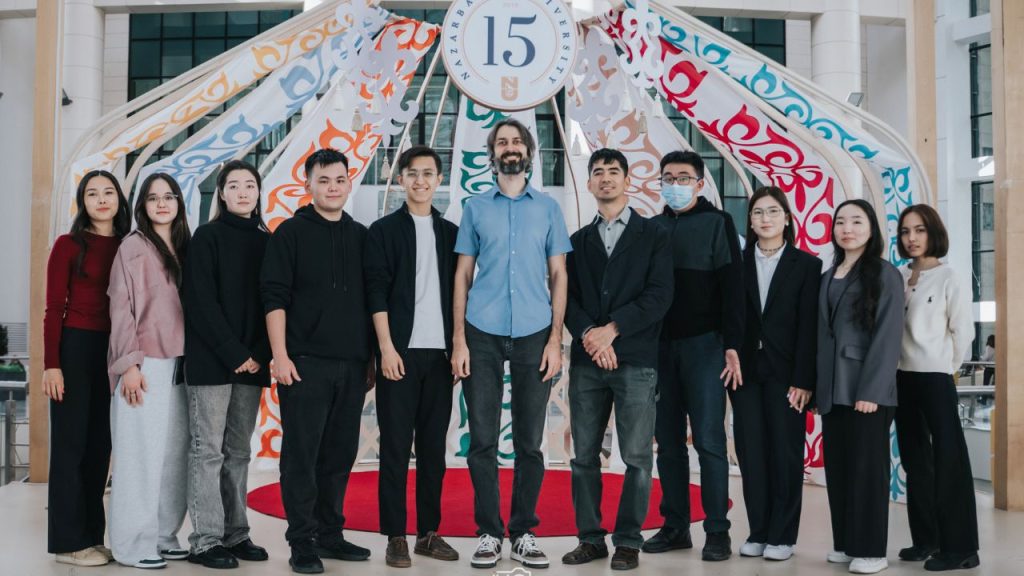
“Worldwide, the journey from scientific idea to medical device implementation usually takes 10 to 15 years. We completed it in just four years—from laboratory research to a certified medical product,” said project leader Prashant Jamwal, professor at NU. He added that the exoskeleton can replace imported rehabilitation robots, save millions of dollars in public spending, and broaden patient access to modern recovery technologies nationwide.
The team began development in late 2021 at the NU’s Center for Excellence in Medical Robotics & Research (CEMRR). The company Robotics and Artificial Intelligence, led by NU graduate Shyngys Dauletbayev, now oversees commercialization.
NU President Waqar Ahmad highlighted the broader significance of the project. “We are proud that our university’s scientists are among the top 2% of the world’s best researchers. Their developments not only contribute to the development of Kazakhstan, but also contribute to global progress in medicine and technology.”
Medical centers in Karaganda and Astana conducted clinical trials involving stroke survivors and adolescents with cerebral palsy. After the device passed technical and clinical validation and secured regulatory approval, the team began preparing a long-term supply agreement with SK-Pharmacy and searching for a distribution partner.
ТОО Robotics and Artificial Intelligence plans to produce at least five exoskeleton units in 2026 at the Nazarbayev University Technopark, with capacity expected to expand for future deliveries to medical institutions and the gradual replacement of higher-cost imported equipment.