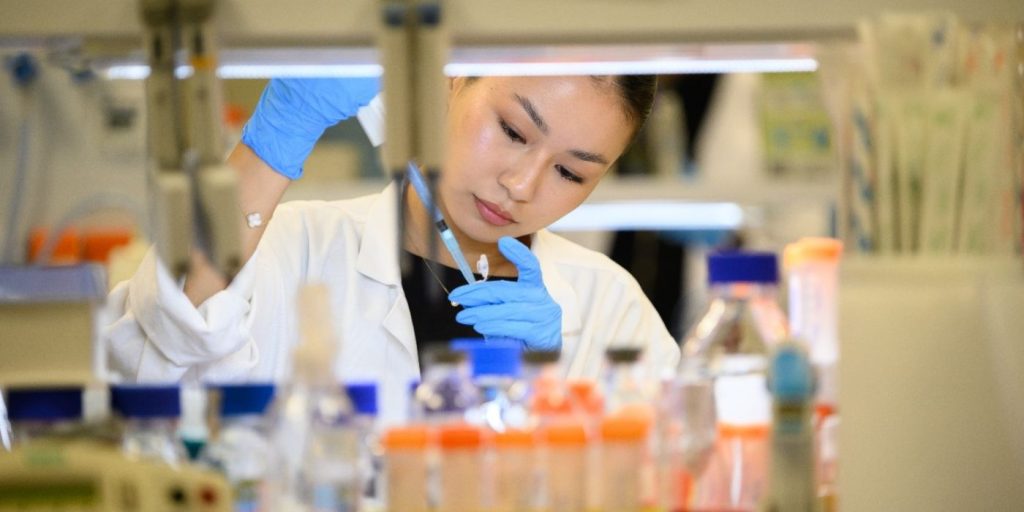
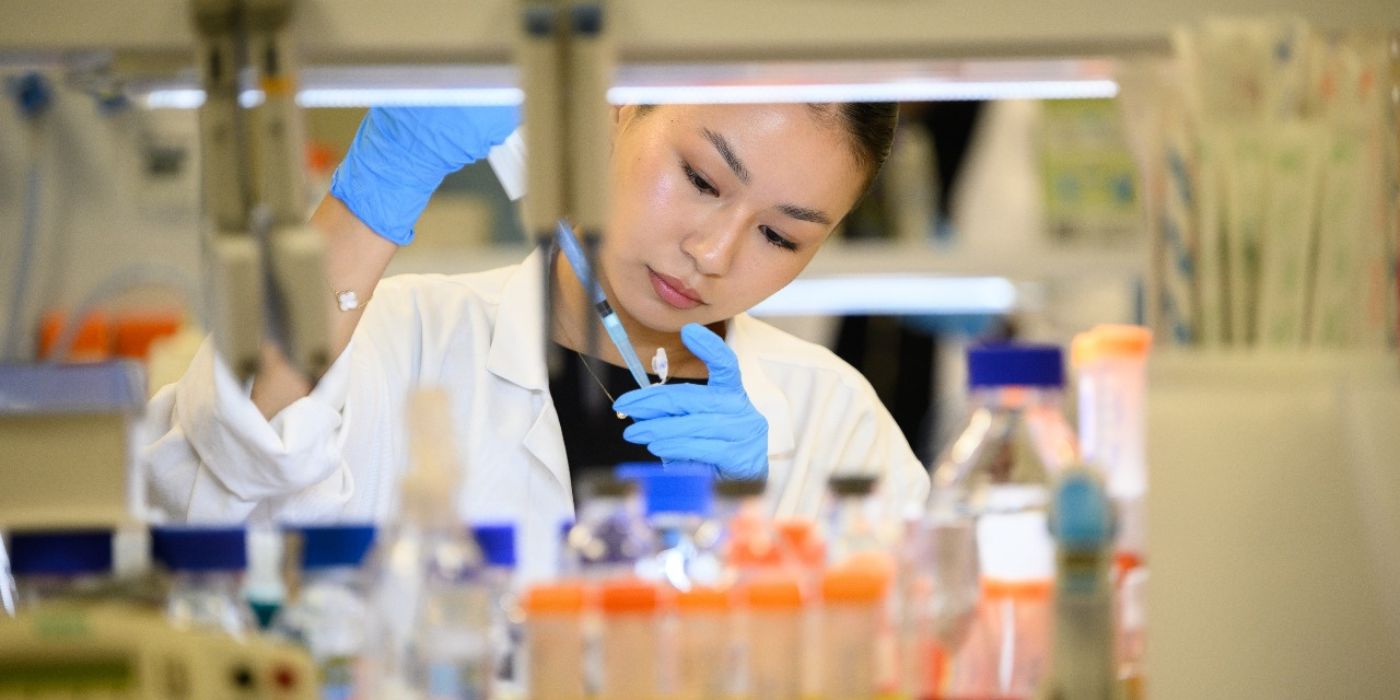
Nazarbayev University (NU) is hosting an international conference bringing together leading specialists in archaeology, genetics, ancient DNA studies, climate and disease history, linguistics, and other disciplines. The event coincides with the inauguration of NU’s new Archaeogenetics Laboratory, a facility that will enable cutting-edge research into the genetic history of Eurasian populations from the Bronze Age to the present day.
Participants from the United States, France, Hungary, Turkey, Japan, Korea, and Kazakhstani universities are collaborating to uncover new insights into human mobility, adaptation, and cultural exchange across Eurasia.
NU invited Dr. Taylor Hermes, an anthropologist from the University of Arkansas (USA), who in his speech emphasized the deep historical and cultural significance of horse domestication in Kazakhstan.
“The archaeological evidence of horse domestication here in Kazakhstan is very strong. The Botai culture shows that people organized their lives around horses – for food, riding, management, and tool-making. Most recently, ancient DNA research has provided the clearest evidence of early horse domestication. The new ancient DNA lab at NU is incredibly important because it allows this type of science to be carried out locally, by scientists in Kazakhstan.”
Moreover, those horses domesticated by the Botai people set the stage for some of the earliest examples of animal management in Kazakhstan. Even for people not usually interested in archaeology, discussions of horse domestication or the origins of kumys ignite curiosity about the past and help connect people to the place they live today.
NU Professor Uli Schamiloglu emphasized the transformative impact of modern scientific methods:
“Chemical analyses of bones and organic residues, along with genetic studies and research on historic epidemics and climate change, give us a totally different understanding of Eurasian history, including Kazakhstan. These approaches open new perspectives on how societies adapted and evolved over time.”
Dr. Paula Dupuy, Associate Professor at NU, highlighted the interdisciplinary nature of the event:
“This conference expands the scope of archaeology beyond traditional boundaries, exploring how STEM disciplines can contribute to a field long associated with the humanities. Archaeology now has its feet firmly planted in both the humanities and the hard sciences.”