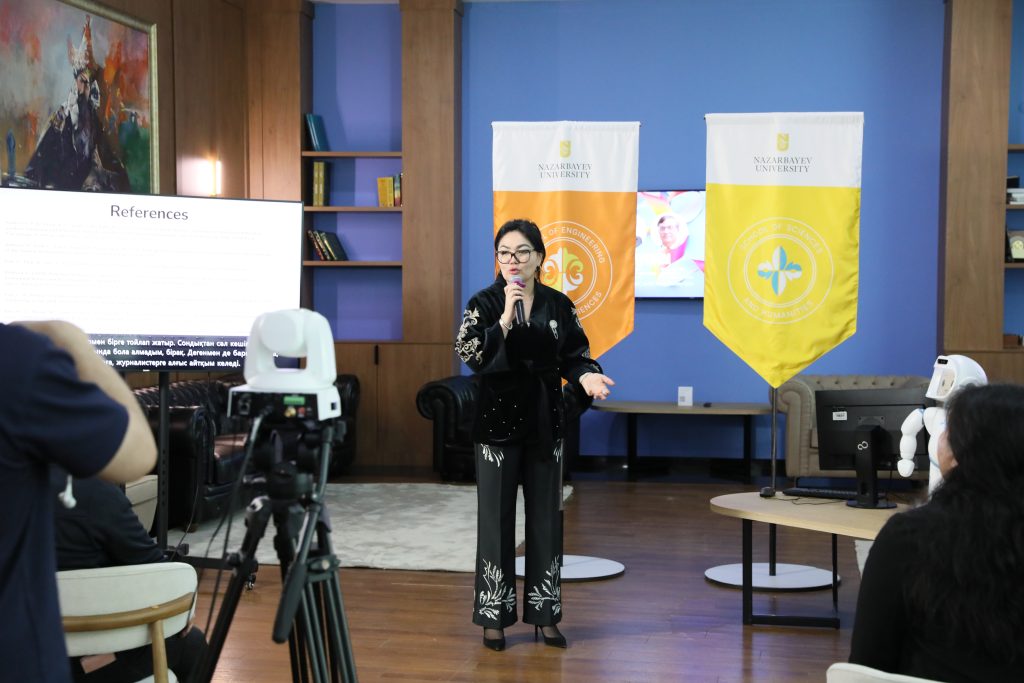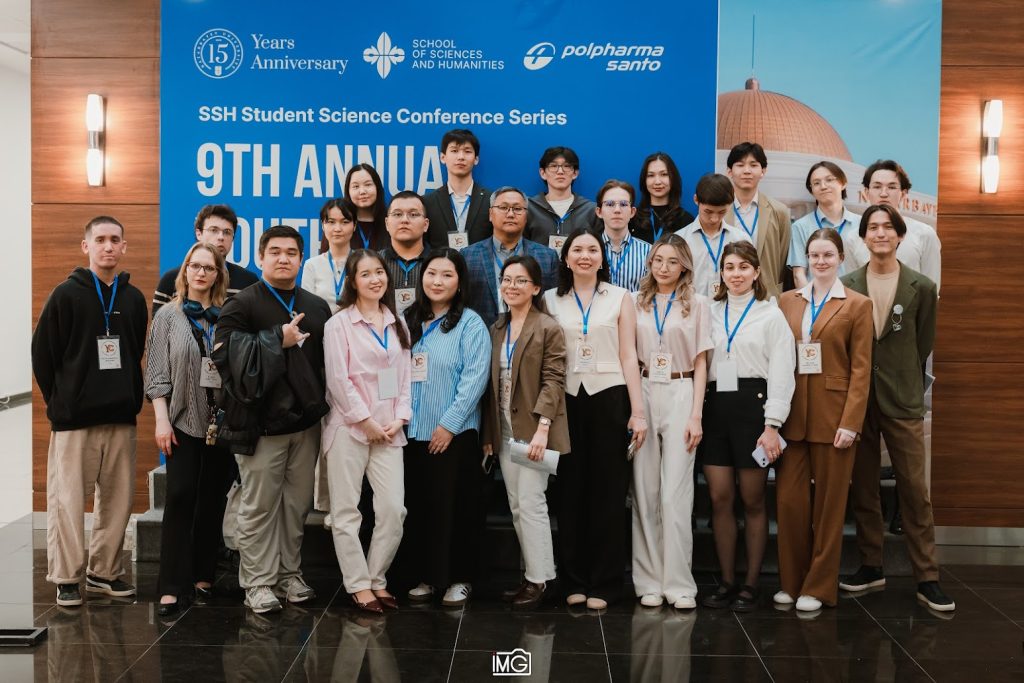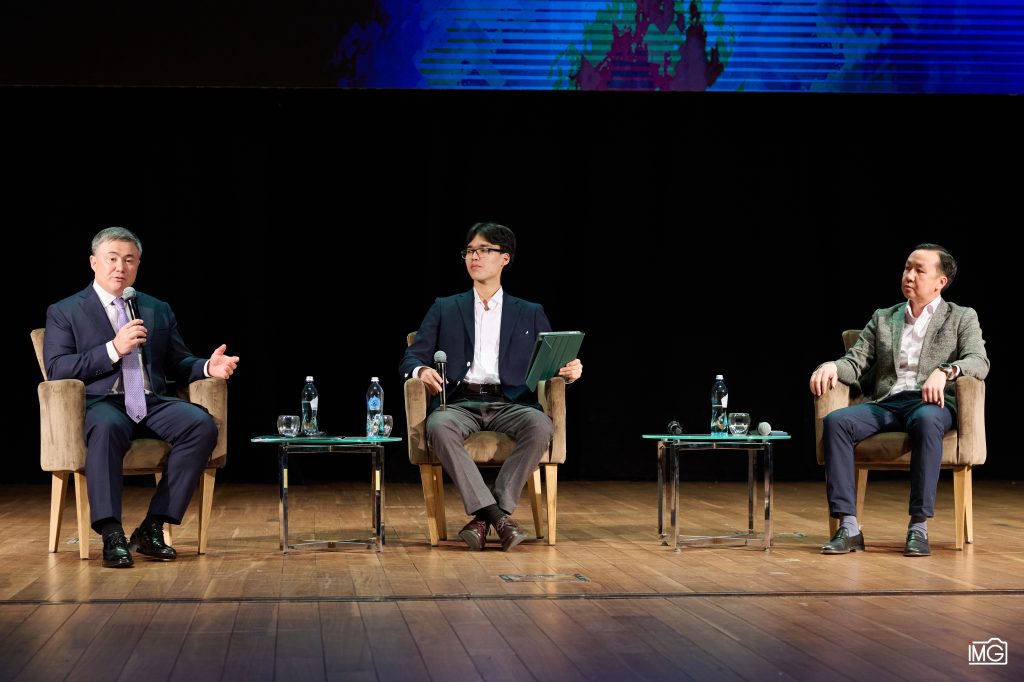
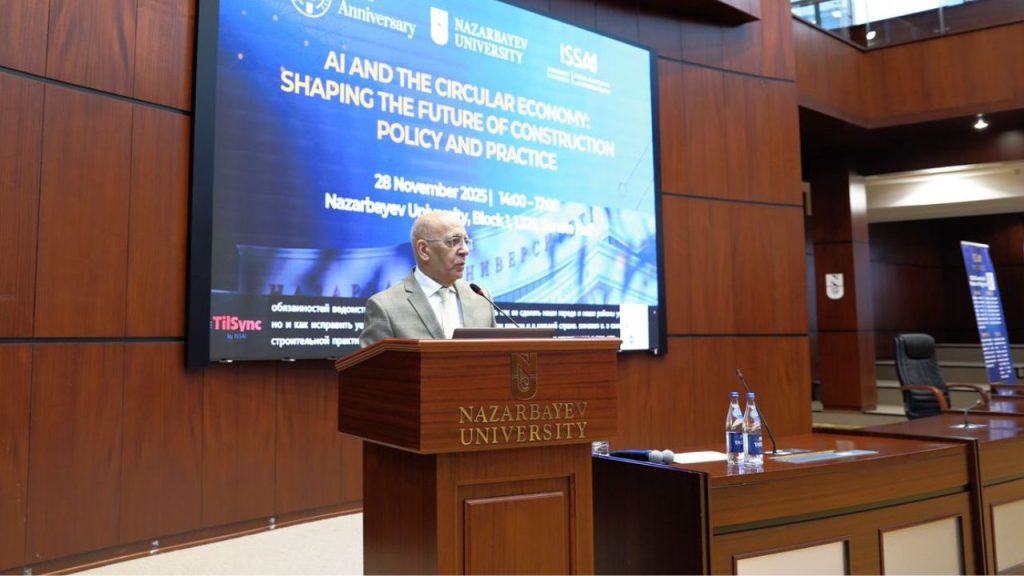
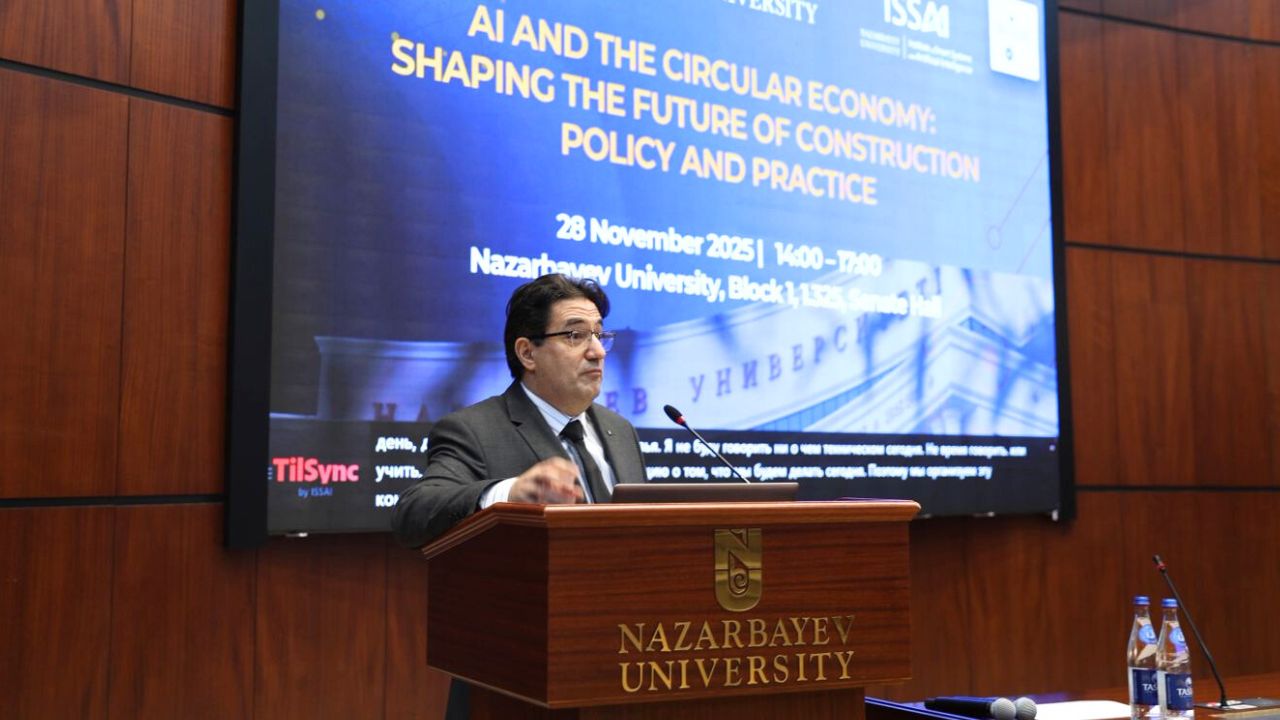
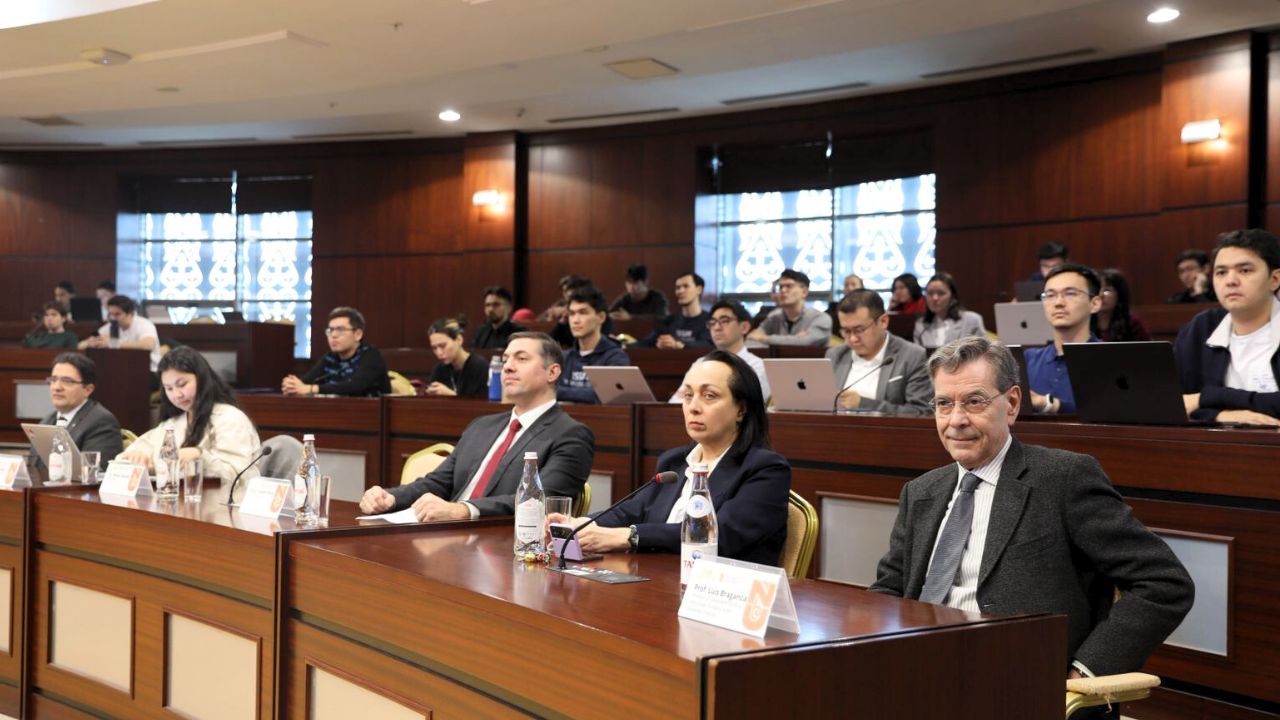
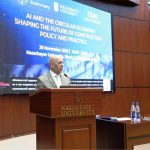
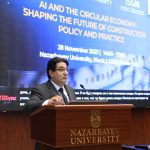

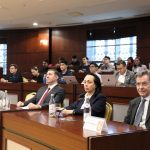
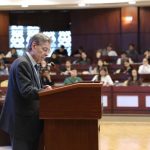
Nazarbayev University (NU) hosted more than 120 experts, policymakers, researchers, and students for the conference AI and the Circular Economy: Shaping the Future of Construction Policy and Practice, organized by the University’s Institute of Smart Systems and Artificial Intelligence (ISSAI). The event focused on how artificial intelligence can accelerate the transition to circular, resource-efficient construction and more sustainable urban development.
Participants examined digital innovations, data analytics, and circular design strategies that are redefining construction practices. Discussions highlighted AI’s role in providing measurable indicators of urban circularity and supporting greener, smarter, and more resilient cities. This year’s program covered themes including urban resilience, Circular City Indexing (CCI), intelligent construction management, and resource-efficient design.
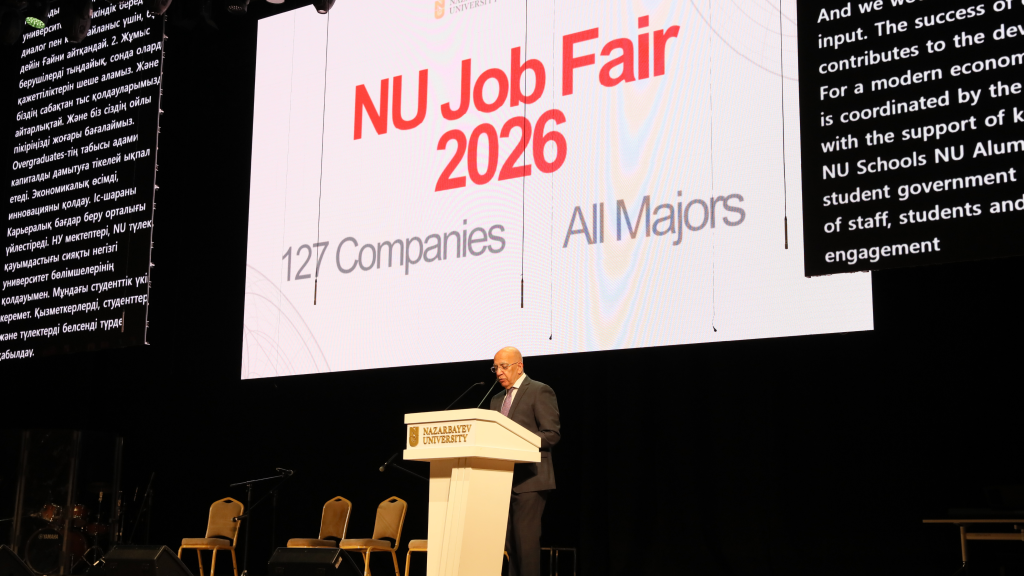
NU President Professor Waqar Ahmad, Professor Ferhat Karaca, and Professor Huseyin Atakan Varol, ISSAI’s director, delivered opening remarks.
“AI is a transportative force, shaping economic development, infrastructure planning, environmental management, and national competitiveness,” said Professor Ahmad. “For countries like Kazakhstan, experiencing rapid urbanization, AI provides an essential analytical foundation.” He emphasized the importance of integrating AI and circular-economy principles to build sustainable and future-ready cities.
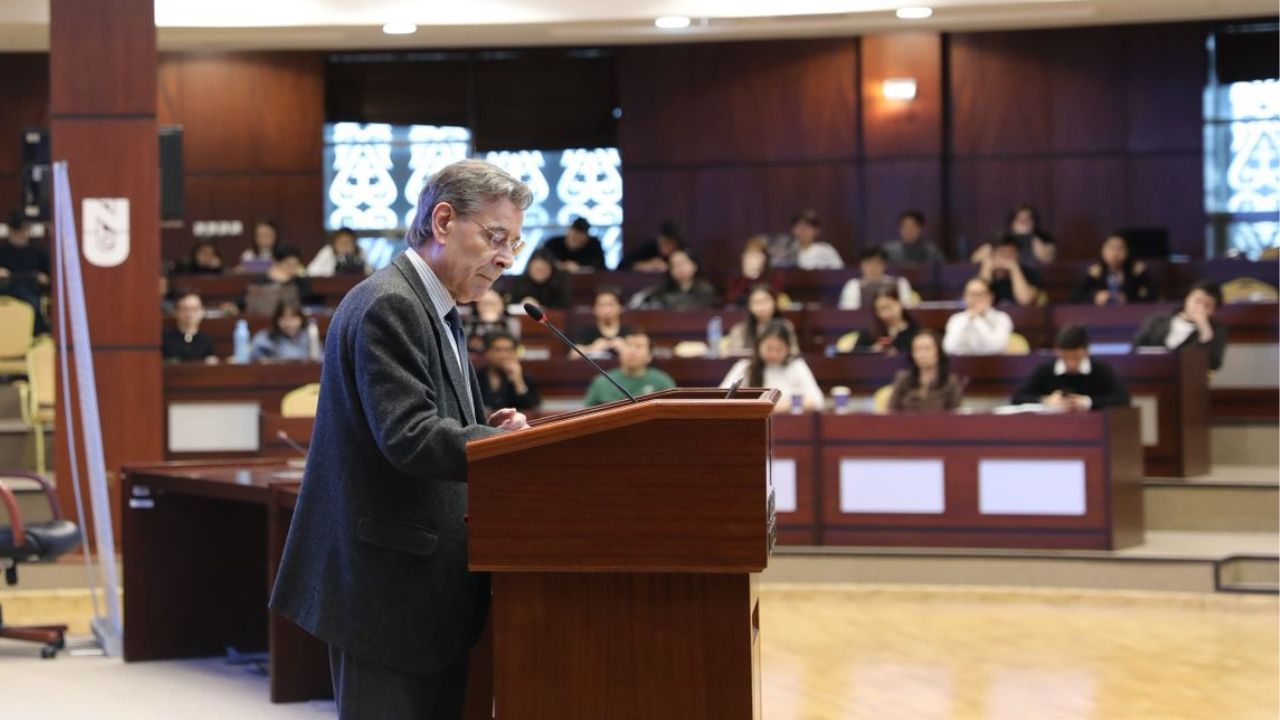
The first keynote address was delivered by Professor Luís Bragança of the University of Minho, coordinator of the EU-funded CircularB project. He presented digital frameworks and lifecycle assessment tools that support circular construction. Professor Bragança noted that circularity becomes achievable when backed by measurable indicators and the right economic and design conditions, adding that AI can enhance the accuracy, efficiency, and scalability of construction assessments.
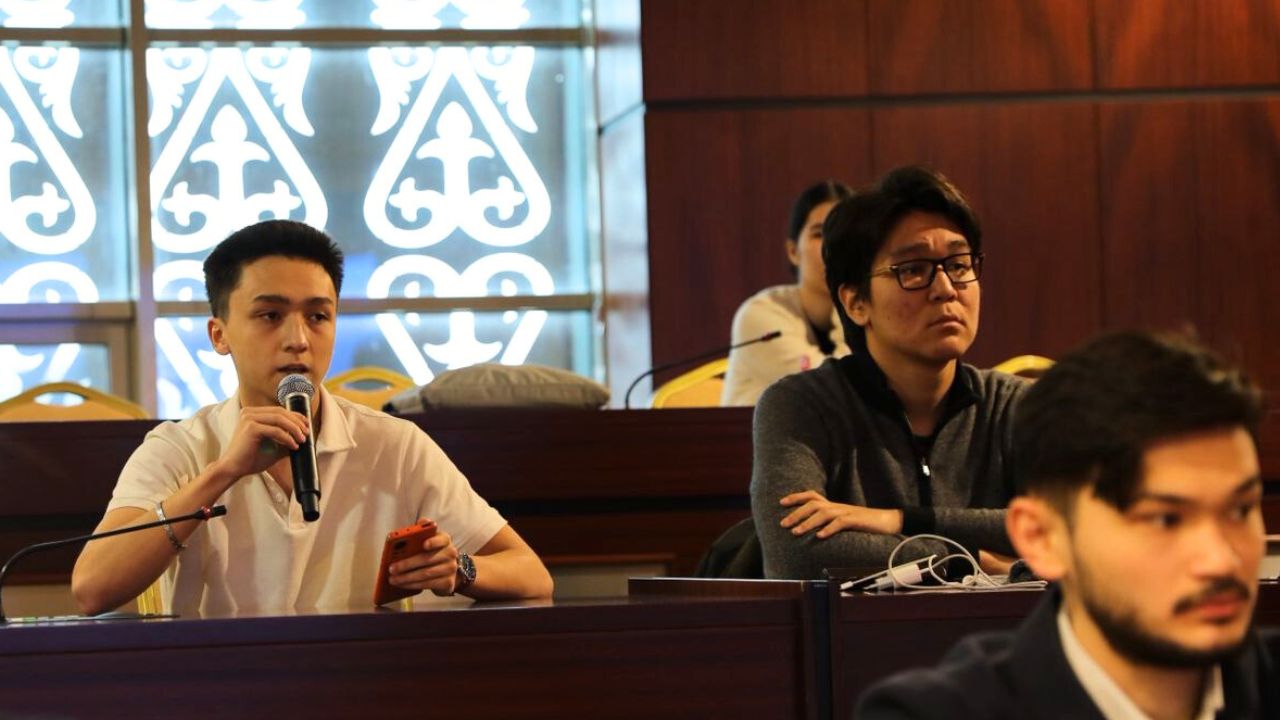
Speakers from the Astana Center of Urbanism, the Kazakhstan Green Building Council, UNDP’s National Urban Development team, and NU also contributed to the program. Throughout the event, students actively shared insights on AI-driven design, circular construction, and the skills needed for future sustainable development.