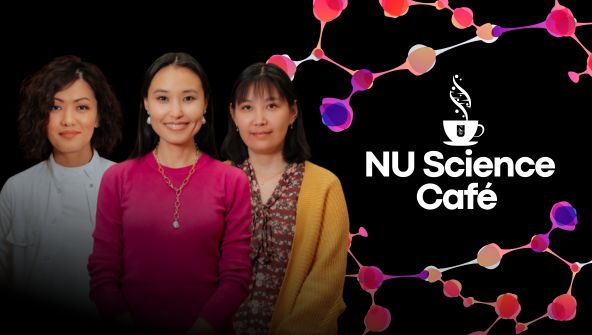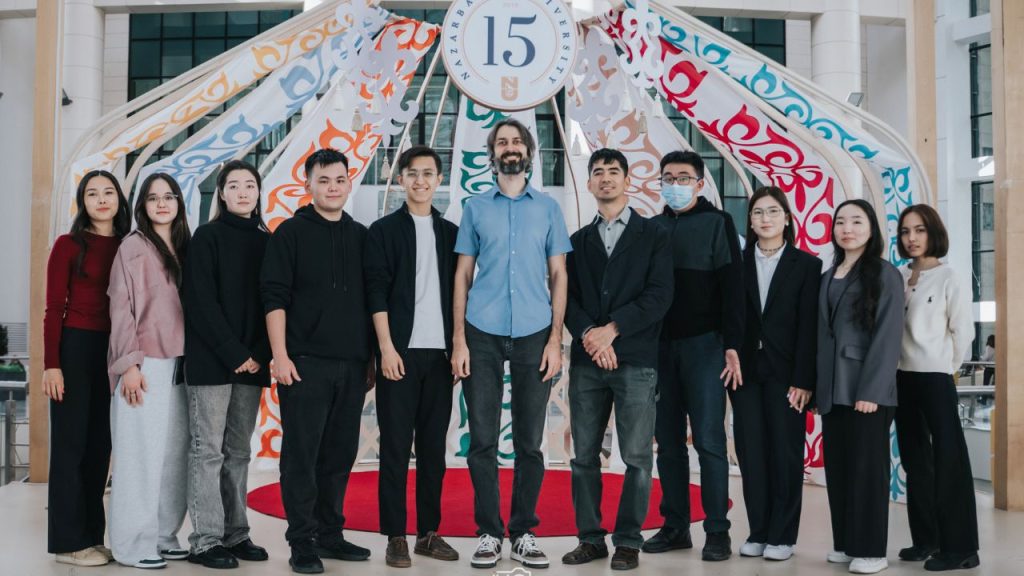
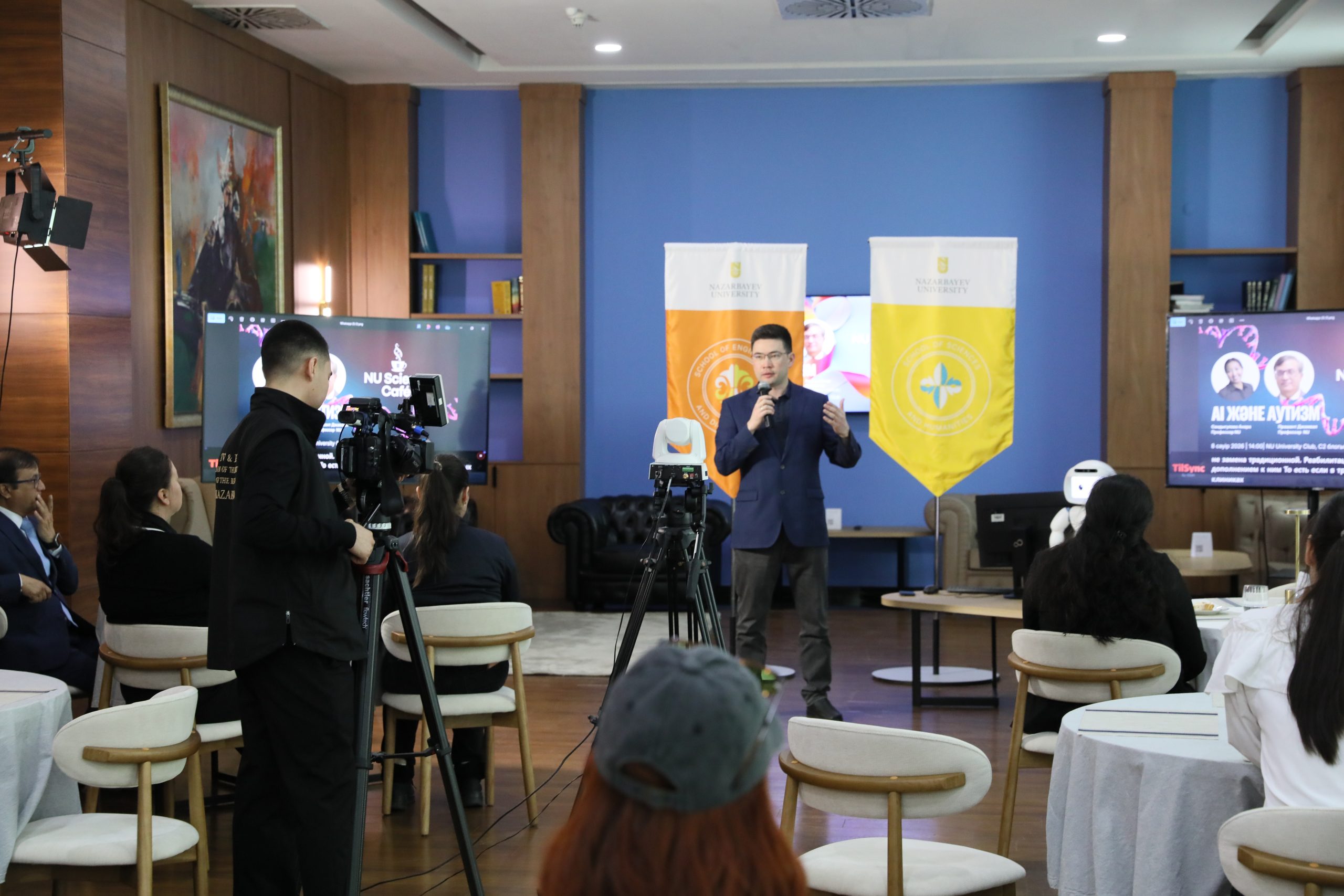
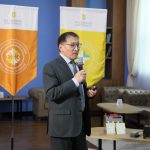
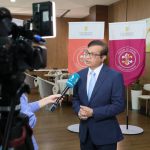
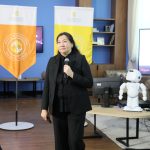
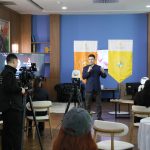
Nazarbayev University (NU) hosted a Science Café event ahead of Kazakhstan’s Science Day, observed annually on April 12. The event brought together researchers, students, and media representatives to present recent developments in air quality monitoring and energy technologies.
Assel Uvaliyeva, Vice President of NU: “Science Day reminds us that research is not just about labs and papers — it’s about real impact on people’s lives. Initiatives like Science Café let us bring scientists and the public together, turning complex discoveries into conversations that matter,” she said.
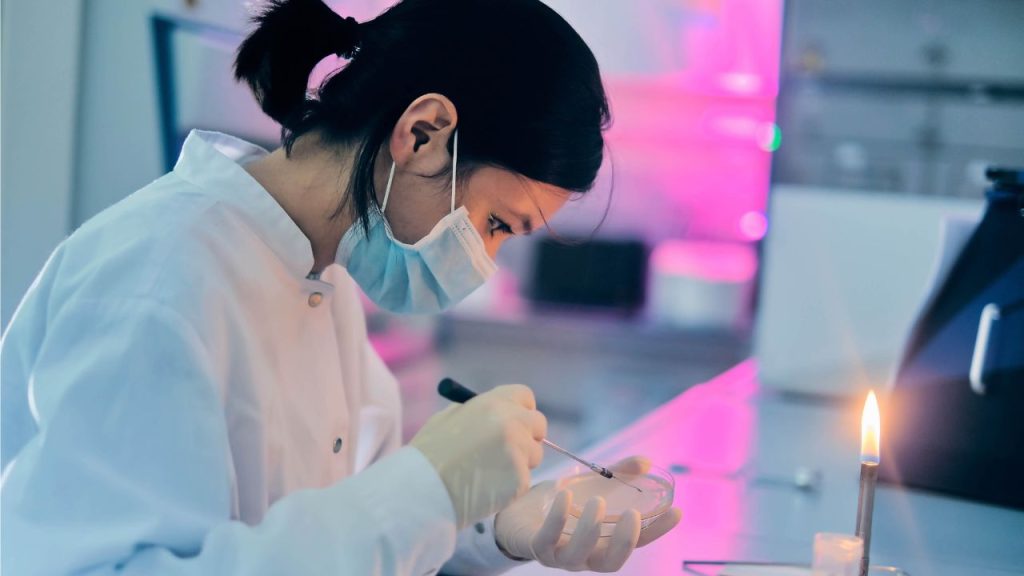
During the event, NU researchers presented recent advancements across a range of scientific fields, highlighting how innovation is being applied to address real-world challenges in Kazakhstan.
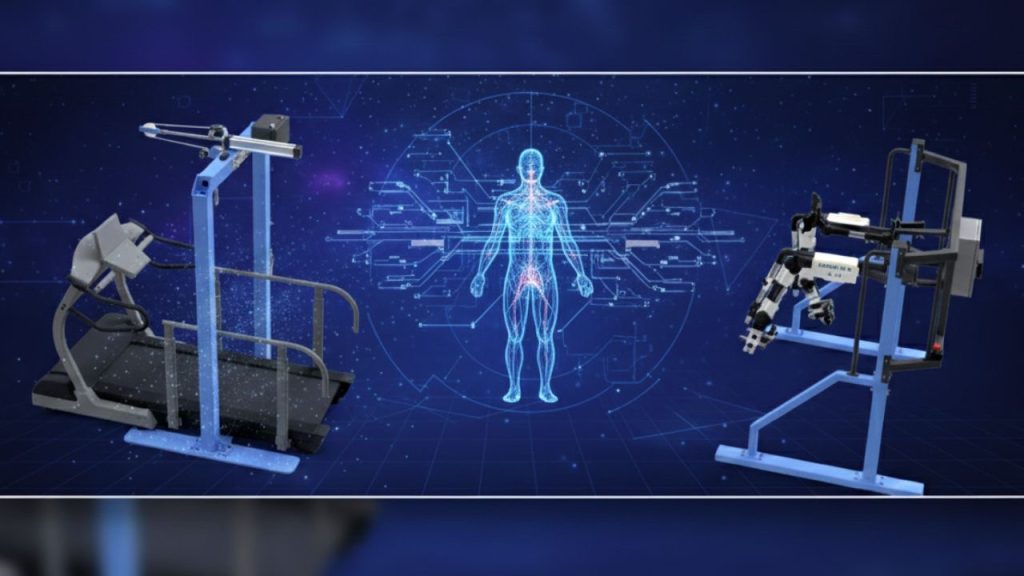
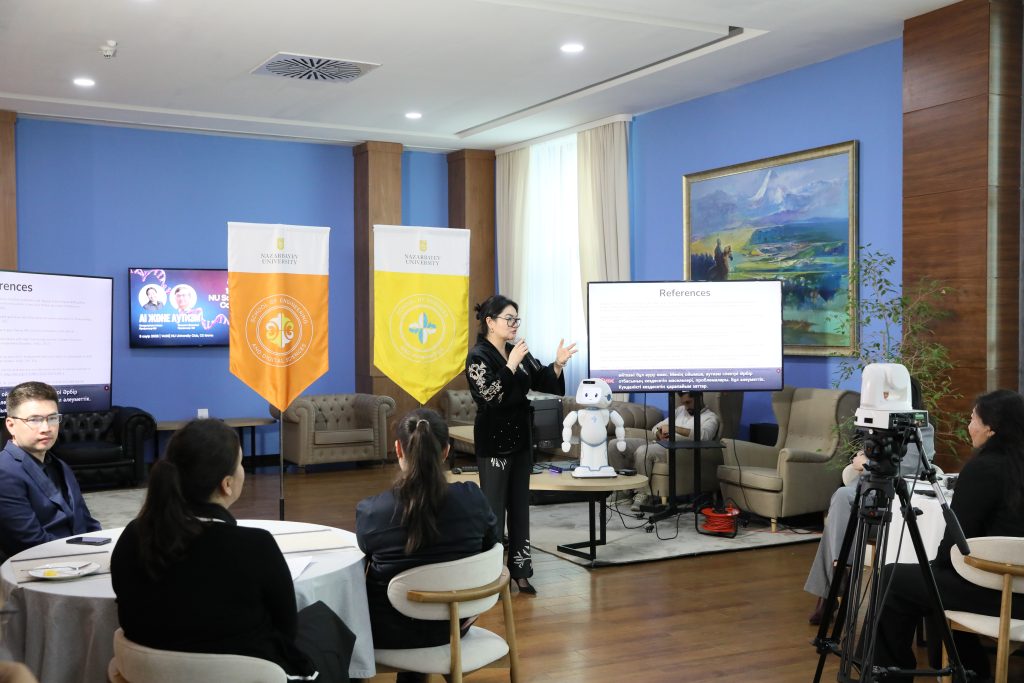
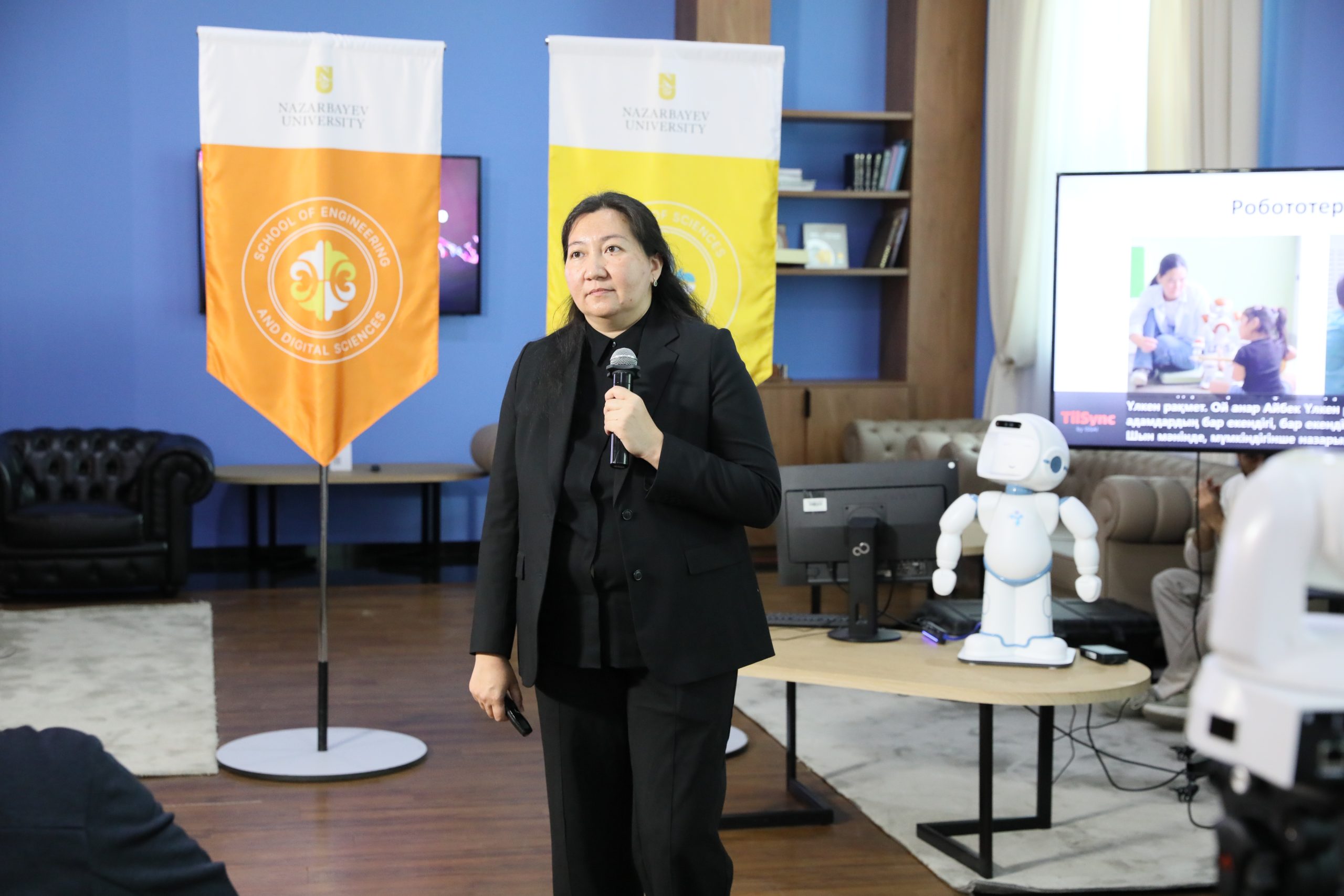
Professor Anar Sandygulova presented a rehabilitation approach for children with autism that uses robot-assisted interaction to support the development of social and communication skills. Professor Prashant Jamwal discussed how AI is being integrated into rehabilitation for children with autism and cerebral palsy, including systems for gait training, balance improvement, and social interaction, with a focus on more personalized and adaptive care.
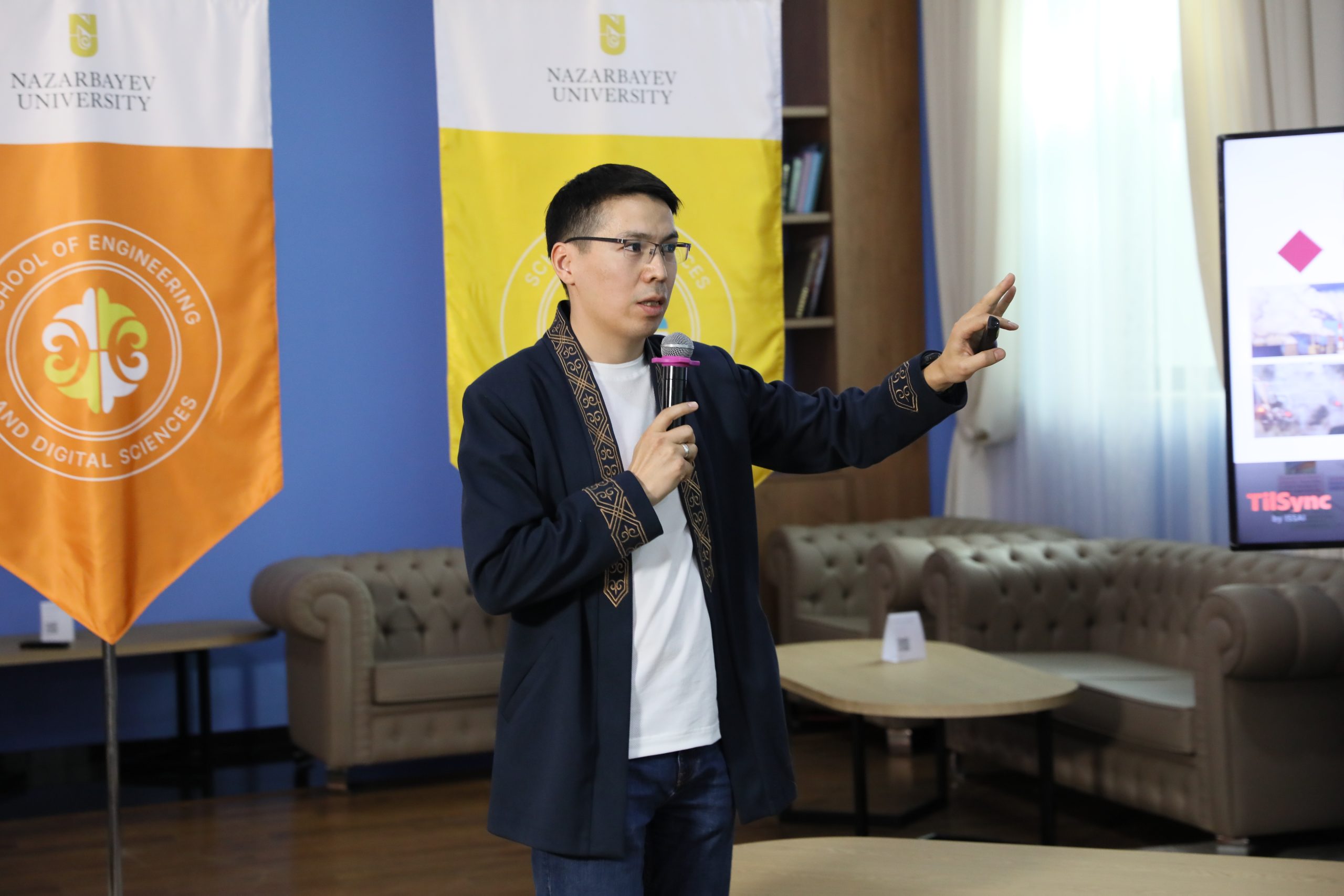
The next session featured Professor Bakhtiyar Soltabaev, who presented research on next-generation gas sensors for air quality monitoring. His work focuses on developing highly sensitive sensors capable of detecting hazardous gases at very low concentrations, as well as the use of artificial intelligence to analyze data and improve the accuracy of pollution detection in urban and industrial environments. He also noted ongoing engagement with major energy companies interested in the potential application of these technologies.
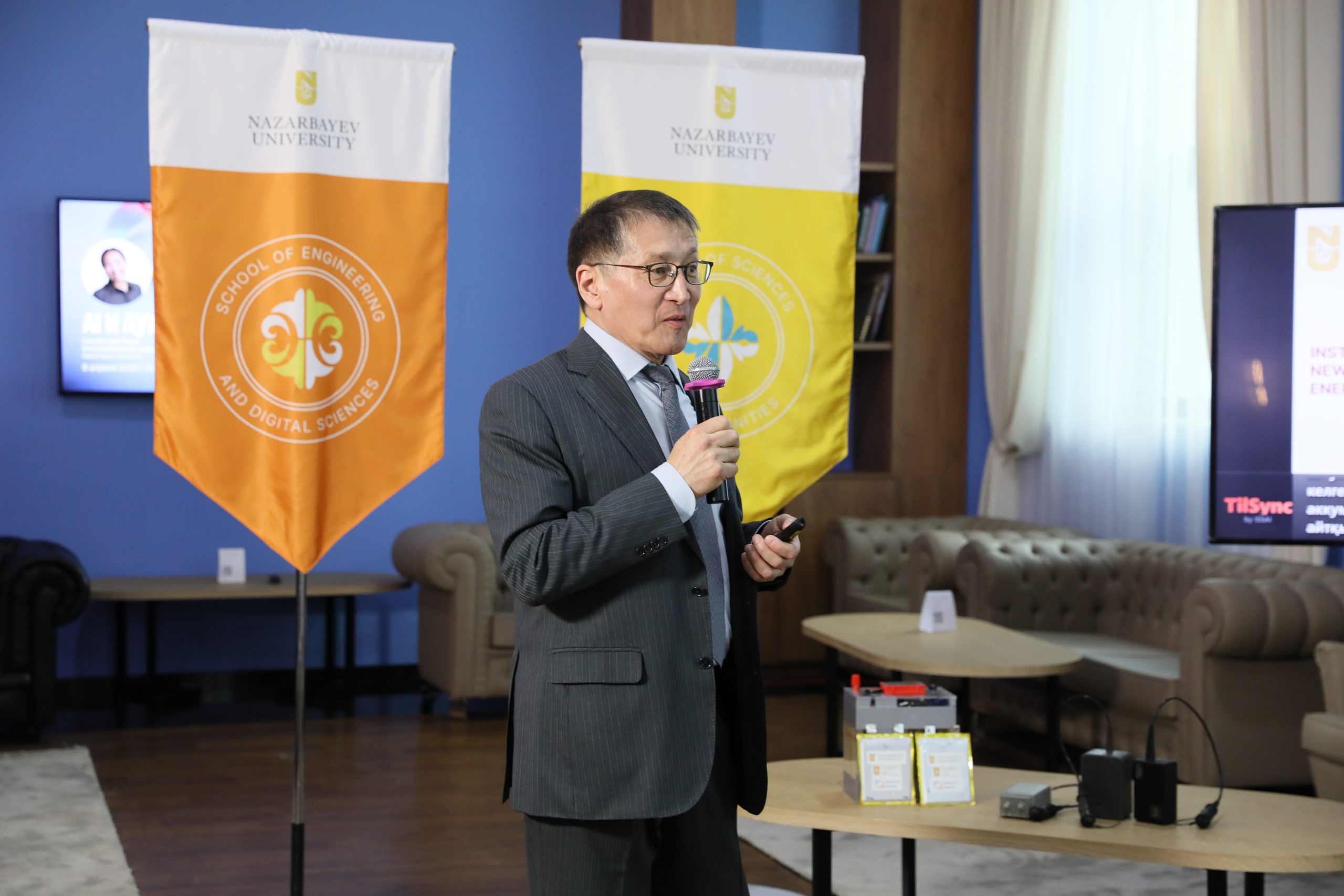
The final session featured Professor Zhumabay Bakenov, who introduced the newly established Institute of Materials and Energy Technologies (INMET) at NU. He outlined the institute’s focus on applied research and commercialization, including developments in lithium-ion batteries, hydrogen technologies, and advanced materials. The presentation highlighted efforts to build domestic technological capacity and strengthen collaboration with industry partners to accelerate the transfer of research into practical applications.
Science Café is an initiative of the NU Press Office designed to create an open platform for dialogue between researchers, media, and the wider public. The series aims to present complex scientific topics in an accessible format and encourage discussion around research with real-world impact.
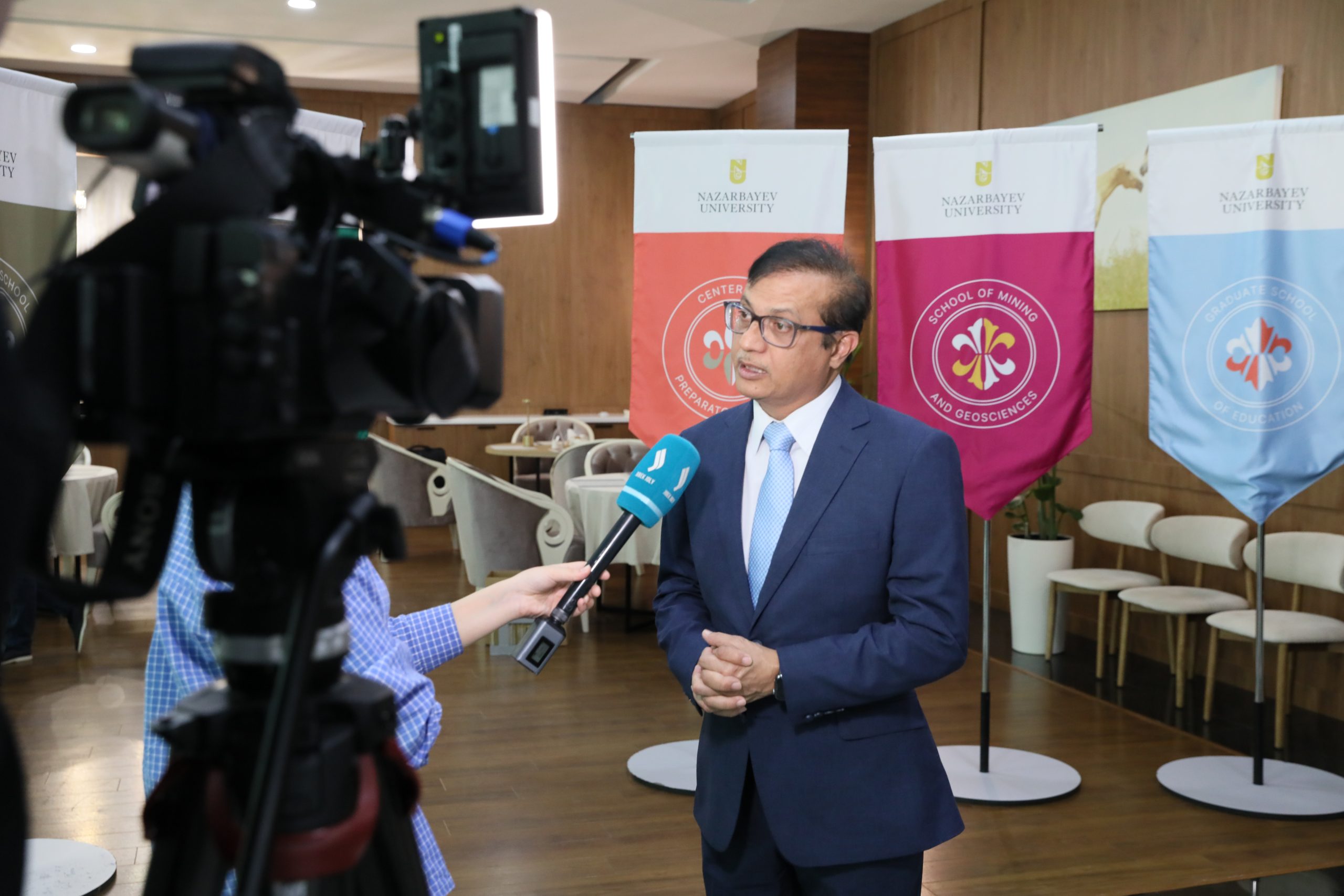
Since its launch in January 2026, Science Café has established a platform to engage the media and the public with cutting-edge research. Traditionally, science news received limited coverage in Kazakhstan, but the initiative has attracted strong attendance and follow-up reporting from major outlets, including KazInform, National Geographic, El.kz, Baq.KZ, Egemen Kazakhstan, Khabar, Zakon.kz, Astana Times and many others.
The project has already covered a range of topics. The first session featured Dr. Dmitry Sizov, who spoke about space debris and its implications, while a March session brought together medical researchers — Dr. Kamilya Kokabi, Dr. Kuralay Atageldiyeva, and Dr. Dinara Galieva — to discuss autophagy, diabetes, and the gut microbiome.
Looking ahead, Science Café aims to further strengthen science journalism in Kazakhstan by providing the media with direct access to NU research and creating compelling stories that bring complex scientific topics to the public.