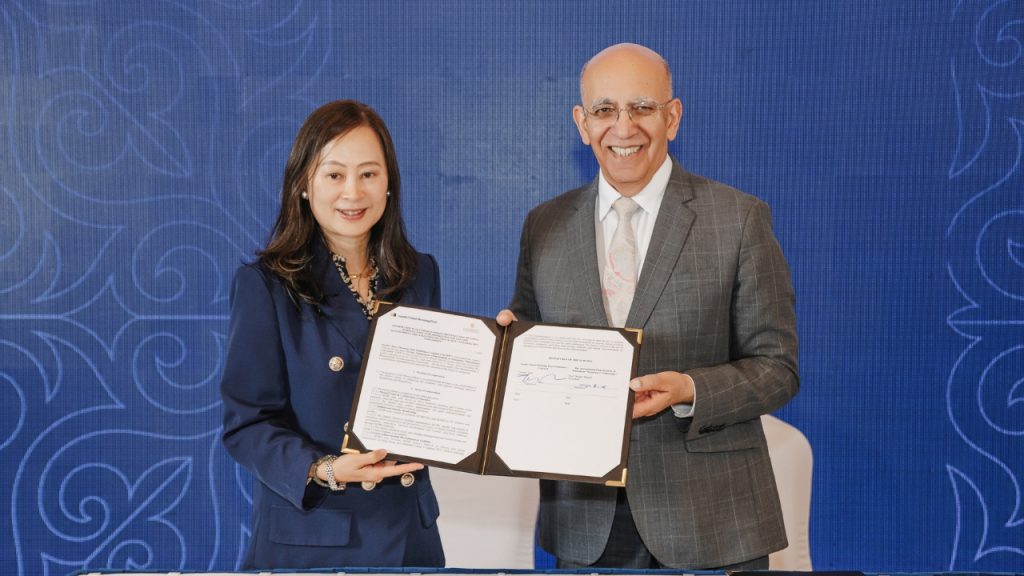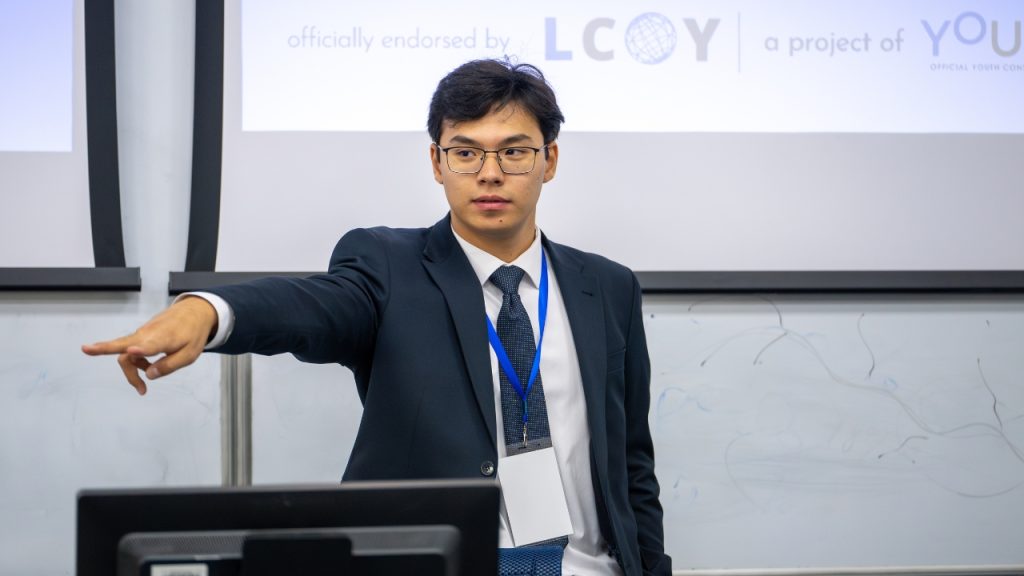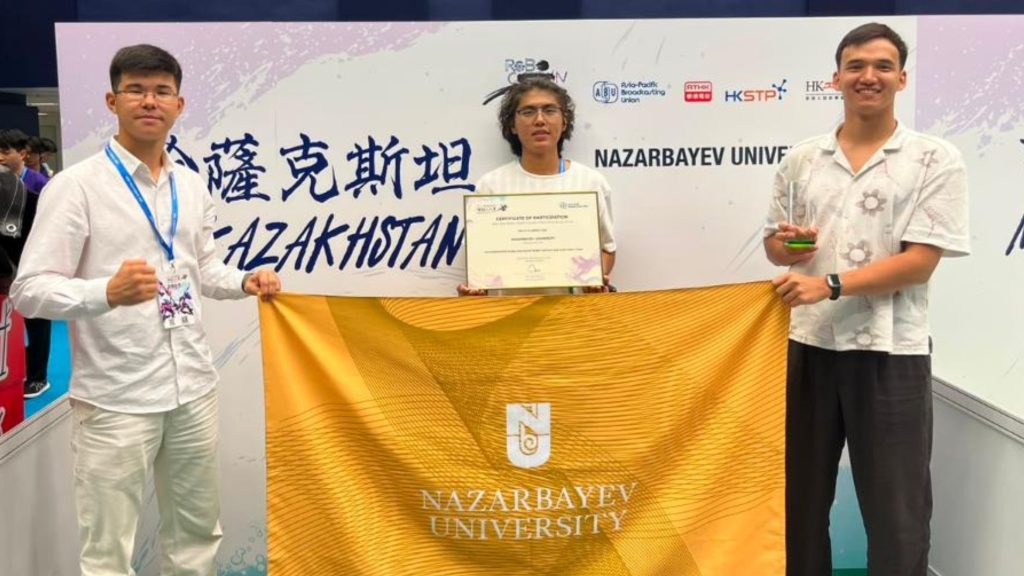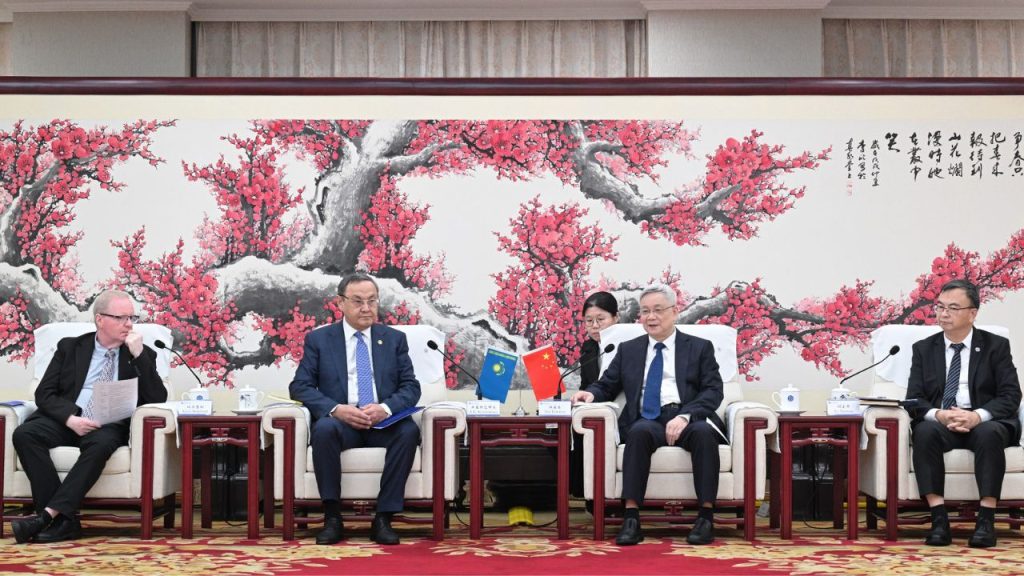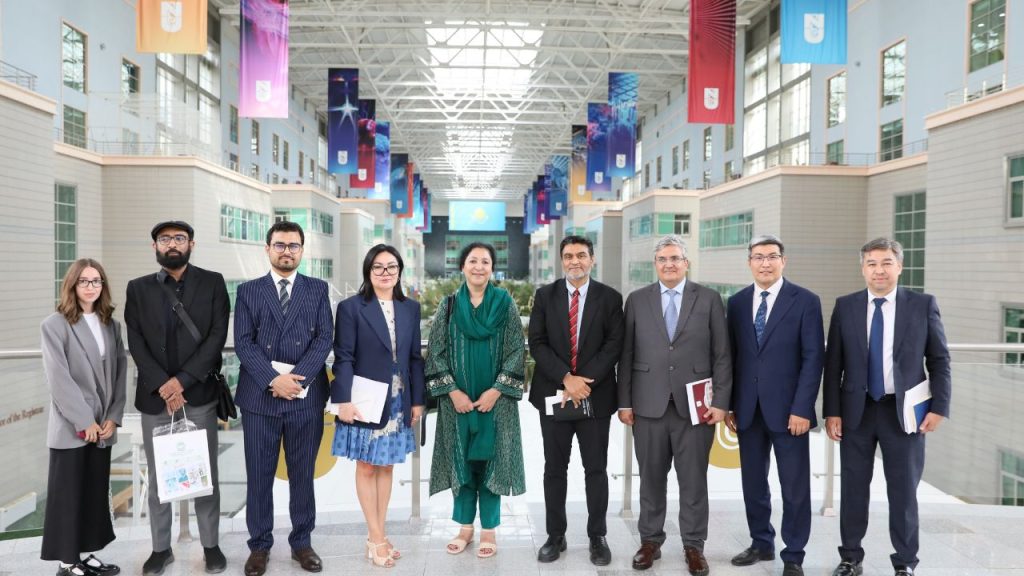
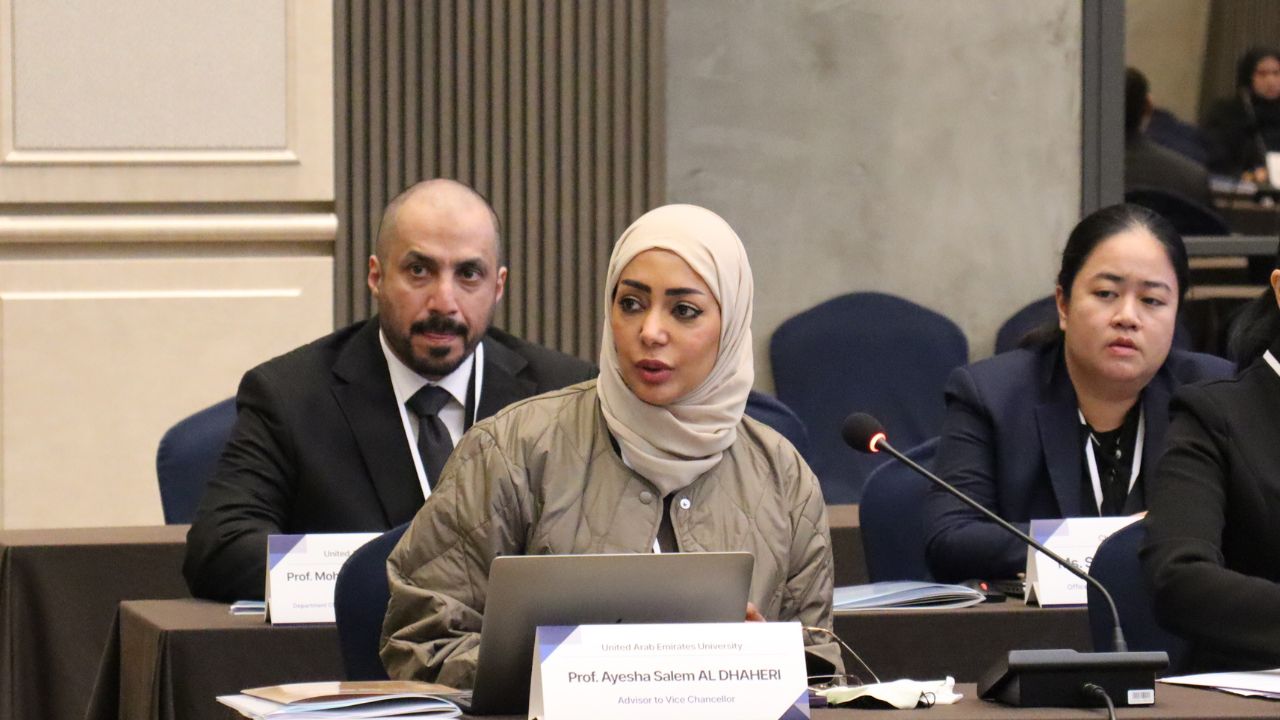
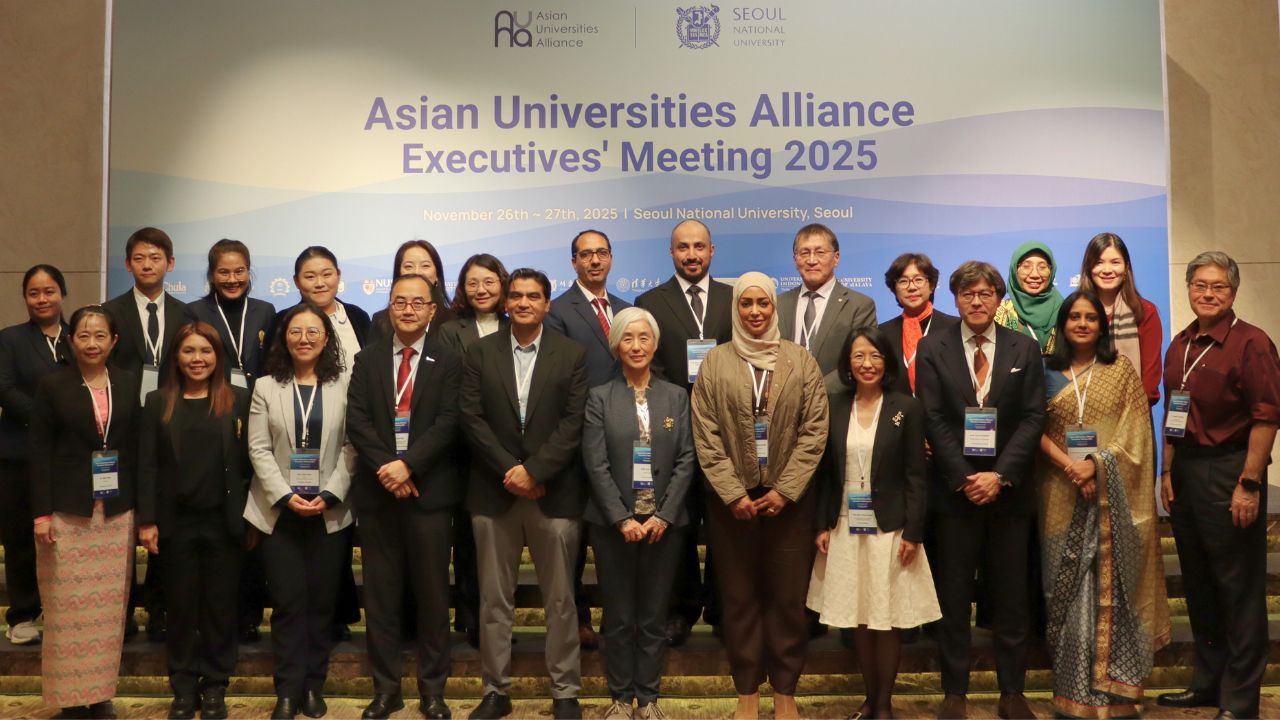
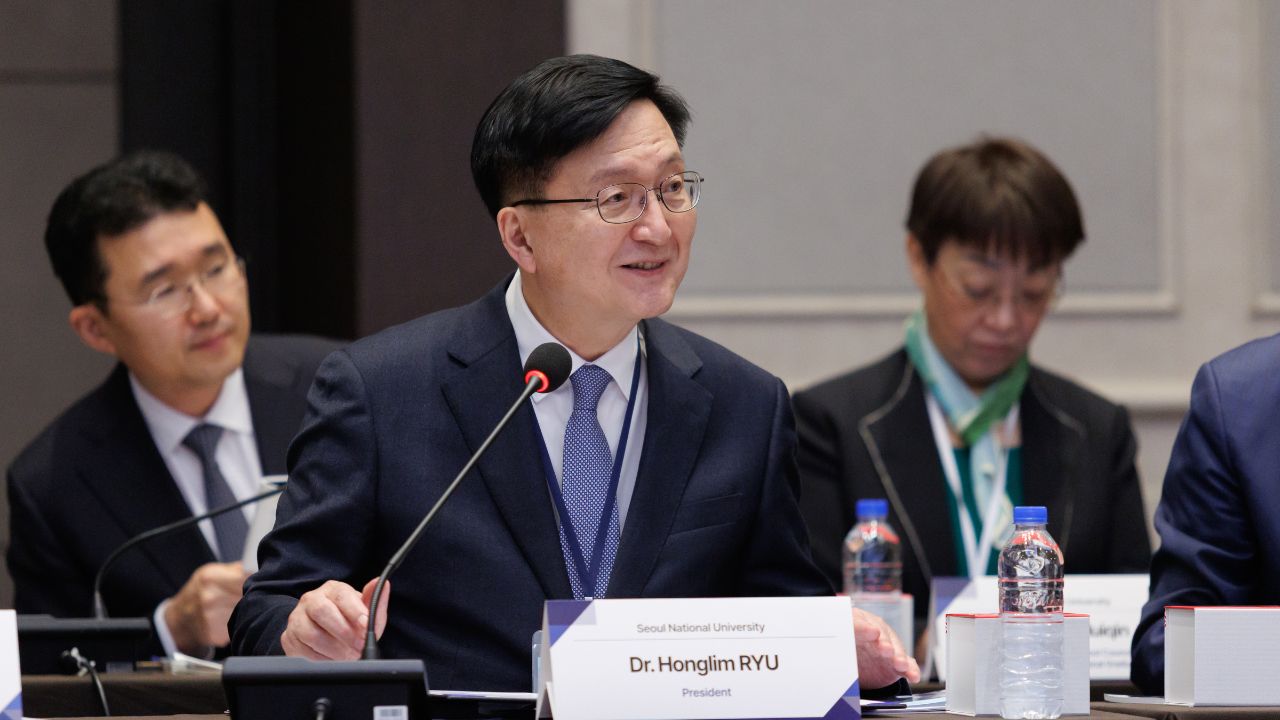




University leaders across Asia gathered Nov. 25–27 for the annual Asian Universities Alliance (AUA) Executives’ Meeting, hosted by Seoul National University (South Korea). The meeting brought together senior administrators for panel discussions and strategic working groups focused on curriculum reforms, digital learning ecosystems, and global talent mobility. The event opened with remarks from leaders of Seoul National University, Tsinghua University, and the United Arab Emirates University. Nazarbayev University (NU), ranked in the 401–500 band globally and #1 in Central Asia and the Caucasus by the Times Higher Education World University Rankings 2026, was represented by Provost Rehan Sadiq and Acting Vice Provost for Research and Innovation Professor Zhumabay Bakenov. NU leaders highlighted the university’s growing regional and international profile.
Two AUA working groups – Financial Sustainability and Membership and Observer Admission — held meetings to discuss budget allocation, corporate partnerships, membership expansion, and proposed constitutional amendments. A major focus of the gathering was the AUA Framework 2026–2029, where members reviewed progress, considered timelines for future proposals, and discussed strategic priorities for the next cycle.
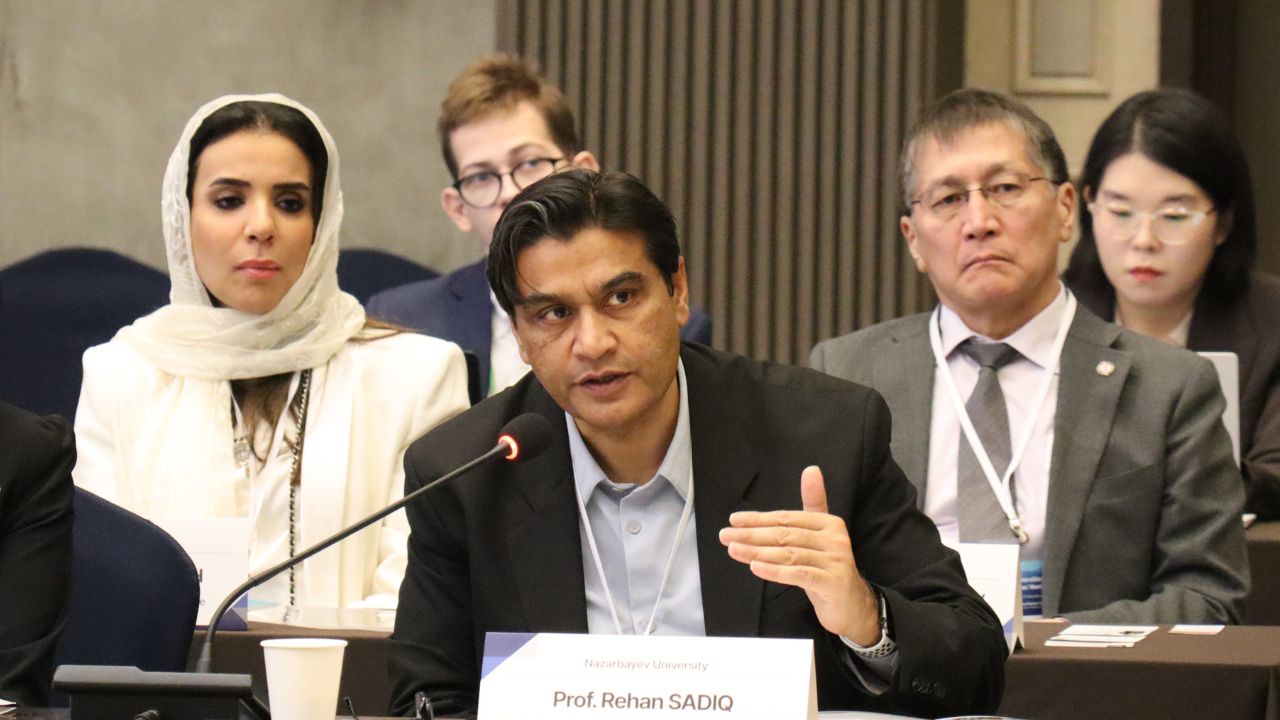
Provost Sadiq chaired and moderated the Financial Sustainability working group and later joined a panel discussion on attracting and retaining international talent in Asian universities. AUA members emphasized that although universities must remain grounded in their national contexts, global engagement is essential for academic excellence. Many Asian institutions continue to face obstacles to international recruitment, including language limitations, differences in academic systems, and limited post-graduation career pathways.
Professor Sadiq noted that international student mobility has more than tripled since 2000, with approximately 7 million students (in year 2022) studying outside their home countries which is projected to grow to 10 million students by year 2030. Asia remains the largest source region, led by China, India, and Uzbekistan. Countries such as the United States, Australia, Germany, Canada and Japan have all reported increases in international enrollments in recent years.
“Attracting high quality international students is essential for universities seeking to enhance their global appeal, research excellence and diversity in their student bodies,” said Professor Sadiq. He emphasized that to effectively recruit in Asian Universities, we must understand the dynamics of key markets, international students’ professional and social needs, and immigration and post graduation work regulations of host countries.
He also highlighted the potential of AI to strengthen Asian universities’ competitiveness by offering personalized services, streamlining administrative processes, and improving student engagement. He proposed a shared digital learning platform for AUA members modeled on streaming services.
“Instead of each university developing siloed platforms, the AUA can establish a unified digital “campus.” This platform would be a shared resource, jointly governed and branded under the AUA umbrella,” said NU provost. “This means shifting from rigid, semester-long lectures to “bite-sized,” modular learning experiences. Faculty and researchers from across the member institutions, from Tsinghua in Beijing to the University of Tokyo and IIT Bombay, would co-create modules on topics of regional significance, such as sustainable urban development, public health in diverse environments, or AI ethics in Asia.”
Professor Sadiq added that the goal is not only to share educational material but to build a cross-border academic community through virtual clubs, joint projects, and live discussions connecting students from different countries.
Asian Universities’ leaders also explored curricular innovation, governance barriers, interdisciplinary program design, and opportunities for joint program development.
About the Asian Universities Alliance
The Asian Universities Alliance was founded in 2017 at Tsinghua University in Beijing by 15 member institutions. Nazarbayev University is a founding member. The alliance now includes 19 universities committed to advancing academic collaboration and addressing shared regional and global challenges.