Over 27,000 education professionals have completed professional development courses at NU Graduate School of Education.
What competencies are essential for today’s education leaders? How can they integrate cutting-edge technologies, harness artificial intelligence, and manage strategic transformations? These questions are at the core of the new professional development programme “Regional Leadership in Education: Innovations and Artificial Intelligence in Action.“
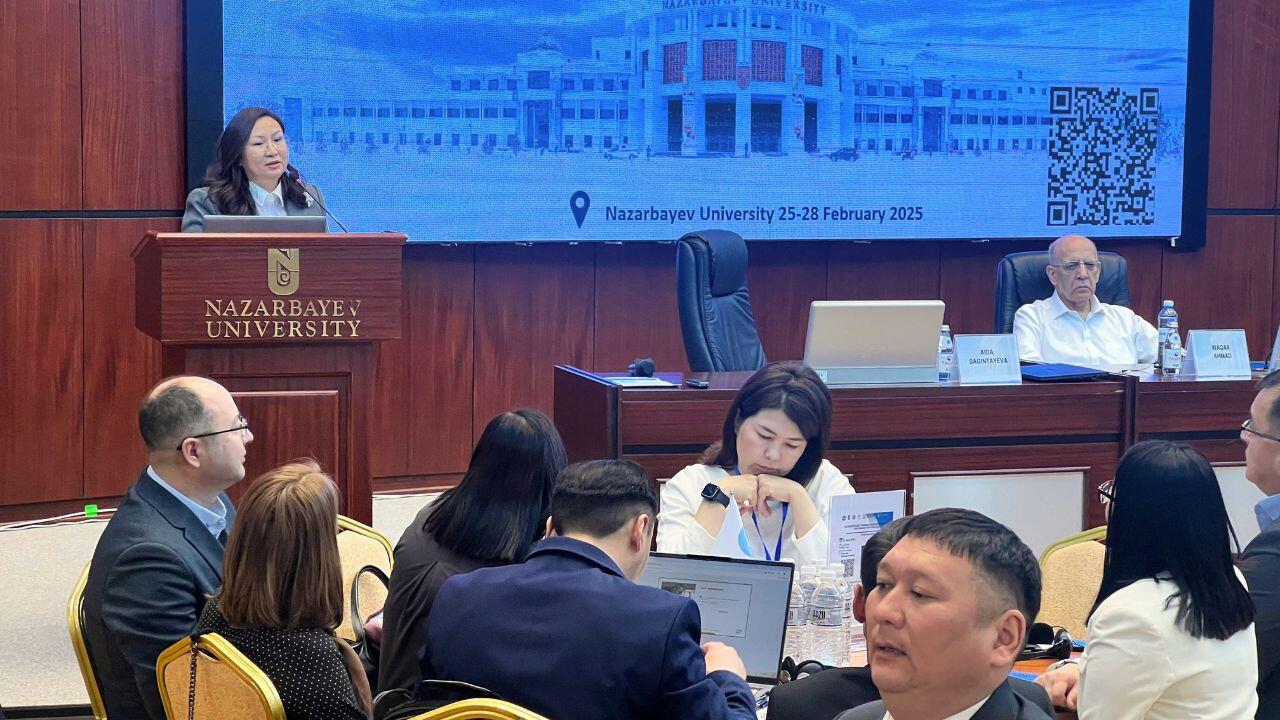
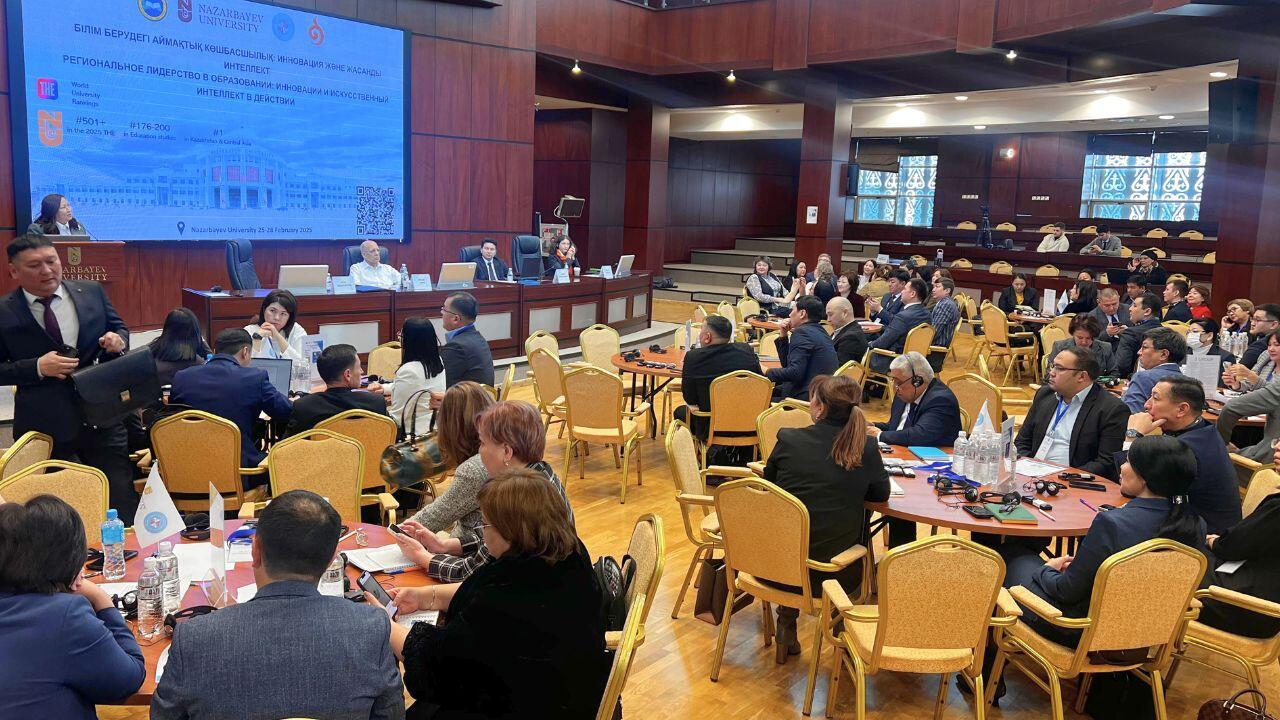
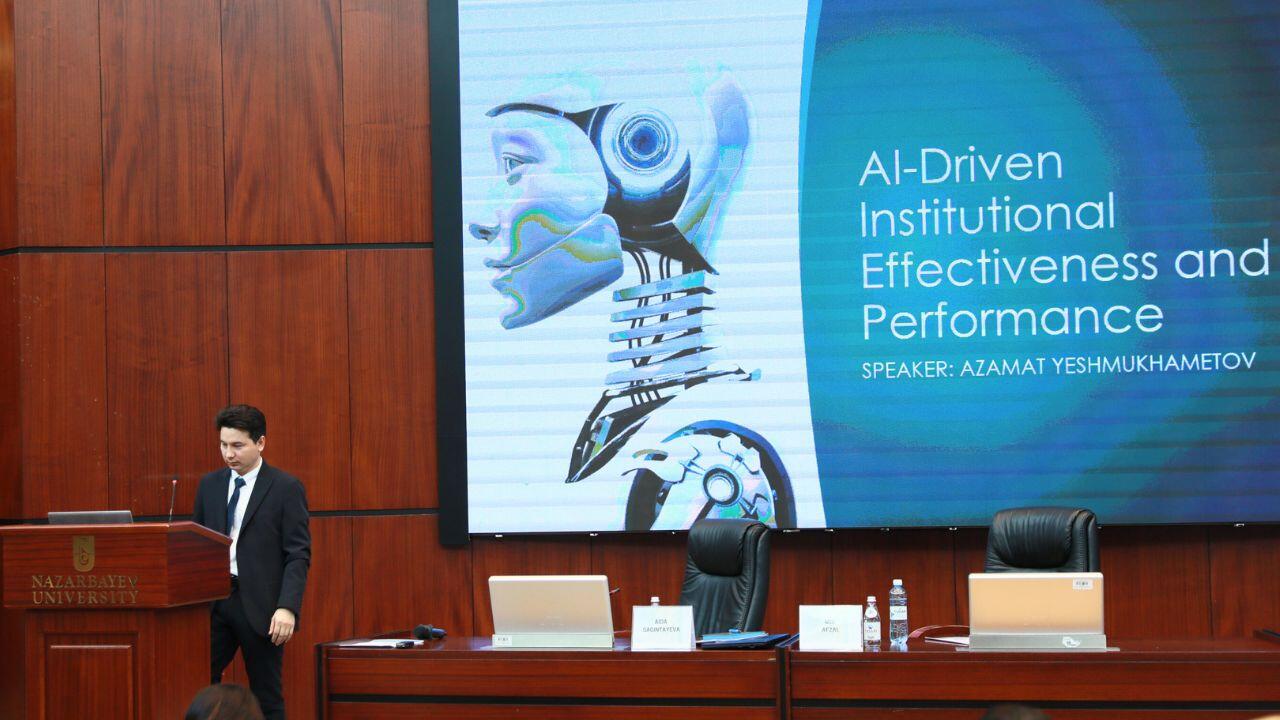
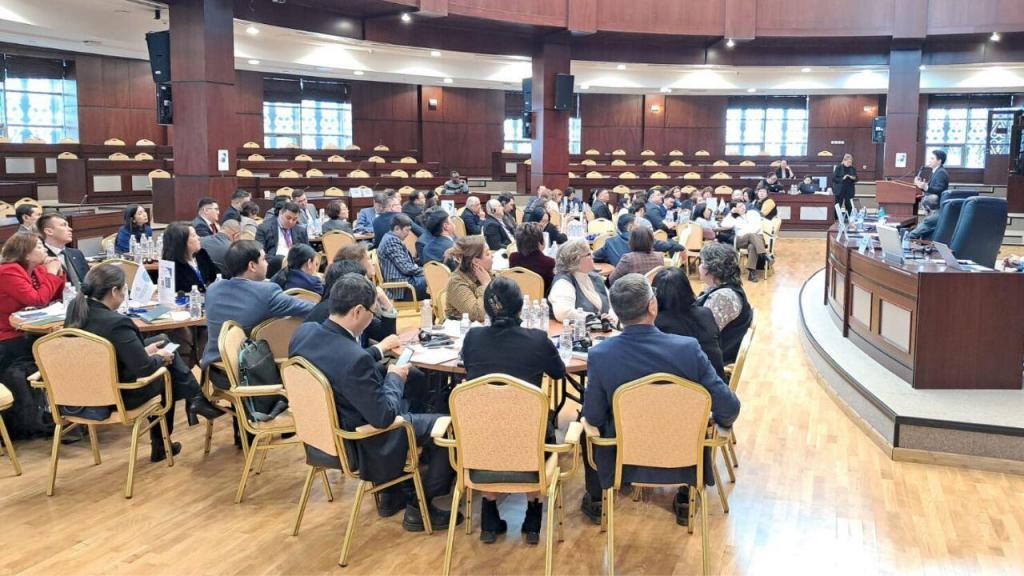
Developed by NU Graduate School of Education in collaboration with Kazakhstan’s Ministry of Enlightenment, the program spans eight months and features interactive lectures, discussions, project-based learning, and case studies. Training is conducted in partnership with Korkyt Ata Kyzylorda University and Pavlodar Pedagogical University, with key sessions led by experts from Seoul National University. Participants include 90 heads of regional, city, and district education departments and school and college directors. The first module focuses on team building, educational strategy development, effective planning and monitoring, and integrating AI into learning and management processes.
“Education today is becoming more personalized, digital, and integrated. Previously, learning was uniform for all, but now it adapts to individual student needs. Digitalization expands the boundaries of the traditional school, making education more interactive and accessible through technology, AI, and online platforms. AI is no longer just a trend for administrators—it’s a new reality. In higher education, we now say: ‘Collaborate with AI or perish,'” said NU Vice Provost and Dean of the Graduate School of Education, Aida Sagintayeva, emphasizing the importance of verifying and critically analyzing AI-generated information.
The program consists of 10 modules and brings together leading experts in education, technology, and management. It offers participants a unique opportunity to develop leadership skills, master innovative management tools, and become part of the professional community of the future.
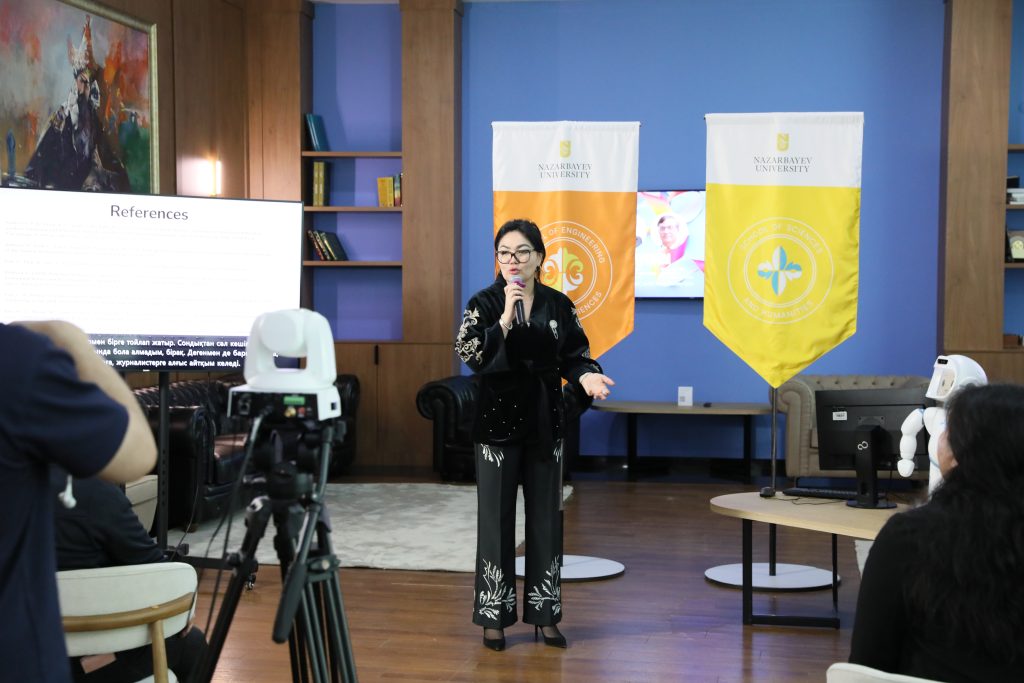
“Our main goal is to introduce participants to new leadership concepts, especially in the era of artificial intelligence, which has brought the revolution worldwide. The education system can advance without integrating AI into curricula, teaching, learning, and school management. That’s why we adhere to the principle that leadership is not a position—it’s a practice,” noted Associate Professor at NU Graduate School of Education Mir Afzal.
This leadership program builds on successful initiatives such as the Academic Leadership Institute – Executive Academic Leadership Programme and the Deans’ School, which have trained 80 university rectors and 80 deans from Kazakhstan’s higher education institutions. Since its founding, NU Graduate School of Education has provided professional training to more than 27,000 educators across Kazakhstan.